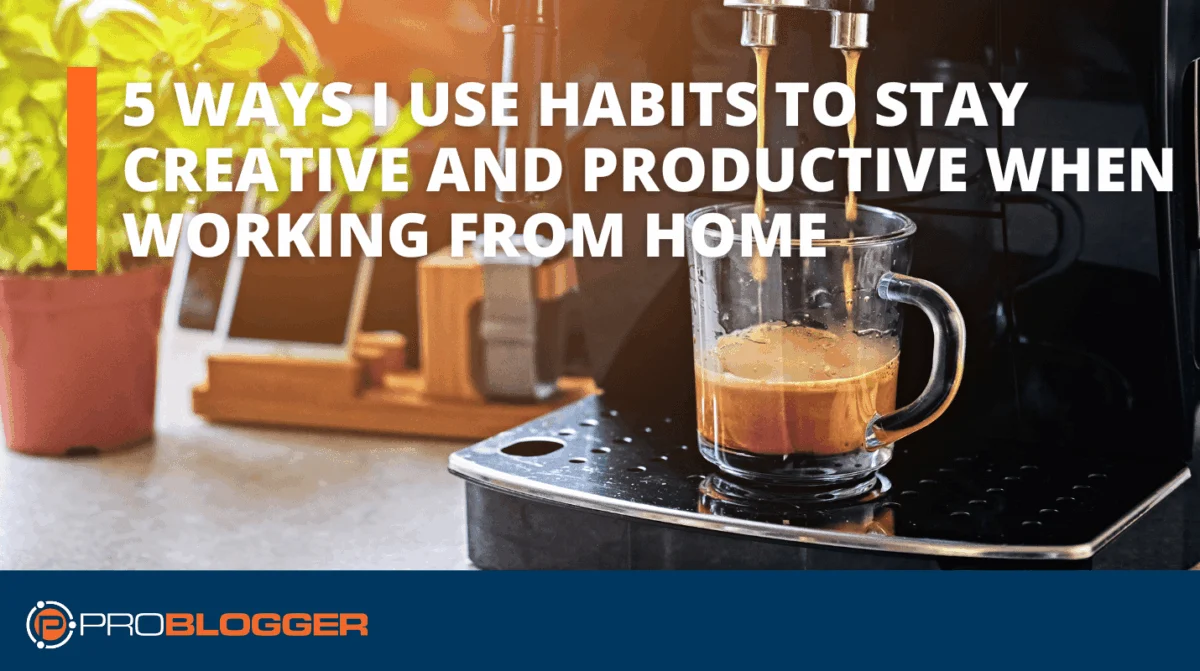
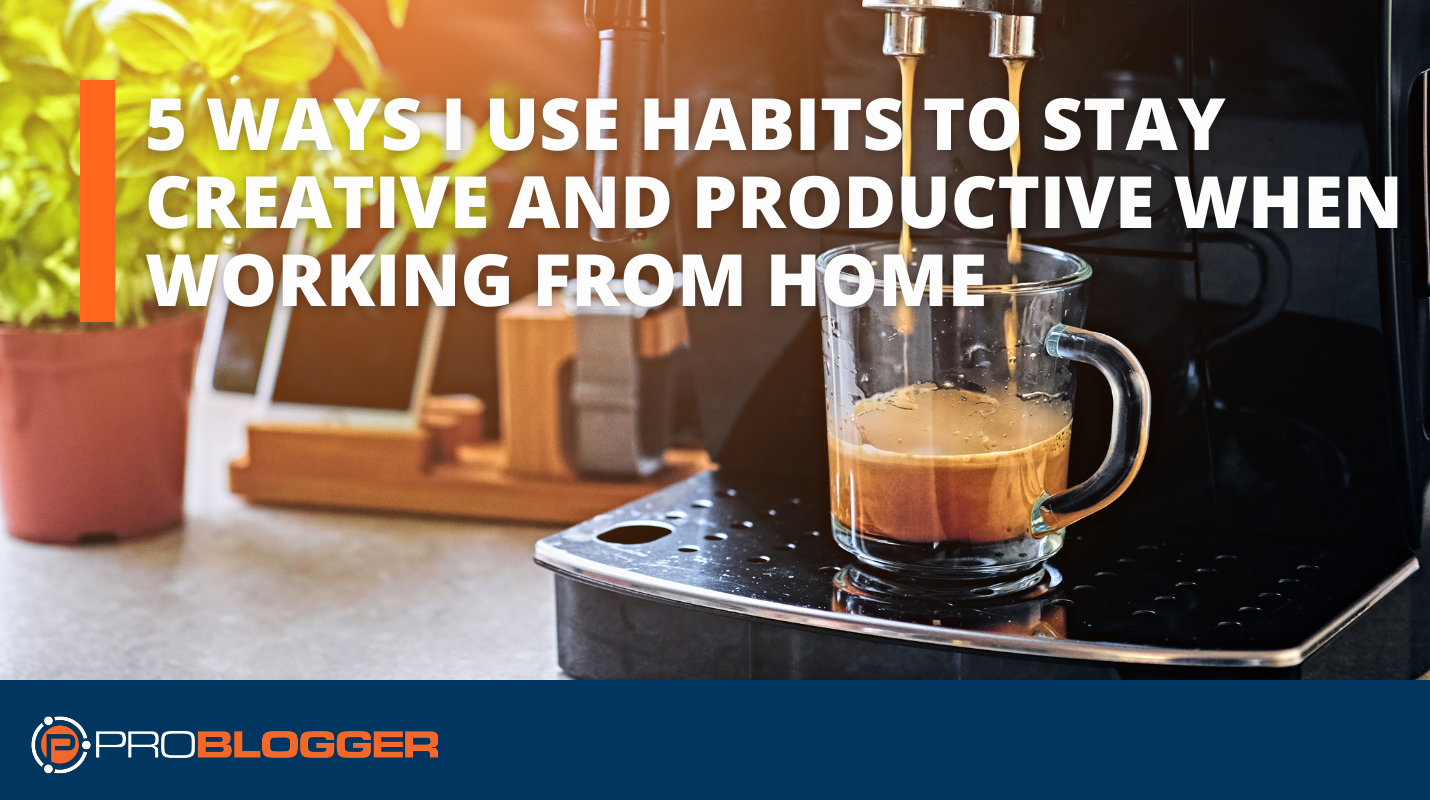
The burgeoning landscape of remote work, particularly prevalent among bloggers, writers, and creative professionals, presents a unique set of challenges to maintaining consistent productivity and fostering an environment conducive to creative thought. While the flexibility of working from home offers undeniable advantages, it simultaneously introduces a myriad of potential distractions, from household chores to the ever-present allure of personal leisure. Navigating this complex environment requires a deliberate approach to self-management, a topic extensively explored by author and habit expert Gretchen Rubin. Known for her bestselling works on happiness, habits, and human nature, including "Better Than Before," Rubin offers practical, evidence-based strategies to cultivate habits that bolster focus, output, and overall well-being for those whose office is also their home.
Gretchen Rubin, through her popular blog GretchenRubin.com and her widely acclaimed podcast "Happier With Gretchen Rubin," has become a leading voice in the science of habit formation. Her work distills complex psychological principles into actionable advice, recognizing that while the desire for change is universal, the methods for achieving it must be tailored to individual temperaments. In her seminal book, "Better Than Before," Rubin identifies 21 distinct strategies for making or breaking habits, a framework she personally employs to sustain her own demanding career as a writer and blogger. This exploration delves into five of these pivotal strategies, supplemented by a crucial bonus strategy, demonstrating their application in the context of remote work and offering broader implications for the modern professional.
The Evolving Landscape of Remote Work and Its Challenges
The shift towards remote work has accelerated significantly in recent years, driven by technological advancements and evolving corporate cultures. For bloggers and content creators, working from home has long been the norm, offering autonomy but also demanding self-discipline. A 2023 report by Buffer indicated that 98% of employees desire to work remotely at least some of the time, and 97% would recommend remote work to others. However, the same reports often highlight challenges such as difficulty unplugging, loneliness, and maintaining focus. These challenges underscore the critical need for effective habit strategies to mitigate potential pitfalls and maximize the benefits of a home-based professional life. The informal setting of a home office can blur the lines between professional duties and personal life, making structured routines and intentional habit formation indispensable.
Gretchen Rubin’s Core Habit Strategies for Remote Professionals
Rubin’s framework is built on the premise that understanding how habits work, and how one’s own personality interacts with habit formation, is key to success. Her "Four Tendencies" framework—Upholders, Questioners, Obligers, and Rebels—provides a lens through which individuals can identify their intrinsic motivators and barriers. While the following strategies are broadly applicable, their effectiveness can be enhanced by this self-awareness.
1. The Strategy of Safeguards: Erecting Barriers Against Temptation
One of the most potent strategies Rubin advocates is the "Strategy of Safeguards," which involves proactively removing oneself from the reach of temptation. For intense, cognitively demanding tasks like original writing, digital distractions pose a significant threat to productivity. Rubin’s personal approach exemplifies this: she physically relocates to a library, deliberately eschewing internet connectivity. This physical removal from her home office, with its multiple monitors and inherent digital lures, is a conscious decision to make self-control redundant. "It’s easier physically to remove myself from the lure of my three monitors than to use self-control," Rubin states, highlighting a core tenet of habit science: willpower is a finite resource, and environmental design can be a more sustainable solution.
The impact of digital distraction on focus is well-documented. Research by the University of California, Irvine, and Microsoft found that it takes an average of 23 minutes and 15 seconds to return to the original task after an interruption. Constant notifications, the urge to check email, or the siren call of social media fragments attention and degrades the quality of deep work. Tools like website blockers or internet-disabling software offer a digital equivalent to Rubin’s library strategy, creating an artificial "safe zone" within the home office. By anticipating potential "stumbling blocks" and planning for moments of weakness, individuals can pre-commit to an environment that fosters concentration, thereby enhancing both creativity and output. This strategy moves beyond mere self-discipline, leveraging environmental control as a primary mechanism for habit reinforcement.
2. The Strategy of Scheduling: Mastering Time and Avoiding Productive Procrastination
Rubin emphasizes the "Strategy of Scheduling" to allocate specific tasks to designated times, recognizing that "working is one of the most dangerous forms of procrastination." This insight addresses a common pitfall in remote work: the tendency to fill time with low-priority, easy-to-do tasks under the guise of being productive, thereby deferring more challenging, impactful work. For Rubin, a scheduled writing slot for a blog post means precisely that – writing the blog post. During this period, activities like cleaning the desk, checking emails, browsing social media, or engaging in "research" (often a euphemism for distraction) are strictly forbidden.
This approach aligns with principles of time blocking and deep work, championed by productivity experts like Cal Newport. Time blocking involves scheduling specific blocks of time for specific tasks, treating these appointments as sacrosanct. The "deep work" philosophy posits that sustained, uninterrupted focus on a single task is crucial for producing high-quality, creative output. By adhering to a rigid schedule, Rubin avoids decision fatigue and the temptation to switch tasks. The stark choice between performing the designated task or "staring at the ceiling" often leads to engagement out of sheer boredom, demonstrating the power of eliminating alternatives. This strategy not only ensures that critical tasks receive dedicated attention but also builds a consistent rhythm of work, essential for sustained creative flow.
3. The Strategy of Foundation: Prioritizing Physical Well-being for Mental Acuity
The "Strategy of Foundation" underscores the interconnectedness of physical well-being and mental performance. Rubin makes a conscious effort to incorporate movement throughout her day, whether through gym visits, yoga classes, strength training, or regular walks with her new puppy. This isn’t merely about physical health; it’s a strategic investment in her cognitive capabilities. "Research shows that exercise helps me stay energized and focused," she notes, adding that it also helps her "keep my rear in the chair when I’m working" by mitigating restlessness.
The scientific consensus strongly supports the cognitive benefits of physical activity. Regular exercise boosts blood flow to the brain, enhancing memory, attention, and problem-solving abilities. It also helps manage stress and improve mood, both critical for creative thought. Furthermore, as Friedrich Nietzsche famously observed, "All truly great thoughts are conceived by walking." Rubin echoes this sentiment, often finding significant insights and making important connections during her walks. This highlights the role of physical movement not just in maintaining energy, but in actively stimulating creative thinking. For remote workers who might otherwise fall into sedentary patterns, building a "foundation" of regular movement is crucial for sustaining mental vigor and preventing burnout, directly impacting their capacity for both productivity and innovation.
4. The Strategy of Monitoring: The Power of Self-Tracking for Consistent Output
The "Strategy of Monitoring" involves consistently tracking one’s output and adherence to goals. Rubin applies this to her blogging frequency, keeping close tabs on "How many posts am I really doing each week?" This simple act of self-observation is remarkably effective across various domains, from diet and exercise to financial management. The act of measurement itself creates a feedback loop that encourages adherence and improvement.
Rubin makes an intriguing observation: "it’s easier to post just about every day than to post some days." This speaks to the power of consistency and the reduction of decision-making fatigue. When a task becomes a daily habit, the internal debate about whether to do it is largely eliminated. The mental energy saved from agonizing over "should I write something today?" or "can I take today off?" can be redirected towards the actual creative process. By committing to a near-daily posting schedule (5-6 times a week), Rubin integrates blogging into her "ordinary day," transforming it from a discretionary task into an automatic routine. This strategy leverages the psychological principle that frequent, small actions are often more sustainable than infrequent, large efforts. Monitoring provides the data to reinforce this consistency, turning an aspiration into an ingrained behavior.
5. The Strategy of Treats: Fueling Creativity and Preventing Burnout
Perhaps the most enjoyable of Rubin’s strategies is the "Strategy of Treats," which advocates for consciously rewarding oneself with healthy, energizing activities. The underlying philosophy is that "when we give more to ourselves, we can ask more from ourselves." For Rubin, this treat is abundant reading time. She dedicates substantial time each week to reading purely for pleasure, not out of obligation or perceived necessity. This isn’t just a personal indulgence; it’s a strategic move to replenish her creative wellspring.
The benefits of this strategy are twofold. Firstly, engaging in intrinsically enjoyable activities helps prevent burnout, reduces stress, and fosters a sense of well-being, which in turn enhances overall productivity and resilience. Research on employee engagement often points to the importance of autonomy and opportunities for rejuvenation. Secondly, reading, especially for pleasure, directly fuels Rubin’s work by providing "new ideas, illustrations, and insights." It’s a form of passive research and creative incubation that makes the act of blogging easier and richer. By intentionally carving out time for personally rewarding activities, remote workers can ensure they remain energized, inspired, and capable of sustained creative output, avoiding the trap of perpetual work that often leads to exhaustion and diminished quality.
BONUS: The Crucial Role of Accountability for "Obligers" and Beyond
While not a personal necessity for Rubin, the "Strategy of Accountability" is highlighted as indispensable for a significant portion of the population, particularly those she categorizes as "Obligers." In her Four Tendencies framework, Obligers are individuals who readily meet outer expectations but struggle to meet inner expectations. They excel when others are relying on them but falter when only their self-imposed goals are at stake. This makes accountability "crucial. Key. Essential!" for their success.
For Obligers, the absence of external accountability can be a insurmountable barrier to consistent action, even for tasks they deeply desire to accomplish, such as regular blogging. Rubin strongly advises that Obligers must "give yourself outer accountability." This can manifest in various forms: joining an accountability group, working with a coach, finding a client (whose expectations become external), or regularly reporting progress to a buddy. The act of knowing someone else is expecting progress transforms an inner expectation into an outer one, leveraging the Obliger’s natural inclination to meet commitments to others.
The psychological underpinnings of accountability are robust. Studies show that individuals are significantly more likely to achieve their goals when they share them with others, particularly when combined with regular progress reports. Social support and perceived external pressure act as powerful motivators. For the remote workforce, where traditional workplace accountability structures might be absent, creating these artificial accountability mechanisms becomes paramount. This could involve virtual co-working sessions, online communities, or structured check-ins with peers. Understanding one’s "Tendency" and proactively implementing tailored accountability systems is not a weakness but a strategic advantage, transforming an inherent challenge into a pathway for consistent achievement.
Broader Implications for the Remote Workforce and Organizational Strategy
The insights gleaned from Gretchen Rubin’s habit strategies extend far beyond individual bloggers and writers, offering profound implications for the broader remote workforce and the organizations that employ them. As companies continue to embrace hybrid and fully remote models, fostering a culture of self-efficacy and sustained productivity becomes a strategic imperative.
Firstly, these strategies address the critical issue of employee well-being in a remote context. By emphasizing "Foundation" (physical activity) and "Treats" (rejuvenation), Rubin’s framework implicitly tackles issues like burnout, stress, and mental fatigue that are often exacerbated by the blurred boundaries of home-based work. Organizations could integrate these principles into wellness programs, encouraging employees to establish similar safeguards, scheduling routines, and self-care practices.
Secondly, the emphasis on "Safeguards" and "Scheduling" directly combats digital distraction and productive procrastination, two major drains on remote productivity. Companies can support this by providing training on effective time management, recommending productivity tools, and even fostering a culture that respects "deep work" periods, discouraging unnecessary interruptions.
Finally, the "Strategy of Accountability" offers a powerful tool for managers to support their remote teams, particularly those who identify as Obligers. Rather than solely relying on outcomes, implementing structures for process accountability—such as peer accountability groups, regular informal check-ins, or buddy systems—can significantly boost engagement and performance. Understanding individual "Tendencies" can enable managers to tailor support mechanisms, recognizing that a "one-size-fits-all" approach to productivity is often ineffective.
In an era where remote work is no longer an anomaly but a fundamental aspect of the global economy, the ability to cultivate effective habits is paramount for individual success and organizational resilience. Gretchen Rubin’s work provides a comprehensive, nuanced guide to navigating the complexities of working from home, transforming potential pitfalls into opportunities for sustained creativity, productivity, and overall well-being. By understanding the science of habits and applying these deliberate strategies, remote professionals can effectively sculpt their environment and routines to thrive, demonstrating that changing habits is not inherently difficult, but rather a matter of knowing the right approach.