Big Pharma Ally Rep Kurt Schrader Distorts Drug Price Record
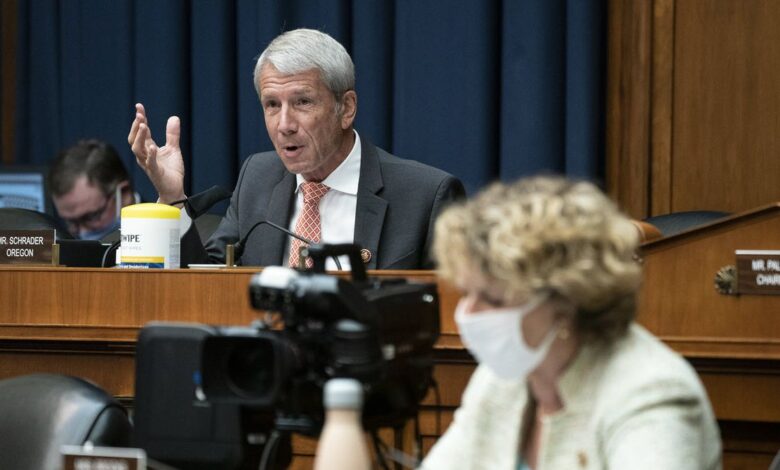
Big pharma ally rep kurt schrader distorts his record on drug prices – Big Pharma Ally Rep Kurt Schrader Distorts Drug Price Record: Rep. Kurt Schrader, often labeled a “Big Pharma ally,” has a long history of supporting policies that favor pharmaceutical companies, leading to accusations of prioritizing corporate interests over the needs of his constituents.
Schrader’s voting record and past statements on drug pricing have drawn criticism from healthcare advocates and patient groups, who argue that his actions have contributed to the high cost of medications and limited access to affordable healthcare.
This article delves into Schrader’s political background, examining his voting record on healthcare and pharmaceutical legislation, his past statements on drug pricing, and his relationship with the pharmaceutical industry. We’ll explore the justifications behind the “Big Pharma ally” label, analyze Schrader’s record on drug pricing, and discuss the role of pharmaceutical companies in shaping drug pricing policies.
Ultimately, this analysis aims to provide a comprehensive understanding of Schrader’s stance on drug pricing and its impact on the American public.
Kurt Schrader’s Political Background and Stances
Kurt Schrader, a Democrat representing Oregon’s 5th congressional district, has a long and complex political history, marked by a pragmatic approach to policymaking. His positions on healthcare and drug pricing have often attracted scrutiny, particularly from progressive Democrats.
It’s frustrating to see Rep. Kurt Schrader, a big pharma ally, twisting his record on drug prices. He claims to be fighting for lower costs, but his actions speak louder than words. It’s a stark contrast to the passionate advocacy of Meghan Markle, who’s highlighting the burden placed on families with the new childcare initiative, as reported here.
We need leaders who truly prioritize people, not corporate interests, especially when it comes to vital issues like healthcare and childcare.
Kurt Schrader’s Political Career
Schrader’s political career began in the 1990s, serving in the Oregon House of Representatives. He was elected to the U.S. House of Representatives in 2008, winning a seat previously held by a Republican. He has served on several key committees, including the House Energy and Commerce Committee, which oversees healthcare policy, and the House Agriculture Committee, which has jurisdiction over the pharmaceutical industry.
While Rep. Kurt Schrader continues to tout his supposed commitment to lowering drug prices, his record tells a different story. He’s consistently voted against measures that would actually make a difference, siding with Big Pharma instead of the American people.
In the meantime, Congress has passed a bill to overhaul the Postal Service and sent it to Biden for signature. This legislation could be a positive step for the USPS, but it won’t address the real issue of drug pricing.
Schrader’s hypocrisy on this issue is a clear example of how politicians can prioritize special interests over the needs of their constituents.
Kurt Schrader’s Voting Record on Healthcare and Pharmaceutical Legislation, Big pharma ally rep kurt schrader distorts his record on drug prices
Schrader’s voting record on healthcare and pharmaceutical industry-related legislation has been mixed. He has voted in favor of some measures aimed at lowering drug prices, such as allowing Medicare to negotiate drug prices. However, he has also opposed other measures, such as a bill that would have allowed the importation of prescription drugs from Canada.
It’s frustrating to see Rep. Kurt Schrader, a known ally of Big Pharma, twisting his record on drug prices. He claims to be fighting for lower costs, but his actions speak louder than words. Maybe he should take a break from the political arena and read some inspiring stories to his kids, like the ones featured in this list of 20 super sports books for kids of all ages.
After all, these books teach valuable lessons about perseverance, teamwork, and fair play – qualities that seem to be missing from Schrader’s approach to healthcare policy.
- Schrader voted in favor of the Affordable Care Act (ACA) in 2010, a landmark piece of legislation that expanded health insurance coverage to millions of Americans.
- In 2019, he voted in favor of the “Lower Drug Costs Now Act,” which would have allowed Medicare to negotiate drug prices. However, this bill ultimately failed to pass the Senate.
- He has also voted against legislation that would have allowed the importation of prescription drugs from Canada.
Kurt Schrader’s Statements and Positions on Drug Pricing
Schrader has frequently criticized high drug prices, arguing that they place an undue burden on patients and the healthcare system. He has supported measures to increase transparency in drug pricing and to allow Medicare to negotiate drug prices.
“We need to make sure that we are getting the best value for our healthcare dollar. That means making sure that drug prices are fair and affordable for everyone.”
Kurt Schrader, 2019
However, Schrader has also expressed concerns about the potential unintended consequences of some drug pricing reforms, arguing that they could lead to shortages of essential medications. He has also been criticized for receiving campaign contributions from the pharmaceutical industry.
The Role of Pharmaceutical Companies in Drug Pricing

Drug pricing is a complex and controversial issue, with pharmaceutical companies often facing criticism for high prices that can make life-saving medications inaccessible to many patients. Understanding the factors that contribute to these prices is crucial to finding solutions that balance innovation and affordability.
Factors Contributing to High Drug Prices
High drug prices are a result of a complex interplay of factors, including research and development costs, marketing expenses, and patent protections.
- Research and Development Costs:Developing new drugs is a lengthy and expensive process. Pharmaceutical companies invest billions of dollars in research, clinical trials, and regulatory approval. These costs are often cited as a primary justification for high drug prices. However, the cost of drug development varies significantly across different therapies, and the effectiveness of these investments in generating truly innovative treatments is sometimes questioned.
- Marketing Expenses:Pharmaceutical companies spend heavily on marketing and advertising, targeting both physicians and patients. These expenses include direct-to-consumer advertising, promotional materials, and sales representative visits. While marketing can raise awareness of new treatments, it can also contribute to increased drug prices, particularly when it focuses on promoting expensive brand-name drugs over more affordable generic alternatives.
- Patent Protections:Patents grant pharmaceutical companies exclusive rights to manufacture and sell a drug for a specific period. This exclusivity allows them to charge higher prices without competition from generic manufacturers. While patents are intended to incentivize innovation, they can also lead to extended periods of high prices, especially for drugs that treat chronic conditions.
Influence of Pharmaceutical Companies on Drug Pricing Policies
Pharmaceutical companies exert considerable influence on drug pricing policies and regulations through lobbying, political contributions, and advocacy.
- Lobbying:Pharmaceutical companies spend significant resources lobbying policymakers at both the state and federal levels. They advocate for policies that protect their interests, such as extending patent protections, limiting generic competition, and opposing price controls. These lobbying efforts can shape legislation and regulations that impact drug pricing.
- Political Contributions:Pharmaceutical companies and their employees contribute millions of dollars to political campaigns and parties. These contributions can influence policymakers’ decisions on drug pricing policies, potentially leading to outcomes that favor the industry.
- Advocacy:Pharmaceutical companies often engage in public relations campaigns and advocacy efforts to shape public opinion on drug pricing. They may highlight the importance of innovation and the high costs of drug development, while downplaying the impact of high prices on patients.
Pricing Strategies of Major Pharmaceutical Companies
Major pharmaceutical companies employ various pricing strategies that can have a significant impact on patients.
| Company | Pricing Strategy | Impact on Patients |
|---|---|---|
| Pfizer | High prices for blockbuster drugs, often justified by high R&D costs and market exclusivity | Can lead to high out-of-pocket costs for patients, particularly for chronic conditions |
| Novartis | Focus on specialty drugs with high prices, often targeting niche markets with limited treatment options | Can create access barriers for patients with rare diseases or limited insurance coverage |
| Johnson & Johnson | Diverse portfolio of drugs, with varying price points, including some generic options | Offers more affordable options for some medications, but still maintains high prices for key products |
End of Discussion: Big Pharma Ally Rep Kurt Schrader Distorts His Record On Drug Prices
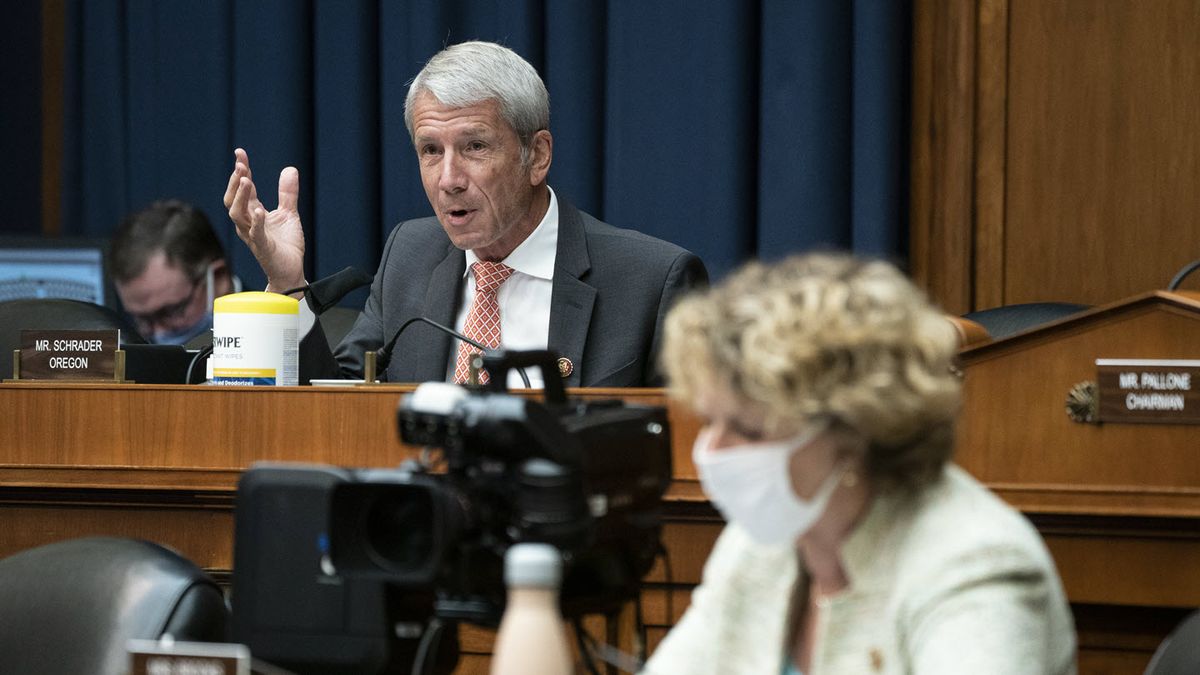
Rep. Kurt Schrader’s record on drug pricing reveals a complex relationship between political influence, corporate interests, and the affordability of healthcare for American citizens. While he has supported some initiatives aimed at lowering drug costs, his overall voting record and statements suggest a strong alignment with pharmaceutical industry interests.
This has led to accusations of prioritizing corporate profits over the well-being of his constituents, raising concerns about the impact of his policies on access to affordable medications. The debate surrounding drug pricing and the influence of Big Pharma continues, and it remains to be seen whether Schrader will prioritize the needs of his constituents or continue to champion the interests of the pharmaceutical industry.