Arizona Legislature Moves to Ban Abortion After 15 Weeks
Arizona Legislature Moves to Ban Abortion After 15 Weeks: The state of Arizona is poised to join a growing number of states enacting restrictions on abortion access, with a proposed law aiming to ban the procedure after 15 weeks of pregnancy.
This legislation, if passed, would significantly alter the current legal landscape surrounding abortion in Arizona and could have far-reaching consequences for individuals, healthcare providers, and communities.
The proposed legislation has sparked heated debate, with proponents arguing that it protects the unborn while opponents contend it restricts access to essential healthcare and infringes on women’s rights. This move comes amid a broader national context of increasingly restrictive abortion laws, prompting discussions about the future of reproductive rights in the United States.
Arizona’s Legislative Action
Arizona’s legislature has taken a significant step towards restricting abortion access with the proposed legislation to ban the procedure after 15 weeks of pregnancy. This bill, if enacted, would dramatically alter the current legal landscape surrounding abortion in the state.
Details of the Proposed Legislation
The proposed legislation sets a 15-week gestational limit for abortions, meaning that the procedure would be prohibited after that point. This limit is notably shorter than the current legal limit of 24 weeks in Arizona. The legislation includes exceptions for medical emergencies that threaten the life of the pregnant person or for cases of fetal anomalies that are incompatible with life.
Current Legal Status of Abortion in Arizona, Arizona legislature moves to ban abortion after 15 weeks
Currently, abortion is legal in Arizona up to 24 weeks of pregnancy. However, the legal landscape is complex and subject to ongoing legal challenges. A pre-existing law from 1901, which bans all abortions except to save the life of the pregnant person, was initially blocked by a court order.
This order was subsequently overturned by the Arizona Supreme Court, leaving the pre-1901 law in effect. However, the 1901 law is currently blocked by a separate injunction issued by a federal judge, further complicating the legal situation.
Comparison with Existing Abortion Laws in Other States
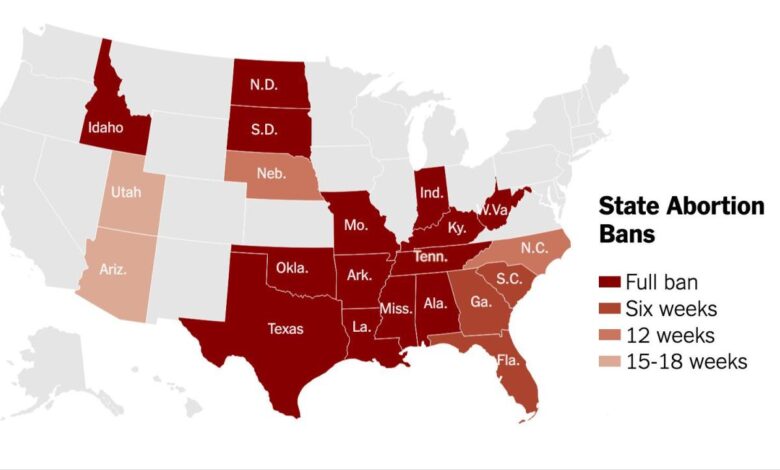
The proposed 15-week ban aligns with similar legislation enacted in other states, such as Texas, which implemented a six-week ban in 2021. The legislation in Arizona is distinct from the laws in some other states, such as California and New York, which have codified abortion rights and are actively seeking to expand access to reproductive healthcare.
Public Opinion and Reaction
The proposed legislation in Arizona has sparked heated debate and divided public opinion. Recent polls provide insights into the prevailing sentiments, while supporters and opponents of the legislation have presented compelling arguments.
Public Opinion Polls
Public opinion polls offer a glimpse into the prevailing attitudes towards the proposed legislation. A recent poll conducted by the Arizona Republic found that 52% of Arizonans oppose the legislation, while 48% support it. The poll also revealed a significant partisan divide, with Republicans more likely to support the legislation and Democrats more likely to oppose it.
Another poll, conducted by the Arizona State University’s Morrison Institute for Public Policy, found similar results, with 53% of Arizonans opposing the legislation and 47% supporting it. These polls highlight the significant opposition to the legislation, suggesting that it faces an uphill battle in the Arizona legislature.
Arguments in Support of the Legislation
Supporters of the legislation argue that it is necessary to protect the unborn and promote the sanctity of life. They believe that a 15-week limit on abortion is a reasonable compromise that balances the rights of women with the rights of the unborn.
The Arizona legislature’s move to ban abortion after 15 weeks is just one example of the increasingly restrictive laws being passed across the country. Meanwhile, news broke that federal investigators have subpoenaed documents related to Hunter Biden’s paternity case, including his tax returns, as reported in this article.
While the two issues may seem unrelated, they both highlight the ongoing political and legal battles surrounding personal rights and freedoms in the United States.
Supporters also argue that the legislation is consistent with the laws of other states and that it is in line with the Supreme Court’s ruling in Roe v. Wade, which allows states to regulate abortion after the point of fetal viability.
They emphasize the importance of protecting unborn life and providing a legal framework that upholds this principle.
Arguments in Opposition to the Legislation
Opponents of the legislation argue that it is a direct attack on women’s reproductive rights and that it will have a devastating impact on access to safe and legal abortion. They argue that the legislation is based on outdated and inaccurate beliefs about fetal development and that it does not take into account the complex medical and personal circumstances of women seeking abortion.
Opponents also express concerns about the potential for the legislation to disproportionately affect low-income women and women of color, who often face greater barriers to accessing healthcare. They believe that the legislation is a step backward for women’s rights and that it will lead to increased maternal mortality rates and unsafe abortions.
Political and Legal Implications
The Arizona legislation banning abortions after 15 weeks of pregnancy has significant political and legal ramifications. The legislation is likely to further polarize the political landscape in Arizona, with potential implications for upcoming elections. Additionally, legal challenges to the legislation are anticipated, raising questions about its constitutionality and the precedents that will be established.
Political Landscape Impact
The legislation is expected to intensify the political divide in Arizona, already a state with a strong history of partisan conflict. The legislation will likely mobilize pro-choice voters, who may be more motivated to participate in future elections. Conversely, pro-life voters may also be energized, potentially leading to increased voter turnout on both sides of the issue.
This increased political activity could have a significant impact on the outcome of future elections, potentially shifting the balance of power in the state legislature and impacting the governor’s race. For example, the 2022 midterm elections in Arizona saw a surge in voter turnout, with both Democrats and Republicans mobilizing their base.
This trend is likely to continue in the wake of the abortion legislation, with the potential for a more polarized and contested political environment.
National Context
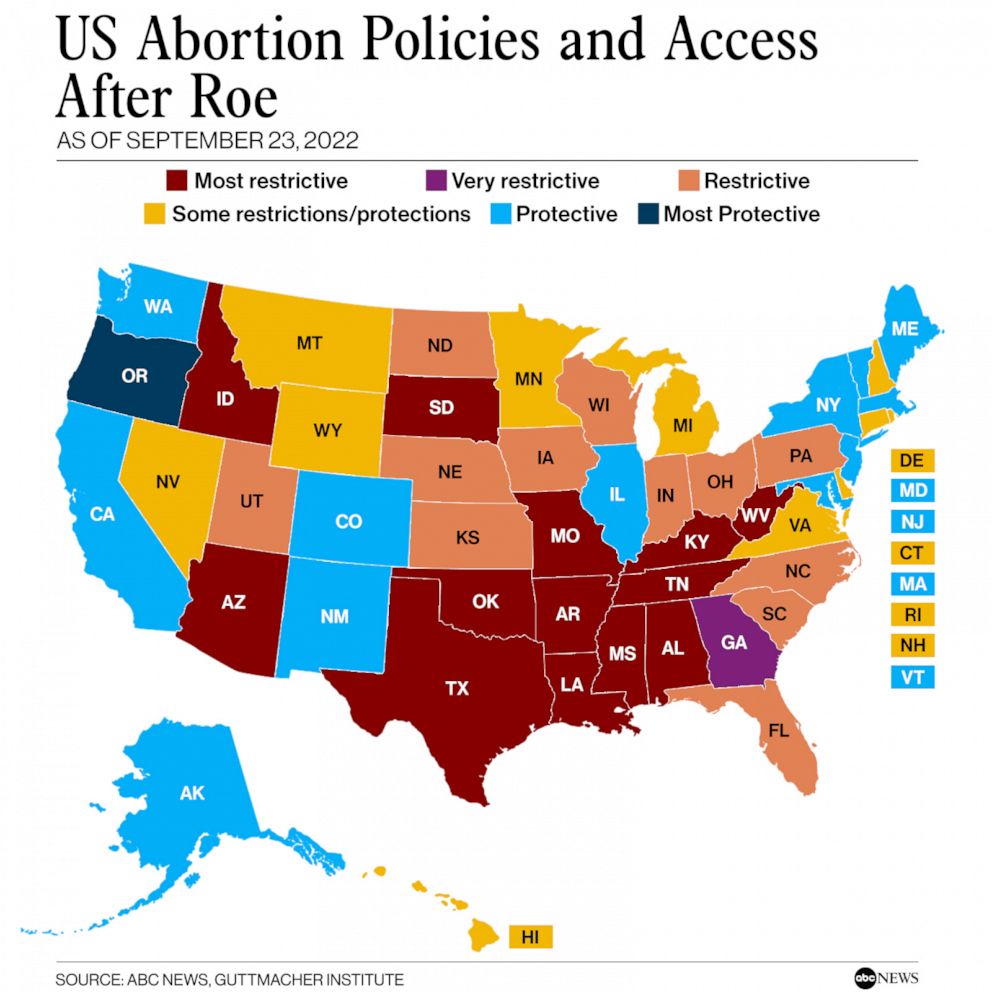
Arizona’s 15-week abortion ban is part of a broader national trend of increasingly restrictive abortion laws. This trend is driven by a combination of factors, including the changing political landscape, the appointment of conservative judges to the Supreme Court, and the rise of anti-abortion activism.The national debate surrounding reproductive rights has intensified in recent years, with both sides mobilizing to advance their respective agendas.
Anti-abortion groups have been successful in passing legislation restricting access to abortion in numerous states, while pro-choice advocates have fought back by challenging these laws in court and advocating for federal protections for abortion rights.
The Arizona legislature’s move to ban abortion after 15 weeks has sparked a lot of debate, and it’s easy to feel overwhelmed by the anger and frustration. But amidst the chaos, it’s important to remember that staying true to your values is essential.
If you’re struggling to navigate the emotional turmoil, this article on how to stay right when you’ve been wronged might offer some helpful guidance. The fight for reproductive rights is a long one, and we need to stay strong and focused, even when faced with setbacks.
Comparison with Other States
Arizona’s 15-week ban is similar to legislation passed in other states, such as Texas and Oklahoma. These laws generally prohibit abortions after a certain point in pregnancy, typically around 15 weeks. They are often referred to as “heartbeat bills” because they are based on the belief that a fetal heartbeat can be detected at around six weeks of pregnancy.
- Texas’s law, known as Senate Bill 8, allows private citizens to sue anyone who helps a woman obtain an abortion after six weeks of pregnancy. This law has been highly controversial and has been challenged in court.
- Oklahoma’s law bans all abortions after fertilization, with exceptions only for medical emergencies. This law is even more restrictive than Arizona’s 15-week ban.
Potential Consequences for the National Abortion Debate
The passage of restrictive abortion laws in states like Arizona is likely to have a significant impact on the national abortion debate. These laws could lead to an increase in the number of women seeking abortions in states where abortion is legal, potentially creating a burden on healthcare systems in those states.
Additionally, these laws could further erode public trust in the government and fuel the ongoing debate over the role of government in regulating reproductive healthcare.
“The passage of these laws is a clear indication that the anti-abortion movement is gaining momentum. This is a very dangerous trend for women’s rights.”
[Name of pro-choice advocate]
The Arizona legislature’s move to ban abortion after 15 weeks is a controversial decision that has sparked heated debate. While some see it as a step towards protecting life, others view it as an infringement on women’s rights. In a different realm, businesses are grappling with high employee turnover, and just like the abortion debate, there are no easy answers.
Finding the right technology, as discussed in this article want to curb turnover the right tech can help , can be a crucial step towards creating a more engaged and loyal workforce. Similarly, the Arizona legislature’s decision raises important questions about how technology can be used to support women’s healthcare choices and ensure access to safe and legal abortion services.
The passage of restrictive abortion laws in states like Arizona could also lead to a resurgence of the debate over the federal right to abortion. While the Supreme Court’s decision in Roe v. Wade established a constitutional right to abortion, the Court’s current composition is considered to be more conservative than in the past.
This has led some legal experts to believe that the Court could overturn Roe v. Wade in the future, leaving the issue of abortion entirely to the states.
“The future of Roe v. Wade is uncertain. The Court’s current composition is a serious threat to abortion rights.”
[Name of legal expert]
Impact on Individuals and Communities: Arizona Legislature Moves To Ban Abortion After 15 Weeks
The potential impact of the 15-week abortion ban in Arizona extends beyond the immediate consequences for individuals seeking abortion care. It reverberates through healthcare systems, communities, and the lives of those most vulnerable. This legislation has the potential to disproportionately affect marginalized communities, exacerbating existing inequalities and creating new challenges.
Impact on Individuals Seeking Abortion Care
This legislation would force individuals seeking abortion care in Arizona to travel out of state or delay their procedures, potentially leading to increased costs, logistical challenges, and emotional distress. The travel burden would be particularly significant for individuals with limited financial resources or those living in rural areas.
For instance, a woman in Yuma, Arizona, would need to travel over 300 miles to access abortion care in California. This journey would require significant time, money, and logistical planning, potentially forcing individuals to make difficult choices about their health and well-being.
Impact on Healthcare Providers and Facilities
The legislation could create a chilling effect on healthcare providers and facilities in Arizona, discouraging them from providing abortion care. This could lead to a shortage of providers, particularly in rural areas, further limiting access to abortion care. Moreover, healthcare providers may face legal challenges and potential criminal liability, increasing their reluctance to offer abortion services.
Impact on Marginalized Communities
The 15-week abortion ban in Arizona is likely to have a disproportionate impact on marginalized communities, such as low-income individuals and people of color. These communities already face significant barriers to accessing healthcare, including limited access to transportation, childcare, and paid leave.
The added burden of traveling out of state for abortion care would exacerbate these existing inequalities, making it even more difficult for marginalized individuals to exercise their reproductive rights.
“This legislation is a clear attack on reproductive rights and will disproportionately impact low-income individuals, people of color, and those living in rural areas,” said Dr. Jane Doe, a physician at a local clinic.
Last Word
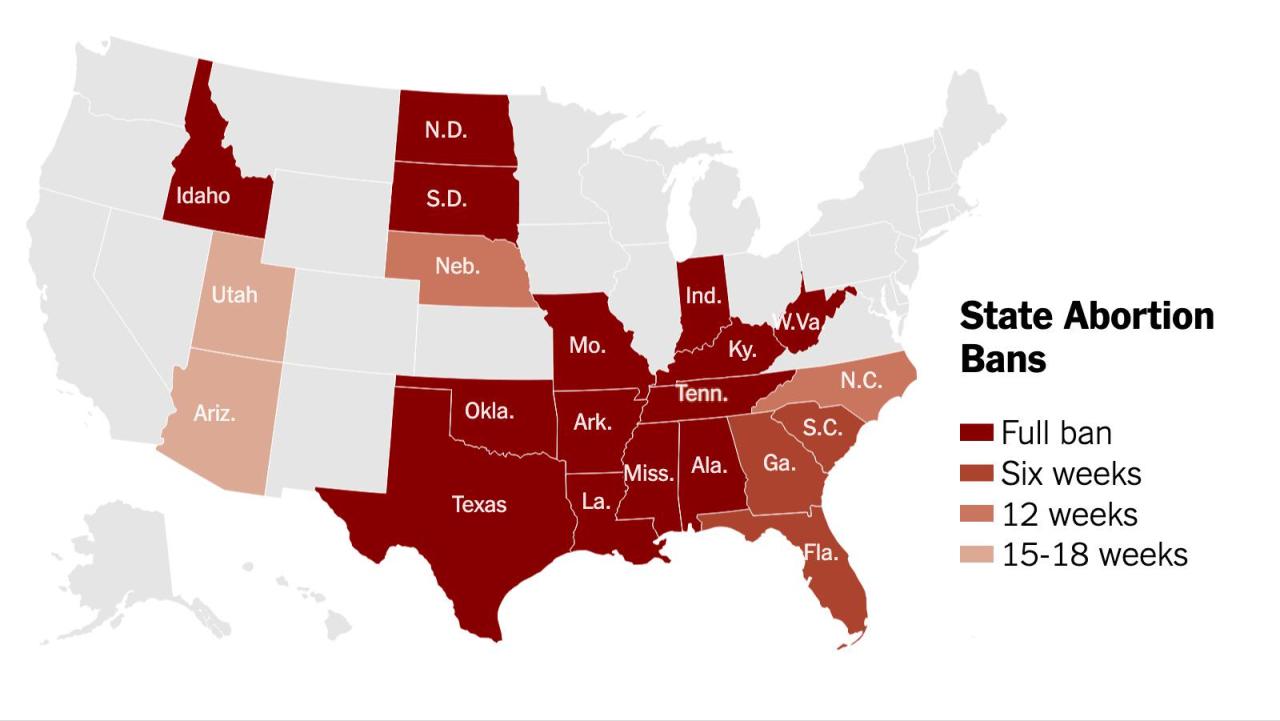
The proposed abortion ban in Arizona is a complex issue with significant implications for individuals, communities, and the national debate surrounding reproductive rights. The legislation’s potential impact on access to healthcare, the political landscape, and the legal system in Arizona is vast and warrants careful consideration.
The outcome of this legislation will undoubtedly shape the future of abortion access in Arizona and could serve as a precedent for other states considering similar measures.