
Washington Feels Uneasy: An Invisible Party Crasher
An invisible party crasher has Washington feeling uneasy, a sense of unease that permeates the halls of power and lingers in the minds of policymakers. It’s a feeling of uncertainty, a disquiet that stems from an unknown threat, an invisible force that casts a shadow over the nation’s capital.
This invisible party crasher, a metaphor for the growing anxieties and uncertainties facing the United States, is not a physical entity but rather a complex web of interconnected issues. From the escalating tensions with foreign powers to the increasing polarization within the American political landscape, the invisible party crasher represents a confluence of challenges that are difficult to define, let alone address.
The Invisible Party Crasher
The phrase “invisible party crasher” evokes a sense of unease and paranoia. It conjures images of unseen forces manipulating events, leaving Washington feeling vulnerable and uncertain about the true nature of the threats it faces. This sense of unease arises from the inherent difficulty in identifying, understanding, and responding to threats that operate outside the traditional framework of national security.
Defining the Threat
The invisible party crasher is a multifaceted threat that can take various forms. It encompasses situations where:* The source of the threat is unknown or difficult to pinpoint:This ambiguity creates a sense of uncertainty and makes it challenging to develop effective countermeasures.
The methods employed are unconventional and often hidden
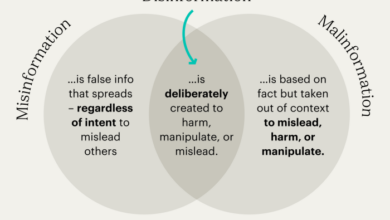
The use of cyberattacks, disinformation campaigns, or economic manipulation can be difficult to detect and attribute.
The motivations behind the actions are unclear
It can be challenging to determine whether the threat is driven by ideology, economic gain, or a desire to destabilize the system.
Potential Scenarios
The invisible party crasher can manifest in several ways, creating a sense of unease in Washington:* Cyberattacks targeting critical infrastructure:Disrupting power grids, financial systems, or communication networks can have significant consequences for national security and the economy.
Disinformation campaigns aimed at influencing public opinion
Spreading false information through social media or traditional media outlets can erode trust in institutions and sow discord among the population.
Economic sabotage
Targeting key industries or financial markets can destabilize the economy and create uncertainty for businesses and investors.
Political interference
Foreign actors can attempt to influence elections or undermine democratic processes through covert operations, propaganda, or financial contributions.
Key Stakeholders and Institutions
The invisible party crasher poses a threat to a wide range of stakeholders and institutions, including:* Government agencies:The intelligence community, law enforcement agencies, and the military are tasked with identifying, analyzing, and responding to threats.
It’s almost like an invisible party crasher has Washington feeling uneasy, with tensions simmering beneath the surface. The anniversary of George Floyd’s killing is approaching, and President Biden is set to issue a policing order on the anniversary of Floyd’s death.
The weight of this moment is palpable, and the city is holding its breath, waiting to see how the invisible party crasher will impact the nation’s future.
Private companies
Businesses are increasingly vulnerable to cyberattacks, disinformation campaigns, and economic sabotage.
The media
The media plays a crucial role in informing the public about threats, but it can also be manipulated by disinformation campaigns.
The public
It’s a strange feeling, this unease in Washington, like an invisible party crasher lurking in the shadows. It’s almost like a collective anxiety, a sense that something’s off, and we can’t quite put our finger on it. Maybe we need to step back and focus on something uplifting, like exploring the world of poetry.
There are some fantastic resources out there, like 15 best poetry websites for kids teens teachers and classrooms , which can inspire and engage all ages. Whatever the source of the unease, perhaps a dose of creative expression is just what we need to regain our sense of balance.
The public is vulnerable to the effects of cyberattacks, disinformation, and economic instability.
Sources of Unease

The invisible party crasher has left Washington feeling uneasy, and for good reason. The feeling of unease is not just a fleeting sensation, but a reflection of deep-seated anxieties stemming from various political, economic, and social factors. It’s a collective unease, a sense of uncertainty about the future, and a growing sense of vulnerability in the face of complex challenges.
Political Polarization and Gridlock
The political landscape in Washington is characterized by deep divisions and a lack of consensus. This polarization has made it increasingly difficult for the government to function effectively, leading to gridlock and a sense of frustration among the populace. The two major political parties, the Democrats and Republicans, have become increasingly entrenched in their ideologies, making it challenging to find common ground on critical issues.
The rise of social media and the proliferation of echo chambers have exacerbated this polarization, creating a climate of animosity and distrust.
Economic Uncertainty and Inequality
The US economy has experienced significant fluctuations in recent years, with concerns about inflation, interest rates, and the potential for a recession. The gap between the rich and the poor has widened, leading to concerns about social mobility and the fairness of the economic system.
The rise of automation and the changing nature of work have also contributed to economic anxieties, raising questions about job security and the future of the workforce.
Social and Cultural Divisions
The US is a diverse nation with a wide range of social and cultural values. However, recent years have witnessed a growing sense of division and tension along racial, ethnic, and religious lines. Issues such as immigration, racial justice, and LGBTQ+ rights have become highly contentious, leading to protests, social unrest, and a sense of unease about the future of the country’s social fabric.
It’s like an invisible party crasher in Washington, everyone feels the unease but no one can quite pinpoint the source. It’s unsettling, like the aftershocks of a seismic event. Just as we’re trying to understand the ripple effects of the California board diversity law, another California board diversity law was struck down but it already had a big impact , leaving many wondering about the future of corporate governance.
The uncertainty, however, persists. It’s as if this invisible force is playing a game, leaving us to guess the rules.
The Impact on Policy and Decision-Making
The persistent feeling of unease stemming from the invisible party crasher has the potential to significantly impact policy decisions and legislative actions. This sense of vulnerability and uncertainty can lead to a heightened focus on security measures, both domestically and internationally, potentially affecting the allocation of resources and the prioritization of national interests.
Impact on Domestic Policy
The invisible threat can influence Washington’s approach to domestic policy in several ways. The fear of an unknown enemy could lead to increased surveillance and security measures, potentially encroaching on civil liberties. For example, the government might justify expanded data collection and monitoring programs, arguing that it is necessary to identify and track potential threats.
Additionally, the fear of the unknown could lead to a shift in priorities, with resources being diverted from other areas, such as education or healthcare, to address perceived security threats.
Impact on Foreign Policy
The invisible party crasher can also influence Washington’s foreign policy. The fear of a hidden enemy could lead to a more aggressive and assertive foreign policy, with a greater emphasis on military intervention and preemptive strikes. This could lead to increased tensions with other countries, as well as a heightened risk of unintended consequences.
Moreover, the uncertainty surrounding the nature of the threat could lead to a more isolationist approach, with a focus on securing national borders and reducing international engagement.
Impact on Public Trust
The invisible threat can also have a significant impact on public trust in institutions. The feeling of unease and uncertainty can erode confidence in the government’s ability to protect its citizens and maintain security. This can lead to a decline in public trust in institutions, such as the government, law enforcement, and the intelligence community.
The public may become more skeptical of official pronouncements and less willing to accept government actions, even if they are intended to protect national security. This erosion of trust can make it more difficult for the government to effectively respond to crises and challenges.
Responses and Strategies
The invisible party crasher presents Washington with an unprecedented challenge, forcing a reevaluation of traditional security paradigms and demanding innovative approaches to navigate uncertainty. While the exact nature of the threat remains elusive, the potential implications are far-reaching, necessitating a comprehensive strategy that balances preparedness, adaptability, and risk mitigation.
Strategies for Addressing the Invisible Party Crasher
The challenge of an invisible party crasher necessitates a multi-pronged approach that encompasses both immediate responses and long-term strategies.
- Enhanced Surveillance and Intelligence Gathering:Washington must prioritize the development and deployment of advanced surveillance technologies capable of detecting and tracking anomalies, including those that might be associated with the invisible party crasher. This includes leveraging artificial intelligence, machine learning, and sensor networks to analyze vast amounts of data and identify potential threats.
- Strengthening Cyber Defenses:The invisible party crasher’s potential to exploit vulnerabilities in digital infrastructure necessitates a robust cyber defense strategy. This involves investing in cybersecurity infrastructure, implementing stricter access controls, and fostering collaboration with private sector entities to enhance overall cybersecurity posture.
- Developing Countermeasures:Research and development efforts should focus on developing countermeasures specifically tailored to the invisible party crasher’s unique characteristics. This might involve exploring unconventional technologies or adapting existing ones to address the challenges posed by this unknown threat.
- International Cooperation:The invisible party crasher’s potential for global impact necessitates international collaboration. Sharing intelligence, coordinating responses, and fostering joint research efforts are crucial to addressing this threat effectively.
Approaches to Dealing with Uncertainty
The uncertainty surrounding the invisible party crasher presents a significant challenge for policymakers. Different approaches to dealing with such threats can be compared and contrasted:
- Reactive Approach:This approach emphasizes responding to threats as they emerge, relying on existing capabilities and procedures to address the immediate challenge. While reactive measures can be effective in addressing known threats, they may be less effective against unknown and unpredictable threats like the invisible party crasher.
- Proactive Approach:This approach focuses on anticipating potential threats and developing preventative measures to mitigate their impact. Proactive measures can involve investing in research and development, enhancing intelligence gathering, and building resilient infrastructure. This approach is better suited to addressing unknown threats like the invisible party crasher, as it allows for preparation and adaptation.
- Adaptive Approach:This approach emphasizes flexibility and responsiveness, adjusting strategies and tactics based on evolving information and circumstances. An adaptive approach is essential for dealing with the invisible party crasher, as the nature of the threat and its implications may change over time.
Hypothetical Scenario: Response to the Invisible Party Crasher
Imagine a scenario where the invisible party crasher disrupts a major power grid, causing widespread blackouts. Washington’s response might involve:
- Immediate Action:The National Security Council convenes an emergency meeting to assess the situation and coordinate a response. The Department of Energy deploys emergency response teams to affected areas.
- Intelligence Gathering:The intelligence community launches an investigation to determine the cause of the disruption and identify potential perpetrators. This involves analyzing data from various sources, including satellite imagery, cyber networks, and communications intercepts.
- Countermeasures:The Department of Defense explores potential countermeasures, including the deployment of specialized units equipped with advanced technologies to address the invisible party crasher’s capabilities.
- International Cooperation:Washington engages with allies and partners to share information, coordinate responses, and explore joint research initiatives to address the invisible party crasher’s threat.
- Public Communication:The government issues public statements to reassure the population and provide guidance on how to prepare for potential disruptions. This includes emphasizing the importance of preparedness, cybersecurity, and critical infrastructure protection.
The Future of Washington: An Invisible Party Crasher Has Washington Feeling Uneasy

The invisible party crasher has cast a long shadow over Washington, and its lingering unease has the potential to fundamentally reshape the political landscape. This feeling of insecurity, amplified by the unknown nature of the threat, could lead to a range of consequences, from heightened political polarization to shifts in power dynamics.
A Timeline of Potential Events, An invisible party crasher has washington feeling uneasy
The invisible party crasher’s presence could trigger a cascade of events, each with its own set of implications for Washington. Here’s a possible timeline:
- Short-Term (Next 6-12 Months):Increased security measures, heightened public anxiety, and a surge in conspiracy theories. This period could see a focus on immediate responses, potentially leading to a militarization of public spaces and a decline in civil liberties.
- Mid-Term (1-3 Years):Political gridlock intensifies as parties struggle to agree on a response. This could result in a weakening of trust in institutions, a rise in populist movements, and an erosion of public confidence in government.
- Long-Term (3+ Years):The invisible party crasher’s presence becomes a defining factor in foreign policy and domestic affairs. This could lead to a more isolationist approach, increased militarization, and a reshaping of alliances.
Possible Future Scenarios
The impact of the invisible party crasher could lead to several possible future scenarios:
- Scenario 1: The “Fortress America” Scenario:Washington, driven by fear and uncertainty, adopts a more isolationist approach to foreign policy, prioritizing domestic security over international engagement. This could lead to a decline in global influence and a rise in international tensions.
- Scenario 2: The “Technocratic State” Scenario:In response to the perceived threat, Washington turns to technology and data-driven solutions, leading to a more centralized and controlled society. This could result in a loss of individual freedoms and a rise in surveillance.
- Scenario 3: The “Populist Uprising” Scenario:The invisible party crasher’s presence could fuel populist movements, leading to a rise in nationalism and a decline in trust in traditional institutions. This could result in a fracturing of society and a weakening of democratic norms.
Final Thoughts
The invisible party crasher is a reminder that even in the heart of the most powerful nation, uncertainty can prevail. It’s a call to action, a challenge for Washington to confront the complexities of the modern world and find solutions that can navigate the uncharted waters of the future.
The invisible party crasher might be elusive, but its impact is undeniable, shaping the political landscape and influencing the course of history. It’s a force that demands attention, a reminder that even in the face of the unknown, we must find a way to move forward.