While Instagram remains fundamentally rooted in visual media—distinguishing itself from text-first platforms like LinkedIn or X (formerly Twitter)—copywriting plays an indispensable role in a successful digital marketing strategy. Photos and videos capture initial attention, but text descriptions transform passive scrollers into active brand advocates, community members, and paying customers.
In the competitive landscape of social media marketing, relying solely on aesthetics is no longer sufficient. Brands need strong, purposeful copy to contextualize their visuals, articulate their unique value propositions, and foster genuine human connections through storytelling. As algorithms increasingly prioritize content that generates meaningful interactions, mastering the art and science of the Instagram caption has become a core competency for modern digital marketers.

Anatomy of an Instagram Caption: Limits and Parameters
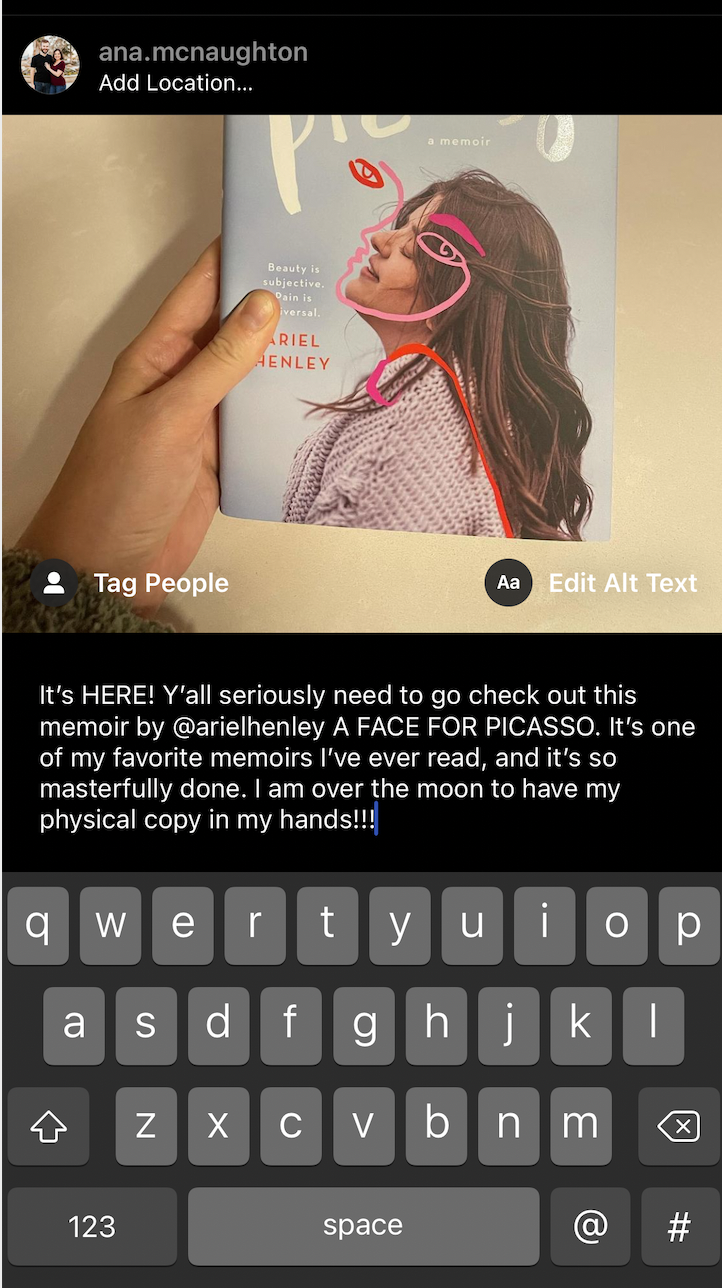
On Instagram, a caption serves as the textual companion to a photo, video, or Reel. Creators and brands are allotted up to 2,200 characters per post, providing ample space for detailed narratives, bulleted lists, strategic keyword placement, and emojis. Captions can also incorporate up to 30 hashtags to maximize discoverability.
However, a fundamental platform limitation remains: clickable hyperlinks cannot be embedded directly within organic post captions. Consequently, marketers must direct users to external landing pages through alternative pathways, such as the static link in their profile bio, while using the caption itself to build anticipation and drive intent.

Strategic Frameworks for Writing the Perfect Instagram Caption
Developing an effective caption requires a balance of creative storytelling and technical optimization. Whether drafting copy from scratch or adapting pre-approved templates, marketers should implement several foundational strategies to maximize engagement and conversion rates.
Starting Strong and Capturing Thumb-Stopping Attention
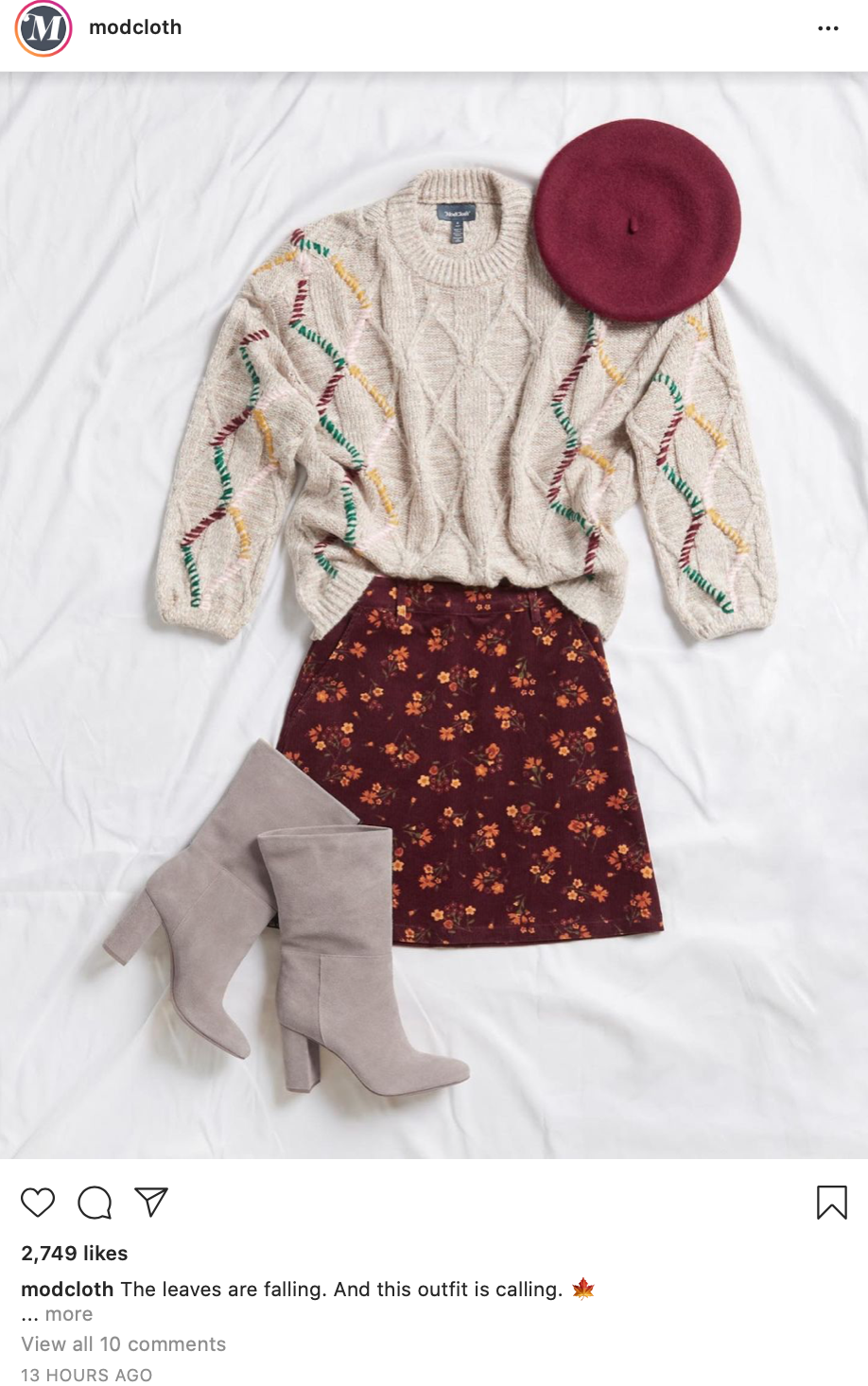
In an environment characterized by endless scrolling, the opening words of a caption carry the heaviest burden. Content creators must aim for "thumb-stopping" power by placing their primary value proposition immediately at the beginning of the text.
When the first two or three lines hook the reader, they are significantly more likely to click the "more" button to read the full text and ultimately follow through on the embedded call to action (CTA). For instance, positioning a relatable seasonal pain point or an intriguing question right at the top encourages users to pause their scroll and engage with the material.
Navigating Character Length and the Sweet Spot of Engagement
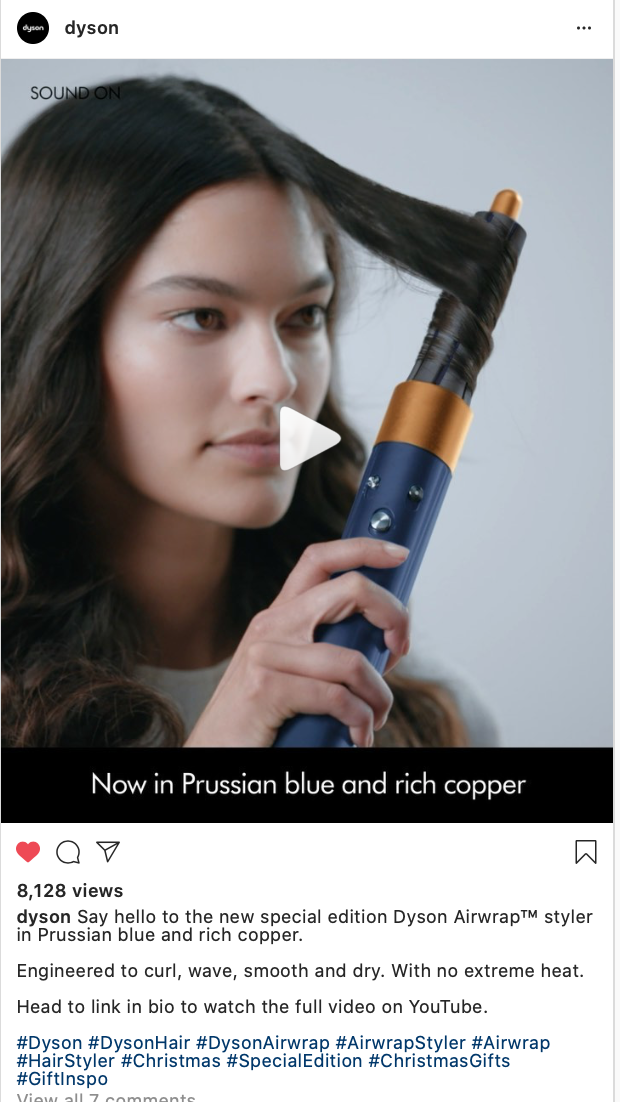
Marketers frequently debate the ideal length of a social media post. While short, punchy captions work exceptionally well for lifestyle imagery and quick updates, empirical data suggests that longer, context-driven copy can yield superior results.
Industry studies on social media engagement have consistently demonstrated that captions ranging between 400 and 705 characters—roughly equivalent to a short paragraph—frequently outperform extremely brief text snippets of 65 characters or less. Providing adequate context, sharing behind-the-scenes insights, or telling a brief brand story gives audiences a reason to linger on the post, signaling to the algorithm that the content commands attention.
Leveraging Pop Culture and Timely Cliches
Integrating recognizable cultural references, seasonal adages, or familiar idioms creates an immediate sense of shared experience between a brand and its audience. Whether referencing a beloved classic song or leaning into the aesthetic of a specific time of year, timely touchpoints make corporate messaging feel approachable and human.
When executed creatively, these references avoid feeling derivative and instead spark conversations in the comments section, positioning the brand as culturally aware and relatable.
Diversifying Hashtag Strategy for Maximum Reach
Hashtags continue to function as critical discovery engines on Instagram, bridging the gap between a brand and target audiences who do not yet follow the account. While the platform allows up to 30 hashtags per post, social media best practices advise against keyword stuffing, recommending a balanced approach of 5 to 15 targeted tags.
A robust hashtag strategy incorporates a healthy diversification of categories:
- Branded hashtags unique to the company or campaign
- Seasonal or holiday-specific tags tied to current events
- Interest-based tags relevant to the niche or industry
- Location-based tags for brick-and-mortar businesses or local events
By varying these tags across different posts, brands can expand their footprint across multiple algorithmic feeds and maximize organic visibility.

Optimizing for Engagement and Action-Oriented CTAs
Because organic feed posts do not support clickable links, driving engagement is the primary bridge to off-platform conversion. High engagement rates—measured through likes, saves, shares, and comments—signal algorithmic authority, which in turn pushes the content into wider visibility loops.
Marketers can stimulate engagement through several proven tactics:

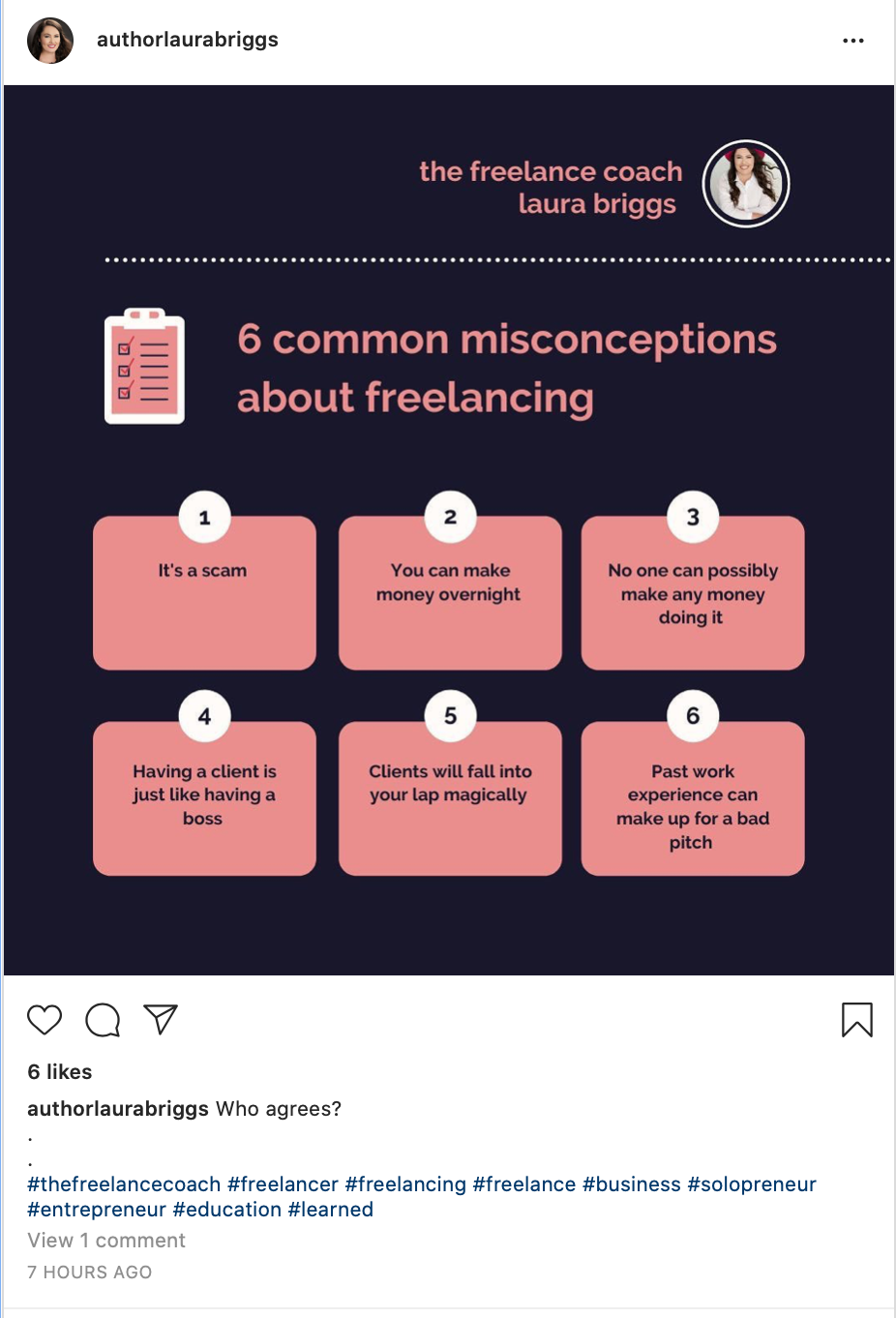
- Direct Questioning: Asking simple, low-friction questions like "Who agrees?" invites immediate participation from passive viewers.
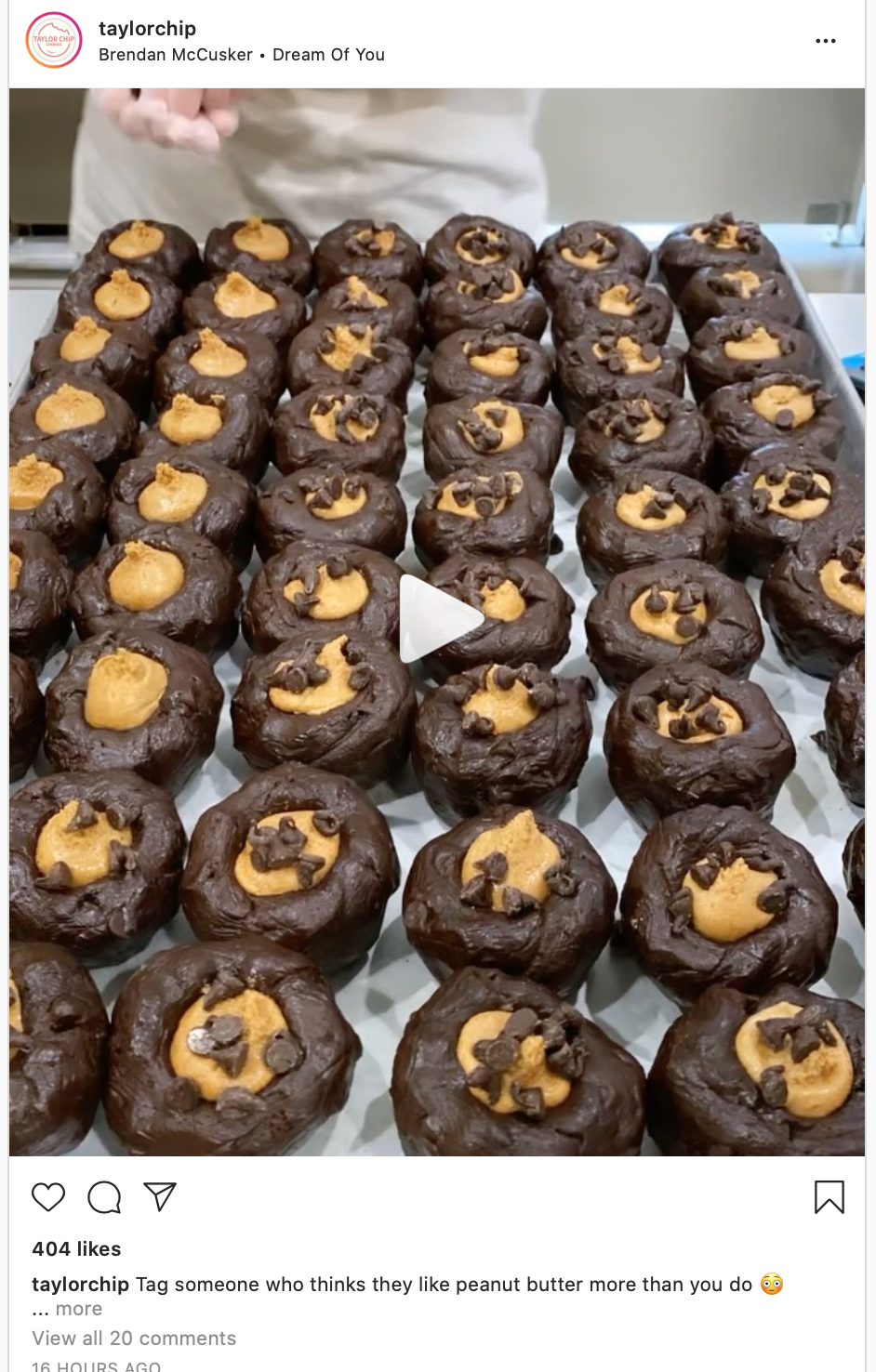
- Tag-a-Friend Prompts: Encouraging users to tag peers in the comments section introduces the content to new networks organically, though this tactic should be used sparingly to prevent audience fatigue.
- Clear and Monetizable CTAs: When the goal extends beyond vanity metrics to appointment bookings, event registrations, or product purchases, the CTA must clearly articulate the value proposition, outline the exact next steps, and direct users seamlessly to the bio link.
Technical Best Practices: Formatting, Editing, and Typography
Beyond the copywriting itself, the visual presentation of text on a mobile screen significantly impacts readability.
Formatting for Readability Through Spacing
Wall-to-wall text blocks cause readers to click away instantly. Utilizing line breaks, emojis as bullet points, and strategic whitespace gives captions a clean, professional aesthetic. A recommended structural template involves placing a bold hook in the first line, leaving a blank space for elaboration in the body, and separating hashtags at the very bottom.
Seamlessly Editing Published Content
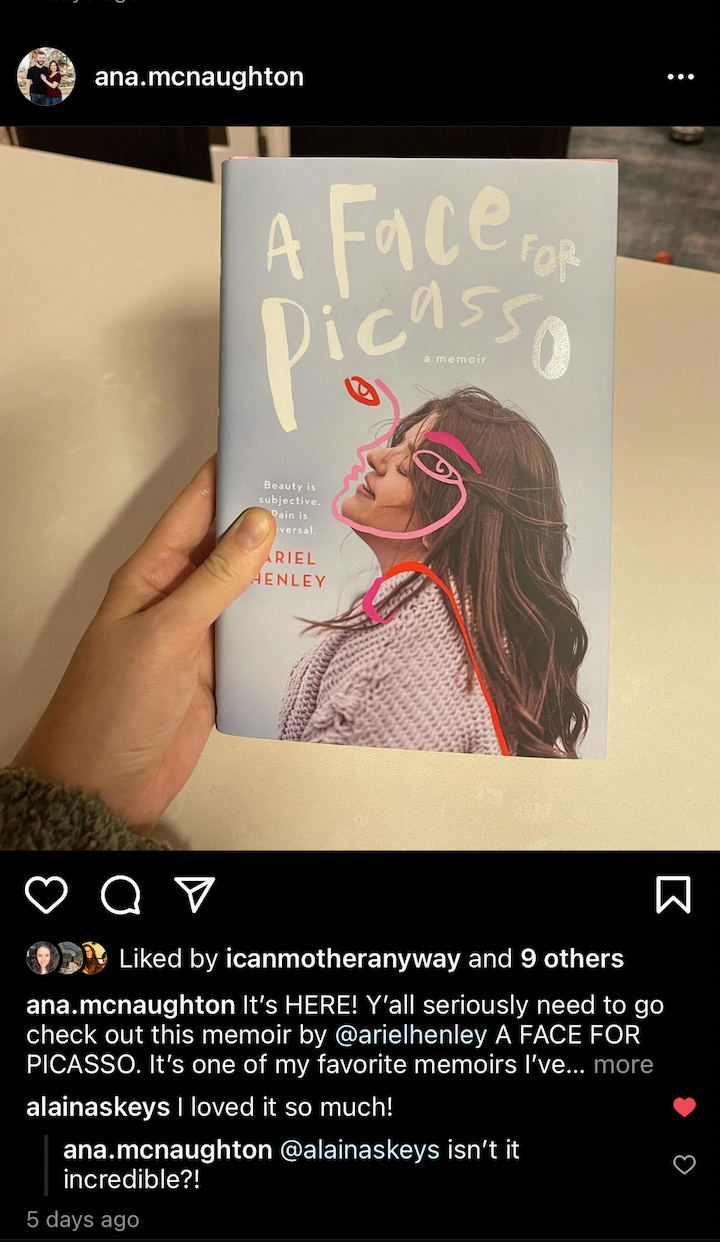
Mistakes happen, but Instagram makes post-correction straightforward. Creators can navigate to the published post, tap the three-dot menu icon in the top right corner, select the "Edit" option, and update the text instantaneously.
Customizing Typography for Visual Distinction
To make specific phrases or headings stand out within a crowded feed, many brands utilize third-party Unicode text generators (such as IGFonts.io). These web-based tools allow marketers to convert standard keyboard characters into stylized fonts, bolding, or italics, which can then be copied and pasted directly into the Instagram caption editor.
Implications and Future Outlook for Brand Marketing
As social media algorithms grow increasingly sophisticated, the emphasis on quality copywriting within visual platforms will only intensify. Brands that treat captions as an afterthought risk missing out on valuable opportunities for community building and consumer trust. By combining compelling narratives, strategic hashtag diversification, and clear, action-oriented messaging, organizations can elevate their social media presence, turn casual scrollers into loyal brand ambassadors, and achieve measurable returns on their digital marketing investments.