

Why The Chinese Internet Is Cheering Russias Invasion
Why the chinese internet is cheering russias invasion – Why The Chinese Internet Is Cheering Russia’s Invasion sets the stage for this enthralling narrative, offering readers a glimpse into a story that is rich in detail and brimming with originality from the outset. The conflict in Ukraine has sparked a complex and multifaceted reaction in China, with many citizens expressing support for Russia’s actions.
This support is not simply a reflection of blind allegiance but rather a result of a confluence of historical, political, and economic factors that have shaped Chinese public opinion.
From the historical ties that bind China and Russia to the perceived threat posed by the West, this article explores the diverse motivations behind the Chinese internet’s seemingly pro-Russian sentiment. We’ll delve into the intricacies of Chinese domestic politics, the role of nationalism, and the influence of government propaganda in shaping public discourse.
Additionally, we’ll examine the economic implications of the conflict for China, exploring the potential benefits and risks of aligning with Russia. Ultimately, this exploration aims to shed light on the complex dynamics that are driving Chinese public opinion and its impact on the global landscape.
Social Media and Public Discourse
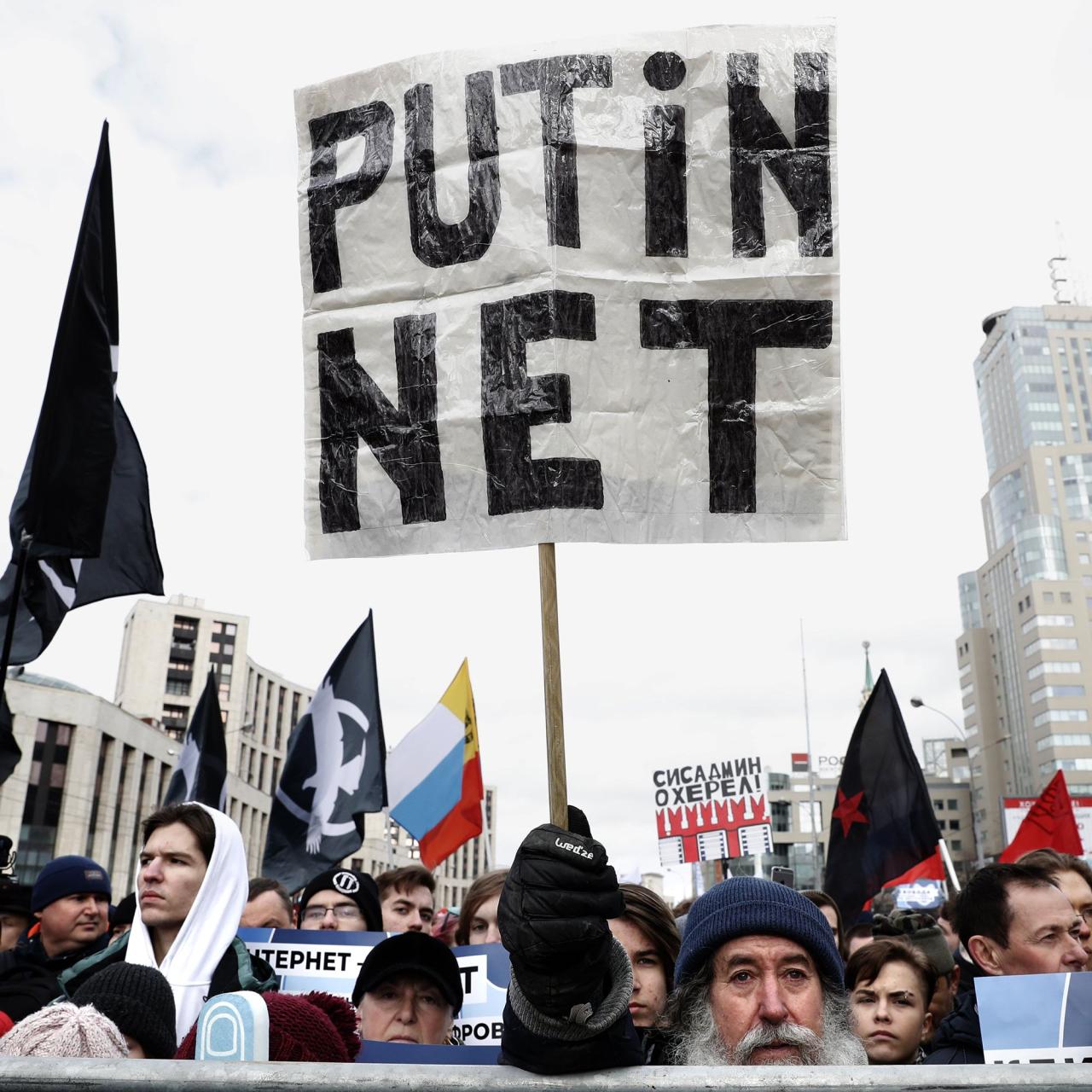
The Chinese internet, with its vast user base and powerful social media platforms, has become a significant arena for shaping public opinion and disseminating information regarding the conflict in Ukraine. This section delves into the content and tone of online discussions in China, identifying key influencers and opinion leaders, and examining how online platforms contribute to shaping public discourse.
It’s a strange world we live in, where some on the Chinese internet are celebrating Russia’s invasion of Ukraine. It’s a reminder that the internet, despite its potential for good, can also be a breeding ground for misinformation and dangerous ideologies.
And speaking of dangerous ideologies, the recent warning from researchers about ai drug discovery systems being repurposed to make chemical weapons is chilling. It seems like the internet is becoming a battleground for the future, and it’s hard to say who will win.
Content and Tone of Online Discussions, Why the chinese internet is cheering russias invasion
Online discussions in China regarding the conflict in Ukraine have been characterized by a complex mix of viewpoints and perspectives. While there is a general tendency to support Russia’s actions, the level of support and the reasons behind it vary significantly.
The Chinese internet’s cheerleading for Russia’s invasion, while unsettling to many, highlights a complex geopolitical landscape. It’s fueled by a mixture of anti-American sentiment, a desire to see the West weakened, and a sense of solidarity with Russia as a fellow authoritarian power.
This aggression, however, is prompting serious calls to rethink U.S. uranium imports, raising concerns about reliance on potentially hostile actors , and further complicating the global energy picture. Ultimately, this situation underscores the interconnectedness of international relations and the need for careful consideration of long-term strategic implications.
- Some users express strong support for Russia, often echoing the official narrative of the conflict as a necessary defense against NATO expansion. They frequently cite historical grievances and perceived Western aggression as justification for Russia’s actions.
- Others express more nuanced views, acknowledging the complexities of the situation and expressing concerns about the potential for escalation and wider conflict. They often criticize the West for its perceived hypocrisy and double standards.
- A smaller segment of users voices dissent, questioning the official narrative and expressing concern about the humanitarian consequences of the conflict. These voices are often marginalized and face censorship on Chinese social media platforms.
Key Influencers and Opinion Leaders
Several key influencers and opinion leaders have emerged on Chinese social media platforms, shaping the public discourse surrounding the conflict. These individuals, often with large followings and established reputations, wield considerable influence in shaping public perception.
The Chinese internet’s cheerleading for Russia’s invasion is a complex phenomenon driven by a mix of factors, including a shared sense of anti-American sentiment and a desire to see the West weakened. However, it’s worth noting that the invasion has also exposed the dangers of Putin’s own propaganda machine, which has fueled a false narrative about the war’s purpose and justification.
The reality is that Putin has become a victim of his own lies, as his war has failed to achieve its objectives and has instead resulted in significant economic and political isolation for Russia. How Putin became the victim of his own lies sheds light on this critical aspect of the conflict.
Ultimately, the Chinese internet’s support for Russia may be based on a flawed understanding of the situation, fueled by the same misinformation that has led Putin down a dangerous path.
- Some influencers are affiliated with state media outlets or government-backed think tanks, promoting the official narrative and emphasizing Russia’s legitimacy in the conflict.
- Others are independent commentators or bloggers who have gained popularity through their critical analysis of international affairs and their willingness to challenge conventional wisdom.
- The rise of these influential figures highlights the growing importance of social media in shaping public opinion in China.
Role of Online Platforms in Shaping Public Opinion
Chinese social media platforms play a crucial role in shaping public opinion and disseminating information about the conflict. The platforms’ algorithms, content moderation policies, and the influence of key influencers contribute to the formation of a particular narrative.
- Algorithms often prioritize content that aligns with the official narrative, while suppressing dissenting voices. This can create echo chambers and limit the exposure of alternative perspectives.
- Content moderation policies can further restrict the dissemination of information deemed critical of the government or its policies, including those related to the conflict in Ukraine.
- The influence of key influencers can further amplify the official narrative and shape public perception, particularly among younger audiences who rely heavily on social media for information.
Divergent Views and Critical Voices
While a significant portion of the Chinese internet appears to support Russia’s actions in Ukraine, it’s important to acknowledge that not all voices are in unison. There are dissenting opinions and critical perspectives within China, albeit often expressed cautiously due to the potential risks involved.
Challenges and Risks of Expressing Opposing Viewpoints
Expressing dissent against the government’s official stance on international affairs can be a risky proposition in China. The Chinese government tightly controls information flow and actively suppresses dissenting voices, especially on sensitive topics like foreign policy.
- Individuals who openly criticize the government’s position on the Ukraine conflict risk facing censorship, online account suspension, or even legal repercussions. This chilling effect discourages many from expressing their true views, leading to a self-censorship phenomenon.
- The Chinese government employs a sophisticated system of online surveillance and censorship, known as the Great Firewall, to monitor and control information disseminated on the internet. This system filters out content deemed politically sensitive, including criticism of the government’s policies.
- Individuals who engage in online discussions about the Ukraine conflict may be targeted by pro-government trolls or online harassment campaigns aimed at silencing dissenting voices. This creates a hostile environment for those who wish to express alternative perspectives.
Government Management of Dissent and Information Control
The Chinese government utilizes various methods to manage dissent and control information flow related to the Ukraine conflict. These strategies include:
- Censorship:The Great Firewall blocks access to foreign news websites and social media platforms that present critical perspectives on the conflict. This limits the exposure of Chinese citizens to alternative narratives and information.
- Propaganda:State-controlled media outlets disseminate pro-Russian narratives and promote the government’s official line on the conflict. This often involves portraying Russia as a victim of Western aggression and downplaying the severity of Russia’s actions in Ukraine.
- Online Surveillance:The government employs sophisticated surveillance technologies to monitor online activity and identify individuals expressing dissenting views. This allows them to target individuals for censorship, harassment, or even legal action.
Examples of Dissenting Voices
Despite the risks, some individuals within China have expressed dissenting views on the Ukraine conflict. These voices often emerge on social media platforms or through private discussions.
- Some individuals have expressed concerns about the potential economic consequences of China’s alignment with Russia, highlighting the risks of sanctions and disruptions to global trade.
- Others have criticized the government’s narrative on the conflict, arguing that it fails to acknowledge the human cost of the war and the suffering of Ukrainian civilians.
- A small but growing number of Chinese citizens have expressed support for Ukraine and its people, sharing information about the war and condemning Russia’s actions.
Ultimate Conclusion: Why The Chinese Internet Is Cheering Russias Invasion
The Chinese internet’s reaction to Russia’s invasion of Ukraine offers a compelling window into the evolving relationship between China and the West. While the Chinese government maintains a neutral stance, public opinion leans towards supporting Russia, driven by a complex mix of historical narratives, economic interests, and perceptions of the West.
This phenomenon highlights the importance of understanding the intricate interplay of factors that shape public opinion in China, especially in the context of international events. As the conflict unfolds, it remains to be seen how China’s stance will evolve and what implications it will have for the future of global politics and the Asia-Pacific region.