Council Post: Social Media Content Overload: What It Is and How to Deal With It
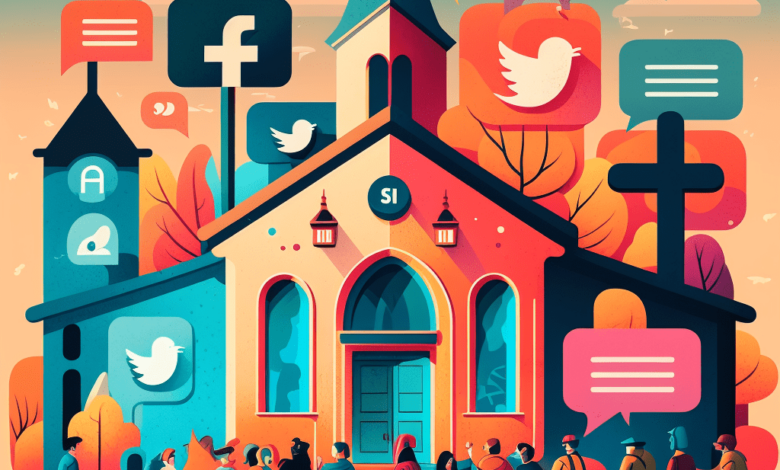
Council post social media content overload what it is and how to deal with it – Have you ever felt like you’re drowning in a sea of social media content? It’s a common feeling in today’s digital age, where we’re bombarded with endless streams of information from every direction. This constant influx of content can lead to a phenomenon known as social media content overload, leaving us feeling overwhelmed, stressed, and even burnt out.
This post explores the root causes of content overload, its negative effects, and practical strategies for managing it.
The sheer volume of content we’re exposed to daily is staggering. From news articles and blog posts to videos and social media updates, there’s always something new to consume. This is partly due to the explosion of content creation, driven by social media platforms, influencers, and businesses vying for our attention.
Algorithm changes also play a role, personalizing our feeds and keeping us engaged for longer periods. Add to this the ever-evolving nature of user behavior, with people constantly seeking new and engaging content, and it’s no surprise that content overload has become a widespread concern.
What is Social Media Content Overload?
Social media has become an integral part of our lives, providing us with a constant stream of information, entertainment, and connection. However, this constant influx of content can quickly become overwhelming, leading to a phenomenon known as social media content overload.Social media content overload refers to the excessive amount of information and stimuli users encounter on various social media platforms.
This overload can stem from a multitude of factors, including the increasing volume of content being created, evolving algorithms that prioritize engagement, and user behaviors that contribute to the consumption of more content.
Factors Contributing to Social Media Content Overload
The constant barrage of content we face on social media is a result of several factors that contribute to this phenomenon.
- Increased Content Creation:With billions of users actively creating and sharing content, the sheer volume of information available on social media platforms has exploded. This constant influx of new posts, articles, videos, and stories makes it challenging to keep up and filter through the noise.
- Algorithm Changes:Social media platforms constantly refine their algorithms to prioritize engagement and keep users hooked. These algorithms often favor content that elicits strong emotions or generates high interaction, leading to a constant stream of attention-grabbing content that can be overwhelming.
- User Behavior:User behavior also plays a significant role in content overload. The constant scrolling and consumption of content, often driven by the desire for instant gratification or social validation, creates a cycle of overconsumption and information overload.
Negative Impact of Social Media Content Overload on Users
The constant exposure to a vast amount of information can have detrimental effects on users, leading to various negative consequences.
- Information Fatigue:As users are bombarded with an overwhelming amount of content, they may experience information fatigue, characterized by a decreased ability to process and retain information. This can lead to feelings of frustration, apathy, and a diminished capacity to make informed decisions.
- Decision Paralysis:The sheer volume of options and choices presented on social media can lead to decision paralysis, where users feel overwhelmed by the abundance of possibilities and struggle to make even simple choices. This can manifest in procrastination, indecisiveness, and a sense of being overwhelmed by the sheer volume of information.
- Decreased Engagement:As users become overwhelmed by the constant influx of content, they may experience decreased engagement with social media. This can lead to feelings of disconnection, apathy, and a decline in the overall enjoyment and value derived from these platforms.
Signs of Social Media Content Overload
Feeling overwhelmed by the constant stream of information on social media is a common experience in today’s digital age. Social media content overload can manifest in various ways, affecting our mental well-being and impacting our overall productivity.
Common Signs of Social Media Content Overload
Recognizing the signs of content overload is crucial for taking steps to manage its negative effects. Here are some common indicators:
- Feeling Overwhelmed:A constant sense of being bombarded with information, struggling to keep up with the latest trends, news, and updates.
- Endless Scrolling:Finding yourself scrolling through social media feeds for hours, even when you don’t have a specific purpose or goal in mind.
- Experiencing Anxiety:Feeling anxious or stressed when you’re not on social media or when you see others posting about their lives.
- Neglecting Other Activities:Prioritizing social media over other important activities, such as work, hobbies, or spending time with loved ones.
- FOMO (Fear of Missing Out):Constantly feeling like you’re missing out on something important or exciting happening on social media.
Examples of Reactions to Content Overload
Individuals react to content overload in different ways, depending on their personality and coping mechanisms. Here are some common responses:
- Unfollowing Accounts:Removing accounts from your social media feeds that contribute to feelings of overwhelm or negativity.
- Limiting Social Media Use:Setting time limits for social media use, taking breaks from platforms, or even deleting apps temporarily.
- Feeling Frustrated:Experiencing frustration or anger when you can’t keep up with the constant flow of information, or when you feel like you’re being bombarded with irrelevant content.
Potential Consequences of Ignoring Content Overload
Ignoring the signs of content overload can lead to several negative consequences, impacting your mental health and overall well-being.
- Burnout:Feeling emotionally and mentally drained from the constant stimulation and pressure to keep up with social media.
- Missed Opportunities:Focusing too much on social media can lead to missed opportunities in real life, such as career advancements or social connections.
- Decreased Well-being:Content overload can contribute to feelings of loneliness, isolation, and dissatisfaction with your own life.
Strategies for Managing Content Overload

Social media content overload is a real challenge, but with the right strategies, you can reclaim your time and attention. By implementing effective strategies, you can navigate the digital landscape with greater control and focus.
Curate Your Feed
Curating your feed involves actively selecting the content you want to see and engaging with it. By consciously choosing what you consume, you can ensure that your feed is filled with valuable and relevant information.
- Unfollow accounts:This is a simple yet effective way to reduce the noise. Unfollow accounts that post irrelevant content or overwhelm you with notifications.
- Follow accounts that inspire and inform:Focus on accounts that align with your interests and provide valuable insights.
- Use social media lists:Organize your feed by creating lists of accounts that share similar content. This helps you stay focused on specific topics.
Set Time Limits
Setting time limits for social media usage is crucial for maintaining a healthy balance. By limiting your time spent scrolling, you can prevent content overload and reclaim valuable hours for other activities.
- Use time-tracking apps:Apps like Freedom and Stay Focused can help you track your social media usage and set time limits.
- Schedule specific times for social media:Instead of constantly checking your feed, schedule specific times for browsing.
- Set a timer:Use a timer to limit your social media sessions. Once the timer goes off, log off and engage in other activities.
Prioritize Content
Prioritizing content allows you to focus on the most valuable information and avoid getting bogged down by irrelevant content.
It’s easy to feel overwhelmed by the constant stream of social media content, especially when it comes to council posts. The key is to find a balance between staying informed and avoiding burnout. One way to take a break is to dive into a good book, and if your kids are done with the bad guys, you might find some great suggestions in this article about books to read when your kids are done with the bad guys.
Then, once you’re refreshed, you can return to the world of council posts with a renewed perspective.
- Identify your goals:Determine what you hope to achieve through social media consumption. Are you seeking information, inspiration, or entertainment?
- Follow content creators who align with your goals:Focus on accounts that provide content relevant to your interests and goals.
- Save content for later:If you come across interesting content that you don’t have time to read or watch immediately, save it for later using tools like Pocket or Instapaper.
Utilize Social Media Scheduling Tools
Social media scheduling tools can significantly reduce the time you spend on social media platforms. They allow you to automate content posting, freeing up your time for other tasks.
It’s easy to get overwhelmed by the constant stream of information on social media, especially when it comes to Council Post content. Sometimes, it feels like everyone’s trying to sell you something. But, just like the debate around wealth taxes on the super rich, there are complex reasons why these ideas haven’t fully materialized.
The key is to be selective about what you consume and focus on the content that genuinely interests you, just like you might pick and choose your political battles. This way, you can avoid the overload and find real value in the sea of information.
- Schedule posts in advance:Instead of constantly posting throughout the day, schedule your posts in advance using tools like Hootsuite, Buffer, or SproutSocial.
- Monitor your social media activity:Scheduling tools provide analytics and insights that help you track your performance and make informed decisions.
- Automate repetitive tasks:Tools can automate tasks like scheduling tweets, sharing content on multiple platforms, and responding to comments.
Create a Personalized Content Consumption Strategy
Developing a personalized content consumption strategy is crucial for managing content overload. By identifying valuable sources and setting content goals, you can ensure that your social media usage is aligned with your priorities.
- Identify your valuable sources:Determine which accounts and platforms provide the most valuable content for you.
- Set content goals:What do you want to achieve through social media consumption? Are you looking to learn new skills, stay updated on current events, or connect with others?
- Create a content calendar:Plan your content consumption by scheduling specific times for engaging with different platforms and topics.
Creating High-Quality Content in a Crowded Landscape
The digital landscape is brimming with content, making it a challenge to stand out and capture attention. Creating engaging content that resonates with your audience requires a strategic approach that goes beyond simply throwing content into the digital ether.
Understanding Your Target Audience
The first step in crafting high-quality content is understanding your target audience. Who are you trying to reach? What are their interests, needs, and pain points? By gaining a deep understanding of your audience, you can tailor your content to resonate with their specific needs and preferences.
This includes understanding their demographics, psychographics, and online behavior.
Focusing on Value, Council post social media content overload what it is and how to deal with it
High-quality content provides value to your audience. This means offering something that is informative, entertaining, or helpful. It could be a solution to a problem, an insightful perspective, or a captivating story. Think about what your audience is searching for and provide content that meets those needs.
For example, if you are a marketing agency, your content could focus on providing practical tips for small businesses to improve their online presence.
Prioritizing Originality
In a sea of content, originality is key. While it’s important to stay informed about industry trends, it’s equally important to offer your unique perspective and voice. Don’t be afraid to experiment with different formats, styles, and approaches.
This could involve sharing behind-the-scenes insights, conducting original research, or offering a fresh take on a familiar topic.
Embracing Storytelling
Storytelling is a powerful tool for engaging your audience. Humans are naturally drawn to stories, and they can help connect with your content on an emotional level. When crafting content, think about how you can weave a narrative that captures attention and leaves a lasting impression.
For example, instead of simply listing the benefits of a product, tell a story about how it helped a customer solve a problem.
Utilizing Visuals
Visuals play a crucial role in capturing attention in a crowded digital landscape. High-quality images, videos, and infographics can enhance the overall appeal of your content and make it more engaging. They can also help to break up text and make your content easier to digest.
It’s easy to get overwhelmed by the constant stream of social media content, especially when it comes to education technology. The sheer volume of information can make it difficult to discern what’s truly valuable and what’s just noise. To help you navigate this digital landscape, I recommend checking out 7 facts about the state of edtech in schools , which provides a concise overview of current trends and challenges.
This will help you filter out the unnecessary clutter and focus on the edtech content that matters most.
Remember to use visuals that are relevant to your content and enhance its message.
Optimizing for Search
While the focus should be on creating valuable and engaging content, it’s also important to optimize your content for search engines. This means using relevant s, optimizing your titles and descriptions, and ensuring your content is easily discoverable. By making your content searchable, you can increase its visibility and reach a wider audience.
Promoting Your Content
Once you’ve created high-quality content, it’s essential to promote it to your target audience. This could involve sharing it on social media, using email marketing, or reaching out to relevant influencers. The goal is to get your content in front of the right people and drive engagement.
Engaging with Content in a Meaningful Way
In the vast ocean of online content, it’s easy to become a passive consumer, mindlessly scrolling through feeds and absorbing information without actively engaging. However, actively engaging with content offers numerous benefits, transforming you from a mere observer into a participant in the digital conversation.
Benefits of Active Engagement
Active engagement with content goes beyond simply liking or sharing posts. It involves actively participating in the conversation, offering your thoughts, and contributing to the discourse. This can take many forms, from commenting on articles to joining online discussions, and participating in social media groups.
- Deeper Understanding:Active engagement forces you to think critically about the content you consume. By asking questions, offering insights, and participating in discussions, you gain a deeper understanding of the subject matter.
- Enhanced Learning:Active engagement with content can be a powerful learning tool. By interacting with others, you expose yourself to different perspectives, gain new insights, and expand your knowledge base.
- Building Relationships:Engaging with content can foster connections with like-minded individuals. By participating in discussions, you can connect with others who share your interests, build relationships, and create a sense of community.
- Influence and Impact:By actively engaging with content, you can contribute to the conversation and potentially influence others. Your comments, insights, and perspectives can spark discussions, shape opinions, and even inspire action.
Prioritizing Quality over Quantity
While active engagement is valuable, it’s essential to prioritize quality over quantity. A few thoughtful comments or insightful questions are more impactful than a barrage of generic responses.
- Meaningful Contributions:Instead of simply reacting with emojis or generic comments, take the time to craft thoughtful responses that add value to the conversation.
- Constructive Feedback:When engaging with content, offer constructive feedback that is helpful and insightful. Avoid negativity or personal attacks, and focus on providing value to the author and other readers.
- Targeted Engagement:Choose content that aligns with your interests and expertise. By focusing your engagement on topics you care about, you’ll be more likely to contribute meaningfully and make a lasting impact.
Examples of Meaningful Engagement
Engaging with content in a meaningful way involves going beyond simple likes and shares. Here are some examples:
- Asking Thoughtful Questions:Instead of simply agreeing or disagreeing with a post, ask a thoughtful question that encourages further discussion. For example, you could ask for clarification on a specific point, explore different perspectives, or challenge the author’s assumptions.
- Offering Constructive Feedback:Provide specific and actionable feedback that helps the author improve their content. For example, you could suggest additional resources, point out areas for improvement, or offer alternative perspectives.
- Sharing Relevant Insights:If you have relevant experience or knowledge to share, contribute your insights to the discussion. This can help others understand the topic better and provide valuable context.
- Participating in Discussions:Join online forums, comment sections, and social media groups to engage in discussions with other users. This allows you to learn from others, share your perspectives, and contribute to the conversation.
The Future of Social Media Content
The digital landscape is constantly evolving, and social media is no exception. Emerging technologies, shifting user behaviors, and the ever-present issue of content overload are shaping the future of how we create, consume, and interact with content online. Understanding these trends is crucial for individuals and businesses alike, as they navigate the complexities of a rapidly changing digital world.
The Impact of Emerging Technologies
The advent of artificial intelligence (AI) is poised to have a profound impact on social media content. AI-powered tools can automate content creation, personalize feeds, and even generate entirely new forms of content.
- AI-generated content: AI algorithms can analyze vast amounts of data to create text, images, and even videos. This could lead to a surge in the volume of content, potentially exacerbating content overload. However, AI can also be used to personalize content, making it more relevant and engaging for users.
- Personalized feeds: AI algorithms can tailor content feeds to individual users’ preferences, interests, and behaviors. This can enhance user experience by presenting relevant content, but it can also create echo chambers and filter bubbles, limiting exposure to diverse perspectives.
While these technologies hold immense potential, they also raise concerns about authenticity, bias, and the potential for misinformation. It’s crucial to ensure that AI-powered tools are used responsibly and ethically.
The Role of Social Media Platforms
Social media platforms are increasingly recognizing the need to address content overload. They are implementing various strategies to help users manage the overwhelming volume of information and promote responsible content consumption.
- Content filters: Platforms are introducing tools that allow users to filter content based on their preferences, such as specific topics, s, or sources. This empowers users to curate their own feeds and focus on content that matters to them.
- Promoting responsible consumption: Platforms are encouraging users to be mindful of their content consumption habits, taking breaks, and engaging with content critically. They are also promoting educational resources on media literacy and critical thinking skills.
These initiatives are steps in the right direction, but more needs to be done to ensure that social media platforms are not just spaces for information overload but also spaces for meaningful engagement and informed decision-making.
The Evolving Relationship Between Users and Content
The digital age has fundamentally changed the way users interact with content. The rise of social media has led to a more participatory and interactive environment, where users are both consumers and creators of content.
- User-generated content: Social media platforms have empowered users to share their experiences, opinions, and perspectives. This has led to a proliferation of user-generated content, which often carries a higher level of authenticity and relevance than traditional media.
- Interactive content: Platforms are increasingly incorporating interactive elements into their content, such as polls, quizzes, and live streams. This encourages users to actively engage with content and share their thoughts and opinions.
The future of social media content lies in finding a balance between information overload and meaningful engagement. Platforms, users, and content creators must work together to create a digital environment that fosters critical thinking, informed decision-making, and authentic connections.
Last Point: Council Post Social Media Content Overload What It Is And How To Deal With It
Navigating the digital landscape requires a mindful approach. While social media can be a valuable tool for connection and information, it’s crucial to manage our consumption habits. By taking proactive steps to curate our feeds, set time limits, and prioritize content, we can regain control over our online experience.
Remember, the goal is not to eliminate social media entirely, but to find a healthy balance that allows us to enjoy its benefits without succumbing to the overwhelming pressures of content overload. Let’s reclaim our digital well-being and embrace a more intentional and fulfilling online journey.