Trump Allies Question US Support for Ukraine
Who cares trump allies question u s support for ukraine – Who cares Trump allies question U.S. support for Ukraine? It’s a question that has been swirling in the political atmosphere for months, as the conflict in Ukraine continues to unfold. The debate surrounding US involvement in the war is increasingly heated, with Trump allies voicing their concerns about the costs and effectiveness of American aid.
This begs the question: is the US sending too much support to Ukraine, or is it crucial for the stability of the region and the global order?
The concerns raised by Trump allies are multifaceted, stemming from a complex mix of political, economic, and ideological motivations. They argue that the US is pouring resources into a conflict that may be unwinnable, potentially jeopardizing American interests and draining the national treasury.
Meanwhile, supporters of continued US support point to the strategic importance of Ukraine in countering Russian aggression and the humanitarian crisis unfolding in the country.
Trump Allies’ Concerns about US Support for Ukraine
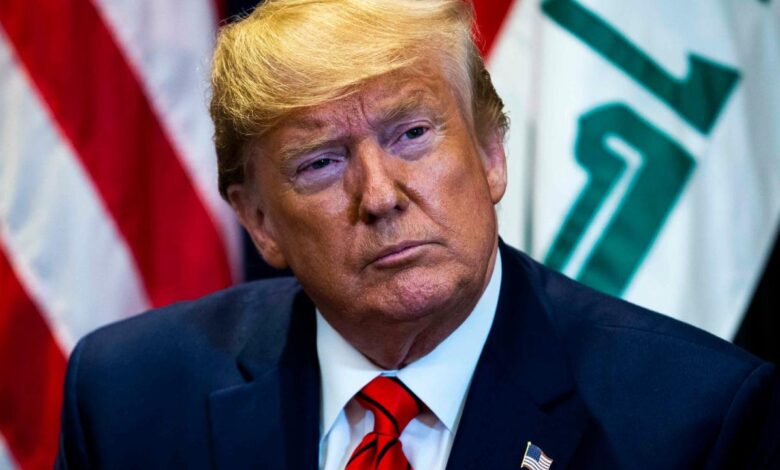
The ongoing conflict in Ukraine has ignited a fierce debate within the United States, with some expressing staunch support for the Ukrainian government and others voicing skepticism about the extent of US involvement. Among those expressing concerns are allies of former President Donald Trump, who have consistently raised questions about the wisdom and effectiveness of US military and financial aid to Ukraine.
Trump Allies’ Statements and Actions
Trump allies have voiced concerns about the US support for Ukraine, citing a range of factors including the potential for escalation, the cost of military aid, and the perceived lack of transparency in the Ukrainian government.
The question of “who cares” about US support for Ukraine, posed by some Trump allies, feels increasingly irrelevant as the conflict escalates. Putin’s nuclear threats, explored in this recent analysis , have shifted the global landscape, turning the unthinkable into a chilling possibility.
In this context, the debate about US involvement becomes less about political posturing and more about the very survival of a democratic world order.
- One of the most vocal critics of US involvement in Ukraine has been former President Trump himself. In 2019, he famously pressured Ukrainian President Volodymyr Zelensky to investigate then-presidential candidate Joe Biden and his son, Hunter, during a phone call that later led to Trump’s first impeachment.
- Trump’s former National Security Advisor, John Bolton, has also expressed reservations about US support for Ukraine, arguing that the Biden administration’s approach has been too focused on providing military aid and not enough on diplomatic efforts to resolve the conflict.
- Republican Senator Rand Paul has been a consistent critic of US military aid to Ukraine, arguing that it is unsustainable and could lead to a wider war with Russia.
Historical Context of Trump’s Relationship with Ukraine
Trump’s relationship with Ukraine has been marked by controversy since the beginning of his presidency. In 2016, Trump’s campaign manager Paul Manafort was accused of colluding with Russia to influence the US election, and there were reports that Manafort had ties to pro-Russian Ukrainian politicians.
Trump himself has repeatedly downplayed the threat posed by Russia and has been criticized for his cozy relationship with Russian President Vladimir Putin.
- Trump’s skepticism towards Ukraine stems in part from his belief that the country is corrupt and unreliable. He has repeatedly accused Ukraine of being a “swamp” and has questioned the legitimacy of the Ukrainian government.
- Trump’s decision to withhold military aid to Ukraine in 2019 was seen by many as an attempt to pressure Zelensky into investigating Biden. This move further eroded trust in Trump’s commitment to supporting Ukraine and fueled accusations that he was acting in his own self-interest.
Motivations Behind Trump Allies’ Concerns
The concerns expressed by Trump allies about US support for Ukraine can be attributed to a range of factors, including political, economic, and ideological considerations.
- Political Factors: Some Trump allies may be motivated by a desire to undermine the Biden administration, which they view as being too interventionist in foreign policy. By raising concerns about the cost and effectiveness of US involvement in Ukraine, they can weaken Biden’s political standing and create a narrative that the administration is overstepping its bounds.
- Economic Factors: Some Trump allies may be concerned about the financial cost of US military and financial aid to Ukraine. They may argue that this money could be better spent on domestic priorities or on other foreign policy initiatives. Additionally, some may be concerned about the impact of the conflict on the global economy, particularly on energy prices.
- Ideological Factors: Some Trump allies may be skeptical of US involvement in Ukraine on ideological grounds. They may believe that the US should not be involved in foreign conflicts that do not directly threaten its national security. They may also be wary of the expansion of NATO, which they see as a provocation to Russia.
US Support for Ukraine
The United States has been a steadfast supporter of Ukraine since the beginning of the Russian invasion in February 2022. This support is driven by a combination of strategic and humanitarian considerations, reflecting the deep-rooted commitment of the US to the principles of democracy, international law, and human rights.
Rationale for US Support
The US support for Ukraine is motivated by a range of strategic and humanitarian considerations. From a strategic perspective, Ukraine’s stability and security are vital for the broader security architecture of Europe and the transatlantic community. Russia’s aggression against Ukraine is seen as a direct threat to the existing international order, undermining the principles of sovereignty and territorial integrity.
Moreover, a Russian victory in Ukraine would embolden Moscow to pursue further expansionist ambitions, potentially destabilizing the entire region. From a humanitarian perspective, the US is deeply concerned by the suffering of the Ukrainian people, who have endured unimaginable hardship due to the war.
The US has a moral obligation to provide humanitarian assistance and support to those in need, particularly in light of the widespread displacement, destruction, and human rights abuses inflicted by the Russian military.
Objectives of US Policy in Ukraine
The US policy towards Ukraine aims to achieve several key objectives, including:* Promoting Democracy and Good Governance:The US seeks to support Ukraine’s democratic institutions and promote good governance, helping to build a strong and resilient society. This involves providing assistance to strengthen civil society, support free and fair elections, and promote transparency and accountability in government.
Countering Russian Aggression
The US is committed to deterring further Russian aggression and supporting Ukraine’s defense capabilities. This includes providing military aid, imposing sanctions on Russia, and coordinating with international partners to isolate Russia diplomatically.
Ensuring Regional Stability
The US aims to maintain stability in the region by deterring Russian expansionism and preventing the escalation of the conflict. This involves strengthening NATO’s eastern flank, providing security assurances to Ukraine’s neighbors, and promoting dialogue and diplomacy to resolve the conflict peacefully.
Forms of US Support
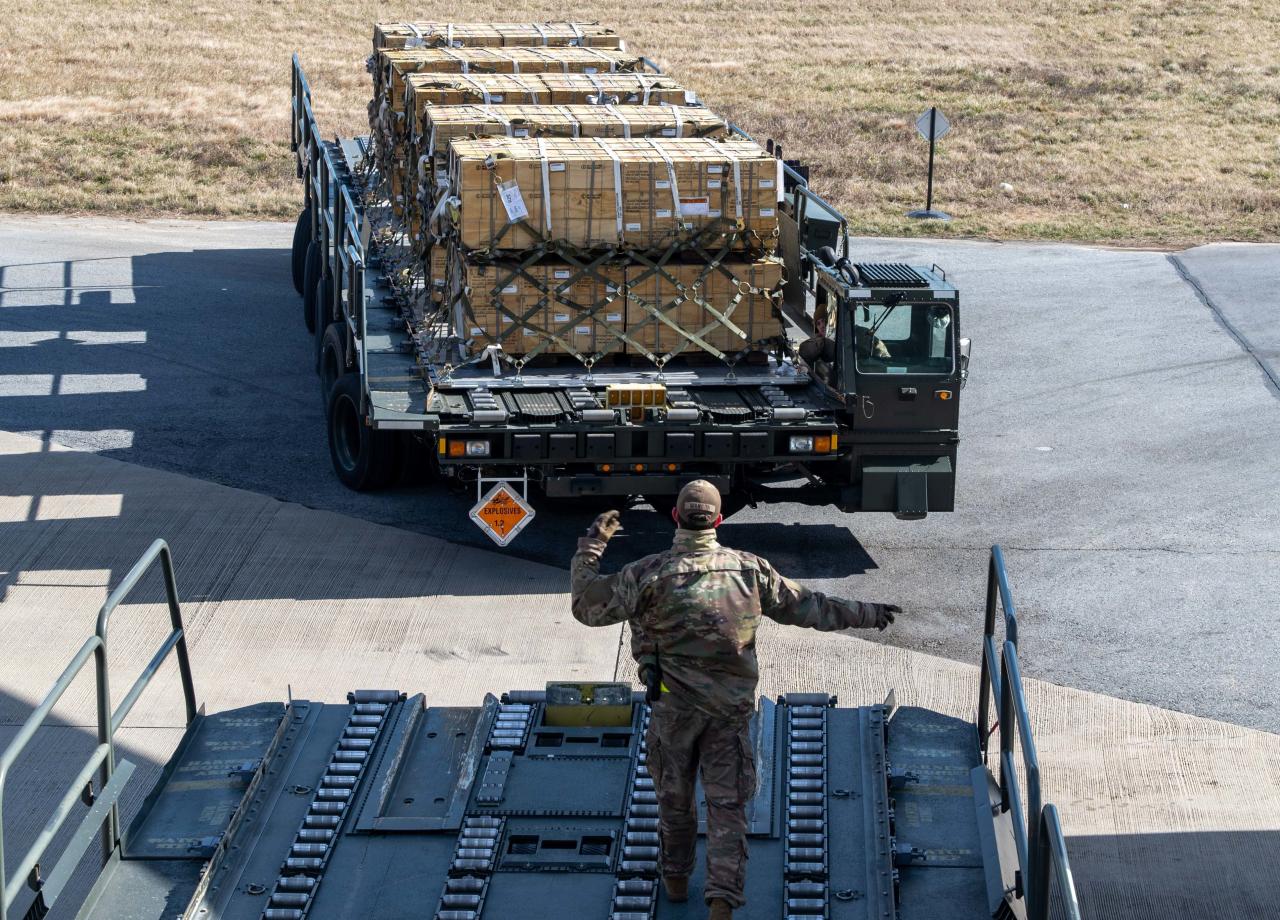
The US has provided Ukraine with a wide range of support, including:* Military Aid:The US has provided billions of dollars in military aid to Ukraine, including advanced weaponry, training, and intelligence support. This assistance has been crucial in enabling Ukraine to defend itself against the Russian invasion.
Financial Assistance
The US has provided significant financial assistance to Ukraine, helping to stabilize the economy and provide essential services to the population. This aid has been crucial in supporting Ukraine’s government and ensuring its continued functioning during the war.
It’s hard to believe that while we’re debating the merits of US support for Ukraine, a species thought lost for a century, the Galapagos tortoise , has been rediscovered. It’s a reminder that amidst global turmoil, there’s still hope and wonder to be found.
Perhaps the focus on Ukraine should be broadened to include these kinds of stories, reminding us that there’s more to life than just political battles.
Diplomatic Efforts
The US has been actively engaged in diplomatic efforts to resolve the conflict peacefully. This includes coordinating with international partners, imposing sanctions on Russia, and providing humanitarian assistance to Ukraine.
Effectiveness of US Support
The effectiveness of US support in achieving its stated objectives is a complex issue, and there is no simple answer. While US support has undoubtedly been crucial in enabling Ukraine to resist the Russian invasion and sustain its defense, the conflict remains ongoing and the outcome is uncertain.
The effectiveness of US support can be assessed by considering the following factors:* Ukraine’s ability to resist the Russian invasion:Ukraine has been able to successfully resist the Russian invasion, largely due to the support it has received from the US and its allies. This resistance has significantly slowed down the Russian advance and prevented the complete collapse of Ukraine.
The impact of sanctions on Russia
The US and its allies have imposed severe sanctions on Russia, targeting its economy, financial system, and key individuals. These sanctions have had a significant impact on the Russian economy, but their long-term effectiveness remains to be seen.
The level of international support for Ukraine
The US has been successful in mobilizing international support for Ukraine, with many countries providing military, financial, and humanitarian assistance. This broad coalition of support has been essential in sustaining Ukraine’s resistance.The effectiveness of US support in achieving its stated objectives will ultimately depend on the course of the conflict and the ability of Ukraine to resist the Russian invasion.
While the outcome remains uncertain, US support has played a crucial role in enabling Ukraine to defend itself and maintain its sovereignty.
The Impact of Trump Allies’ Criticism on US Policy
The criticism of Trump allies regarding US support for Ukraine has sparked a debate about the direction of US policy. While their concerns are rooted in a variety of factors, including economic considerations and the potential for escalation, their impact on US policy remains to be seen.
Their concerns could influence public opinion and political debate in the US, potentially affecting the trajectory of US-Ukraine relations and the broader geopolitical landscape.
Impact on Public Opinion and Political Debate
Trump allies’ criticism has the potential to influence public opinion and political debate in the US. Their arguments, often centered around the economic costs of supporting Ukraine and the risks of escalating conflict with Russia, resonate with a segment of the American public.
This can lead to increased skepticism about US involvement in the conflict and pressure on policymakers to reconsider their approach. For example, polls have shown that support for providing military aid to Ukraine has declined among some Americans, particularly those who identify with the Republican Party.
The debate over US support for Ukraine continues to rage, with Trump allies questioning the wisdom of such extensive aid. While some see it as a crucial investment in global security, others argue it’s a waste of resources. But amidst the political squabbles, it’s worth considering the broader impact of these events on the world.
Perhaps a look at the advantages of online teaching, as outlined in this article whats so great about online teaching , might provide some perspective. Ultimately, the question of US support for Ukraine is complex, and the answers are far from simple.
This suggests that Trump allies’ criticism may be contributing to a growing divide in public opinion on the issue.
Potential Consequences for US-Ukraine Relations
The criticism of Trump allies could have significant consequences for US-Ukraine relations. If their concerns gain traction and lead to a shift in US policy, it could undermine Ukraine’s confidence in US support. This could potentially weaken Ukraine’s resolve in the face of Russian aggression and create uncertainty about the long-term prospects of US involvement in the conflict.
Potential for a Shift in US Policy
The potential for a shift in US policy in response to Trump allies’ criticism is a complex issue. While the Biden administration has shown strong commitment to supporting Ukraine, the political landscape in the US is fluid. If Trump allies gain more influence within the Republican Party, they could exert pressure on policymakers to reconsider their approach.
This could lead to a reduction in US military and financial aid to Ukraine, or even a more cautious approach to engaging with Russia.
International Perspectives on the Conflict
The conflict in Ukraine has elicited a wide range of responses from the international community, with different countries adopting varying approaches based on their geopolitical interests, historical ties, and domestic considerations. Understanding these diverse perspectives is crucial for comprehending the complex dynamics of the conflict and its potential impact on global security.
NATO Allies’ Support for Ukraine, Who cares trump allies question u s support for ukraine
NATO allies have been united in their condemnation of Russia’s invasion and have provided substantial military and financial support to Ukraine. The alliance has activated its collective defense clause, Article 5, for the first time since its inception, signaling its commitment to defending its members against any aggression.
This unified stance has significantly bolstered Ukraine’s resistance and deterred Russia from escalating the conflict beyond its borders.
- Military Aid:NATO members have provided Ukraine with a wide array of military equipment, including weapons, ammunition, and intelligence support. This assistance has been instrumental in enabling Ukraine to inflict heavy losses on Russian forces and defend its territory.
- Economic Sanctions:NATO allies have imposed severe economic sanctions on Russia, targeting key sectors of its economy and restricting access to global financial markets. These sanctions have aimed to weaken Russia’s ability to sustain its war effort and exert pressure on its leadership.
- Humanitarian Assistance:NATO members have provided significant humanitarian aid to Ukraine, including food, medical supplies, and shelter for displaced civilians. This assistance has been vital in addressing the humanitarian crisis caused by the conflict.
European Union’s Response to the Conflict
The European Union (EU) has played a pivotal role in supporting Ukraine and imposing sanctions on Russia. The EU has provided substantial financial assistance to Ukraine, implemented a comprehensive sanctions regime against Russia, and offered a path for Ukraine’s eventual membership in the bloc.
- Financial Aid:The EU has pledged billions of euros in financial aid to Ukraine, helping to stabilize its economy and support its war effort. This aid has been crucial in ensuring Ukraine’s financial resilience amid the ongoing conflict.
- Sanctions against Russia:The EU has imposed a wide range of sanctions against Russia, including restrictions on trade, travel, and financial transactions. These sanctions have been aimed at isolating Russia from the global economy and pressuring its leadership to end the conflict.
- Ukraine’s Membership Path:The EU has granted Ukraine candidate status, signaling its commitment to Ukraine’s eventual membership in the bloc. This decision has been seen as a powerful symbol of support for Ukraine’s democratic aspirations and its integration with the West.
Other Countries’ Perspectives
Beyond NATO and the EU, other countries have adopted diverse approaches to the conflict, reflecting their geopolitical interests and historical ties.
- China:China has maintained a neutral stance on the conflict, while expressing concerns about the humanitarian consequences of the war. However, China has also refrained from condemning Russia’s actions and has continued to maintain close economic ties with Moscow.
- India:India has adopted a more nuanced position, balancing its historical ties with Russia with its growing economic and strategic partnership with the West. India has abstained from voting on UN resolutions condemning Russia’s invasion and has continued to purchase Russian oil and weapons.
- Brazil:Brazil has expressed concerns about the conflict’s impact on global food security and has called for a negotiated settlement. However, Brazil has also criticized Western sanctions against Russia, arguing that they have exacerbated the humanitarian crisis.
The Impact of International Perspectives on US Policy
The international community’s response to the conflict has influenced US policy towards Ukraine. The strong support from NATO allies and the EU has emboldened the US to provide significant military and financial assistance to Ukraine and to maintain a robust stance against Russia.
However, the reluctance of some countries to condemn Russia’s actions has also presented challenges for the US in building a united international front against Russian aggression.
The Role of International Organizations
International organizations like the United Nations (UN) have played a crucial role in addressing the humanitarian crisis caused by the conflict. The UN has provided emergency relief to millions of displaced civilians, coordinated international efforts to evacuate civilians from conflict zones, and called for a ceasefire and negotiated settlement.
However, the UN Security Council has been paralyzed by Russia’s veto power, limiting its ability to effectively address the conflict.
The Future of US Support for Ukraine
The future of US support for Ukraine is a complex and multifaceted issue, heavily influenced by the ongoing conflict, domestic political dynamics in the US, and evolving international relations. Predicting the trajectory of this support requires careful consideration of the various factors at play and their potential impact on US policy.
Potential Scenarios for US Support
The future of US support for Ukraine can be envisioned in several potential scenarios, each with its own set of implications.
- Sustained High-Level Support:This scenario assumes continued strong bipartisan support for Ukraine in the US, driven by a shared commitment to deterring Russian aggression and upholding democratic values. This could involve continued provision of military and financial aid, along with diplomatic efforts to isolate Russia and hold it accountable for its actions.
This scenario is likely to be fueled by public opinion, which has remained largely supportive of Ukraine despite the ongoing conflict.
- Reduced Support due to Domestic Political Pressure:This scenario involves a shift in US policy towards Ukraine due to growing domestic pressure, potentially stemming from concerns about the economic impact of the conflict, fatigue with prolonged military involvement, or a change in the political landscape. This could lead to a reduction in military aid, a shift in focus to diplomatic solutions, or a more cautious approach to supporting Ukraine.
- Shift in Focus to Diplomatic Solutions:This scenario involves a greater emphasis on diplomatic efforts to end the conflict, potentially at the expense of military support. This could be driven by a desire to prevent the conflict from escalating further or by a perception that military solutions are no longer viable.
This scenario could involve increased pressure on Ukraine to negotiate with Russia, potentially leading to concessions that might not be acceptable to the Ukrainian government.
- Withdrawal of US Support:This scenario involves a complete withdrawal of US support for Ukraine, driven by a combination of domestic political pressure, economic concerns, or a shift in US foreign policy priorities. This scenario would have a significant impact on the conflict, potentially leading to a Russian victory or a protracted stalemate.
Summary: Who Cares Trump Allies Question U S Support For Ukraine
The debate over US support for Ukraine is far from over. As the conflict drags on, the pressure on the Biden administration to re-evaluate its strategy will only intensify. The concerns raised by Trump allies, while potentially politically motivated, highlight the difficult choices facing the US in navigating a complex and volatile geopolitical landscape.
The ultimate impact of this debate on US policy remains to be seen, but it is clear that the future of US-Ukraine relations will be heavily influenced by the outcome.