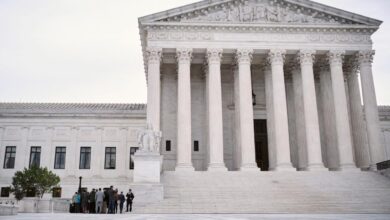
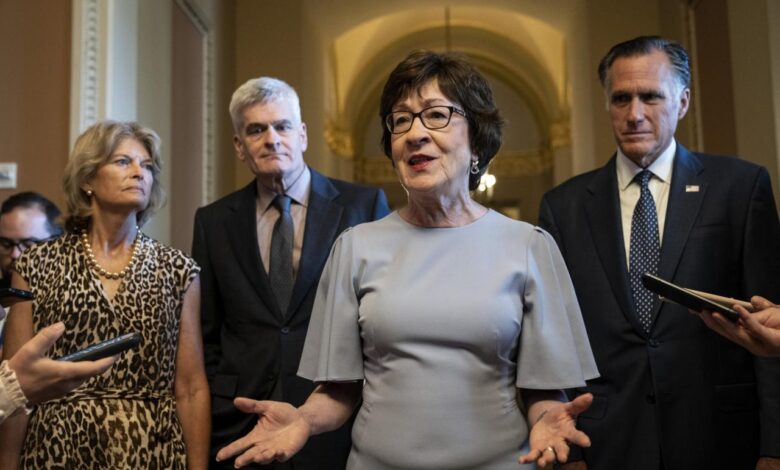
Where Senators Stand on Ketanji Brown Jacksons Supreme Court Nomination
Where senators stand on ketanji brown jacksons supreme court nomination – Where senators stand on Ketanji Brown Jackson’s Supreme Court nomination is a topic that has sparked intense debate and scrutiny. Jackson’s nomination, which would make her the first Black woman to serve on the Supreme Court, has drawn attention from across the political spectrum.
From her judicial philosophy to her experience and qualifications, every aspect of her background has been analyzed and dissected. The confirmation process has been a whirlwind of public hearings, political maneuvering, and intense media coverage, leaving many wondering where senators stand on this pivotal nomination.
This article delves into the various factors influencing senators’ stances, examining their voting records, public statements, and engagement during the Senate Judiciary Committee hearings. We’ll explore the political context surrounding the nomination, analyze historical precedents, and consider the potential impact of Jackson’s confirmation on the future of the Supreme Court.
Ultimately, this analysis aims to provide a comprehensive understanding of the diverse perspectives shaping this historic moment in American jurisprudence.
Senatorial Voting Records: Where Senators Stand On Ketanji Brown Jacksons Supreme Court Nomination

The confirmation process for a Supreme Court nominee is a complex and highly political affair. Senators, as representatives of their constituents, are expected to weigh the nominee’s qualifications and judicial philosophy against their own values and the expectations of their voters.
One key indicator of a senator’s stance on a nominee is their voting history on previous judicial nominations. This record can reveal patterns, inconsistencies, and key decisions that demonstrate a senator’s priorities and approach to judicial appointments.
Voting Records of Senators on Judicial Nominations
Examining the voting records of senators on judicial nominations provides valuable insight into their perspectives on the qualifications, experience, and judicial philosophy of potential Supreme Court justices. This analysis can be particularly revealing when comparing voting patterns across different political parties.
- Democratic Senators:Generally, Democratic senators have a history of voting in favor of nominees who they believe share their views on issues such as abortion rights, affirmative action, and environmental protection. For example, in 2009, all Democratic senators voted to confirm Sonia Sotomayor to the Supreme Court, while all Republican senators voted against her confirmation.
This pattern suggests that Democratic senators tend to prioritize nominees who they believe will uphold liberal judicial interpretations and precedents.
- Republican Senators:Republican senators, on the other hand, often prioritize nominees who they believe will uphold conservative judicial interpretations and precedents. This includes issues such as gun rights, religious freedom, and the interpretation of the Second Amendment. For instance, during the confirmation process for Neil Gorsuch in 2017, all Republican senators voted in favor of his confirmation, while all Democratic senators voted against it.
This consistent pattern reflects the differing priorities of the two parties on judicial nominations.
Key Votes and Decisions, Where senators stand on ketanji brown jacksons supreme court nomination
Certain votes on judicial nominations can serve as significant indicators of a senator’s judicial philosophy and their priorities. These votes can reflect a senator’s stance on issues such as judicial activism, originalism, and the role of the judiciary in American society.
- Originalism:Senators who prioritize originalism, the interpretation of the Constitution based on the original intent of its framers, are likely to vote in favor of nominees who share this philosophy. This was evident in the confirmation of Justice Clarence Thomas in 1991, where senators who supported originalism, primarily Republicans, voted in favor of his confirmation, while those who favored a more dynamic interpretation of the Constitution, primarily Democrats, opposed it.
This vote highlighted the divide between the two major parties on judicial philosophy.
- Judicial Activism:Senators who believe in a more active role for the judiciary in shaping public policy, often referred to as judicial activism, may favor nominees who demonstrate a willingness to interpret the Constitution broadly and to strike down laws they deem unconstitutional.
This was evident in the confirmation of Justice Ruth Bader Ginsburg in 1993, where senators who supported judicial activism, primarily Democrats, voted in favor of her confirmation, while those who favored a more restrained approach to judicial review, primarily Republicans, opposed it.
Final Conclusion
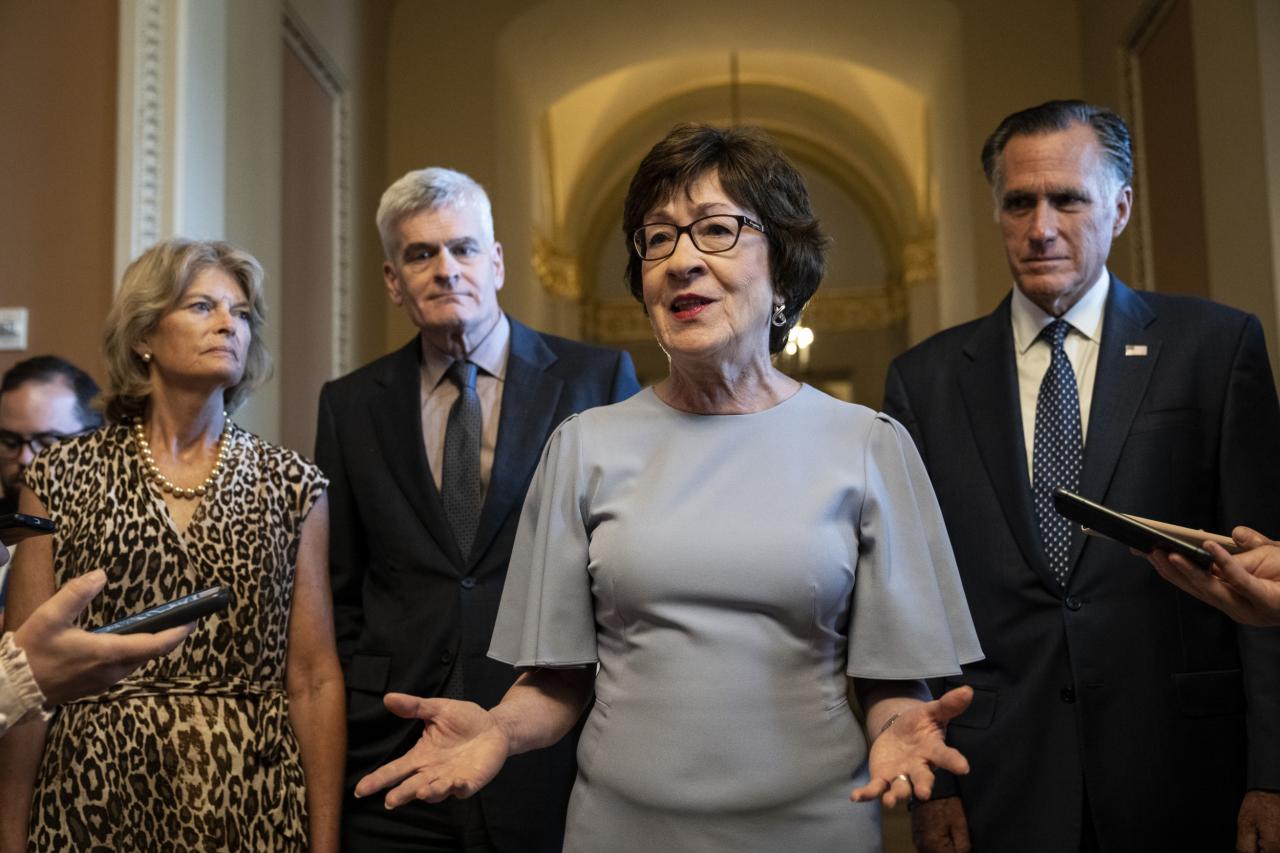
The confirmation process for Ketanji Brown Jackson’s Supreme Court nomination has been a fascinating and complex journey. It has revealed the deep divisions within the Senate, highlighted the importance of judicial philosophy in contemporary politics, and underscored the historic significance of Jackson’s potential appointment.
Whether she is ultimately confirmed or not, her nomination has already sparked a national conversation about the future of the Supreme Court and the role of race and gender in American society. The outcome of this process will undoubtedly have lasting implications for the legal landscape and the very fabric of American democracy.
The Senate is currently debating Ketanji Brown Jackson’s nomination to the Supreme Court, with both sides presenting their arguments. To gain a better understanding of the complexities of this nomination, I’ve been reading about the potential impact on various legal issues, including the recent case of Ronald Garza.
You can find a transcript of his testimony transcript ronald garza on and see how it relates to the ongoing discussion about Jackson’s judicial philosophy. Ultimately, the Senate’s decision will shape the future of the Supreme Court and have a significant impact on American law.
The Senate confirmation hearings for Ketanji Brown Jackson’s Supreme Court nomination have been a whirlwind of political maneuvering, with each senator vying for their own narrative. It’s a stark contrast to the positive news of UPS providing $150,000 in grant funds to AAPI-owned businesses as announced on their website , a much-needed boost for entrepreneurs in a challenging economic climate.
The Senate’s focus on Judge Jackson’s nomination is a reminder of the critical role the Supreme Court plays in shaping our society, and the weight of such decisions is felt across all levels of our nation.
The Senate is deeply divided on Ketanji Brown Jackson’s Supreme Court nomination, with some senators expressing strong support for her qualifications and others raising concerns about her judicial philosophy. This intense scrutiny of her record mirrors the recent controversy surrounding State Farm, which dropped its support of LGBTQ kids’ books after facing backlash from conservative groups.
This incident highlights the increasing polarization around issues of social justice and representation, which undoubtedly will be a factor in the Senate’s confirmation vote on Jackson.