
What Should Consumers Ask About Precision Fermentation?
What should consumers be asking about precision fermentation? It’s a question that’s becoming increasingly relevant as this cutting-edge technology gains traction in the food, pharmaceutical, and materials industries. Precision fermentation, in essence, involves using microorganisms like yeast and bacteria to produce a wide range of products, from proteins and enzymes to bio-based materials.
While it holds immense promise for sustainability and innovation, it also raises important questions about safety, ethics, and the future of food production.
This technology has the potential to revolutionize the way we produce food, medicine, and even materials. But before we fully embrace it, it’s crucial for consumers to understand the implications of precision fermentation and ask the right questions.
What is Precision Fermentation?
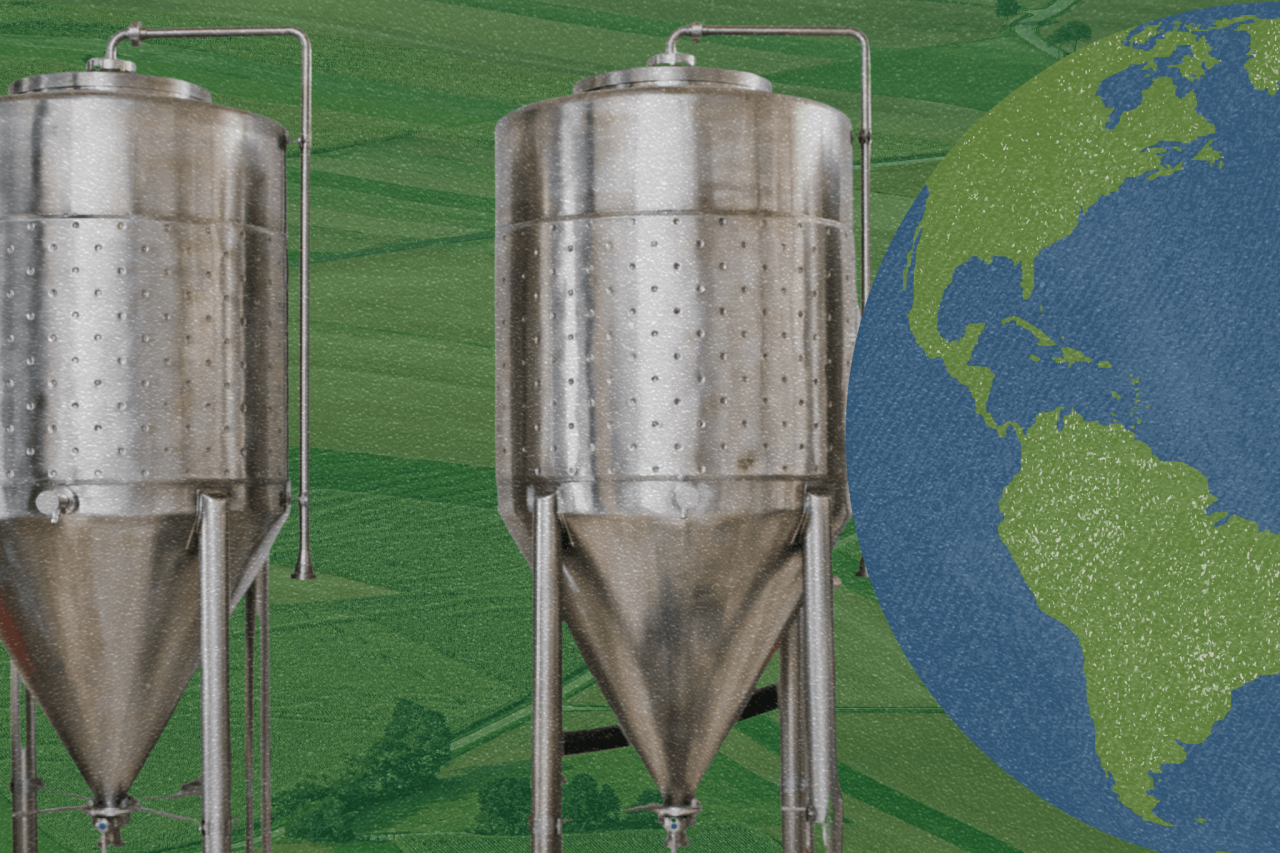
Precision fermentation is a cutting-edge technology that utilizes genetically modified microorganisms to produce a wide range of valuable products, including food ingredients, pharmaceuticals, and biomaterials. It is a rapidly evolving field with the potential to revolutionize various industries. Precision fermentation involves the precise control of microbial processes to create desired products.
It leverages the power of genetic engineering to modify microorganisms, enabling them to produce specific molecules efficiently and sustainably.
History of Precision Fermentation
Precision fermentation has a rich history, evolving from traditional fermentation techniques. Its roots can be traced back to ancient civilizations, where fermentation processes were used to produce food and beverages like bread, wine, and cheese. The development of modern biotechnology, particularly the discovery of recombinant DNA technology in the 1970s, played a pivotal role in advancing precision fermentation.
This breakthrough allowed scientists to modify the genetic makeup of microorganisms, enabling them to produce specific compounds of interest.
- Early 1970s:Recombinant DNA technology emerges, laying the foundation for precision fermentation.
- 1980s:Insulin, a crucial hormone for diabetes treatment, becomes the first human protein produced using recombinant DNA technology in bacteria.
- 1990s:Precision fermentation gains momentum with the production of various biopharmaceuticals, including growth hormones and vaccines.
- 2000s:The development of synthetic biology tools and high-throughput screening techniques further enhances precision fermentation capabilities.
- Present:Precision fermentation is rapidly expanding into new applications, including food ingredients, biomaterials, and sustainable alternatives to traditional production methods.
Precision Fermentation vs. Traditional Methods
Precision fermentation offers several advantages over traditional methods of producing food and materials.
| Feature | Precision Fermentation | Traditional Methods |
|---|---|---|
| Production Process | Controlled fermentation of genetically modified microorganisms | Cultivation of plants or animals, chemical synthesis |
| Sustainability | Reduced land and water usage, lower greenhouse gas emissions | Potentially high environmental impact, resource-intensive |
| Scalability | Highly scalable, enabling large-scale production | Limited scalability, often constrained by land availability or animal welfare concerns |
| Product Consistency | Consistent product quality and purity | Variable product quality, influenced by factors like weather and animal health |
Applications of Precision Fermentation
Precision fermentation, a cutting-edge biotechnology, has emerged as a powerful tool for producing a wide range of products across various industries. It involves using genetically modified microorganisms to produce specific molecules, offering a sustainable and efficient alternative to traditional methods.
Food Applications
Precision fermentation holds immense potential for revolutionizing the food industry. It offers a sustainable and innovative way to produce ingredients that are currently derived from animal or plant sources.
- Proteins:Precision fermentation allows for the production of animal-free proteins, such as dairy proteins (casein, whey), meat proteins (myoglobin), and egg proteins (albumin). These proteins are identical to their animal-derived counterparts in terms of taste, texture, and nutritional value. For example, Perfect Day, a leading company in this field, produces animal-free dairy protein using precision fermentation.
This protein can be used to create a wide range of dairy products, such as milk, cheese, and yogurt.
- Fats and Oils:Precision fermentation can be used to produce fats and oils with specific properties, such as high oleic acid content or low saturated fat content. This technology enables the creation of healthier and more sustainable alternatives to traditional animal and plant-based fats and oils.
For instance, companies like Motif FoodWorks are using precision fermentation to produce sustainable and healthy fats and oils for use in food applications.
- Flavors and Colors:Precision fermentation offers a sustainable and ethical way to produce natural flavors and colors, reducing the need for synthetic alternatives. For example, companies like Givaudan and Firmenich are using precision fermentation to produce natural flavors and colors for use in food and beverages.
With precision fermentation gaining traction, consumers should be asking about its environmental impact, potential for allergen-free products, and ethical considerations. While we’re on the topic of important questions, it’s interesting to see the political landscape shifting in Idaho, where Governor Brad Little defeated his own lieutenant governor in a contentious primary, as reported in this recent article.
Returning to precision fermentation, consumers should also inquire about the long-term sustainability of this technology and its impact on traditional agriculture.
Pharmaceutical Applications
Precision fermentation has emerged as a transformative technology in the pharmaceutical industry, offering a sustainable and efficient way to produce various biopharmaceuticals and therapeutic agents.
- Therapeutic Proteins:Precision fermentation is widely used to produce therapeutic proteins, such as insulin, growth hormone, and antibodies. These proteins are crucial for treating various diseases, including diabetes, growth disorders, and autoimmune diseases. For example, Eli Lilly and Company uses precision fermentation to produce insulin for the treatment of diabetes.
- Vaccines:Precision fermentation plays a vital role in the development and production of vaccines. It allows for the production of large quantities of viral proteins, which are used to stimulate the immune system and provide protection against specific diseases. For example, Moderna’s COVID-19 vaccine is produced using precision fermentation technology.
As consumers, we should be asking tough questions about precision fermentation. How does it impact the environment? What are the long-term health effects? Are we simply replacing one set of problems with another? It’s a conversation that needs to be had, and not just in hushed tones.
As the article in an uncivil age calls for civility are about squashing effective protest points out, demanding civility can sometimes be a way to stifle important dialogue. We need to be able to openly discuss the potential downsides of new technologies like precision fermentation without being labeled as unreasonable or alarmist.
- Antibiotics:Precision fermentation can be used to produce antibiotics, offering a sustainable and efficient alternative to traditional methods. This technology can help address the growing problem of antibiotic resistance. For example, companies like Amyris are using precision fermentation to produce antibiotics.
Materials Applications
Precision fermentation has the potential to disrupt the materials industry by offering sustainable and bio-based alternatives to traditional materials.
- Bioplastics:Precision fermentation can be used to produce bioplastics, which are biodegradable and compostable alternatives to conventional plastics. These bioplastics can be used in various applications, such as packaging, food containers, and textiles. For example, companies like Danimer Scientific are using precision fermentation to produce bioplastics.
- Biofuels:Precision fermentation can be used to produce biofuels, such as ethanol and biodiesel, offering a sustainable alternative to fossil fuels. This technology can help reduce greenhouse gas emissions and promote energy independence. For example, companies like Gevo are using precision fermentation to produce biofuels.
- Bio-based Chemicals:Precision fermentation can be used to produce bio-based chemicals, such as monomers, polymers, and solvents. These chemicals can be used in various applications, such as cosmetics, detergents, and paints. For example, companies like Amyris are using precision fermentation to produce bio-based chemicals.
As consumers, we should be asking about the sustainability and ethical implications of precision fermentation. Is it truly a more sustainable way to produce food and materials? What are the long-term impacts on the environment and our food systems?
It’s exciting to see companies like Apple start connecting the dots for its next big thing in this space, but it’s crucial to be informed and ask critical questions before embracing this new technology. We need to ensure that precision fermentation is truly a positive force for the future.
Environmental Impact of Precision Fermentation
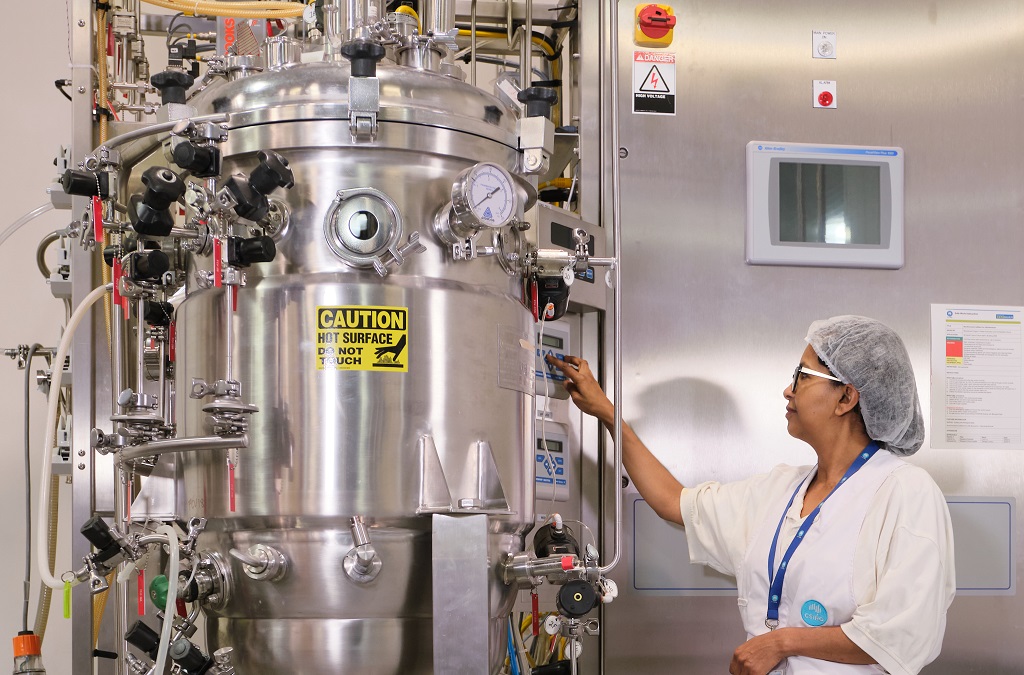
Precision fermentation, a cutting-edge biotechnology, holds immense potential for revolutionizing various industries, including food, pharmaceuticals, and materials. This technology offers a sustainable alternative to traditional production methods, potentially reducing environmental impact.
Resource Conservation and Reduced Greenhouse Gas Emissions
Precision fermentation offers several environmental advantages over traditional production methods. By producing ingredients in bioreactors, this technology minimizes the need for vast tracts of land for agriculture, thereby reducing deforestation and habitat loss. Moreover, it requires significantly less water and energy compared to conventional farming, leading to reduced water consumption and greenhouse gas emissions.
- Reduced Land Use:Precision fermentation eliminates the need for extensive agricultural land, freeing up valuable resources for other purposes, such as biodiversity conservation or renewable energy production. For instance, producing plant-based meat alternatives through precision fermentation requires significantly less land compared to traditional livestock farming.
- Water Conservation:Precision fermentation processes typically require less water than traditional methods, leading to reduced water consumption and potential water stress mitigation.
- Reduced Greenhouse Gas Emissions:By minimizing the need for agricultural land and reducing energy consumption, precision fermentation significantly lowers greenhouse gas emissions associated with food production.
Potential Environmental Concerns and Mitigation Strategies
While precision fermentation presents numerous environmental benefits, it’s essential to acknowledge potential concerns and implement appropriate mitigation strategies.
- Waste Management:Precision fermentation processes generate byproducts and waste materials. Effective waste management practices, including recycling and composting, are crucial to minimize environmental impact.
- Energy Consumption:The energy required for bioreactor operations and fermentation processes can contribute to greenhouse gas emissions. Optimizing bioreactor design, utilizing renewable energy sources, and implementing energy-efficient practices are essential for minimizing energy consumption.
- Microbial Strain Selection and Biosafety:The use of genetically modified organisms (GMOs) in precision fermentation raises concerns about potential environmental impacts. Thorough risk assessments, responsible strain selection, and robust biosafety protocols are crucial to prevent unintended ecological consequences.
Consumer Perspectives and Concerns: What Should Consumers Be Asking About Precision Fermentation
Precision fermentation, while promising in its potential to revolutionize food production, also sparks a range of consumer perspectives and concerns. Understanding these viewpoints is crucial for the successful adoption and integration of this technology.
Diverse Consumer Perspectives
Consumers approach precision fermentation with a mix of excitement and apprehension. Some view it as a solution to pressing challenges like food security, environmental sustainability, and animal welfare. Others are wary of the novelty and potential risks associated with this emerging technology.
- Potential Benefits:Consumers appreciate the potential of precision fermentation to create sustainable and ethical food alternatives, such as plant-based meat and dairy products. They recognize its ability to reduce reliance on traditional agriculture, minimize environmental impact, and provide more accessible and affordable protein sources.
- Concerns:Concerns about the safety and long-term health effects of precision-fermented products are prominent. Consumers may question the nutritional value and potential allergens associated with these novel foods. Additionally, ethical considerations around genetic engineering and the potential impact on traditional food systems raise concerns.
Consumer Attitudes Towards Novel Food Technologies, What should consumers be asking about precision fermentation
Consumer acceptance of novel food technologies like precision fermentation varies significantly depending on factors like age, education, and cultural background.
- Early Adopters:Individuals who are open to innovation and prioritize sustainability are more likely to embrace precision-fermented products. They are often well-informed about the technology and its potential benefits.
- Hesitant Consumers:Some consumers remain skeptical of novel food technologies, particularly those involving genetic engineering. They may prioritize traditional food sources and express concerns about the long-term implications of these technologies.
- Factors Influencing Acceptance:Transparency and clear communication about the technology, its benefits, and potential risks are crucial for building consumer trust. Providing accessible information, engaging in open dialogues, and addressing concerns effectively can encourage wider acceptance of precision-fermented products.
Key Questions Regarding Ethical, Social, and Economic Implications
Consumers are rightfully curious about the broader implications of precision fermentation. They seek answers to questions regarding its ethical, social, and economic impact.
- Ethical Considerations:Consumers are concerned about the ethical implications of genetic engineering and its potential impact on biodiversity and the environment. They may question the ownership of genetic material and the potential for corporate monopolies in the food industry.
- Social Impact:Consumers want to understand the potential social impact of precision fermentation, including its effects on employment in traditional agricultural sectors and the potential for increased food inequality. They may also be interested in the implications for food sovereignty and the role of local food systems.
- Economic Implications:Consumers are interested in the economic implications of precision fermentation, including its potential to create new jobs and industries, as well as the impact on existing food markets and consumer prices. They may question the accessibility of these technologies for small-scale producers and the potential for consolidation in the food industry.
Closing Summary
Precision fermentation is undoubtedly a game-changer with the potential to address some of the world’s most pressing challenges. As consumers, we have a right to understand how this technology works, its benefits, and its potential drawbacks. By asking the right questions, we can ensure that this technology is developed and implemented responsibly, paving the way for a more sustainable and innovative future.