Ukraine Strikes Russian Ship, Cruise Missile Failures Plague Moscow
U s confirms ukraine struck russian ship russian cruise missiles failing at rate of 20 60 in ukraine – Ukraine Strikes Russian Ship, Cruise Missile Failures Plague Moscow: The ongoing conflict in Ukraine has taken a new turn with reports of a successful Ukrainian strike on a Russian ship and alarmingly high failure rates of Russian cruise missiles. This news has sent shockwaves through the international community, raising questions about the effectiveness of Russian military capabilities and the potential implications for the future of the war.
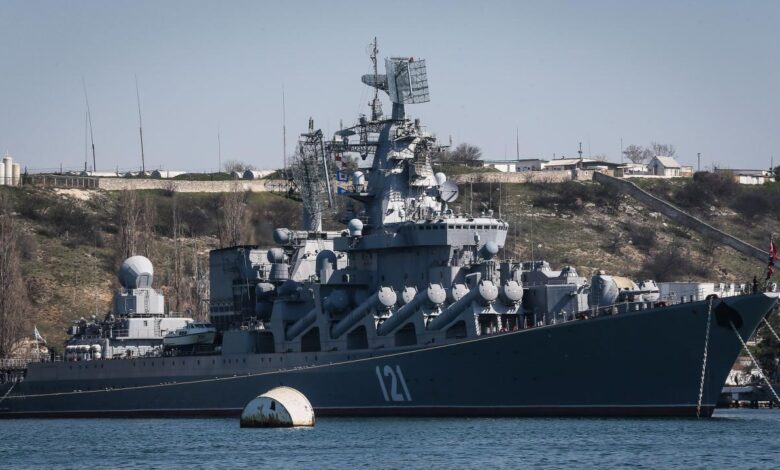
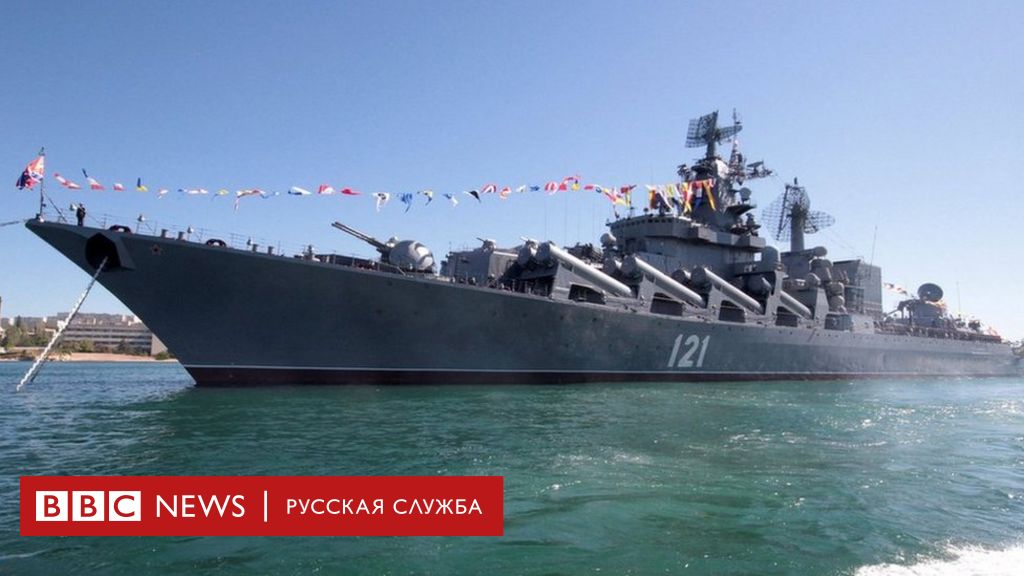
The Ukrainian strike, confirmed by U.S. officials, reportedly targeted a Russian warship operating in the Black Sea. This bold move demonstrates Ukraine’s growing capacity to inflict damage on Russian assets, even within the strategically vital Black Sea. Simultaneously, reports of Russian cruise missiles failing at a rate of 20-60% in Ukraine have cast doubt on the reliability of Moscow’s arsenal.
These failures are attributed to a combination of factors, including potential technical malfunctions, outdated technology, and the effectiveness of Ukrainian air defenses.
International Reactions: U S Confirms Ukraine Struck Russian Ship Russian Cruise Missiles Failing At Rate Of 20 60 In Ukraine
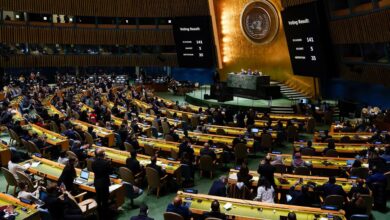
The Ukrainian strike on the Russian ship and the reported failures of Russian cruise missiles have sparked a range of reactions from key international actors. These events have significant implications for global perceptions of the conflict and the involved parties, potentially influencing diplomatic efforts and the course of the war.
Reactions of Key International Actors, U s confirms ukraine struck russian ship russian cruise missiles failing at rate of 20 60 in ukraine
The international community has responded to the events with a mixture of cautious optimism and concerns about potential escalation.
The news cycle is a whirlwind these days, with updates on the Ukraine conflict and domestic political investigations swirling together. While the world watches the unfolding drama in Ukraine, where Ukrainian forces have reportedly struck a Russian ship and Russian cruise missiles are failing at a rate of 20-60%, developments in the January 6th investigation continue to unfold.
Peter Navarro, a former Trump White House advisor, has confirmed he received a grand jury subpoena related to the investigation, as reported by various news outlets. It seems like the fight for truth and justice is being waged on multiple fronts, both in the international arena and within the halls of American government.
- The United Stateshas expressed support for Ukraine’s right to defend itself, while emphasizing the need for restraint to avoid further escalation. US officials have also acknowledged the potential impact of the strike on the Black Sea grain deal, a crucial agreement for global food security.
The news that Ukraine struck a Russian ship and that Russian cruise missiles are failing at a rate of 20-60% is certainly a game-changer. It’s a stark reminder of the evolving nature of warfare, and it raises questions about the effectiveness of Russia’s military capabilities.
This incident prompts us to consider the historical context of such events, and a great place to start is with the transcript of Jeh Johnson’s remarks on the use of force. His insights, particularly on the legal and ethical implications of military actions, offer valuable perspective as we analyze this complex situation.
- The European Unionhas condemned Russia’s aggression in Ukraine and expressed solidarity with Kyiv. The EU has also pledged to continue providing military and financial assistance to Ukraine, while stressing the importance of finding a peaceful resolution to the conflict.
- NATOhas reiterated its commitment to defending its members and condemned Russia’s invasion of Ukraine. NATO has also stepped up its military presence in Eastern Europe, deploying more troops and equipment to the region.
- Russiahas condemned the Ukrainian strike as a “terrorist act” and threatened to retaliate. Moscow has also denied reports of missile failures, claiming that its military operations are proceeding as planned.
- Chinahas called for restraint and a peaceful resolution to the conflict, while avoiding direct condemnation of Russia’s actions. China has also been critical of Western sanctions against Russia and has called for an end to the “Cold War mentality.”
Impact on Global Perceptions
The Ukrainian strike and the reported missile failures have raised concerns about the effectiveness of Russia’s military capabilities and the potential for further escalation of the conflict.
- Global Perceptions of Russia: The events have likely further eroded global perceptions of Russia’s military strength and its ability to achieve its objectives in Ukraine. This could potentially weaken Russia’s position in international negotiations and make it more difficult for Moscow to achieve its goals in the conflict.
The news of the Ukrainian strike on a Russian ship and the high failure rate of Russian cruise missiles is definitely a game-changer. It’s a reminder that even in the face of adversity, there’s always a way to find a solution.
Just like when you’re craving those flaky, oozy stuffed biscuits, but don’t have time to make the dough from scratch, you can just grab some store-bought dough and get creative. For flaky oozy stuffed biscuits just use store bought dough – it’s a simple shortcut that doesn’t compromise on taste.
And just like that, you’ve got a delicious treat in no time. The same principle applies to war, where ingenuity and resourcefulness can often overcome seemingly insurmountable obstacles.
- Global Perceptions of Ukraine: The strike has demonstrated Ukraine’s resilience and its willingness to take offensive action against Russian forces. This could potentially bolster global support for Ukraine and increase pressure on Russia to end the conflict.
- Global Perceptions of the Conflict: The events have underscored the escalating nature of the conflict and the potential for it to spill over into neighboring countries. This could potentially lead to increased global efforts to find a peaceful resolution to the conflict.
Potential for International Sanctions or Diplomatic Measures
The events have also raised the possibility of new international sanctions or diplomatic measures against Russia.
- Additional Sanctions: The US and its allies could potentially impose new sanctions on Russia, targeting specific sectors of the Russian economy or individuals involved in the conflict.
- Diplomatic Pressure: The international community could increase diplomatic pressure on Russia to end the conflict and withdraw its forces from Ukraine.
- International Investigations: The events could also lead to international investigations into the strike and the alleged missile failures, potentially contributing to accountability and transparency.
Future Implications
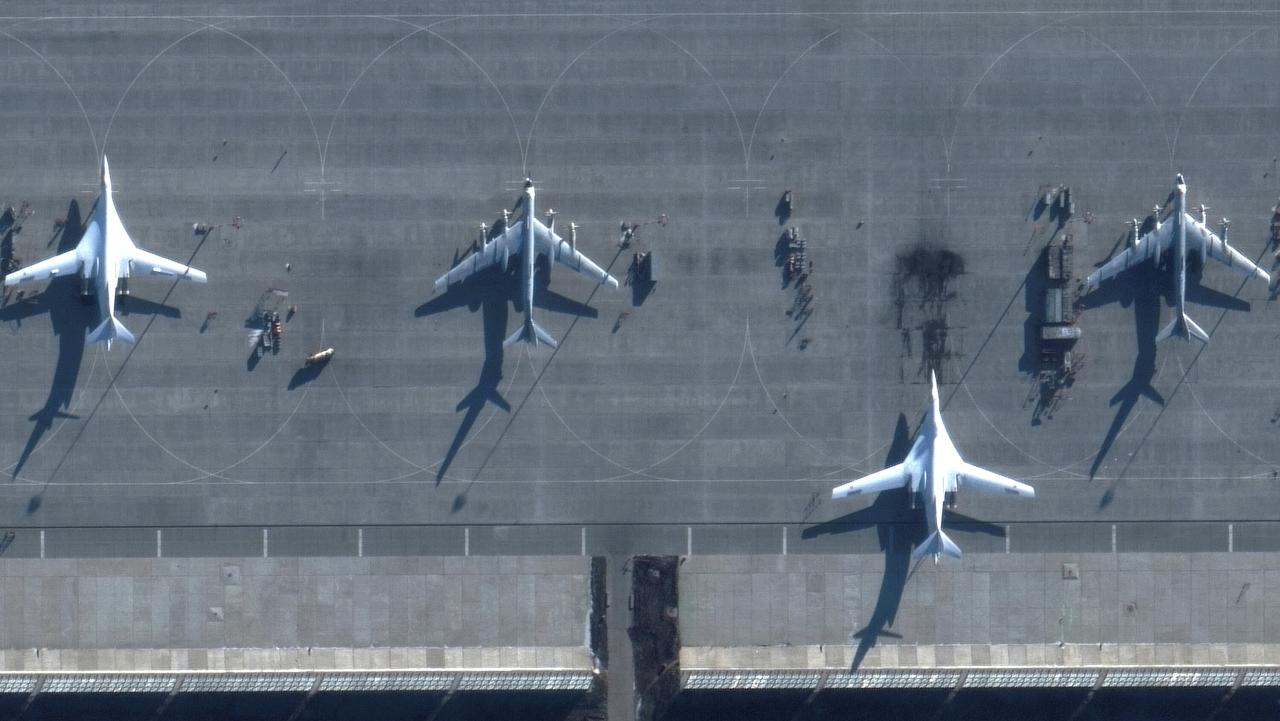
The successful Ukrainian strike on the Russian warship, coupled with the increasing failure rate of Russian cruise missiles, has significant implications for the future of the conflict in Ukraine. This event could reshape the dynamics of the war and impact the balance of power in the Black Sea region.
Potential for Future Ukrainian Strikes
The successful strike on the Russian warship demonstrates the potential for Ukraine to inflict further damage on Russian naval assets in the Black Sea. This capability could significantly impact Russian operations in the region and potentially disrupt their ability to resupply troops in Crimea or launch further attacks on Ukrainian ports.
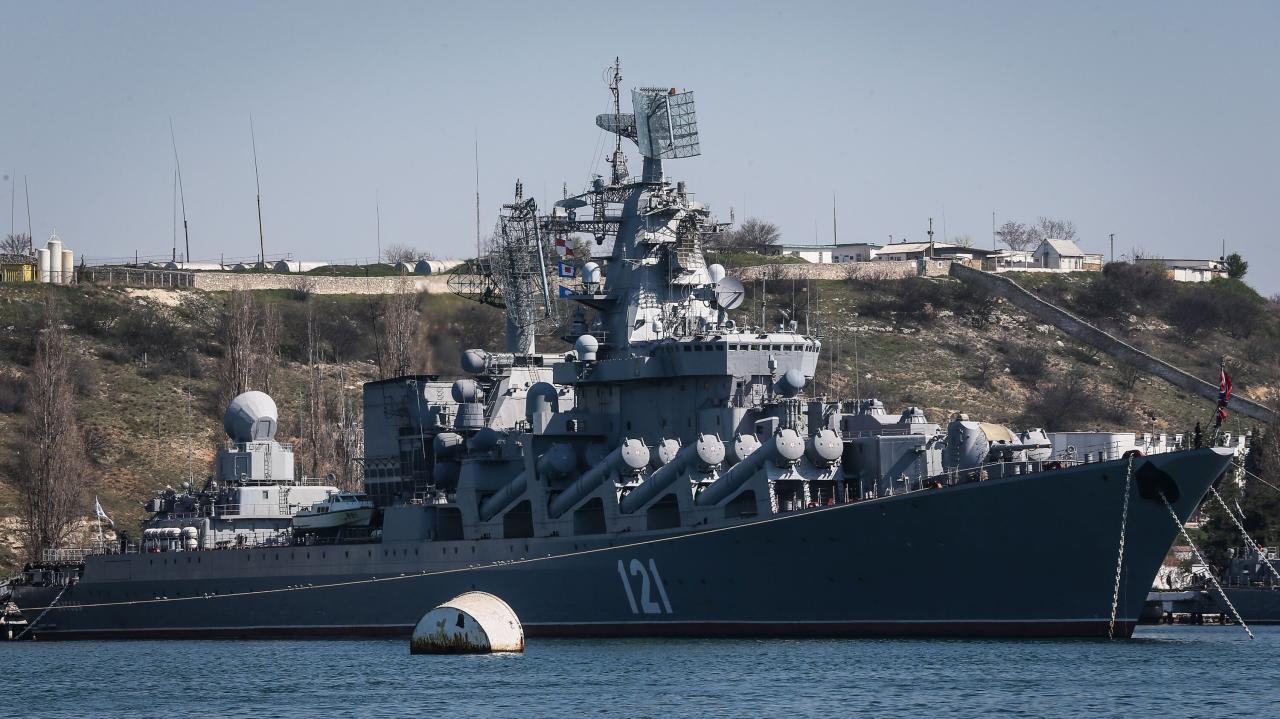
- Increased Risk for Russian Ships:The strike on the Moskva serves as a stark reminder of the vulnerability of Russian warships to Ukrainian attacks. This could lead to increased caution and defensive measures by the Russian navy, potentially limiting their operational freedom in the Black Sea.
- Impact on Russian Logistics:The Black Sea is a vital route for Russia to resupply its forces in Crimea and the Donbas region. Disrupting this supply chain could significantly hinder Russian military operations and potentially impact their ability to sustain the war effort.
- Increased Reliance on Air Power:The threat of Ukrainian naval strikes could force Russia to rely more heavily on air power for logistical support and maritime control. This shift could expose Russian aircraft to greater risk and potentially lead to increased losses.
Implications for Maritime Security in the Black Sea
The increased tension in the Black Sea following the Ukrainian strike has raised concerns about maritime security in the region. The potential for further conflict between Ukraine and Russia could destabilize the Black Sea and create a volatile environment for shipping and other maritime activities.
- Increased Risk for Shipping:The possibility of naval clashes and missile strikes could pose a significant risk to civilian shipping in the Black Sea. This could lead to disruptions in trade and potentially increase insurance premiums for vessels operating in the region.
- Heightened Tensions:The strike on the Moskva could escalate tensions between Russia and NATO, particularly as the Black Sea is a region of strategic importance for both sides. This could lead to increased military deployments and a heightened risk of accidental conflict.
- Regional Security Concerns:The conflict in Ukraine could have a destabilizing effect on the entire Black Sea region, potentially leading to a resurgence of tensions between neighboring countries. This could create a more unpredictable security environment and impact the regional balance of power.
Developments in the Effectiveness of Russian Cruise Missiles
The reported failure rate of Russian cruise missiles in Ukraine raises concerns about the effectiveness of these weapons systems. The growing number of failures could be attributed to a combination of factors, including technical issues, operator errors, or the effectiveness of Ukrainian air defenses.
- Technical Issues:The failures could indicate underlying technical problems with the missiles themselves, potentially related to design flaws or manufacturing defects. This could raise questions about the reliability of these weapons systems and their long-term effectiveness.
- Operator Errors:The high failure rate could also suggest a lack of training or experience among Russian missile operators. This could lead to miscalculations or improper handling of the missiles, resulting in malfunctions or inaccurate targeting.
- Effectiveness of Ukrainian Air Defenses:Ukrainian air defenses have been effective in intercepting Russian missiles, potentially contributing to the high failure rate. This suggests that Ukrainian forces are adapting to Russian tactics and developing effective countermeasures to neutralize these threats.
Closure
The implications of these events are far-reaching, potentially altering the trajectory of the conflict. The success of the Ukrainian strike and the failures of Russian missiles could embolden Kyiv and its allies, while simultaneously raising concerns about the effectiveness of Moscow’s military strategy.
The international community is closely watching this unfolding situation, with many wondering how these events will shape the future of the war in Ukraine and the broader geopolitical landscape.