US Claims Russia Holds List of Ukrainians
U s claims russia has list of ukrainians – US Claims Russia Holds List of Ukrainians, a chilling allegation that has sent shockwaves through the international community. This claim, if true, paints a grim picture of potential targeting, surveillance, and even harm against individuals on the list. The implications for Ukrainian citizens and the broader geopolitical landscape are significant, raising questions about the extent of Russian influence and the potential for further conflict.
The alleged list, according to reports, contains personal information of Ukrainian citizens, including names, addresses, and possibly even political affiliations. The purpose of this list remains shrouded in mystery, with speculation ranging from targeting for future operations to monitoring dissent within Ukraine.
Regardless of the specific objective, the mere existence of such a list raises serious concerns about the safety and security of those named.
Evidence and Sources
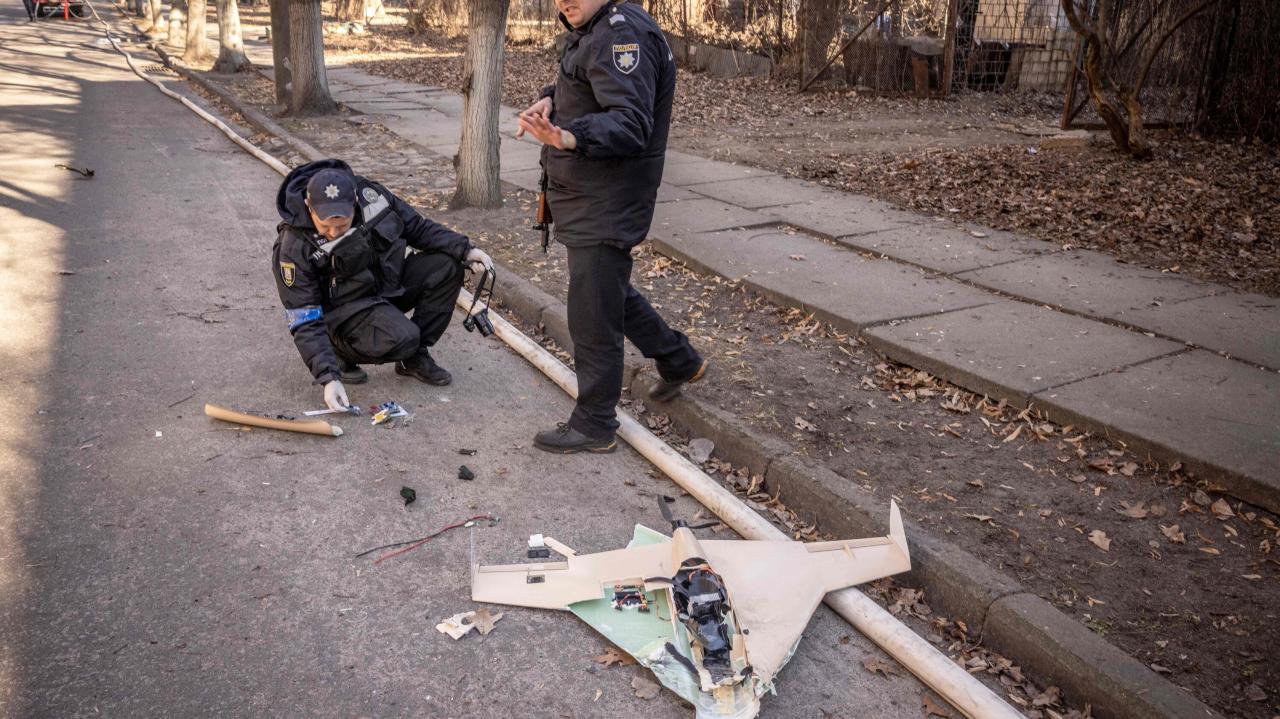
The claim that Russia has compiled a list of Ukrainians to be targeted after a potential invasion has been a subject of intense scrutiny and debate. Assessing the validity of this claim requires a careful analysis of the evidence presented and the sources from which it originates.The evidence supporting the claim comes from a variety of sources, including intelligence reports, leaked documents, and statements from Ukrainian officials.
The US claims Russia has a list of Ukrainians they plan to target, a chilling reminder of the ongoing conflict’s human cost. Meanwhile, in a different kind of struggle, US Secretary of Education Miguel Cardona is urging colleges to do more to help students with housing, as seen in his recent visit to Los Angeles.
It’s a stark contrast between the geopolitical tensions and the everyday struggles of students, highlighting the diverse challenges facing our world.
While some sources are more credible than others, the overall picture suggests that Russia may have been preparing for a large-scale operation in Ukraine.
The US claims Russia has a list of Ukrainians targeted for assassination, adding another layer of complexity to an already tense situation. It’s a reminder that we’re living in wild times, with global events impacting even the tech world. In a recent article on wild times for tech startups making sense of the uncertainty with Madrona’s Tim Porter , the author highlights the need for startups to navigate this volatile landscape.
This news about the assassination list adds another layer of uncertainty, making it even more crucial for startups to be adaptable and resilient in the face of geopolitical shifts.
Sources and Credibility
- Intelligence Reports:Western intelligence agencies, including those from the United States and the United Kingdom, have publicly stated that they have evidence of Russia’s plans to target specific individuals in Ukraine. These agencies have a long history of gathering and analyzing intelligence, and their assessments are generally considered reliable.
The US claims Russia has a list of Ukrainians they plan to target, a chilling reminder of the potential for widespread human rights violations. Sometimes, when I’m feeling overwhelmed by the news, I find comfort in simple things, like baking.
For flaky, oozy stuffed biscuits, you can skip the homemade dough and just use store-bought – for flaky oozy stuffed biscuits just use store bought dough. It’s a small act of normalcy in a world that feels increasingly chaotic, and a reminder that even amidst global conflict, there are still moments of peace and comfort to be found.
However, the specific details of their intelligence gathering methods are often classified, making it difficult to independently verify their claims.
- Leaked Documents:In 2022, a number of documents were leaked to the media that purported to show Russia’s plans for Ukraine. These documents included lists of individuals who were allegedly targeted for arrest or assassination. While the authenticity of these documents has been disputed, they provide further evidence of Russia’s potential intentions.
However, the source of these leaks remains unclear, and it is possible that they could be fabricated or manipulated.
- Statements from Ukrainian Officials:Ukrainian officials have repeatedly warned about the threat posed by Russia, and they have specifically mentioned the existence of a list of individuals targeted for arrest or assassination. While these statements are often based on intelligence reports or other sources, they can also be influenced by political considerations.
It is important to consider the potential for bias and exaggeration when evaluating these statements.
Methodology for Gathering and Verifying Information
- Intelligence Gathering:Western intelligence agencies use a variety of methods to gather information, including human intelligence, signals intelligence, and open-source intelligence. Human intelligence relies on agents and informants who provide information about foreign governments and organizations. Signals intelligence involves intercepting and analyzing communications, such as radio transmissions and satellite communications.
Open-source intelligence involves gathering information from publicly available sources, such as news reports, social media, and government websites.
- Verification:Once intelligence is gathered, it must be verified to ensure its accuracy. This involves cross-checking information from multiple sources, analyzing patterns and trends, and comparing information to known facts. The process of verification is often complex and time-consuming, and it can be difficult to definitively prove the authenticity of certain intelligence reports.
Perspectives on the Validity of the Evidence
- Proponents:Those who believe that the evidence supports the claim of a list argue that the combination of intelligence reports, leaked documents, and statements from Ukrainian officials is convincing. They point to the consistency of the information from different sources, as well as the historical pattern of Russia’s actions in Ukraine.
They argue that Russia has a history of targeting individuals who oppose its policies, and that it is likely to have compiled a list of potential targets in advance of a military operation.
- Skeptics:Skeptics argue that the evidence is not conclusive and that it is possible that the claim of a list is exaggerated or fabricated. They point to the lack of definitive proof, the possibility of false information being leaked, and the potential for political motivations to influence the reporting of intelligence.
They argue that the claim of a list should be treated with caution and that it is important to consider all sides of the story before drawing conclusions.
Legal and Ethical Considerations

The alleged compilation and use of a list of Ukrainians by Russia raises significant legal and ethical concerns. Examining the legal implications and ethical considerations associated with this action is crucial for understanding the potential consequences and ensuring accountability.
Potential Violations of International Law, U s claims russia has list of ukrainians
The creation and use of such a list could potentially violate several provisions of international law.
- The list could be considered a form of targetingof civilians, which is prohibited under international humanitarian law. This principle applies to all parties involved in an armed conflict and prohibits the deliberate targeting of individuals not directly participating in hostilities.
- The list could also violate the right to privacyof individuals. International human rights law recognizes the right to privacy as a fundamental right, and the collection and use of personal information without consent can constitute a violation of this right.
- The list could be used for persecutionor discrimination, which is prohibited under international human rights law. The list could be used to target individuals based on their ethnicity, religion, or political beliefs, which would be a violation of their fundamental human rights.
Ethical Considerations
The creation and use of the list raise serious ethical concerns, primarily related to the potential for human rights abuses.
- The list could be used to stigmatize and marginalizeindividuals, leading to social isolation and discrimination. This could have a devastating impact on their lives and well-being.
- The list could be used to intimidate and silenceindividuals who are critical of the Russian government or its actions in Ukraine. This would be a violation of the right to freedom of expression and could have a chilling effect on dissent.
- The list could be used to justify human rights abuses, such as arbitrary detention, torture, or extrajudicial killings. This would be a gross violation of international human rights law and could have severe consequences for the individuals targeted.
Avenues for Accountability and Redress
Individuals affected by the list could potentially seek accountability and redress through various avenues.
- Individuals could file complaintswith international human rights organizations, such as the United Nations Human Rights Office, or with regional human rights bodies, such as the European Court of Human Rights.
- Individuals could seek legal remediesin national courts, particularly if they have evidence of harm or persecution based on their inclusion on the list.
- The international community could impose sanctionson individuals or entities involved in the creation and use of the list. This could include travel bans, asset freezes, and other measures designed to hold those responsible accountable.
Closing Notes: U S Claims Russia Has List Of Ukrainians
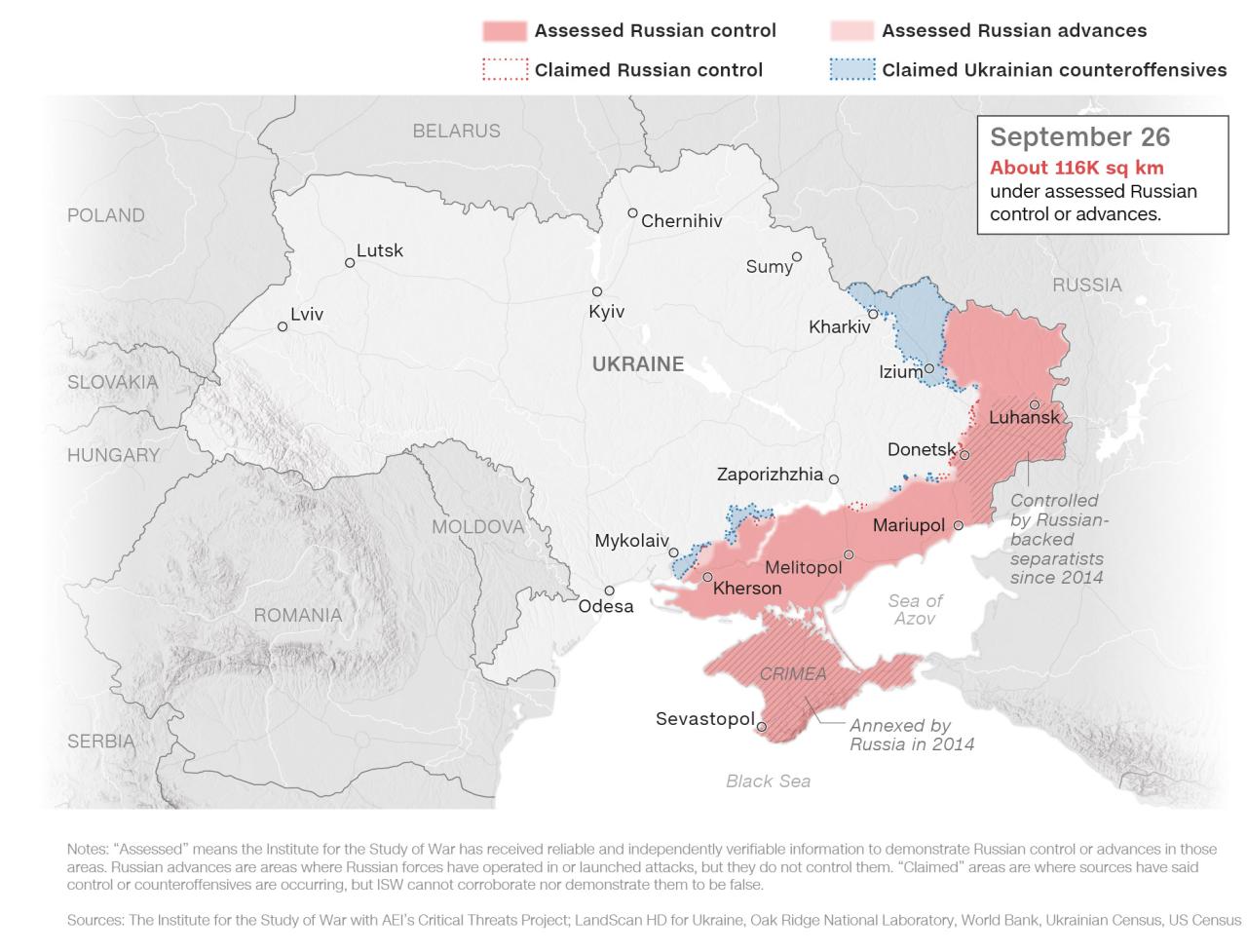
The US claims of a Russian list targeting Ukrainians underscore the complexities and dangers of the ongoing conflict. This revelation raises critical questions about international security, human rights, and the potential for further escalation. As the world grapples with the implications of this allegation, it remains crucial to seek transparency and accountability from all parties involved.
The fate of those potentially listed hangs in the balance, and their safety and well-being must remain paramount in any response to this crisis.