Trump Ordered to Testify: Will He Plead the Fifth?
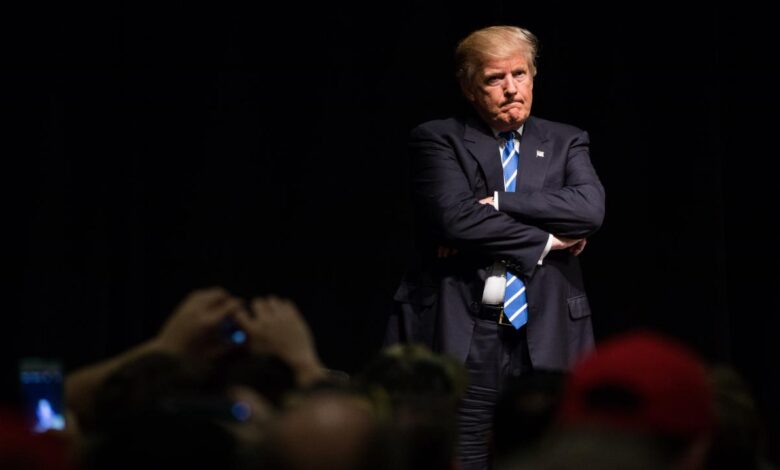
Trumps being ordered to testify will he plead the fifth – Trump Ordered to Testify: Will He Plead the Fifth? This question has become a focal point of intense legal and political scrutiny, with implications that reverberate far beyond the courtroom. The Fifth Amendment, guaranteeing protection against self-incrimination, is at the heart of this unfolding drama, and the potential consequences of Trump’s decision could have a profound impact on the course of ongoing investigations and his future political prospects.
The legal arguments surrounding Trump’s potential invocation of the Fifth Amendment are complex and multifaceted. Legal experts weigh the pros and cons of his decision, considering the potential consequences of testifying or remaining silent. Political analysts are dissecting the potential ramifications of Trump’s actions, analyzing the potential reactions from both Democrats and Republicans, and assessing the impact on his future political aspirations.
The Legal Context
The Fifth Amendment to the United States Constitution is a cornerstone of American jurisprudence, offering fundamental protections against self-incrimination. It states, in part, that “no person…shall be compelled in any criminal case to be a witness against himself.” This principle has significant implications for individuals facing legal proceedings, particularly when called upon to testify.
The legal drama surrounding Trump’s potential testimony is heating up, with speculation swirling about whether he’ll invoke the Fifth Amendment. It’s a stark contrast to the real-world struggles of young people, like the Philadelphia teenagers who are demanding action to remove guns from their streets, as seen in this powerful analysis of their movement.
While Trump’s legal battles play out in the courts, the fight for safer communities is happening on the ground, with real consequences for real people.
Implications of Pleading the Fifth
Pleading the Fifth, or invoking the Fifth Amendment’s privilege against self-incrimination, is a legal right that can be exercised in various situations, including during depositions, trials, and grand jury investigations. The primary implication of pleading the Fifth is the refusal to answer questions that could potentially incriminate the individual.
The question on everyone’s mind is whether Trump will plead the fifth when he’s ordered to testify. It’s a move that could further isolate him, especially as the upcoming hearings with former GOP lawmakers are expected to paint a picture of Trump as abandoned, isolated, and nearly solely responsible for the events of January 6th.
This will be a major blow to his already tarnished reputation , potentially making the decision to plead the fifth even more likely.
This right is not limited to criminal cases; it can also be invoked in civil proceedings where the answers could lead to criminal charges.
Potential Consequences of Pleading the Fifth
While pleading the Fifth is a protected right, it can have certain consequences. One potential consequence is the creation of an inference of guilt. Although the Fifth Amendment protects against being compelled to testify, the jury or judge may draw an inference of guilt from the refusal to answer questions.
This inference is not conclusive, but it can be a factor considered in the decision-making process.
The news about Trump being ordered to testify has everyone wondering if he’ll plead the fifth. It’s a complex situation, and it’s interesting to see how this will play out. While we’re on the topic of high-profile legal battles, I couldn’t help but think of the article I read about will the pro abortion rights billionaires please stand up and how the legal landscape is changing for those who hold strong beliefs about reproductive rights.
Back to Trump, it’ll be fascinating to see if he chooses to remain silent or if he decides to speak his truth.
Arguments for and Against Pleading the Fifth
The decision to plead the Fifth is a complex one, involving careful consideration of legal arguments both for and against.
Arguments in Favor of Pleading the Fifth
- Protection against Self-Incrimination:The Fifth Amendment’s primary purpose is to protect individuals from being forced to provide evidence that could be used against them in criminal proceedings. This protection is essential to ensure a fair trial and prevent the government from coercing confessions or incriminating statements.
- Preservation of Legal Rights:Pleading the Fifth can help preserve legal rights by preventing the individual from inadvertently making incriminating statements that could be used against them. It allows individuals to consult with legal counsel and make informed decisions about their testimony.
- Avoidance of Unnecessary Risk:In some cases, pleading the Fifth may be the most prudent course of action to avoid unnecessary risk. If an individual is unsure of the potential legal implications of their answers, or if they believe that answering questions could lead to criminal charges, pleading the Fifth can protect them from potential harm.
Arguments Against Pleading the Fifth
- Inference of Guilt:As mentioned earlier, pleading the Fifth can create an inference of guilt, which may negatively impact the individual’s case. This inference is not always conclusive, but it can be a factor considered by the jury or judge.
- Damage to Reputation:Publicly invoking the Fifth Amendment can damage an individual’s reputation, particularly if the allegations are serious or widely publicized. This reputational damage can have significant consequences in both personal and professional life.
- Limited Effectiveness:In some cases, pleading the Fifth may not be effective in protecting the individual’s interests. For example, if the individual has already provided incriminating information, pleading the Fifth may not prevent the use of that information against them.
Political Implications
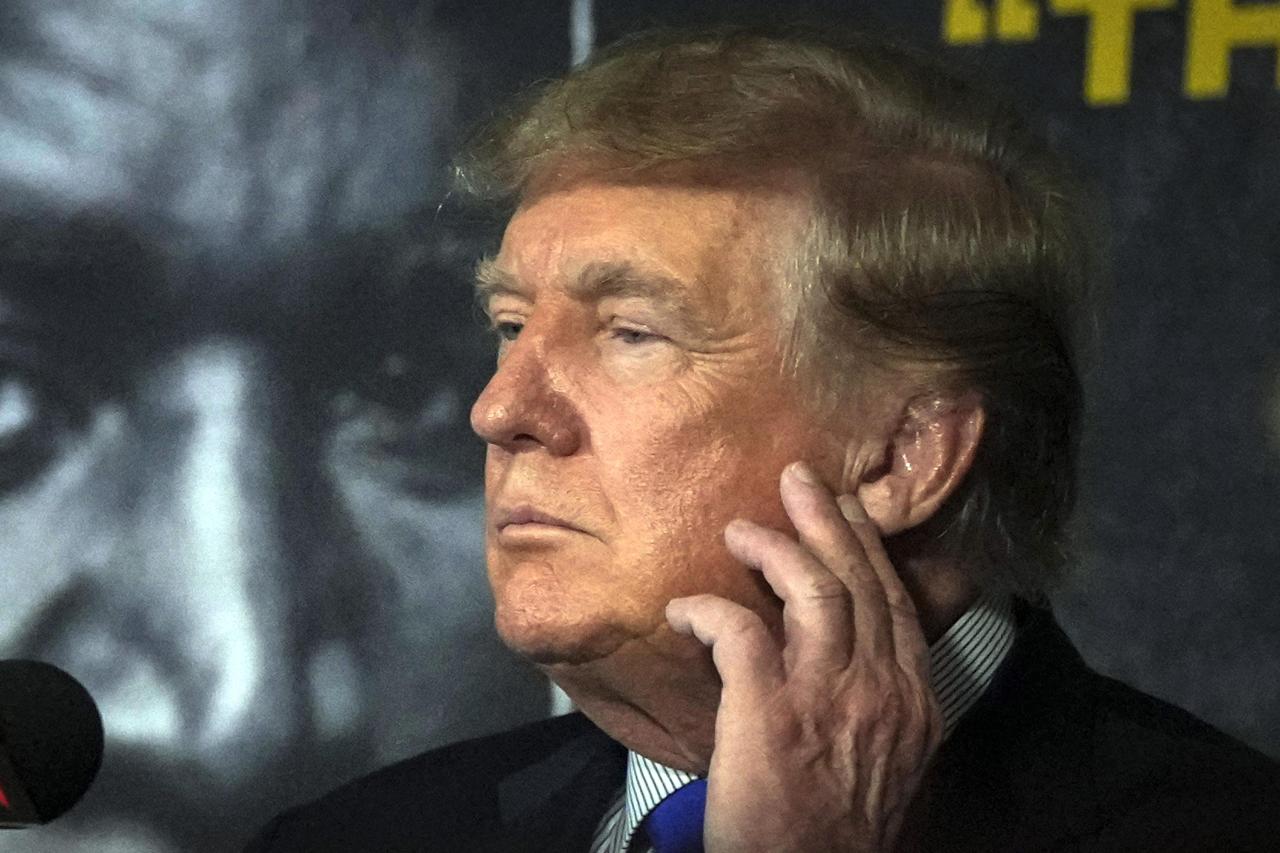
The potential ramifications of Trump’s decision to testify or plead the Fifth in the ongoing investigations are significant and far-reaching, potentially impacting the political landscape in the United States. His decision will likely evoke strong reactions from both Democrats and Republicans, and could influence his future political aspirations.
Potential Reactions from Democrats and Republicans
The political landscape is likely to be deeply divided, with Democrats and Republicans reacting differently to Trump’s decision.
- Democrats, who have long sought to hold Trump accountable for his actions, could view his decision to plead the Fifth as an admission of guilt and further evidence of his alleged wrongdoing. They may use this as ammunition to further criticize him and push for his indictment.
- Republicans, on the other hand, may see his decision as a strategic move to protect himself from potential self-incrimination and a sign of his continued defiance against what they perceive as a politically motivated witch hunt. They might rally around him, further solidifying their support and potentially bolstering his standing within the party.
Impact on Trump’s Future Political Aspirations, Trumps being ordered to testify will he plead the fifth
Trump’s decision could significantly impact his future political aspirations.
- If he chooses to testify and faces a barrage of incriminating questions, his credibility and reputation could be further damaged, potentially hindering his ability to run for office again.
- However, if he chooses to plead the Fifth, he risks alienating some voters who may view it as an admission of guilt. This could negatively affect his chances of securing the Republican nomination in the future.
- Alternatively, his decision to plead the Fifth could solidify his image as a fighter and a victim of political persecution, further energizing his base and potentially boosting his standing among Republican voters.
Public Perception
The decision by former President Trump to plead the Fifth Amendment in response to a subpoena to testify in a New York civil investigation could have a significant impact on public perception of him and his legal situation. It’s a move that is sure to be scrutinized by both his supporters and detractors, and its impact on public trust and the ongoing investigations will be closely watched.
Potential Impact on Public Trust in Trump
The Fifth Amendment of the U.S. Constitution protects individuals from being compelled to testify against themselves in a criminal case. While it is a legal right, invoking it can be perceived by some as an admission of guilt or an attempt to avoid accountability.
This perception could further erode public trust in Trump, particularly among those who already view him with skepticism. For example, a recent poll by the Pew Research Center found that 63% of Americans believe that Trump is likely to have committed a crime, and only 31% believe that he is honest and trustworthy.
This suggests that a significant portion of the population already holds a negative view of Trump, and his decision to plead the Fifth could reinforce these negative perceptions.However, it is important to note that invoking the Fifth Amendment does not necessarily equate to guilt.
It is a legal right that can be exercised by anyone, regardless of their guilt or innocence. Trump’s supporters may view his decision as a strategic move to protect himself from potential legal repercussions, and they may see it as a sign of his strength and determination.
Ultimately, the impact of Trump’s decision on public trust will depend on how it is interpreted by the public. Those who already distrust Trump are likely to view it as further evidence of his wrongdoing, while those who support him may see it as a sign of his resilience.
Potential Impact on the Ongoing Investigations
Trump’s decision to plead the Fifth could have a significant impact on the ongoing investigations into his business dealings. While the Fifth Amendment protects individuals from self-incrimination, it does not prevent prosecutors from using other evidence to build a case against them.
However, Trump’s refusal to testify could make it more difficult for prosecutors to obtain a conviction. This is because prosecutors often rely on witness testimony to corroborate other evidence and to build a compelling narrative for the jury. Without Trump’s testimony, prosecutors may have to rely on circumstantial evidence, which can be more difficult to prove in court.Furthermore, Trump’s decision to plead the Fifth could also raise questions about his credibility.
If he is unwilling to testify about his business dealings, it could create the impression that he has something to hide. This could damage his reputation and make it more difficult for him to defend himself against future legal challenges.In conclusion, the impact of Trump’s decision to plead the Fifth on public perception and the ongoing investigations remains to be seen.
However, it is a significant development that is likely to have far-reaching consequences.
Final Wrap-Up: Trumps Being Ordered To Testify Will He Plead The Fifth
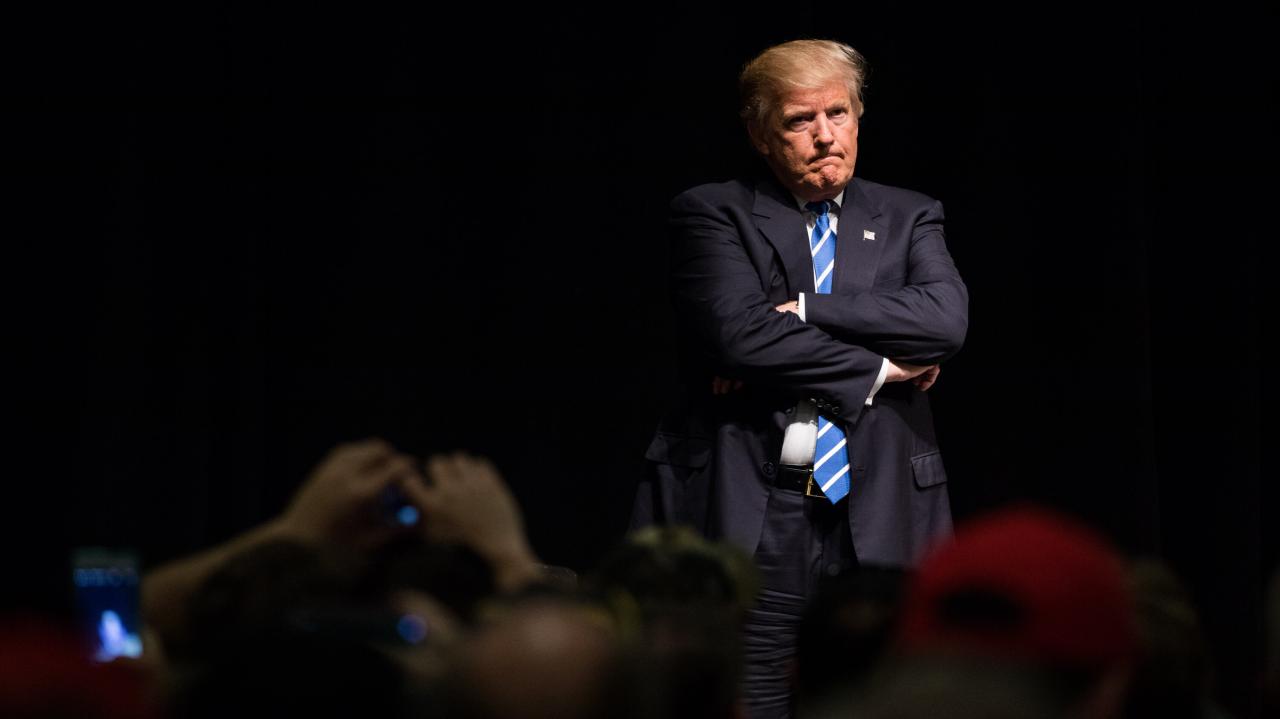
The decision of whether or not to plead the Fifth is a deeply personal one, with weighty implications for both the individual and the public. Trump’s decision will undoubtedly be scrutinized and analyzed from every angle, with far-reaching consequences for the legal and political landscape.
As this unfolding drama continues, it will be fascinating to observe how Trump navigates this complex legal and political minefield and what the ultimate impact will be on the ongoing investigations and his future.