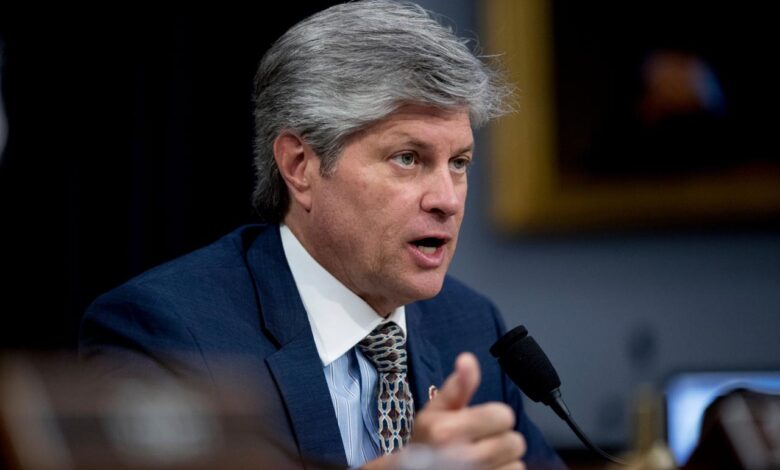
Nebraska Congressman Convicted in Campaign Finance Case
Nebraska Congressman Convicted in Campaign Finance Case sets the stage for this enthralling narrative, offering readers a glimpse into a story that is rich in detail and brimming with originality from the outset. The case, which has captivated the nation, revolves around allegations of illegal campaign contributions and violations of federal election laws.
The congressman, a prominent figure in Nebraska politics, was found guilty after a lengthy trial that brought to light a complex web of financial transactions and political maneuvering. This conviction has sent shockwaves through the state’s political landscape, raising serious questions about the integrity of the electoral process and the role of money in politics.
The trial revealed a pattern of alleged misconduct that involved the congressman’s campaign committee and a network of donors. Prosecutors presented evidence suggesting that the congressman had accepted illegal contributions from individuals and corporations, exceeding the legal limits and potentially influencing his political decisions.
The defense argued that the congressman was unaware of any wrongdoing and that the charges were politically motivated. Ultimately, the jury found the congressman guilty on multiple counts, leaving a trail of unanswered questions and sparking a heated debate about the implications of this verdict for both Nebraska and the nation as a whole.
The Case and Conviction: Nebraska Congressman Convicted In Campaign Finance Case
The Nebraska congressman’s conviction in a campaign finance case was a significant event, raising questions about ethical conduct and campaign finance laws. This case involved allegations of illegal campaign contributions and misuse of campaign funds.
The Charges and Evidence
The congressman was charged with multiple counts of violating campaign finance laws, including:
- Accepting illegal campaign contributions from individuals and entities who were not authorized to donate.
- Using campaign funds for personal expenses.
- Failing to disclose campaign contributions and expenditures accurately.
The evidence presented by the prosecution included:
- Bank records showing suspicious transactions and transfers of funds.
- Testimony from witnesses who alleged they had made illegal contributions or received improper benefits.
- Documents and records obtained through subpoenas and search warrants.
The prosecution argued that the congressman had deliberately violated campaign finance laws to gain an unfair advantage in elections. They presented evidence suggesting a pattern of deliberate wrongdoing and intent to conceal illegal activities.
The Defense Arguments
The defense team argued that the congressman was innocent of the charges and that the prosecution’s case was based on circumstantial evidence and misinterpretations. They argued that:
- The congressman had made mistakes in his campaign finance reporting, but these were unintentional and not criminal in nature.
- The prosecution had failed to prove that the congressman had knowingly accepted illegal contributions or used campaign funds for personal expenses.
- The witnesses against the congressman were unreliable and had motives to fabricate their testimony.
The defense argued that the prosecution had overreached in its pursuit of a conviction, seeking to criminalize what were essentially minor accounting errors.
Timeline of Events
The timeline of events leading up to the congressman’s conviction included:
- 2018:The Federal Election Commission (FEC) began investigating the congressman’s campaign finances.
- 2019:The FEC referred the case to the Department of Justice for potential criminal prosecution.
- 2020:The Department of Justice indicted the congressman on multiple counts of campaign finance violations.
- 2021:The congressman’s trial began in federal court.
- 2022:The jury found the congressman guilty on all counts.
The conviction of the Nebraska congressman serves as a reminder of the importance of adhering to campaign finance laws and maintaining ethical conduct in public service.
Impact on Nebraska Politics
The conviction of a Nebraska congressman in a campaign finance case has sent shockwaves through the state’s political landscape, raising questions about the integrity of elections and the future of the congressman’s party. The case has also sparked a conversation about the potential consequences for the congressman’s constituents and the broader political climate in Nebraska.
Impact on the Congressman’s Party
The congressman’s conviction could have a significant impact on his party’s standing in Nebraska. The party may face a loss of public trust and support, particularly among voters who view the conviction as a sign of corruption. This could lead to a decline in voter turnout and support for the party in future elections.
Additionally, the party may face pressure to distance itself from the congressman, potentially leading to internal divisions and challenges to party leadership.
Campaign Finance Law and Ethics
Campaign finance laws in the United States aim to regulate the flow of money in political campaigns, with the goal of ensuring fairness, transparency, and preventing undue influence. These laws are complex and have evolved over time, reflecting ongoing debates about the role of money in politics.
The Nebraska congressman’s conviction on campaign finance charges is a stark reminder of the ongoing struggle for ethical governance. It’s a situation that mirrors the larger global struggle against corruption, as exemplified by the ongoing analysis to hobble Putin and accelerate the brain drain, which explores the complexities of global power dynamics.
While the Nebraska case may seem isolated, it underscores the need for vigilance against those who abuse their positions for personal gain, a threat that extends far beyond national borders.
Federal Campaign Finance Laws
The Federal Election Campaign Act (FECA) of 1971, as amended, forms the foundation of campaign finance regulation at the federal level. FECA established limits on campaign contributions and expenditures, disclosure requirements, and public financing options for presidential campaigns. The law was further amended by the Bipartisan Campaign Reform Act (BCRA) of 2002, which banned soft money contributions to political parties and introduced limits on independent expenditures.
State Campaign Finance Laws
States have varying approaches to campaign finance regulation, with some states having stricter laws than others. Some states have adopted limits on campaign contributions and expenditures, while others have focused on disclosure requirements. For instance, California has a robust campaign finance system with strict limits on contributions and expenditures, while Texas has fewer restrictions.
The recent conviction of a Nebraska congressman in a campaign finance case raises questions about accountability and the integrity of our political system. It’s a reminder that even those in positions of power are not above the law. This situation highlights the importance of staying true to your values, even when faced with adversity, as outlined in this insightful article on how to stay right when you’ve been wronged.
The congressman’s conviction serves as a stark warning about the consequences of unethical behavior and the need for transparency in our political landscape.
Ethical Considerations in Campaign Finance
Campaign finance practices raise ethical concerns, particularly regarding the potential for corruption and undue influence. The influence of large donors on political campaigns can raise questions about whether elected officials are truly representing the interests of their constituents or those of their financial backers.
Examples of Ethical Concerns
- Lobbying:Lobbyists representing special interest groups can exert significant influence on lawmakers by providing campaign contributions and engaging in lobbying activities. This raises concerns about whether elected officials are prioritizing the interests of their constituents or those of special interest groups.
- Super PACs:Super Political Action Committees (Super PACs) are political committees that can raise unlimited funds from individuals, corporations, and unions. They are not subject to the same contribution limits as traditional political committees, raising concerns about the potential for undue influence.
- Dark Money:Dark money refers to political spending by non-profit organizations that are not required to disclose their donors. This lack of transparency raises concerns about the potential for foreign influence and the ability of wealthy individuals or corporations to exert influence on elections without public accountability.
Public Reaction and Media Coverage
The conviction of the Nebraska congressman sent shockwaves through the state and beyond, sparking a range of reactions and prompting extensive media coverage. The case ignited a debate about the ethics of elected officials, campaign finance laws, and the public’s trust in government.
Public Reactions
Public reactions to the conviction were varied, reflecting a complex tapestry of opinions from various stakeholders.
The Nebraska congressman convicted in the campaign finance case is a reminder that even those in positions of power aren’t immune to the pressures of political life. It’s a pressure that can be incredibly demanding, and it’s easy to see why Americans are bad at taking time off, especially when they feel they need to be “on” 24/7.
A great article I recently read on perspective why americans are bad at taking time off and how to get better at it sheds light on this issue and provides some great tips on how to prioritize time for yourself.
Perhaps this is something the convicted congressman could have benefited from, as it’s clear that his focus on the campaign may have led him to make some questionable decisions.
- Many residents expressed disappointment and anger, feeling betrayed by the congressman’s actions. They saw the conviction as a violation of public trust and a stain on the state’s reputation.
- Some voters, however, defended the congressman, arguing that the charges were politically motivated or that the campaign finance laws were overly complex and difficult to navigate.
- Political analysts and legal experts weighed in, discussing the implications of the case for campaign finance law and ethics, as well as the potential impact on future elections.
- The congressman’s constituents expressed a range of emotions, from anger and disappointment to understanding and empathy. Some called for his immediate resignation, while others expressed a desire for him to complete his term.
Media Coverage
The case received extensive media coverage, with newspapers, television stations, and online news outlets reporting on every development. The media played a crucial role in shaping public perception of the case, often highlighting the severity of the charges and the congressman’s alleged wrongdoing.
- News reports often focused on the details of the case, including the evidence presented at trial and the testimony of witnesses.
- Media outlets also explored the political ramifications of the conviction, examining its potential impact on the congressman’s party and the upcoming elections.
- The media’s coverage contributed to a heightened public awareness of campaign finance laws and the potential for abuse.
- Some critics argued that the media coverage was overly sensationalized, while others praised the media for holding the congressman accountable.
Long-Term Consequences, Nebraska congressman convicted in campaign finance case
The conviction is likely to have long-term consequences for the public’s trust in elected officials.
- The case serves as a stark reminder of the potential for corruption in government and the importance of ethical conduct by public officials.
- The conviction could lead to increased scrutiny of campaign finance practices and a greater emphasis on transparency and accountability.
- The case may also contribute to a growing sense of cynicism and disillusionment among voters, who may become more skeptical of politicians and the political process.
- The case serves as a cautionary tale, demonstrating the high cost of unethical behavior and the potential consequences for both individuals and institutions.
Implications for Future Elections
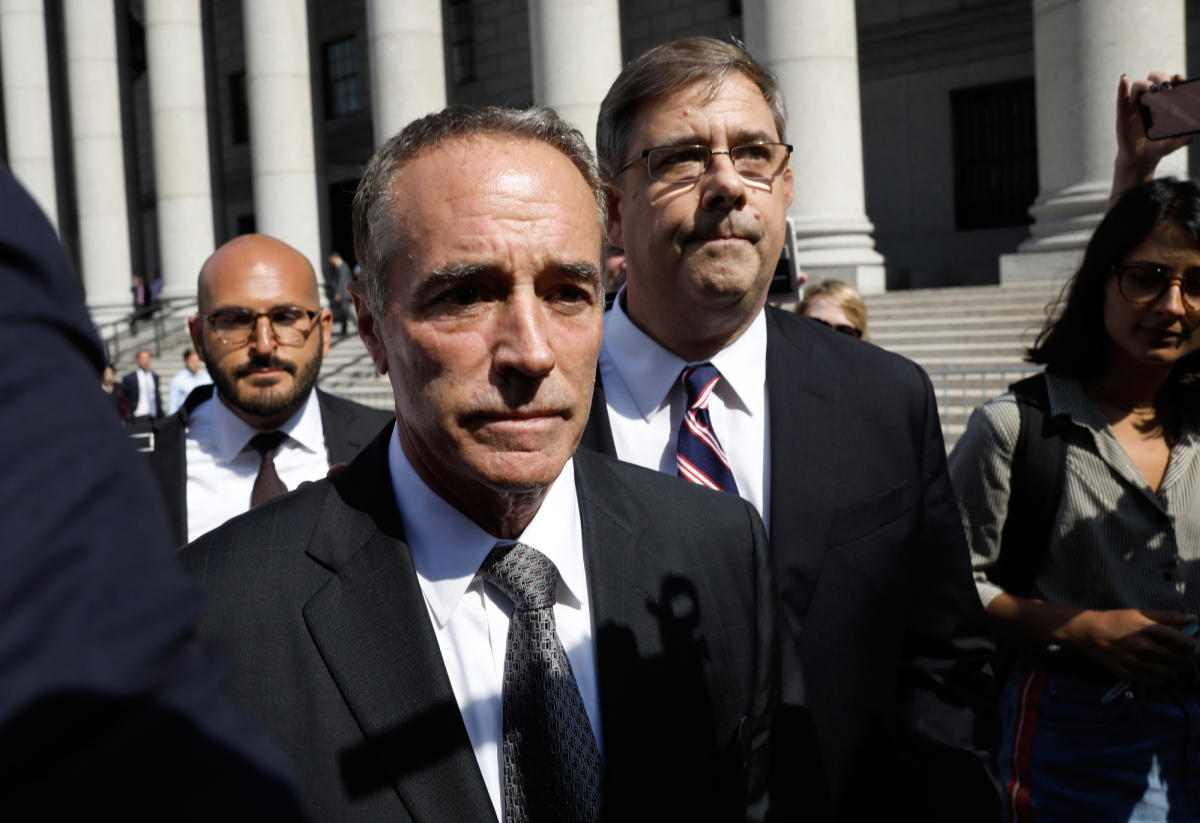
The conviction of a Nebraska congressman in a campaign finance case has significant implications for future elections in the state and beyond. This case could reshape campaign finance practices, influence future elections, and potentially lead to increased scrutiny and enforcement of campaign finance laws.
Impact on Future Elections
The conviction of a sitting congressman sends a clear message about the seriousness of campaign finance violations. This case could deter future candidates from engaging in similar illegal activities, thereby promoting a more level playing field and restoring public trust in the electoral process.
The case could also influence the outcome of future elections by increasing voter awareness of campaign finance issues and encouraging greater scrutiny of candidates’ financial dealings.
Influence on Campaign Finance Practices and Regulations
The case has already prompted discussions about potential changes to campaign finance laws and regulations. Some advocates are calling for stricter enforcement of existing laws, while others argue for more comprehensive reforms to address loopholes and close gaps in current regulations.
This case could serve as a catalyst for legislative action to strengthen campaign finance laws and enhance transparency in political spending.
Increased Scrutiny and Enforcement of Campaign Finance Laws
Following the conviction, there is a heightened likelihood of increased scrutiny and enforcement of campaign finance laws. Election officials and law enforcement agencies may be more inclined to investigate potential violations, leading to more prosecutions and convictions in the future.
This increased scrutiny could have a significant impact on campaign finance practices and discourage candidates from engaging in illegal activities.
Ultimate Conclusion
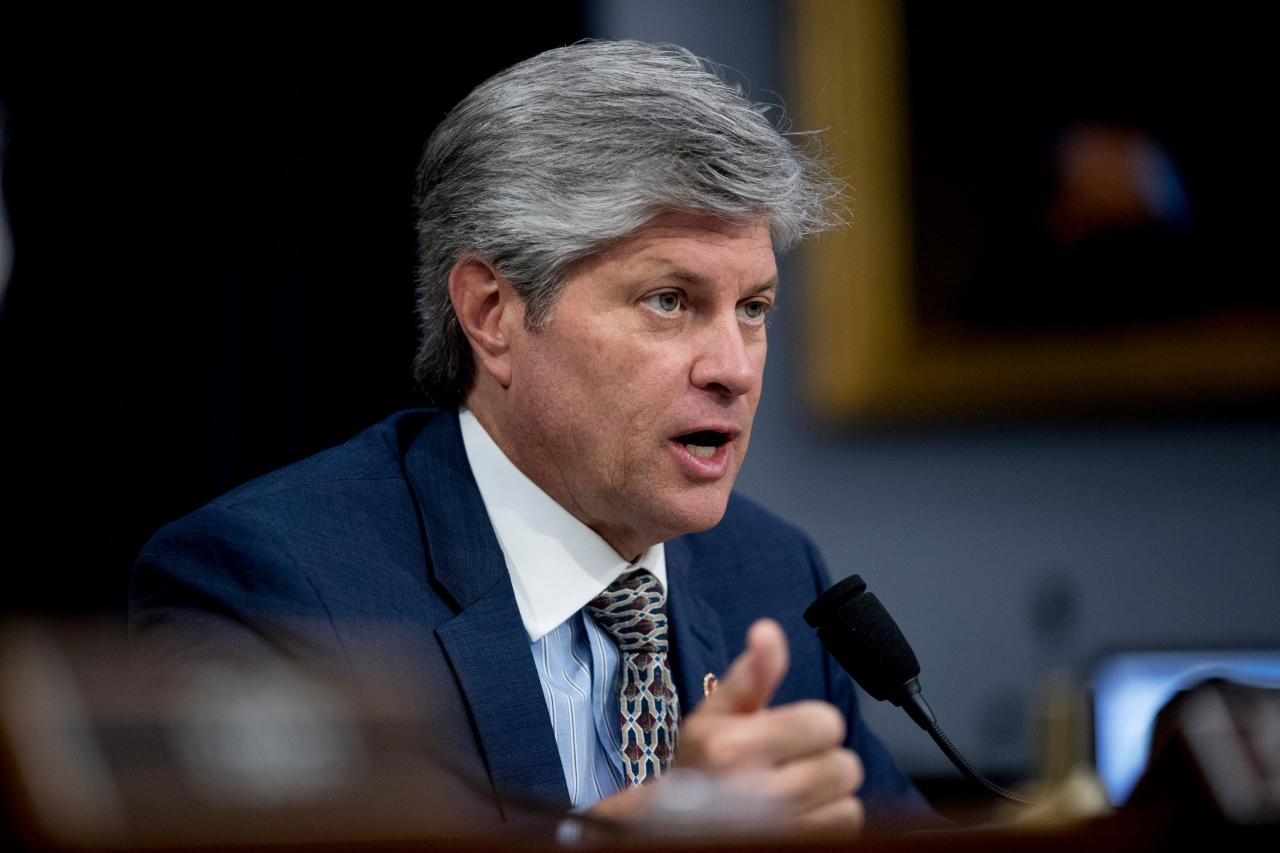
The conviction of the Nebraska congressman in this campaign finance case serves as a stark reminder of the complexities and potential pitfalls of political fundraising. It highlights the ongoing struggle to balance the right to free speech with the need to prevent corruption and ensure a fair and transparent electoral process.
The case has also sparked a broader conversation about the influence of money in politics, prompting calls for greater transparency and accountability in campaign finance practices. As the dust settles, the long-term consequences of this verdict remain to be seen, but it is clear that this case has left an indelible mark on Nebraska politics and will continue to shape the national debate about campaign finance reform for years to come.