Thousands of Mail Ballots Face Rejection in Texas During Early Voting
Thousands of mail ballots face possible rejection in Texas during early voting, a development that has raised concerns about voter access and election integrity. The situation highlights a complex interplay of legal requirements, voter practices, and public perception, all of which have the potential to impact the outcome of the upcoming elections.
The potential for widespread ballot rejection stems from a combination of factors, including stringent verification procedures, potential confusion regarding eligibility criteria, and the overall climate of distrust surrounding mail-in voting. These factors have created a sense of uncertainty for voters and have prompted calls for greater clarity and transparency in the election process.
Ballot Rejection Context
The potential rejection of thousands of mail ballots in Texas during early voting has raised concerns about voter access and the integrity of the upcoming election. This issue stems from a combination of factors, including strict state laws, potential errors in ballot completion, and ongoing legal challenges.
It’s disheartening to hear about thousands of mail ballots potentially being rejected in Texas during early voting. While the political landscape is always in flux, it’s interesting to consider how the rise of remote work is transforming office spaces.
Check out this council post on three ways to transform your commercial office space in response to remote work to see how businesses are adapting. It’s a reminder that even with the complexities of elections, innovation and change are happening all around us.
Reasons for Ballot Rejection
The potential for widespread ballot rejections in Texas is largely attributed to the state’s stringent mail-in ballot requirements. Texas law restricts who can vote by mail, requiring voters to meet specific criteria, such as being 65 years of age or older, having a disability, or being out of the county during early voting.
It’s disheartening to see thousands of mail ballots potentially rejected in Texas during early voting. This issue highlights the need for accessible and secure voting options, something that Secretary of Education Miguel Cardona emphasized during his visit to Los Angeles, where he urged colleges to prioritize student housing.
In his speech, Cardona stressed the importance of affordable housing as a key factor in student success. Just like accessible voting, providing affordable housing ensures that all students have a fair chance to thrive. Hopefully, Texas will find a way to ensure its voters have access to a fair and reliable voting process, especially with so many ballots at risk of rejection.
These limitations can disproportionately impact certain demographic groups, potentially leading to a higher rejection rate among specific populations.
The news about thousands of mail ballots facing possible rejection in Texas during early voting is concerning, especially given the potential for voter disenfranchisement. It reminds me of Elon Musk’s controversial return-to-office plan, which, while generating much debate, highlights an important point every leader should follow: clear communication.
Elon Musk’s controversial return to the office plan makes 1 important point every leader should follow – transparency about expectations and clear communication can prevent confusion and unnecessary stress. This principle is crucial in the context of the Texas ballot issue, as voters need to understand the requirements and potential consequences of their voting choices.
Specific Criteria for Rejection
Several factors can contribute to ballot rejections, including:
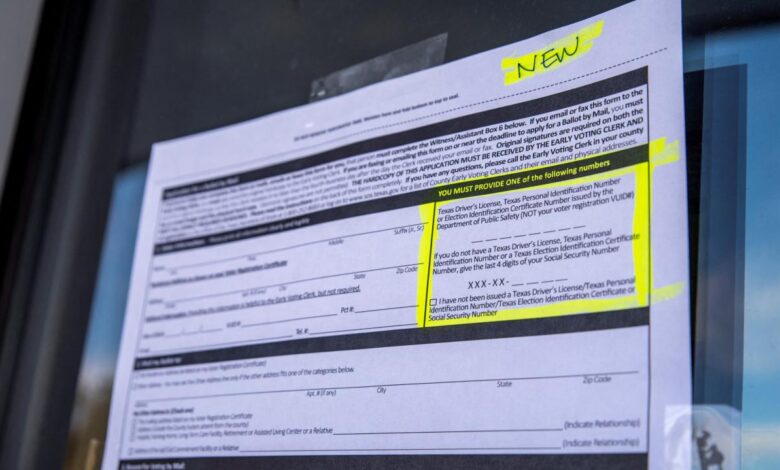
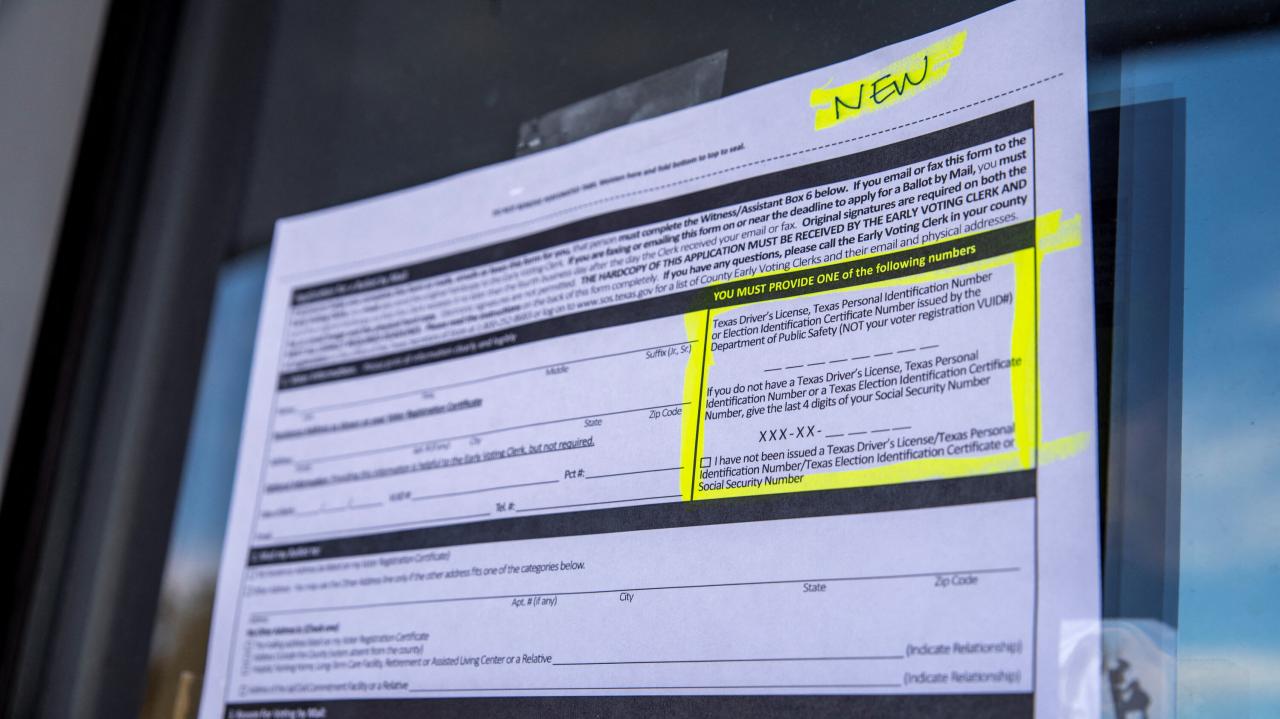
- Missing or Incorrect Information:Ballots lacking essential information, such as the voter’s signature, date of birth, or address, may be rejected.
- Incorrectly Completed Applications:Applications for mail-in ballots must be filled out accurately and completely, including the voter’s eligibility criteria. Any inconsistencies or errors in the application could result in ballot rejection.
- Untimely Submission:Ballots must be received by the county election office by a specific deadline. Ballots received after this deadline will be rejected.
- Damaged or Unreadable Ballots:Ballots that are damaged, torn, or otherwise illegible may be rejected.
Potential Impact of Rejections
The potential rejection of thousands of mail ballots could have a significant impact on voter turnout and election outcomes. If voters are unaware of the strict requirements or make unintentional errors in their ballots, they risk having their votes invalidated.
This could discourage some voters from participating in the election, particularly those who rely on mail-in voting due to disability, illness, or other factors. Additionally, the rejection of a large number of ballots could affect the outcome of close races, potentially altering the balance of power in local, state, and national elections.
Legal and Procedural Aspects
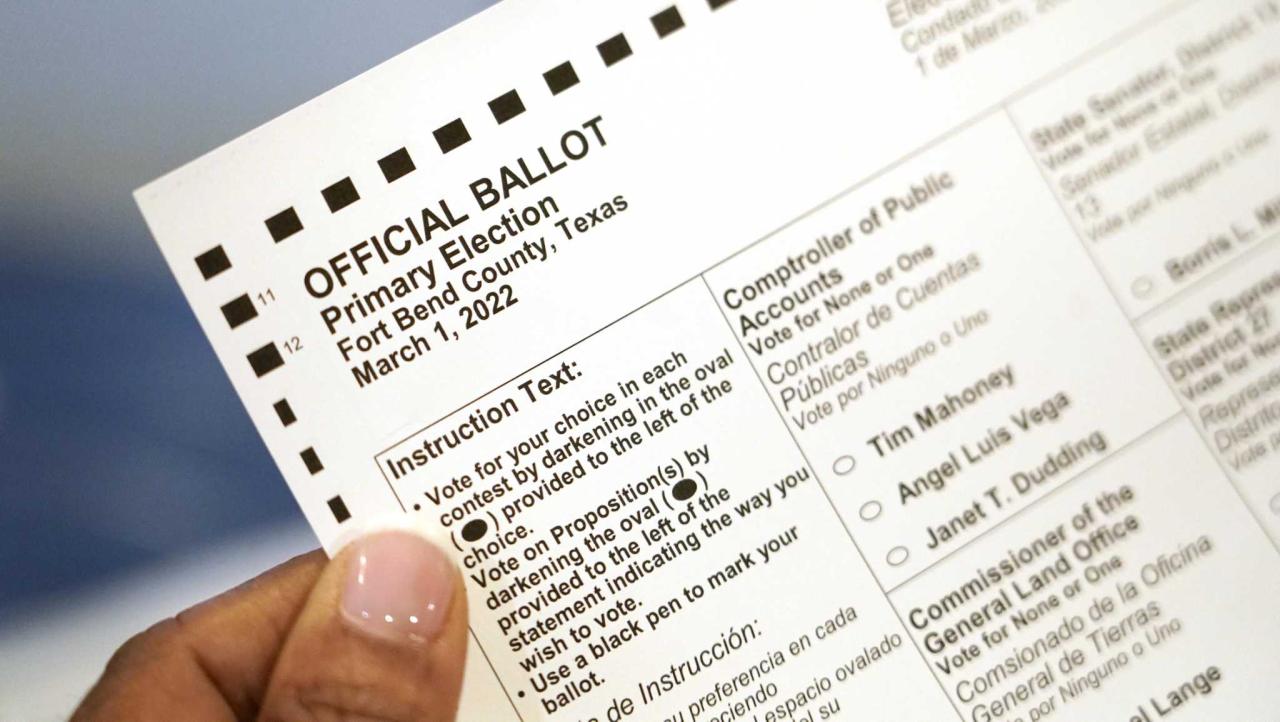
The legal framework governing mail-in voting in Texas is a complex and often contentious one. The state has strict rules surrounding absentee voting, and these rules are frequently subject to legal challenges. Understanding these rules is crucial for voters seeking to cast their ballots by mail, as well as for election officials responsible for verifying and processing these ballots.
Mail-in Voting Eligibility in Texas
Texas law permits voting by mail only under specific circumstances. Voters must meet one of the following criteria to be eligible for an absentee ballot:
- Being 65 years of age or older
- Being sick or disabled
- Being out of the county during early voting and Election Day
- Being confined in jail but eligible to vote
- Being a registered voter who is expected to be absent from the county during early voting and Election Day due to military service or being the spouse or dependent of a member of the military on active duty
Procedures for Verifying and Processing Mail Ballots, Thousands of mail ballots face possible rejection in texas during early voting
Once a mail-in ballot is received, election officials must verify the voter’s eligibility and ensure the ballot is properly completed. This process includes:
- Verification of Voter Registration:The voter’s name and address are compared to the official voter registration records to ensure they are registered to vote in the county.
- Signature Verification:The voter’s signature on the ballot envelope is compared to the signature on file with the voter registration records. Any discrepancies can lead to ballot rejection.
- Completeness of Ballot:The ballot must be properly filled out, with all required information included. Any missing information can lead to rejection.
Legal Challenges and Controversies
The process of verifying and processing mail-in ballots in Texas has been subject to numerous legal challenges and controversies. Some of the key issues include:
- Strict Signature Matching Requirements:The state’s strict signature matching rules have been criticized for leading to unnecessary ballot rejections, particularly among elderly voters or those with physical disabilities who may have difficulty signing consistently.
- Lack of Clarity Regarding Eligibility:The specific criteria for mail-in voting eligibility have been subject to debate, with some arguing that the rules are overly restrictive and prevent eligible voters from accessing this option.
- Limited Timeframe for Ballot Processing:The timeframes for processing and counting mail-in ballots are often tight, which can lead to delays and concerns about whether all eligible ballots will be counted in a timely manner.
Public Perception and Reactions
The potential rejection of thousands of mail ballots in Texas during early voting has sparked widespread concern and controversy. The situation has fueled public discourse, raising questions about the integrity of the election process and the potential disenfranchisement of voters.
The media coverage and public reactions to this development have significantly impacted voter sentiment and perceptions of the election.
Impact on Voter Sentiment
The news of potential ballot rejections has generated a range of reactions among voters. Some voters feel anxious and uncertain about the outcome of the election, questioning the fairness and reliability of the voting process. Others are angered by the possibility of disenfranchisement, particularly among communities that rely heavily on mail-in voting.
This situation has heightened tensions and anxieties, especially in a state with a history of contentious elections.
Role of Media Coverage and Public Discourse
The media’s role in shaping public perception is crucial. The way media outlets report on the potential ballot rejections can influence public opinion and understanding of the issue. Some media outlets may emphasize the potential for widespread disenfranchisement, while others may focus on the legal and procedural aspects of the situation.
The tone and framing of news coverage can significantly impact how voters perceive the situation.Public discourse on social media and other platforms further shapes public perception. Individuals and groups engage in discussions and debates, expressing their opinions and concerns about the potential ballot rejections.
These conversations can contribute to a broader understanding of the issue, but they can also amplify misinformation and create a polarized environment.
Responses of Different Groups
Different groups are likely to respond to the situation in distinct ways. For example, voter advocacy groups may raise legal challenges and mobilize their supporters to ensure that all eligible voters have access to the ballot box. Political parties may use the situation to mobilize their bases and influence public opinion.
“The potential rejection of thousands of mail ballots is a serious threat to our democracy. It is essential that we ensure that all eligible voters have the opportunity to cast their ballots and have their votes counted.”
[Name of Voter Advocacy Group]
Civil rights organizations may express concerns about the disproportionate impact of ballot rejections on minority communities, highlighting the potential for voter suppression. Legal experts may analyze the legal arguments and procedures surrounding the ballot rejections, providing insights into the potential outcomes of legal challenges.
Final Thoughts: Thousands Of Mail Ballots Face Possible Rejection In Texas During Early Voting
The potential rejection of thousands of mail ballots in Texas underscores the importance of accessible, accurate, and fair voting processes. As we navigate this complex landscape, it’s crucial to engage in open dialogue, ensure that voters are properly informed, and advocate for policies that promote equitable access to the ballot box.
The outcome of this situation will have far-reaching implications for voter participation and the integrity of our elections, making it a matter of critical importance for all Texans.