
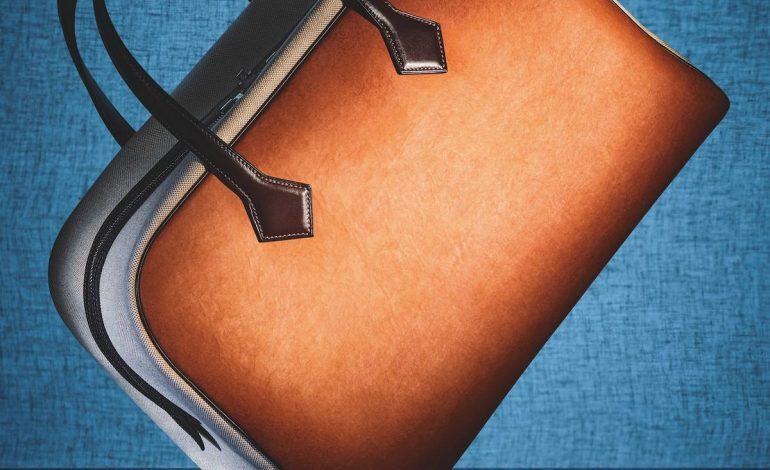
Hermes Handbags: The Rise of Mushroom Leather
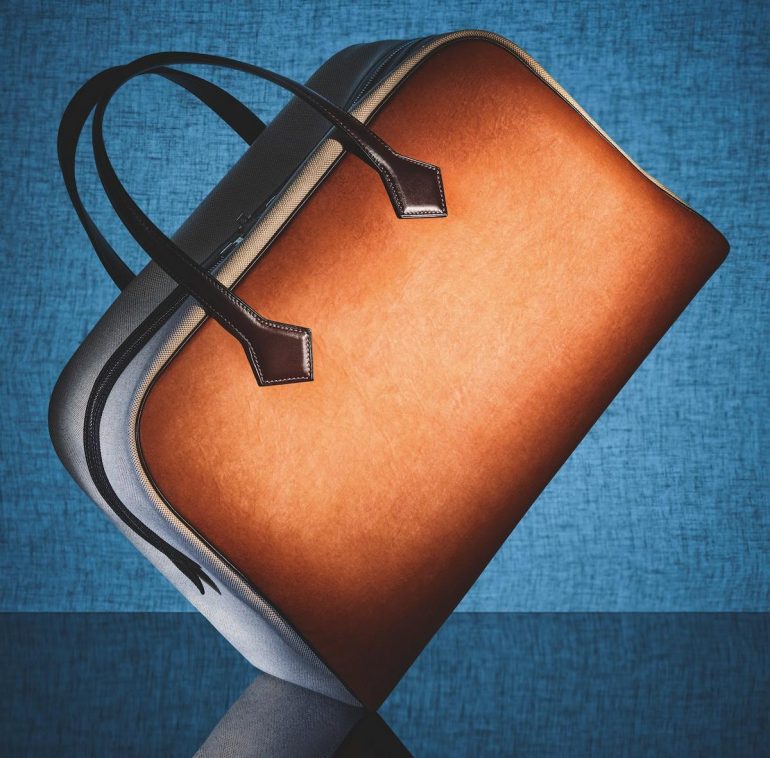
This mushroom leather is being made into hermes handbags – Hermes Handbags: The Rise of Mushroom Leather – Imagine a luxury handbag crafted not from animal hide, but from a sustainable material grown from the earth. This is the reality becoming a possibility, as the iconic brand Hermes explores the use of mushroom leather in its coveted designs.
This innovative material, a byproduct of mycelium, the root system of mushrooms, is gaining traction as a viable alternative to traditional leather, promising a future where luxury and sustainability go hand-in-hand.
The concept of mushroom leather might seem like a futuristic invention, but it’s rooted in the principles of sustainability and innovation. The process involves cultivating a specific type of mushroom in controlled environments, where the mycelium grows into a dense, leather-like material.
This material is then treated and processed to create a durable and versatile substance that can be used in a wide range of applications, including handbags, shoes, and accessories. The environmental benefits of mushroom leather are undeniable, as it requires significantly less water, land, and energy to produce compared to traditional leather.
It also generates less waste and carbon emissions, making it a more responsible choice for fashion-conscious consumers.
The Rise of Mushroom Leather: This Mushroom Leather Is Being Made Into Hermes Handbags
The fashion industry is undergoing a significant transformation, driven by a growing awareness of the environmental impact of traditional materials. One of the most promising innovations in this space is mushroom leather, a sustainable alternative to animal leather that is rapidly gaining popularity.
This eco-friendly material is derived from the mycelium of mushrooms, the root-like network that spreads underground.
The Origins of Mushroom Leather
The concept of using mushrooms to create leather-like materials is not entirely new. For centuries, various cultures have utilized fungi for various purposes, including textiles and construction. However, the modern development of mushroom leather as a viable alternative to animal leather is relatively recent.
The emergence of this innovative material can be attributed to the increasing demand for sustainable and cruelty-free alternatives in the fashion industry.
The Process of Cultivating and Transforming Mushrooms into Leather-Like Material
The process of creating mushroom leather involves cultivating specific types of fungi in controlled environments. The mycelium is grown on a substrate, typically agricultural waste like sawdust or hemp, creating a dense network of interwoven fibers. Once the mycelium has grown to a desired thickness, it is harvested and treated with a combination of heat and pressure.
This process binds the fibers together, creating a durable and flexible material that resembles leather in appearance and texture. The resulting material can then be dyed, embossed, and finished to create a variety of textures and colors.
Environmental Benefits of Using Mushroom Leather, This mushroom leather is being made into hermes handbags
Mushroom leather offers a number of environmental advantages over traditional leather:
Reduced Carbon Footprint
The production of traditional leather is a resource-intensive process that contributes significantly to greenhouse gas emissions. The cultivation of mushrooms, on the other hand, requires minimal energy and water, resulting in a significantly lower carbon footprint.
Reduced Resource Consumption
Mushroom leather is grown on agricultural waste, reducing the need for virgin materials and minimizing land use. In contrast, the production of animal leather requires vast amounts of land for grazing and the raising of livestock.
Biodegradability
Mushroom leather is biodegradable, meaning it will decompose naturally over time, unlike traditional leather which can persist in landfills for centuries.
Cruelty-Free
Mushroom leather is a cruelty-free alternative to animal leather, aligning with the growing ethical concerns surrounding the use of animal products in the fashion industry.
Hermes and the Luxury Market
Hermes, a name synonymous with luxury, craftsmanship, and timeless elegance, has been a dominant force in the global fashion industry for over 180 years. The brand’s history is deeply intertwined with its dedication to quality, tradition, and exclusivity, elements that have contributed to its enduring appeal and iconic status.
The Prestige and History of Hermes
Hermes’ journey began in 1837 when Thierry Hermes, a saddle maker, established a workshop in Paris. The brand’s initial focus on equestrian equipment, particularly saddles and harnesses, quickly gained recognition for its exceptional craftsmanship and attention to detail. This dedication to quality and artistry laid the foundation for Hermes’ future success.
Over time, Hermes expanded its product offerings to include leather goods, clothing, perfumes, and home furnishings, each reflecting the brand’s unwavering commitment to luxury and exquisite design.
Hermes’ Commitment to Innovation and Sustainability
Despite its heritage, Hermes is not a brand that rests on its laurels. It continuously pushes boundaries in terms of innovation and sustainability. This commitment is evident in the brand’s use of high-quality materials, its dedication to ethical sourcing practices, and its ongoing exploration of new technologies.
It’s fascinating how this mushroom leather is being made into Hermès handbags, a testament to the innovative ways we’re finding to use sustainable materials. It reminds me of the article I read about analyzing the long-lasting legacy of a short-term prime minister , which highlighted how even brief periods of leadership can leave a lasting impact.
Just like the mushroom leather, which might seem like a fleeting trend, could potentially reshape the luxury fashion industry, a short-term prime minister’s decisions can ripple through society for years to come.
For example, Hermes’ recent foray into mushroom leather represents a significant step towards sustainable luxury, demonstrating the brand’s willingness to embrace innovative materials that align with its values.
The Impact of Mushroom Leather on Hermes’ Brand Image and Customer Perception
The introduction of mushroom leather into Hermes’ handbag collection could have a profound impact on the brand’s image and customer perception. For environmentally conscious consumers, the use of this sustainable material could reinforce Hermes’ commitment to ethical practices and resonate with their values.
This could attract a new generation of luxury consumers who prioritize sustainability without compromising on quality and style. However, the brand must navigate potential challenges, such as educating consumers about the benefits of mushroom leather and ensuring its quality meets the high standards expected from Hermes.
Fashion and Sustainability
The rise of mushroom leather in the luxury market is a significant development, signifying a growing shift towards sustainable practices within the fashion industry. As consumers become increasingly aware of the environmental and ethical implications of traditional leather production, demand for eco-friendly alternatives is surging.
This section explores the growing demand for sustainable fashion practices within the luxury industry, discusses the ethical and environmental considerations surrounding leather production, and compares the properties of mushroom leather to traditional leather.
Ethical and Environmental Considerations of Traditional Leather Production
The traditional leather industry faces significant ethical and environmental challenges. Animal welfare concerns are a major issue, as leather production often involves intensive farming practices that can result in poor living conditions for animals. Furthermore, the tanning process, which transforms animal hides into leather, utilizes large quantities of chemicals, some of which are hazardous and can pollute water sources.
The environmental impact of traditional leather production also extends to the deforestation that occurs to meet the demand for grazing land for livestock.
Comparing Mushroom Leather to Traditional Leather
Mushroom leather offers a compelling alternative to traditional leather, boasting a range of advantages in terms of sustainability, durability, and aesthetics. Here is a detailed comparison of the two materials:
Durability
Mushroom leather is remarkably durable, possessing comparable strength and resilience to traditional leather. Its fibrous structure, derived from the mycelium of fungi, provides excellent tensile strength and tear resistance. This durability makes mushroom leather suitable for a wide range of applications, including handbags, shoes, and apparel.
Aesthetics
Mushroom leather exhibits a unique aesthetic appeal, with a soft, supple texture and a natural, earthy tone. Its surface can be treated to achieve various finishes, ranging from smooth and polished to textured and embossed. The natural variations in the mushroom leather’s surface contribute to its distinctive character, making it a desirable material for luxury goods.
Performance
Mushroom leather possesses excellent breathability and water resistance, making it suitable for a wide range of climates and conditions. Its natural antimicrobial properties also contribute to its longevity, reducing the risk of mold and mildew growth. Moreover, mushroom leather is biodegradable, minimizing its environmental footprint at the end of its lifecycle.
The Future of Sustainable Materials
The emergence of mushroom leather as a viable alternative to traditional animal leather has ignited a wave of excitement within the fashion and luxury industries. This innovative material not only offers a cruelty-free and eco-friendly solution but also paves the way for a future where sustainable practices are the norm.
As research and development in the field of bio-based materials continues to advance, the potential applications of mushroom leather extend far beyond handbags.
Potential Applications Beyond Handbags
Mushroom leather’s versatility and unique properties make it suitable for a wide range of applications beyond handbags.
It’s fascinating to see how the world of luxury fashion is embracing sustainable materials, like mushroom leather being used for Hermes handbags. This trend highlights the growing importance of ethical practices, and it reminds me of how accountability is the ultimate personal brand trait.
If you want to build a strong reputation, it’s crucial to be accountable for your actions and words, as explained in this insightful article why accountability is the ultimate personal brand trait and 4 ways to make it the center of your value system.
Just like Hermes is taking responsibility for sourcing sustainable materials, building a strong personal brand requires a commitment to integrity and ethical practices. The future of luxury, and of personal branding, lies in embracing accountability and responsible choices, and the use of mushroom leather in Hermes handbags is a great example of this shift.
- Furniture Upholstery:Mushroom leather’s durability and resistance to wear and tear make it an ideal material for furniture upholstery. Its soft texture and natural aesthetic can add a touch of elegance to any space.
- Automotive Interiors:The lightweight and breathable nature of mushroom leather makes it a promising option for automotive interiors. It can be used to create seats, dashboards, and door panels that are both comfortable and sustainable.
- Footwear:Mushroom leather’s flexibility and water-resistance make it suitable for footwear applications. It can be used to create shoes, boots, and sandals that are both stylish and durable.
- Accessories:Mushroom leather can be used to create a wide range of accessories, including belts, wallets, and jewelry. Its unique texture and color variations add a touch of sophistication to any outfit.
- Packaging:Mushroom leather’s biodegradability and compostability make it an ideal material for packaging. It can be used to create boxes, bags, and other packaging materials that are both sustainable and aesthetically pleasing.
Ongoing Research and Development in Bio-Based Materials
The field of bio-based materials is witnessing a surge in research and development, with a focus on creating sustainable alternatives to traditional materials.
- Mycelium-Based Materials:Mycelium, the root structure of fungi, is being explored for its potential to create a wide range of materials, including insulation, packaging, and construction materials. Researchers are experimenting with different fungal species and growth conditions to optimize the properties of mycelium-based materials.
- Bio-Based Plastics:Bio-based plastics are made from renewable resources, such as corn starch, sugarcane, and algae. These plastics offer a more sustainable alternative to traditional petroleum-based plastics.
- Bio-Textiles:Bio-textiles are made from natural fibers, such as cotton, hemp, and flax. They are often more sustainable than synthetic textiles, as they require less water and energy to produce.
Potential for Mushroom Leather to Revolutionize the Fashion and Luxury Industries
Mushroom leather has the potential to revolutionize the fashion and luxury industries by offering a sustainable and ethical alternative to traditional animal leather.
It’s a strange world we live in, isn’t it? While luxury brands like Hermes are embracing sustainable materials like mushroom leather, amid global chaos the tech industry takes a rare tumble. Maybe it’s a sign of the times – a shift towards more conscious consumption.
Either way, it’s fascinating to see how these contrasting trends are playing out in the world of fashion and technology.
- Reduced Environmental Impact:The production of mushroom leather requires significantly less water, land, and energy than the production of traditional leather. It also generates less greenhouse gas emissions.
- Ethical Sourcing:Mushroom leather is a cruelty-free material, as it does not involve the harming of animals. This aligns with the growing consumer demand for ethical and sustainable products.
- Innovation and Design:Mushroom leather’s unique properties, such as its texture, flexibility, and color variations, offer designers a new canvas for creativity. It can be used to create innovative and sustainable designs that push the boundaries of fashion.
Visual Representation
Visualizing the transformation of mycelium into a luxurious handbag is a journey that showcases the remarkable potential of sustainable materials. This section explores the process of mushroom leather production and compares its characteristics to traditional leather. It also provides a glimpse into the elegant applications of this innovative material in the luxury market.
Mushroom Leather Production Stages
This table details the key stages involved in the production of mushroom leather:
| Stage | Description |
|---|---|
| Cultivation | Mycelium, the root-like structure of mushrooms, is grown in controlled environments using sustainable agricultural practices. |
| Harvesting | The mycelium is harvested after reaching a specific growth stage, ensuring optimal material quality. |
| Processing | The harvested mycelium undergoes a series of processes, including drying, tanning, and dyeing, to transform it into leather-like material. |
| Finishing | The finished mushroom leather is then cut, shaped, and assembled into various luxury goods, such as handbags, shoes, and accessories. |
Comparison of Traditional Leather and Mushroom Leather
Here is a visual representation of the differences between traditional leather and mushroom leather:
Traditional Leather:
- Derived from animal hides
- Requires extensive processing, including tanning with chemicals
- Can be durable but also prone to damage and wear
- Not a sustainable material due to environmental impact
Mushroom Leather:
- Derived from mycelium, a renewable and sustainable resource
- Requires less processing, with minimal chemical use
- Offers similar durability and aesthetics to traditional leather
- Environmentally friendly and ethical alternative to animal leather
Mushroom Leather in Luxury Goods
Mushroom leather is gaining traction in the luxury market, finding its way into various high-end products. Here are some examples:
Handbags
Mushroom leather is being used to create elegant and sustainable handbags, featuring intricate designs and rich textures.
Shoes
The material is used to craft stylish and durable shoes, offering a luxurious and environmentally conscious alternative to traditional leather footwear.
Accessories
Mushroom leather is being incorporated into various accessories, such as belts, wallets, and jewelry, showcasing its versatility and appeal.
Ending Remarks
As the fashion industry grapples with the environmental impact of traditional materials, the rise of mushroom leather signifies a shift towards a more sustainable future. The potential for this innovative material to revolutionize the luxury market is immense, as it offers a unique blend of ethical production, environmental responsibility, and luxurious aesthetics.
The journey of mushroom leather from humble fungi to high-end handbags is a testament to the power of innovation and the growing demand for sustainable practices in the world of fashion. Whether it’s the texture, the color, or the story behind its creation, mushroom leather has the potential to redefine luxury and redefine the way we think about fashion.