The Unprecedented American Sanctions on Russia Explained
The Unprecedented American Sanctions on Russia Explained: The world watched in shock as Russia launched its invasion of Ukraine in February 2022. This act of aggression triggered a wave of international condemnation and, most significantly, a barrage of unprecedented sanctions from the United States and its allies.
These sanctions, aimed at crippling the Russian economy and deterring further aggression, have reshaped the global landscape and sent shockwaves through financial markets. This article delves into the history of US-Russia relations, the events leading up to the invasion, the scope and impact of the sanctions, and their potential long-term implications.
From freezing assets to restricting exports, the sanctions have targeted key sectors of the Russian economy, including energy, finance, and technology. The impact of these measures is far-reaching, affecting not only the Russian government and its oligarchs but also ordinary citizens who are facing rising prices, dwindling supplies, and a growing sense of uncertainty.
Historical Context of US-Russia Relations
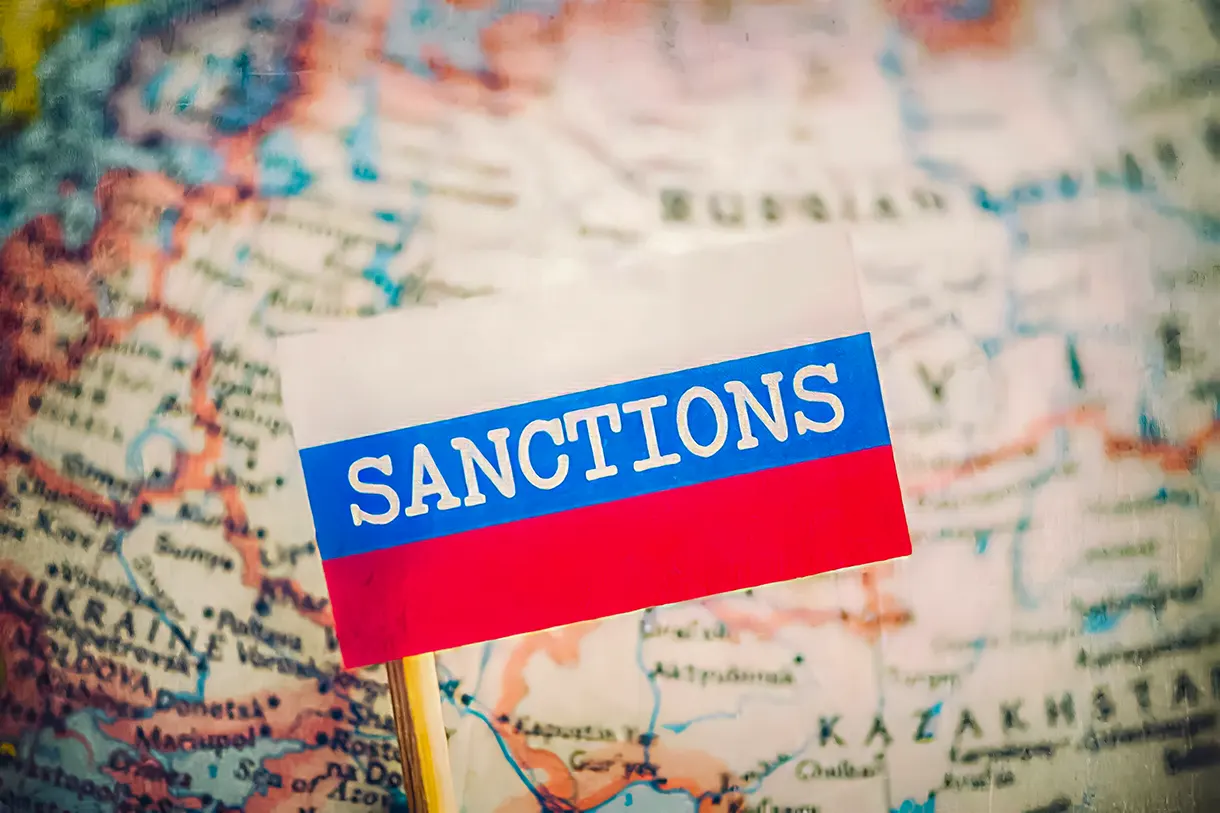
The relationship between the United States and Russia has been a complex and dynamic one, marked by periods of cooperation and conflict. From the early days of the Cold War to the present, the two countries have been locked in a strategic competition, shaping global politics and security.
Understanding this historical context is crucial for comprehending the current tensions and the unprecedented sanctions imposed by the US on Russia.
Evolution of US-Russia Relations
The relationship between the US and Russia has been shaped by a series of key events and turning points, each leaving an enduring mark on the trajectory of their interactions. The Cold War, characterized by ideological rivalry and proxy wars, defined the first half of the relationship.
However, the end of the Cold War in the early 1990s brought a period of optimism and cooperation, with the US and Russia working together on issues such as arms control and nuclear non-proliferation.
The unprecedented American sanctions on Russia are a complex and multifaceted issue, with implications for global politics and economics. It’s a stark reminder of the power dynamics at play, and the lengths nations will go to defend their interests. This shift in the global landscape has also had a profound impact on domestic politics, as exemplified by the rise of figures like Elise Stefanik, who, as elise stefanik reinvented in trumps image embodies a changed g o p , have embraced a more populist and nationalistic rhetoric.
Ultimately, the sanctions on Russia are a catalyst for a broader re-evaluation of the international order, and the role of the United States within it.
- The Cold War (1947-1991):This era witnessed the emergence of two superpowers with competing ideologies – communism and capitalism. The US and the Soviet Union engaged in an arms race, proxy wars, and ideological battles, creating a climate of constant tension and fear of nuclear war.
The Cuban Missile Crisis in 1962 brought the world to the brink of nuclear war, highlighting the dangers of this rivalry.
- Post-Cold War Era (1991-present):The collapse of the Soviet Union marked a new chapter in US-Russia relations. The US and Russia worked together on arms control agreements, such as the START treaties, and collaborated on issues like terrorism. However, this period also witnessed disagreements on NATO expansion, the Kosovo War, and the US-led invasion of Iraq.
- The 21st Century:The early 2000s saw a period of renewed cooperation between the US and Russia, with both countries working together on issues such as the war on terror and the Iranian nuclear program. However, tensions resurfaced following Russia’s annexation of Crimea in 2014 and its military intervention in Ukraine, leading to a series of sanctions imposed by the US and its allies.
The unprecedented American sanctions on Russia are a complex issue, with far-reaching consequences for both nations. It’s interesting to note how this global situation intersects with the ongoing trial of Alex Jones, who is being held accountable for his false claims about the Sandy Hook shooting, which has been proven to be a hoax.
These two seemingly disparate events highlight the need for responsible communication and accountability in a world increasingly shaped by misinformation and political turmoil.
Evolution of Sanctions as a Tool in US Foreign Policy Towards Russia, The unprecedented american sanctions on russia explained
The US has increasingly used sanctions as a tool of foreign policy towards Russia, aiming to exert pressure and influence Russian behavior. Sanctions are a form of economic warfare, designed to target specific individuals, businesses, or sectors of the Russian economy, with the aim of deterring undesirable actions and promoting policy changes.
- Early Sanctions:The first sanctions imposed by the US on Russia were in response to the Soviet invasion of Afghanistan in 1979. These sanctions were relatively limited in scope and targeted specific individuals and businesses.
- Post-Cold War Sanctions:Following the collapse of the Soviet Union, the US imposed sanctions on Russia in response to human rights violations and political repression. The Magnitsky Act, passed in 2012, imposed visa bans and asset freezes on Russian officials implicated in the death of Sergei Magnitsky, a Russian lawyer who exposed corruption.
- Sanctions in Response to Ukraine Crisis:The annexation of Crimea and Russia’s military intervention in Ukraine in 2014 led to a significant escalation of sanctions. The US and its allies imposed a series of sanctions targeting individuals, businesses, and key sectors of the Russian economy. These sanctions included asset freezes, travel bans, and restrictions on access to international financial markets.
Timeline of Significant Sanctions Imposed by the US on Russia
The US has imposed a series of sanctions on Russia over the years, each responding to specific events and actions. These sanctions have been progressively more comprehensive and severe, reflecting the growing concerns over Russia’s actions.
The unprecedented American sanctions on Russia are a complex issue with far-reaching consequences. While we grapple with the economic and political fallout, it’s crucial to remember that we’re all in this together. It’s time to think outside the mask mandate its time to think outside the mask mandate and find common ground, especially when it comes to addressing the global challenges that arise from such monumental events.
Ultimately, understanding and cooperation are vital to navigating the complexities of the current situation and ensuring a brighter future for all.
- 1979:The US imposed sanctions on the Soviet Union in response to the invasion of Afghanistan. These sanctions targeted individuals and businesses involved in the Soviet military effort.
- 1991:Following the collapse of the Soviet Union, the US imposed sanctions on Russia in response to human rights violations and political repression. These sanctions targeted individuals and businesses involved in the crackdown on political opponents.
- 2000:The US imposed sanctions on Russia in response to the Chechen war and human rights abuses. These sanctions targeted individuals and businesses involved in the conflict.
- 2009:The US imposed sanctions on Russia in response to the poisoning of Alexander Litvinenko, a former Russian intelligence officer. These sanctions targeted individuals and businesses involved in the poisoning.
- 2012:The US passed the Magnitsky Act, imposing visa bans and asset freezes on Russian officials implicated in the death of Sergei Magnitsky.
- 2014:Following the annexation of Crimea and Russia’s military intervention in Ukraine, the US and its allies imposed a series of sanctions targeting individuals, businesses, and key sectors of the Russian economy.
- 2022:In response to Russia’s invasion of Ukraine, the US and its allies imposed unprecedented sanctions targeting the Russian financial system, energy sector, and key individuals.
Triggering Events
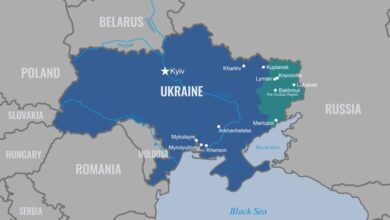
The unprecedented sanctions imposed on Russia by the United States and its allies were a direct response to the Russian invasion of Ukraine in February 2022. The invasion, a culmination of years of escalating tensions between Russia and Ukraine, marked a significant turning point in international relations.
Events Leading Up to the Invasion
The invasion of Ukraine was not a sudden event but rather the result of a long-standing conflict between Russia and Ukraine, rooted in historical, cultural, and political ties.
- In 2014, Russia annexed the Crimean Peninsula, a Ukrainian territory with a majority Russian population. This annexation was met with international condemnation, and sanctions were imposed on Russia.
- Russia also supported separatist groups in eastern Ukraine, who launched a war against the Ukrainian government. This conflict has been ongoing since 2014 and has resulted in thousands of casualties.
- In the years leading up to the invasion, Russia repeatedly demanded security guarantees from the West, including a promise that Ukraine would not be allowed to join NATO. These demands were rejected by NATO and the United States, who viewed them as an attempt to undermine Ukraine’s sovereignty and territorial integrity.
- In January 2022, Russia began a military buildup on the Ukrainian border, raising concerns about an imminent invasion. This buildup included the deployment of troops, tanks, and other military equipment.
- On February 24, 2022, Russia launched a full-scale invasion of Ukraine, targeting major cities and military installations across the country.
International Condemnation and the Role of the United Nations
The Russian invasion of Ukraine was met with widespread international condemnation.
- The United Nations Security Council, which has the authority to authorize the use of force, failed to pass a resolution condemning the invasion due to Russia’s veto power. However, the General Assembly, which does not have veto power, passed a resolution condemning the invasion and demanding that Russia withdraw its troops from Ukraine.
- The International Criminal Court (ICC) launched an investigation into possible war crimes committed by Russian forces in Ukraine.
- Many countries, including the United States, the European Union, and the United Kingdom, imposed severe sanctions on Russia in response to the invasion.
Specific Actions Taken by Russia that Triggered Sanctions
The unprecedented sanctions imposed on Russia were a direct consequence of the Russian invasion of Ukraine and the actions taken by Russia in the lead-up to the invasion.
- The invasion itself was a major violation of international law and a clear act of aggression.
- Russia’s annexation of Crimea in 2014 was also a violation of international law and a major factor in the escalation of tensions between Russia and Ukraine.
- Russia’s support for separatists in eastern Ukraine and its military buildup on the Ukrainian border in the months leading up to the invasion were seen as threats to Ukraine’s security and territorial integrity.
Outcome Summary: The Unprecedented American Sanctions On Russia Explained
The unprecedented American sanctions on Russia are a complex and multifaceted issue with profound implications for the global order. While the immediate aim of the sanctions is to deter Russian aggression and support Ukraine, their long-term consequences remain uncertain. The sanctions have the potential to reshape the global economy, redefine the relationship between the US and Russia, and potentially lead to a more fractured world.
The effectiveness of the sanctions in achieving their objectives and their ultimate impact on the global landscape remain to be seen. However, one thing is clear: the world is entering a new era of geopolitical uncertainty, and the consequences of the sanctions will be felt for years to come.