
The Absurd Supreme Court Case That Could Gut the EPA
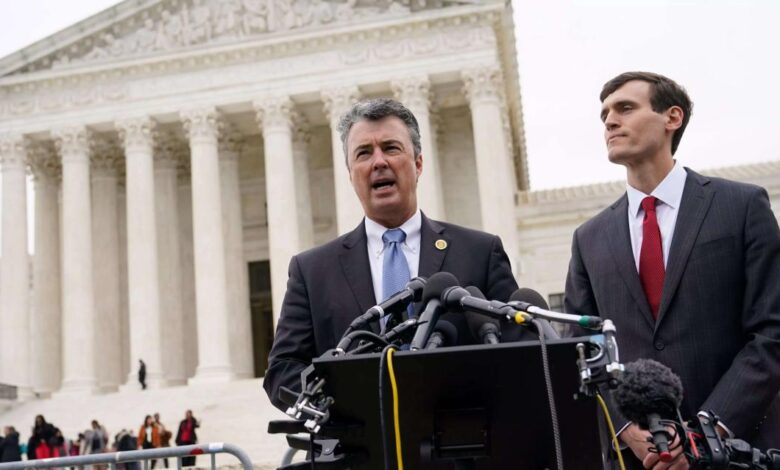
The absurd Supreme Court case that could gut the EPA, -West Virginia v. EPA*, is a legal battle that has the potential to significantly impact the Environmental Protection Agency’s ability to regulate greenhouse gas emissions from power plants. This case hinges on the “major questions doctrine,” a legal principle that has been used to limit the EPA’s authority in the past.
The outcome of this case could have far-reaching implications for environmental policy, climate change mitigation, and the future of environmental regulation in the United States.
At the heart of the controversy is the EPA’s authority to regulate greenhouse gas emissions under the Clean Air Act. West Virginia argues that the EPA lacks the authority to regulate greenhouse gases from power plants, claiming that such regulation requires explicit congressional authorization.
The EPA, on the other hand, maintains that the Clean Air Act grants it broad authority to regulate pollutants, including greenhouse gases. The Supreme Court’s decision in this case could significantly alter the balance of power between the EPA and Congress, potentially limiting the EPA’s ability to address climate change.
Public Opinion and Reactions

The Supreme Court case concerning the Environmental Protection Agency (EPA) has ignited a passionate debate across the nation, with diverse viewpoints emerging from various stakeholders. This case, with its potential to significantly impact environmental regulations and climate change mitigation efforts, has sparked widespread public discussion and reactions.
It’s almost unbelievable how the Supreme Court is poised to dismantle the EPA’s ability to regulate greenhouse gas emissions. It’s like watching a slow-motion train wreck, and it’s hard to believe that we’re even having this discussion in the 21st century.
And it’s not just the environment that’s under attack – in Wisconsin, Republicans are actively trying to block a map that would create a district with a Black majority. It seems like these actions are all part of a concerted effort to roll back progress and leave the most vulnerable behind.
This is a dark time for our country, and it’s crucial that we raise our voices and fight for a better future.
Perspectives of Stakeholders
The Supreme Court case has drawn diverse perspectives from various stakeholders, each with their own interests and concerns.
It’s hard to believe we’re even having this conversation, but the Supreme Court is actually considering a case that could drastically limit the EPA’s power to regulate greenhouse gas emissions. Talk about a recipe for disaster! Meanwhile, over on a lighter note, Jenny Slate and Ben Schwartz are discussing seltzer, Sonic 2, and more , which is a much more enjoyable topic to think about.
But the reality is, this Supreme Court case could have devastating consequences for our environment and our future. We need to stay informed and raise our voices to protect our planet.
| Stakeholder | Perspective |
|---|---|
| Environmental Groups | Environmental groups, advocating for stringent environmental regulations, view the case as a major setback. They argue that the Supreme Court’s decision could severely limit the EPA’s ability to effectively address climate change and protect public health. They believe the ruling undermines the EPA’s authority to regulate greenhouse gas emissions from power plants, potentially jeopardizing efforts to reduce air pollution and combat climate change. |
| Industry Representatives | Industry representatives, often representing energy companies and manufacturers, generally favor a less stringent regulatory approach. They argue that the EPA’s regulations are burdensome and stifle economic growth. They welcome the Supreme Court’s decision, viewing it as a victory for businesses and a step towards reducing regulatory overreach. They believe the ruling provides more flexibility for industries to operate without overly stringent environmental constraints. |
| General Public | Public opinion on the Supreme Court case is mixed. Some individuals, particularly those concerned about climate change and environmental protection, are deeply concerned about the potential consequences of the decision. They fear that the ruling could weaken environmental regulations and hinder efforts to address climate change. Others, concerned about economic implications, may view the decision favorably, believing it could stimulate economic growth by reducing regulatory burdens on businesses. |
Timeline of Events
The Supreme Court case has unfolded through a series of events, each contributing to the growing public debate.
The Supreme Court case that could gut the EPA is a huge blow to environmental protection, and it’s a stark reminder that even seemingly settled issues can be overturned. It’s a good time to remember that leadership requires taking a stand, even when it’s unpopular.
That’s exactly what Elon Musk did when he made his controversial return-to-office plan, which made a crucial point about leadership that everyone should follow. While the court case could have devastating consequences, it’s also a wake-up call for us to fight for the things we believe in, even when it’s hard.
- 2021:The EPA proposes new regulations to limit greenhouse gas emissions from power plants. The regulations are challenged in court by industry groups.
- 2022:The Supreme Court hears arguments in the case, with industry groups arguing that the EPA lacks the authority to regulate greenhouse gas emissions from power plants under the Clean Air Act. Environmental groups argue that the EPA has broad authority to regulate pollution and protect public health.
- 2023:The Supreme Court issues its ruling, limiting the EPA’s authority to regulate greenhouse gas emissions from power plants. This decision is met with mixed reactions, with environmental groups expressing disappointment and industry groups celebrating the ruling.
Potential Impact on Greenhouse Gas Emissions
The Supreme Court’s decision could significantly impact greenhouse gas emissions, potentially hindering efforts to combat climate change.
The potential impact of the Supreme Court case on greenhouse gas emissions is a complex issue, with various factors contributing to the overall outcome.
The Future of Environmental Regulation: The Absurd Supreme Court Case That Could Gut The Epa
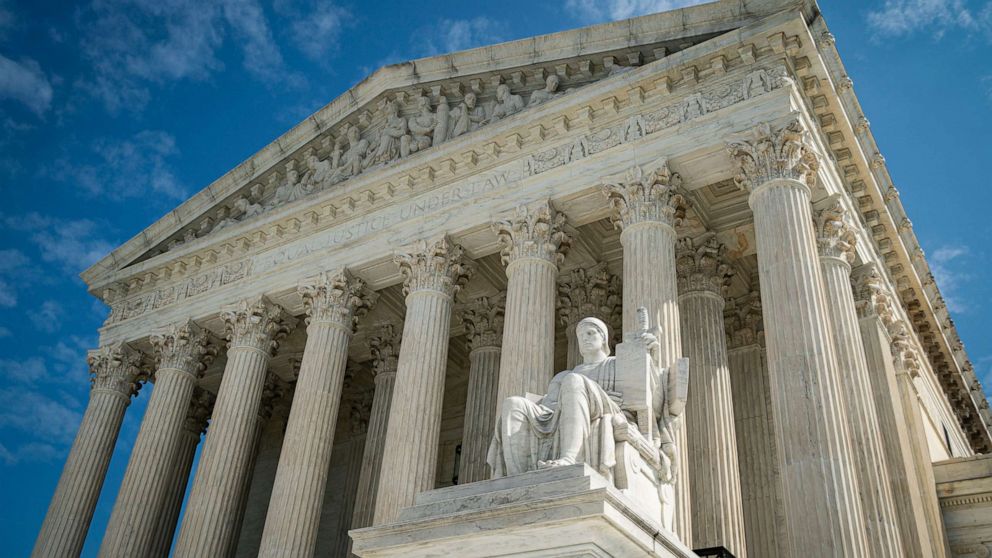
The Supreme Court’s decision in the case has sent shockwaves through the environmental community, raising serious concerns about the future of environmental regulation in the United States. The decision, which limits the EPA’s authority to regulate greenhouse gas emissions from power plants, could have far-reaching consequences for the nation’s efforts to address climate change.
Congressional Action to Clarify the EPA’s Authority, The absurd supreme court case that could gut the epa
Congress has the power to clarify the EPA’s authority through legislation. This could involve passing new laws that explicitly grant the agency the authority to regulate greenhouse gas emissions from power plants or other sources. Congress could also amend existing laws to provide the EPA with greater flexibility in setting emissions standards.
Alternative Regulatory Approaches
In light of the Supreme Court’s decision, the EPA may need to pursue alternative regulatory approaches. One option is to focus on regulating emissions from other sources, such as vehicles or industrial facilities. The agency could also explore using its existing authority to regulate air pollution to indirectly address greenhouse gas emissions.
Legal and Political Challenges Facing the EPA
The EPA faces significant legal and political challenges in the wake of the Supreme Court’s decision. On the legal front, the agency will need to navigate a complex web of regulations and precedents that may limit its ability to regulate greenhouse gas emissions.
Politically, the EPA will need to contend with a Congress that is increasingly divided on environmental issues. The agency may also face pressure from industry groups that are opposed to stricter environmental regulations.
Summary
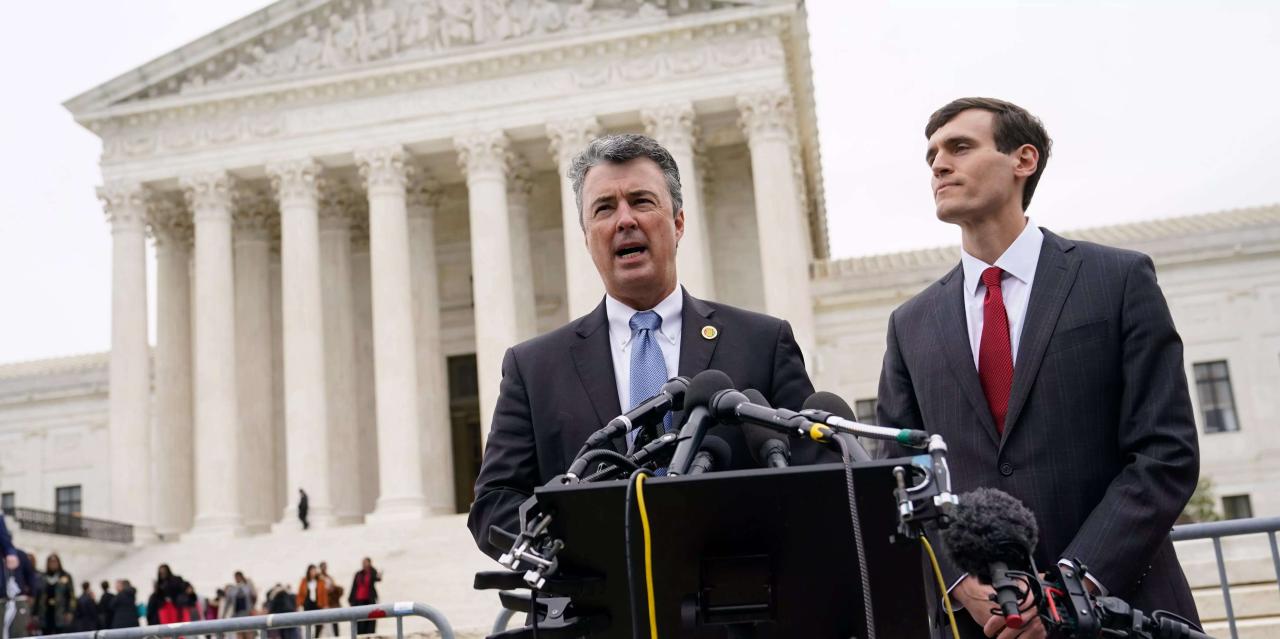
The -West Virginia v. EPA* case is a landmark legal battle that could have a profound impact on the future of environmental regulation in the United States. The Supreme Court’s decision could significantly limit the EPA’s authority to address climate change, potentially hindering efforts to reduce greenhouse gas emissions and mitigate the impacts of climate change.
This case highlights the complex legal and political landscape surrounding environmental policy and the ongoing debate over the role of government in addressing climate change. The outcome of this case will have far-reaching implications for environmental protection, public health, and the future of our planet.