Supreme Court Wants to Gut the EPA, But How?
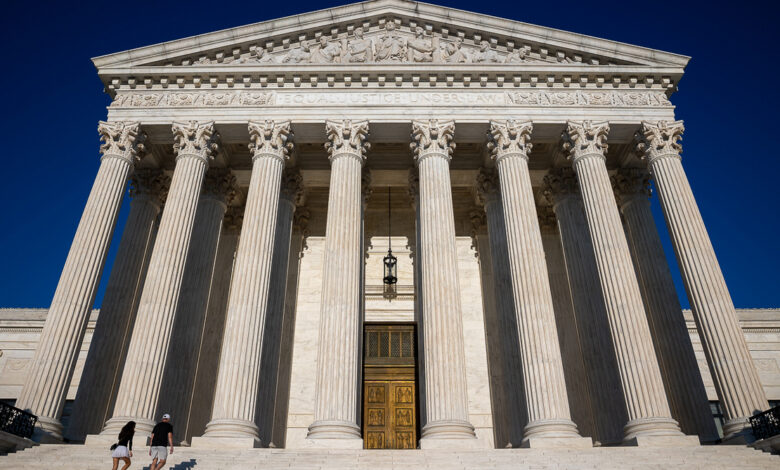
The supreme court appears eager to gut the epa but cant figure out how to do it – The Supreme Court appears eager to gut the EPA but can’t figure out how to do it. The court’s conservative majority has signaled a strong desire to limit the Environmental Protection Agency’s power, but the specific legal mechanisms to achieve this remain unclear.
This ongoing struggle between the court and the EPA is playing out in the high-profile West Virginia v. EPA case, which challenges the agency’s authority to regulate greenhouse gas emissions from power plants.
The West Virginia case is a pivotal moment in the history of environmental regulation in the United States. The court’s decision could have far-reaching consequences for the EPA’s ability to address climate change and other environmental challenges. This case is a microcosm of the larger debate about the balance between economic growth and environmental protection, and it is likely to shape the future of environmental policy for years to come.
The Broader Implications for Environmental Policy
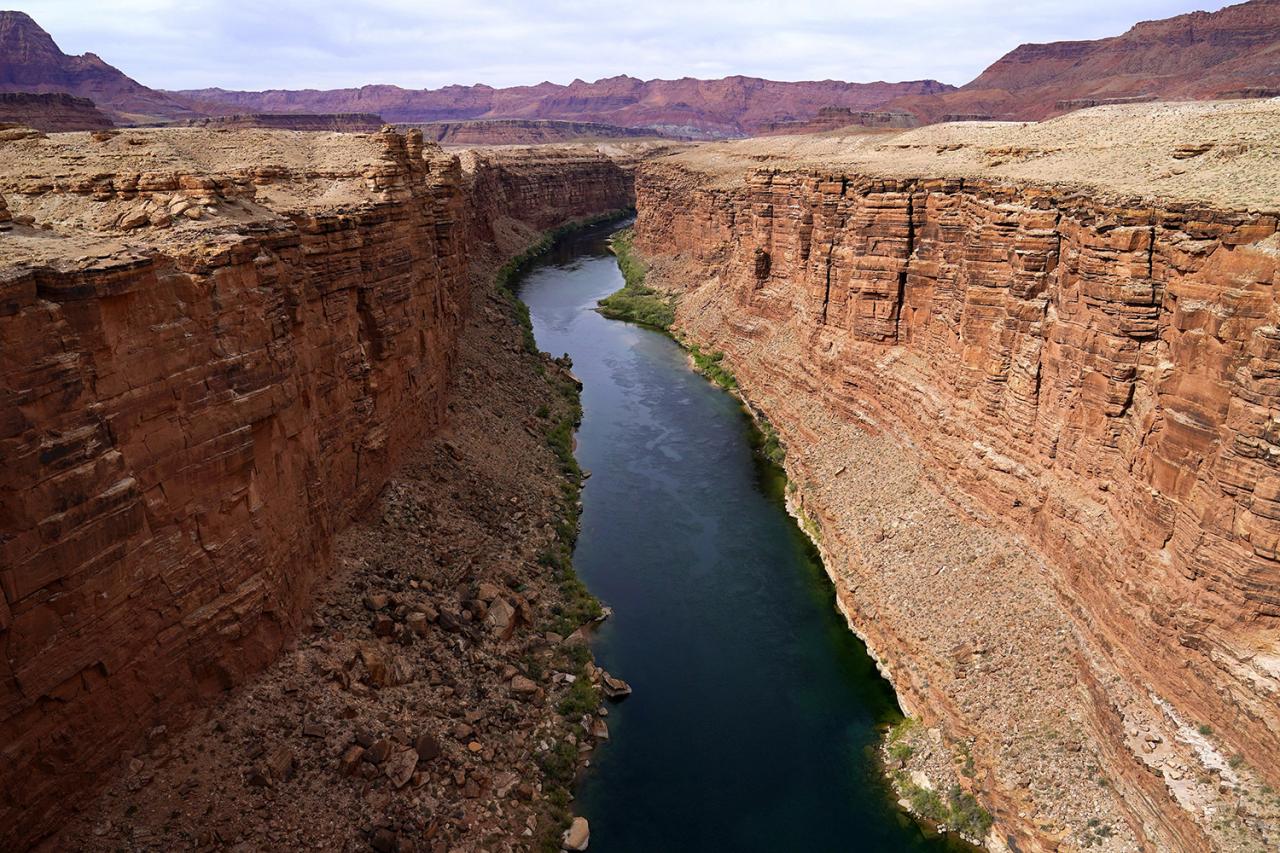
The Supreme Court’s decision on the EPA’s authority to regulate greenhouse gas emissions has far-reaching implications for the future of environmental policy in the United States. The decision could significantly hinder the government’s ability to address climate change and protect public health.
Potential Impact on Environmental Policy
The Supreme Court’s decision could lead to a significant rollback of environmental regulations, particularly those related to climate change. The decision could embolden states and industries to challenge other EPA regulations, potentially hindering the agency’s ability to enforce environmental laws.
Consequences for Different Sectors of the Economy
The decision could have varied impacts on different sectors of the economy. For example, the energy sector could experience a surge in fossil fuel production, potentially leading to increased air and water pollution. However, renewable energy industries could face challenges as the government’s commitment to clean energy transitions might be weakened.
Consequences for Public Health
The decision could negatively impact public health by increasing air and water pollution, leading to higher rates of respiratory illnesses, cardiovascular diseases, and other health problems. The decision could also exacerbate environmental justice issues, disproportionately impacting low-income communities and communities of color, who often bear the brunt of environmental pollution.
Alternative Approaches to Environmental Regulation, The supreme court appears eager to gut the epa but cant figure out how to do it
In light of the Supreme Court’s decision, alternative approaches to environmental regulation may be necessary. These approaches could include:
- Increased reliance on state and local governments to regulate environmental issues. This approach could lead to a patchwork of environmental regulations across the country, potentially creating confusion and hindering the effectiveness of environmental protection.
- Enacting new federal legislation to clarify the EPA’s authority to regulate greenhouse gas emissions. This approach would require congressional action, which could be difficult given the current political climate.
- Promoting voluntary environmental initiatives by businesses and individuals. This approach could be effective in reducing emissions but may not be sufficient to meet the challenges of climate change.
Final Wrap-Up: The Supreme Court Appears Eager To Gut The Epa But Cant Figure Out How To Do It
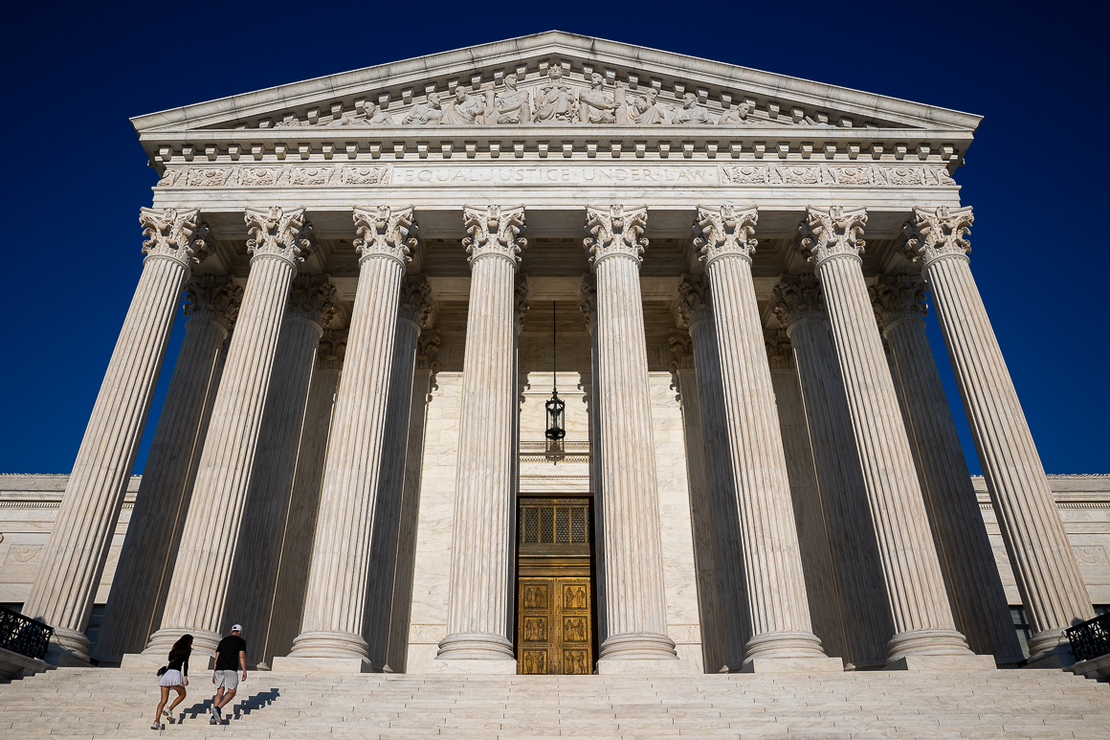
The Supreme Court’s desire to curtail the EPA’s power is a significant development in environmental policy. The West Virginia case is a crucial battleground in this fight, and its outcome will have lasting implications for the EPA’s ability to protect the environment.
The case raises fundamental questions about the balance between federal power and state autonomy, and it is likely to fuel ongoing debate about the role of the government in addressing environmental issues.
The Supreme Court’s recent attempts to limit the EPA’s power feel like a symptom of a larger societal trend – the “bad vibes economy,” where distrust and negativity reign supreme. This trend, as explored in the bad vibes economy , is impacting everything from our political discourse to our individual interactions.
It’s a dangerous path, especially when it comes to the EPA, as we need a strong, empowered agency to protect our environment and public health.
The Supreme Court’s attempts to hamstring the EPA are like a toddler trying to assemble a puzzle – they have the pieces but can’t quite grasp how they fit together. Meanwhile, Apple is showing off its strategic brilliance, apple starts connecting the dots for its next big thing , leaving the Court’s legal gymnastics looking increasingly clumsy.
It’s a stark reminder that progress doesn’t always come from the halls of power, sometimes it emerges from the innovation of a company like Apple, pushing boundaries and shaping the future.
The Supreme Court’s recent attempts to limit the EPA’s power have been met with a lot of pushback, and it’s clear they’re struggling to find a way to do it without facing major backlash. It’s almost like they’re trying to navigate a minefield, and every step they take seems to lead to another controversy.
I wonder if they’ve read the transcript of Jeh Johnson’s speech on the importance of environmental protection. It seems like a good starting point for understanding the complexities of this issue. Ultimately, it’s going to be interesting to see how this all plays out.
Will they be able to find a way to limit the EPA’s power without causing a major public outcry?