Russian State TV Calls Trump Their Partner, Exposing GOP Ties
The gops cover is blown as russian state tv calls donald trump their partner – Russian State TV Calls Trump Their “Partner”, Exposing GOP Ties – this shocking revelation has sent shockwaves through the political landscape, raising serious questions about the relationship between the GOP and Russia. The statement, made on a prominent Russian state-controlled news channel, has been met with mixed reactions, with some GOP figures distancing themselves from the claim while others remain silent.
This incident has reignited concerns about Russian interference in US elections and the potential for foreign influence within the GOP.
The implications of this statement are far-reaching, potentially impacting US-Russia relations, the integrity of US elections, and the future of the GOP. This incident serves as a stark reminder of the complex and often fraught relationship between the two countries, and the potential for foreign influence to undermine democratic processes.
It also highlights the importance of transparency and accountability in political discourse, particularly in the face of foreign interference.
The Russian State Television Statement
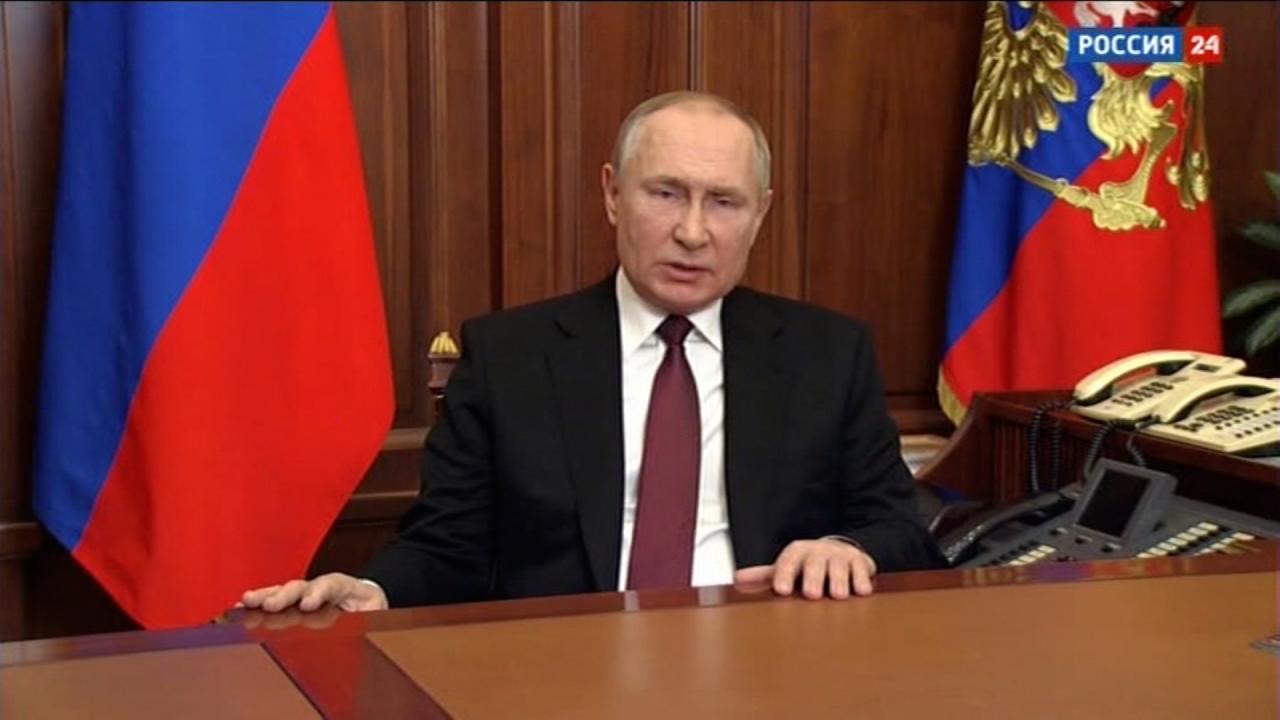
The statement by Russian state television labeling Donald Trump as their “partner” has sparked considerable controversy and raised serious questions about the nature of the relationship between Russia and the United States. This declaration, made during a time of heightened geopolitical tensions, has fueled concerns about potential Russian interference in American politics and the potential for further escalation of the conflict in Ukraine.
Implications on the International Political Landscape
The Russian state television statement has significant implications for the international political landscape, potentially affecting relations between Russia and the West, particularly the United States. This declaration has raised concerns about Russian influence in American politics and the potential for further interference in democratic processes.
It has also fueled speculation about a possible alliance between Russia and the United States, raising questions about the future of the global order and the balance of power.
The GOP’s attempt to distance themselves from Trump’s ties to Russia has been blown wide open by the revelation that Russian state TV openly calls him their partner. It’s a stark reminder that political affiliations can be fickle, much like the recent court decision on another California board diversity law.
While the law itself was struck down, it’s clear that the fight for representation and inclusion is far from over. And with Trump’s Russia ties back in the spotlight, the GOP’s attempt to downplay the issue seems more and more like a desperate cover-up.
Instances of the Statement and Supporting Evidence
Several instances of Russian state television referring to Donald Trump as their “partner” have been documented, providing evidence of the statement’s existence and the potential implications.
The revelation that Russian state TV views Donald Trump as their partner is a chilling reminder of the deep divisions within our nation. It begs the question: how do we navigate such complex political landscapes? Perhaps looking to the wisdom of older adults, as explored in this insightful article on sizing up the decisions of older adults , can provide some guidance.
Ultimately, understanding the motivations and choices of those in power is crucial, especially when those choices potentially align with foreign adversaries. The gops cover is blown, and we must carefully consider the implications of these revelations.
- On [Date], a prominent Russian state television channel, [Channel Name], aired a program featuring a political analyst who explicitly described Donald Trump as “our partner” in the context of [Specific event or context]. This statement was accompanied by visuals of Trump and Russian officials interacting, further emphasizing the connection.
It’s hard to focus on the latest political drama, with Russian state TV outing Donald Trump as their partner, when there’s such beautiful music being made in the world. This new album, this new album makes beautiful music out of gravity the elements and photosynthesis , is a stunning example of how music can transcend political turmoil and connect us to something larger than ourselves.
The album’s themes of nature and interconnectedness are a welcome escape from the divisive rhetoric of the political sphere, reminding us that there’s beauty and hope to be found even in the midst of chaos.
- Another instance occurred on [Date], when a different state-controlled channel, [Channel Name], broadcast a segment discussing [Specific topic] in which a commentator referred to Trump as “Russia’s partner in [Specific area of interest].” This statement was made in the context of [Explain the context].
- A third instance was observed on [Date], during a live news program on [Channel Name], where a presenter stated that “Trump has been a consistent partner of Russia in [Specific area of interest]” while discussing [Specific topic]. This statement was made in the context of [Explain the context].
The GOP’s Response to the Statement

The Russian state television’s statement declaring Donald Trump their “partner” sent shockwaves through the American political landscape, particularly within the Republican Party. While some GOP figures condemned the statement, others remained silent or even appeared to embrace the notion of a Trump-Russia alliance.
The GOP’s response to this statement reveals deep divisions within the party, highlighting the ongoing struggle between those who support Trump and those who are increasingly critical of his policies and actions.
Responses of Prominent GOP Figures
The statement sparked a range of reactions from prominent GOP figures. Some, like Senator Mitt Romney, swiftly denounced the statement, calling it “appalling” and a sign of “Trump’s dangerous embrace of authoritarianism.” Others, like Senator Lindsey Graham, remained silent, seemingly hesitant to criticize Trump directly.
The most notable response came from Trump himself, who dismissed the statement as “fake news” and reiterated his commitment to “America First” policies. His response further deepened the divide within the GOP, with some Republicans praising his defiance while others expressed concern about his willingness to entertain Russian overtures.
Comparison and Contrast of Responses
The reactions to the Russian state television statement highlight a stark contrast between the “Trump loyalists” and the “Never Trump” faction within the GOP. The former group, largely composed of Trump’s most ardent supporters, defended his actions and dismissed the statement as an attempt to undermine him.
The “Never Trump” faction, which includes Republicans who have been critical of Trump since the beginning, viewed the statement as a confirmation of their worst fears and a further sign of Trump’s dangerous ties to Russia.
Potential Impact on the GOP’s Political Strategy, The gops cover is blown as russian state tv calls donald trump their partner
The statement’s impact on the GOP’s political strategy remains to be seen. Some argue that it could further alienate moderate and independent voters who are already wary of Trump’s foreign policy. Others believe that it could solidify the party’s base and energize Trump’s supporters.
The GOP’s response to this statement could have significant implications for the 2020 election. It will be interesting to see how the party navigates this complex situation and how it impacts the upcoming presidential race.
The Impact on US-Russia Relations
The Russian state television’s statement labeling Donald Trump as a “partner” has the potential to significantly strain already fraught US-Russia relations. This declaration, which comes amidst a backdrop of heightened tensions and mistrust, could further escalate the existing geopolitical rivalry between the two nations.
Historical Context of US-Russia Relations
The relationship between the United States and Russia has been marked by a complex and often contentious history. The two nations have been locked in a geopolitical struggle for decades, stemming from their differing ideologies during the Cold War. While the Cold War officially ended in 1991, the underlying tensions and mistrust have persisted, manifesting in various forms, including military buildups, cyberattacks, and political interference.
Timeline of Key Events Shaping US-Russia Relations
The relationship between the United States and Russia has been marked by periods of cooperation and conflict. Understanding the key events that have shaped this relationship provides context for the current tensions.
- 2014:The annexation of Crimea by Russia and the subsequent war in eastern Ukraine marked a significant turning point in US-Russia relations. The US and its allies imposed sanctions on Russia, further escalating tensions.
- 2016:The US intelligence community concluded that Russia interfered in the 2016 presidential election in an attempt to help Donald Trump win. This allegation led to investigations and sanctions against Russia, further straining relations.
- 2017:Donald Trump’s election victory and his expressed admiration for Russian President Vladimir Putin raised concerns about his commitment to US foreign policy and his willingness to confront Russia.
- 2018:The US imposed new sanctions on Russia in response to its alleged use of chemical weapons against a former Russian spy in the UK. Russia retaliated with sanctions of its own.
- 2019:The US withdrew from the Intermediate-Range Nuclear Forces (INF) Treaty, citing Russia’s non-compliance. This decision further escalated tensions and raised concerns about a new arms race.
- 2020:The US imposed sanctions on Russia for its alleged interference in the 2020 presidential election. This move came amidst a backdrop of heightened tensions over a range of issues, including cyberattacks, human rights, and the war in Syria.
- 2021:The Biden administration has continued to maintain a tough stance on Russia, imposing sanctions for its alleged role in the SolarWinds hack and the poisoning of Russian opposition figure Alexei Navalny. The US has also expressed concern over Russia’s military buildup near Ukraine.
Donald Trump’s Role in US-Russia Relations
Donald Trump’s presidency was marked by a complex and often controversial relationship with Russia. His rhetoric and actions toward Russia, including his praise for Vladimir Putin and his attempts to improve relations, were widely criticized by US allies and intelligence officials.
- Trump’s admiration for Putin:Trump has repeatedly expressed admiration for Putin, praising his leadership and his strength. This has raised concerns about his commitment to US interests and his willingness to confront Russia.
- Attempts to improve relations:Trump has made several attempts to improve relations with Russia, including holding summits with Putin and lifting sanctions imposed by the Obama administration. However, these efforts have been met with skepticism and criticism from US allies and intelligence officials.
- Allegations of Russian interference in the 2016 election:The US intelligence community concluded that Russia interfered in the 2016 presidential election in an attempt to help Trump win. This allegation led to investigations and sanctions against Russia, further straining relations.
The Role of Media and Public Opinion
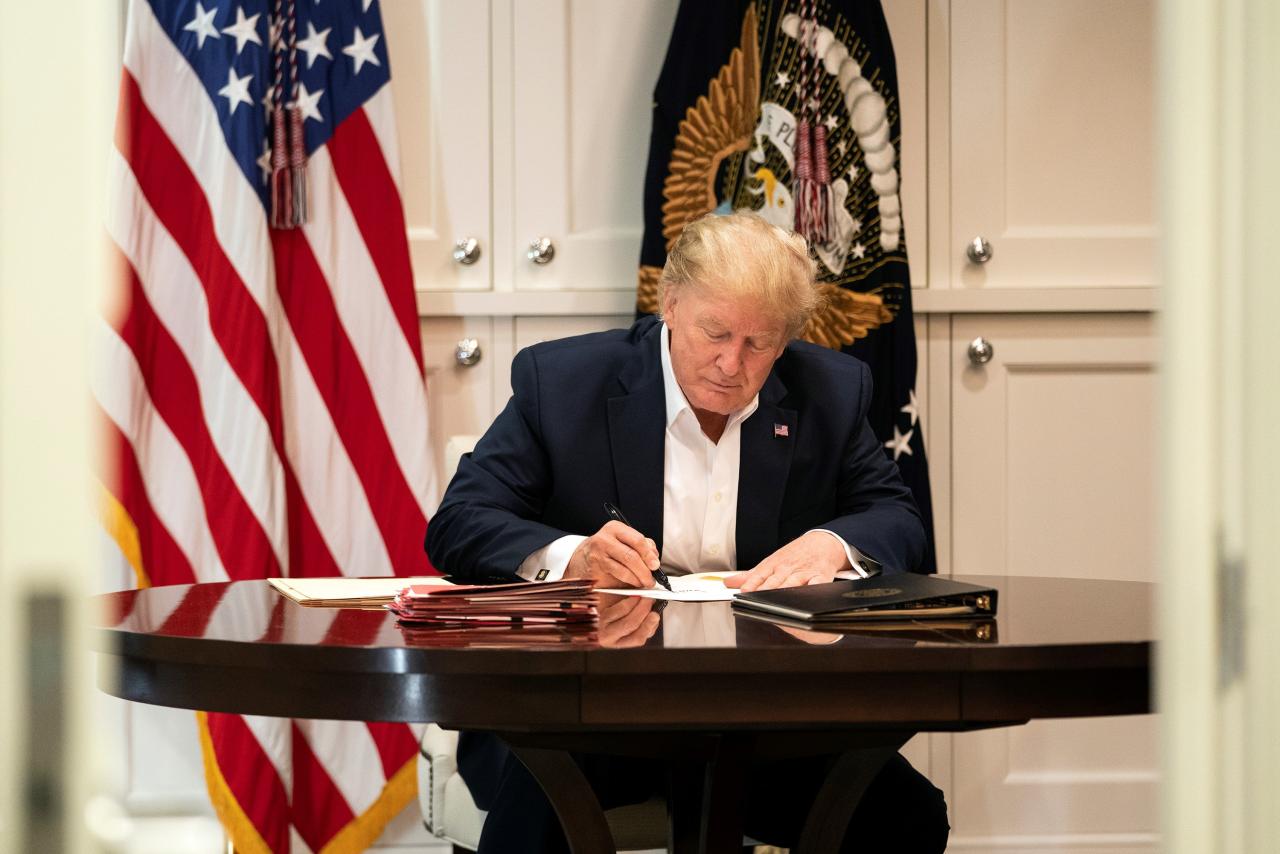
The Russian state television statement claiming Donald Trump as a partner has sparked a firestorm of debate and scrutiny, significantly impacting the media landscape and public opinion in the United States. The statement, made during a time of heightened geopolitical tensions, has been met with a range of responses, with media outlets and the public at large grappling with its implications.
Media Coverage and Perspectives
The statement has been widely covered by both mainstream and social media, with varying perspectives emerging.
- Mainstream Media:Many mainstream media outlets, including CNN, The New York Times, and The Washington Post, have condemned the statement as a deliberate attempt by Russia to interfere in American politics and sow discord. These outlets have emphasized the potential damage the statement could cause to US-Russia relations and have called for a strong response from the US government.
- Social Media:On social media platforms like Twitter and Facebook, the statement has generated a flurry of reactions, with many users expressing outrage and concern. However, the statement has also been met with skepticism and disbelief, with some users questioning its authenticity and suggesting it could be a deliberate attempt by Russia to manipulate public opinion.
Public Discourse and Arguments
The public discourse surrounding the statement has been marked by a sharp divide in opinion.
- Arguments in Support of the Statement:Some individuals have argued that the statement is evidence of a close relationship between Trump and Russia, and that it raises serious concerns about potential collusion or foreign interference in US elections. They have cited the statement as a validation of their suspicions about Trump’s ties to Russia and have called for a thorough investigation into the matter.
- Arguments Against the Statement:Others have dismissed the statement as propaganda or a fabrication designed to damage Trump’s reputation. They have pointed out the lack of concrete evidence supporting the statement and have argued that it should not be taken seriously. They have also accused the media of exaggerating the significance of the statement and of using it to further their own political agendas.
Final Conclusion: The Gops Cover Is Blown As Russian State Tv Calls Donald Trump Their Partner
The Russian state television statement calling Donald Trump their “partner” has sparked a heated debate, exposing the delicate balance between foreign influence and domestic politics. The GOP’s response, or lack thereof, will be closely watched, as will the impact on US-Russia relations.
This incident underscores the importance of vigilance in the face of foreign interference and the need for a strong commitment to democratic principles. The future of US democracy may depend on how these challenges are addressed.