
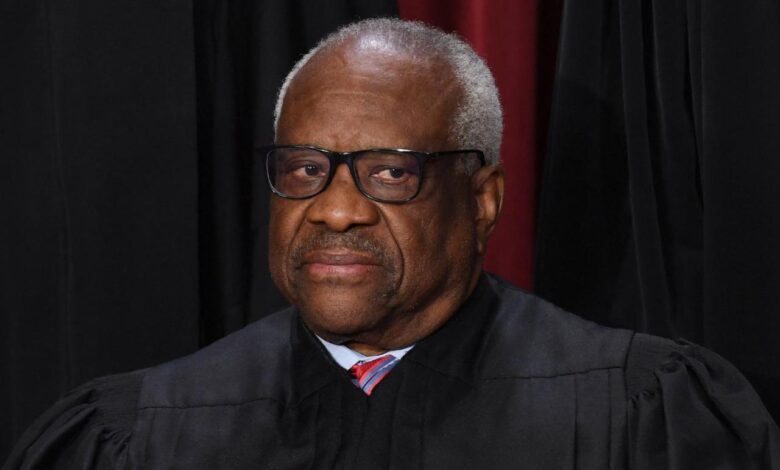
Clarence Thomas Scandal: Supreme Court Above Ethics?
The Clarence Thomas scandal shows the Supreme Court considers itself above ethics, raising serious questions about the Court’s legitimacy and its ability to uphold the law fairly. The allegations against Justice Thomas, which include sexual harassment and perjury, have ignited a national conversation about the ethical standards expected of Supreme Court justices.
This scandal has not only exposed a potential breach of trust but has also shed light on the lack of transparency and accountability within the Court itself.
The public’s reaction to the allegations has been mixed, with some calling for Thomas’s resignation and others defending his right to due process. The media has played a significant role in shaping public opinion, with some outlets focusing on the allegations and others emphasizing Thomas’s denial.
This ongoing debate highlights the importance of ethical conduct within the judiciary and the potential consequences of a loss of public trust in the Supreme Court.
The Role of the Supreme Court in American Society
The Supreme Court of the United States stands as the highest judicial body in the nation, holding a unique position that profoundly influences American law and society. Its decisions shape the legal landscape, interpret the Constitution, and define the fundamental rights of citizens.
The Clarence Thomas scandal, with its lack of transparency and disregard for potential conflicts of interest, sadly reflects a disturbing trend: a sense of entitlement within the Supreme Court. While the world grapples with a global crisis, amid global chaos the tech industry takes a rare tumble , the court seems to be operating in its own bubble, impervious to the ethical standards expected of public figures.
This disconnect from reality only serves to further erode public trust in the institution, and that’s a dangerous precedent to set.
This influence extends far beyond legal circles, impacting every aspect of American life, from social issues to economic policies.
The Clarence Thomas scandal is just the latest example of how the Supreme Court seems to think it’s above the law. It’s a pattern we’re seeing across the political spectrum, like with Nebraska’s governor, who has become a leading figure in the right-wing disinformation war as detailed in this article.
When powerful figures believe they are exempt from ethical standards, it’s a dangerous sign for our democracy.
The Supreme Court’s Impact on American Law and Society
The Supreme Court’s power stems from its ability to interpret the Constitution and establish precedents that bind lower courts. This judicial review, enshrined in the landmark case Marbury v. Madison (1803), allows the Court to strike down laws deemed unconstitutional.
The Clarence Thomas scandal, with its allegations of ethical lapses, really makes you wonder if the Supreme Court thinks it’s above the law. It’s a stark contrast to the recent visit by Cardona to Los Angeles, where he stressed the importance of colleges assisting students with housing, in visit to los angeles cardona says colleges must help students with housing.
It’s clear that some institutions are prioritizing the needs of their students, while others seem to be operating in a different reality altogether.
Through its decisions, the Supreme Court has shaped the course of American history, from abolishing slavery in Brown v. Board of Education (1954) to establishing the right to abortion in Roe v. Wade (1973).
The Potential Consequences of a Loss of Public Trust in the Supreme Court, The clarence thomas scandal shows the supreme court considers itself above ethics
The Supreme Court’s legitimacy and independence are paramount to its ability to function effectively. A loss of public trust in the Court can have far-reaching consequences, undermining its authority and eroding the rule of law. When the public perceives the Court as biased or influenced by political pressure, its decisions are likely to be met with skepticism and resistance, potentially leading to social unrest and a breakdown of the legal system.
The Implications of the Thomas Scandal on the Court’s Ability to Maintain Its Independence and Legitimacy
The recent allegations against Justice Clarence Thomas have raised serious concerns about the Court’s ethical standards and impartiality. The scandal has sparked widespread public debate about the Court’s ability to maintain its independence and legitimacy. Critics argue that the allegations, if true, demonstrate a pattern of ethical lapses that undermine public confidence in the Court’s integrity.
They express concerns about the potential for bias in future decisions, particularly on issues related to the allegations. The scandal has also fueled calls for greater transparency and accountability within the Court, highlighting the need for stricter ethical guidelines and a more robust process for addressing allegations against justices.
The Future of the Supreme Court: The Clarence Thomas Scandal Shows The Supreme Court Considers Itself Above Ethics
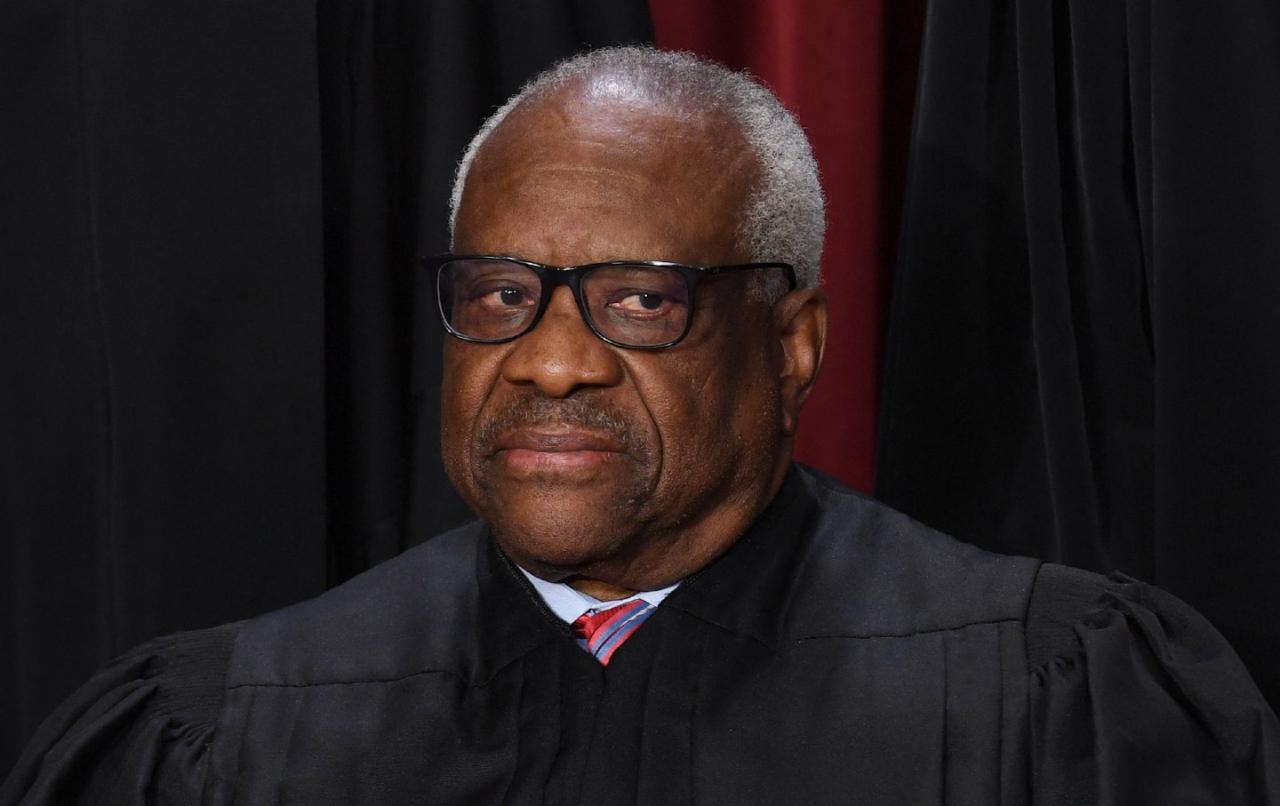
The recent ethical controversies surrounding the Supreme Court have ignited a national conversation about the Court’s role in American society and the need for reform. While the Court has long been regarded as a pillar of our democracy, the current climate of distrust necessitates a critical examination of its practices and the potential for improvement.
Potential Reforms to Enhance Ethical Conduct
The call for ethical reform within the Supreme Court is not new, but it has gained renewed urgency in light of recent events. Several potential reforms could address concerns about ethical conduct and bolster public confidence in the Court’s integrity.
- Code of Ethics:Implementing a formal code of ethics for Supreme Court justices would provide clear guidelines for ethical behavior, covering issues such as recusal, financial disclosure, and outside activities. This code should be comprehensive, transparent, and enforced by an independent body.
- Independent Ethics Commission:Establishing an independent ethics commission to oversee the Supreme Court’s ethical conduct would provide a mechanism for investigating allegations of misconduct and ensuring accountability. This commission should be composed of respected legal experts and have the authority to issue binding decisions.
- Financial Disclosure:Strengthening financial disclosure requirements for justices could help mitigate potential conflicts of interest. This could include mandatory disclosure of all assets, investments, and income, as well as any gifts or travel expenses received.
A Framework for Strengthening Ethical Standards and Accountability
To ensure the Supreme Court’s continued legitimacy, a robust framework for ethical standards and accountability is essential. This framework should encompass several key elements:
- Clear Ethical Guidelines:Establishing a comprehensive code of ethics that addresses a wide range of ethical concerns, including recusal, conflicts of interest, and outside activities, is crucial. This code should be publicly available and regularly reviewed to ensure it remains relevant.
- Independent Oversight:An independent body, such as an ethics commission, should be responsible for enforcing ethical standards and investigating allegations of misconduct. This body should have the authority to issue binding decisions and ensure transparency in its proceedings.
- Accountability Mechanisms:Clear and effective mechanisms for holding justices accountable for ethical violations are essential. This could include sanctions ranging from reprimands to removal from office.
Transparency and Public Trust in the Judiciary
Maintaining the integrity of the judiciary requires transparency and public trust. This involves:
- Openness in Decision-Making:The Supreme Court should strive for greater transparency in its decision-making process. This could include publishing drafts of opinions, releasing audio recordings of oral arguments, and providing more detailed explanations of its rulings.
- Public Engagement:Encouraging public engagement in the Court’s work can help build trust and understanding. This could involve hosting public forums, publishing educational materials, and making information about the Court’s activities more accessible.
- Independent Judiciary:The Supreme Court’s independence from political influence is paramount to maintaining public trust. This requires protecting the Court from undue pressure from political actors and ensuring that its decisions are based solely on the law.
Final Wrap-Up
The Clarence Thomas scandal serves as a stark reminder of the need for ethical standards and accountability within the Supreme Court. While the Court holds a unique position in American society, its justices are not above the law. The future of the Supreme Court depends on its ability to regain public trust and demonstrate its commitment to upholding the highest ethical standards.
This requires a willingness to address concerns about transparency, accountability, and the potential for conflicts of interest. Only through a renewed focus on ethical conduct can the Supreme Court maintain its legitimacy and continue to serve as a beacon of justice for all Americans.