DOJ Announces $150 Million in COVID Health Fraud Prosecutions
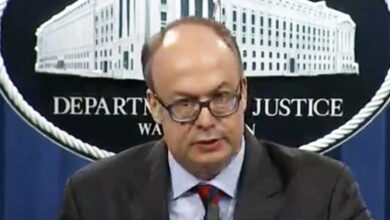
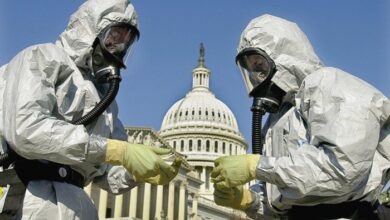
Doj announces 150 million in covid health fraud bogus vaccination prosecutions nationwide – The Department of Justice (DOJ) has announced a nationwide crackdown on COVID-19 health fraud, recovering over $150 million in settlements, forfeitures, and restitution. This significant effort targets a wide range of fraudulent schemes, including bogus vaccination programs, fraudulent testing, and other related scams that preyed on the anxieties and vulnerabilities of individuals and communities during the pandemic.
These prosecutions highlight the DOJ’s commitment to protecting public health and holding accountable those who exploit public health emergencies for personal gain. The DOJ’s investigations have uncovered elaborate schemes involving fake vaccination cards, fraudulent testing labs, and even the sale of non-existent treatments.
The impact of these crimes extends far beyond financial losses, affecting public trust in healthcare institutions and hindering the effectiveness of public health initiatives.
The Scope of the DOJ’s COVID-19 Health Fraud Prosecutions
The Department of Justice (DOJ) has been actively combating COVID-19 health fraud since the pandemic began, and their efforts have resulted in significant successes. The DOJ has prosecuted a wide range of fraudulent schemes, including bogus vaccination programs, fraudulent testing, and other scams related to the pandemic.
Bogus Vaccination Schemes
The DOJ has targeted individuals and organizations that have engaged in bogus vaccination schemes. These schemes often involve the sale of fake vaccination cards or certificates, or the administration of saline solutions instead of actual vaccines. These scams not only undermine public health but also erode trust in legitimate vaccination efforts.
- In one case, a man was charged with selling fake vaccination cards online. He allegedly made over $1 million from this scheme.
- Another case involved a group of individuals who were accused of running a clinic that offered fake vaccinations. They allegedly charged people for these bogus vaccinations, putting public health at risk.
Fraudulent Testing
Another area of focus for the DOJ has been fraudulent COVID-19 testing. This includes schemes involving the submission of false claims for reimbursement for tests that were never performed, or the sale of counterfeit testing kits. These schemes exploit the need for widespread testing during the pandemic and can lead to inaccurate diagnoses and delayed treatment.
- For example, a group of individuals was charged with defrauding the government by submitting false claims for COVID-19 testing. They allegedly claimed to have performed thousands of tests that never occurred, resulting in millions of dollars in fraudulent reimbursements.
- In another case, a company was accused of selling counterfeit COVID-19 testing kits. These kits were ineffective and potentially dangerous, as they did not provide accurate results.
Other COVID-19 Health Fraud Schemes
The DOJ has also prosecuted a range of other COVID-19 health fraud schemes, including:
- Fraudulent sales of COVID-19 treatments and cures
- Scams targeting individuals seeking unemployment benefits related to COVID-19
- Fraudulent applications for government loans and grants intended to help businesses impacted by the pandemic
The $150 Million in Recoveries: Doj Announces 150 Million In Covid Health Fraud Bogus Vaccination Prosecutions Nationwide
The Justice Department’s announcement of $150 million in recoveries from COVID-19 health fraud prosecutions is a significant achievement. This substantial amount represents a collective effort to combat fraudulent schemes that exploited the pandemic’s vulnerabilities. This money will be directed towards various initiatives to compensate victims, enhance healthcare systems, and prevent future fraudulent activities.
Breakdown of the $150 Million Recoveries
The $150 million in recoveries was achieved through a combination of settlements, forfeitures, and restitution. This breakdown sheds light on the various methods employed by the DOJ to recoup funds from perpetrators.
Settlements
Settlements are agreements reached between the DOJ and defendants, where the latter agree to pay a specific sum to resolve civil or criminal charges. These agreements often involve a compromise, with the defendant avoiding a full trial in exchange for financial compensation.
Forfeitures
Forfeiture involves the seizure of assets, such as property, money, or other valuables, that were obtained through illegal activities. This process allows the DOJ to reclaim assets that were used to facilitate or benefit from the fraud.
Restitution
Restitution is the act of returning stolen or misappropriated funds to the rightful owners, in this case, the victims of COVID-19 health fraud. This process aims to compensate victims for their financial losses and restore their financial stability.
The DOJ’s announcement of $150 million in COVID-19 health fraud prosecutions for bogus vaccinations is a stark reminder of the pandemic’s dark underbelly. It’s a shame that some people chose to exploit a global crisis for personal gain. Meanwhile, it seems the rivalry between tech giants continues, as Elon Musk has some advice for Jeff Bezos – I wonder what it could be! Ultimately, the DOJ’s efforts to crack down on COVID-19 fraud are a step in the right direction, and hopefully, it will deter future attempts to exploit vulnerable populations.
Distribution of Recoveries Across COVID-19 Health Fraud Cases
The $150 million in recoveries were distributed across a wide range of COVID-19 health fraud cases, reflecting the diverse nature of these schemes.
Telehealth Fraud
Telehealth fraud involved fraudulent billing for telehealth services that were never provided or were not medically necessary.
Personal Protective Equipment (PPE) Fraud
PPE fraud involved the sale of counterfeit or substandard PPE products, often at inflated prices, during the pandemic’s peak.
Testing Fraud
Testing fraud involved fraudulent billing for COVID-19 tests, including tests that were never administered or were not medically necessary.
Vaccine Fraud
Vaccine fraud involved the sale of counterfeit or unauthorized COVID-19 vaccines, posing significant health risks to unsuspecting individuals.
Unemployment Insurance Fraud
Unemployment insurance fraud involved the filing of fraudulent claims for unemployment benefits, exploiting the pandemic’s economic impact.
Notable Cases and Defendants

The Justice Department’s crackdown on COVID-19 health fraud has resulted in a number of high-profile cases, involving individuals and organizations accused of exploiting the pandemic for personal gain. These cases showcase the diverse range of schemes employed by fraudsters, from bogus vaccination cards to elaborate conspiracies involving fake testing labs.
Notable Cases and Defendants
These cases highlight the diverse range of schemes employed by fraudsters and the significant financial impact of these crimes.
- Case:United States v. Le and Nguyen Defendants:Dr. Le and Dr. Nguyen, owners of a medical clinic in California. Allegations:The defendants were accused of submitting fraudulent claims to Medicare and private insurance companies for COVID-19 tests that were never performed.
They allegedly used the clinic’s credentials to bill for tests conducted by a separate, unlicensed testing facility, inflating their profits. Outcome:Dr. Le and Dr. Nguyen were convicted on multiple counts of healthcare fraud and sentenced to prison terms. They were also ordered to pay restitution to the government.
- Case:United States v. Smith Defendant:A man named Smith, who operated a fake COVID-19 testing company. Allegations:Smith created a website and social media accounts for his fake testing company, claiming to offer rapid COVID-19 tests. He collected personal information from individuals seeking tests, but never actually conducted any tests.
Instead, he used the information to submit fraudulent claims to insurance companies. Outcome:Smith pleaded guilty to wire fraud and was sentenced to a prison term.
- Case:United States v. Jones Defendant:Jones, who ran a scheme to sell fake COVID-19 vaccination cards. Allegations:Jones created and sold fake COVID-19 vaccination cards, allowing individuals to falsely claim they had been vaccinated. He marketed these cards through online platforms, promising anonymity and convenience.
Outcome:Jones was convicted of wire fraud and sentenced to a prison term.
The Impact of COVID-19 Health Fraud on Individuals and Communities
The COVID-19 pandemic created a fertile ground for fraudsters, exploiting fear and uncertainty to target individuals and communities with deceptive schemes. These schemes, ranging from fake cures and bogus vaccination cards to identity theft and financial scams, have had a devastating impact on individuals and communities, undermining public trust and jeopardizing public health initiatives.
Financial Harm and Identity Theft
The financial harm caused by COVID-19 health fraud is significant and far-reaching. Individuals have lost their life savings to fraudulent investment schemes promising high returns on COVID-related products or treatments. Scammers have also targeted vulnerable individuals, such as the elderly and those with pre-existing conditions, with fake cures and treatments, leading to financial ruin.
The theft of personal information, including Social Security numbers, bank account details, and medical records, has been a major consequence of COVID-19 health fraud. This information is often used to open credit cards, file fraudulent tax returns, or access medical benefits.
Identity theft can have long-term consequences, impacting an individual’s credit score, financial security, and even their ability to access healthcare.
The DOJ’s crackdown on COVID-19 health fraud is a stark reminder of the lengths some will go to for profit, even in the face of a global pandemic. While the government is fighting to hold these criminals accountable, zovio explores selling parts of its business as net losses continue , highlighting the economic struggles of many companies during this turbulent period.
The DOJ’s actions are crucial in deterring future fraud and ensuring public trust in the healthcare system.
Compromised Health Outcomes
COVID-19 health fraud has also led to compromised health outcomes, as individuals have been misled by false claims about treatments and cures. The use of ineffective or even dangerous treatments, often promoted as “miracle cures,” can worsen existing health conditions and lead to serious complications.
For example, individuals who have relied on fraudulent COVID-19 treatments may have delayed seeking legitimate medical care, resulting in severe illness or even death.
Erosion of Public Trust and Effectiveness of Public Health Initiatives, Doj announces 150 million in covid health fraud bogus vaccination prosecutions nationwide
The widespread prevalence of COVID-19 health fraud has eroded public trust in government agencies, healthcare professionals, and public health initiatives. This erosion of trust has made it more challenging to implement effective public health measures, such as vaccination campaigns and contact tracing programs.
When individuals doubt the credibility of official sources of information, they are more likely to fall prey to misinformation and disinformation, making it difficult to contain the spread of the virus.
The Role of Public Awareness and Education
Public awareness and education are crucial in combating COVID-19 health fraud. By informing individuals about the risks and tactics used in these schemes, we can empower them to protect themselves and their communities.
The Department of Justice’s crackdown on COVID-19 health fraud is certainly making headlines, with over $150 million in bogus vaccination prosecutions nationwide. It’s a reminder that while we’ve moved on from the pandemic’s peak, the repercussions are still being felt.
It’s interesting to see how Sen. Kevin Cramer would sen kevin cramer would react to this news, considering his stance on pandemic-related policies. The DOJ’s commitment to holding perpetrators accountable is a positive step, but the fight against COVID-19 fraud is far from over.
Strategies for Public Awareness Campaigns
A successful public awareness campaign requires a multifaceted approach that reaches a broad audience.
- Clear and Concise Messaging: The campaign should utilize clear and concise language to effectively communicate the dangers of COVID-19 health fraud. Key messages should be easily understood and memorable, emphasizing the potential consequences of falling victim to these schemes. For example, a campaign could use the slogan “Don’t be fooled by COVID-19 health fraud – protect yourself and your loved ones.”
- Targeted Outreach: The campaign should be targeted to specific demographics and communities that are most vulnerable to COVID-19 health fraud. This could include older adults, individuals with limited English proficiency, and communities with high rates of COVID-19 cases.
- Utilizing Multiple Channels: The campaign should utilize a variety of channels to reach a wide audience. This could include traditional media such as television, radio, and print, as well as digital platforms such as social media, websites, and email.
- Community Partnerships: Collaborating with community organizations, healthcare providers, and government agencies can enhance the reach and impact of the campaign. These partnerships can provide access to trusted messengers and resources, enabling the campaign to reach individuals who may not be readily accessible through traditional channels.
The Future of COVID-19 Health Fraud Prosecutions
The Justice Department’s successful prosecution of COVID-19 health fraud cases has yielded significant recoveries and sent a strong message against those who exploit public health emergencies for personal gain. However, the fight against this evolving crime is far from over.
The pandemic’s continued evolution and the ever-changing landscape of healthcare present new challenges and opportunities for fraudsters.
Ongoing Challenges and Future Directions
The Justice Department faces ongoing challenges in combating COVID-19 health fraud. These include:
- The emergence of new schemes:As the pandemic evolves, fraudsters are constantly devising new ways to exploit the situation. For example, the rise of telehealth services has opened up new avenues for fraud, such as fake telemedicine providers billing for services never rendered.
- The increasing sophistication of fraudsters:Fraudsters are becoming increasingly sophisticated in their operations, using advanced technology and complex schemes to evade detection. This makes it more difficult for law enforcement to identify and prosecute them.
- The difficulty in tracking fraudulent activity:The decentralized nature of healthcare makes it challenging to track fraudulent activity across different providers and jurisdictions. This can make it difficult to identify patterns and trends in fraud.
To address these challenges, the Justice Department must continue to adapt its strategies. This includes:
- Investing in new technologies:The Justice Department needs to invest in new technologies and data analytics tools to help identify and track fraudulent activity more effectively.
- Strengthening partnerships:Collaboration with other agencies, such as the Federal Trade Commission and the Centers for Medicare and Medicaid Services, is essential to combatting fraud across multiple jurisdictions.
- Raising public awareness:Public education campaigns can help raise awareness of COVID-19 health fraud schemes and empower individuals to protect themselves from becoming victims.
Potential for New Types of Fraud
As the pandemic continues, new types of fraud are likely to emerge. These could include:
- Fraud related to COVID-19 vaccines and treatments:Fraudsters may attempt to sell fake vaccines or treatments, or to exploit the demand for testing and treatment services.
- Fraud related to pandemic relief programs:Fraudsters may attempt to defraud government programs designed to provide financial assistance to individuals and businesses affected by the pandemic.
- Fraud related to telehealth services:As the use of telehealth services continues to grow, fraudsters may target these services with schemes such as billing for services not rendered or stealing patient information.
Strategies for Adapting to Emerging Threats
The Justice Department must proactively adapt its strategies to combat these emerging threats. This includes:
- Monitoring trends and emerging schemes:The Justice Department must closely monitor trends in fraud and identify new schemes as they emerge.
- Developing new investigative techniques:The Justice Department needs to develop new investigative techniques to address the increasing sophistication of fraudsters.
- Enhancing coordination and collaboration:Collaboration with other agencies and private sector partners is crucial to sharing information and developing effective strategies.
Final Summary
The DOJ’s efforts to combat COVID-19 health fraud are a crucial step in ensuring public safety and restoring trust in the healthcare system. By targeting these schemes, the DOJ is sending a clear message that such criminal activity will not be tolerated.
As the pandemic continues to evolve, the DOJ remains vigilant in identifying and prosecuting new forms of fraud. Individuals and communities must remain informed about the risks of COVID-19 health fraud and take steps to protect themselves from falling victim to these scams.