COVID-19 News: Nearly 30 Million in China Under Lockdown
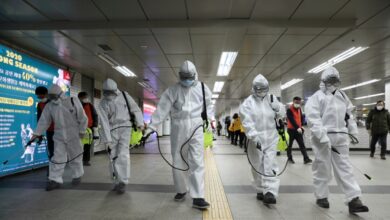
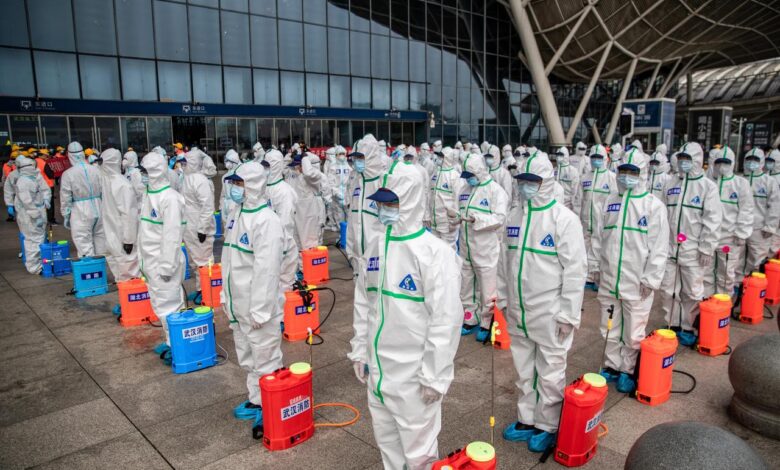
Covid 19 news nearly 30 million in china are now living in lockdown – COVID-19 News: Nearly 30 million in China are now living in lockdown, a stark reminder of the ongoing global impact of the pandemic. China, known for its stringent zero-COVID policy, has been grappling with a recent surge in cases, leading to widespread lockdowns across major cities and provinces.
These measures, while aimed at containing the virus, have come at a significant cost, impacting both the economy and daily life for millions of Chinese citizens.
The lockdowns, implemented in response to the Omicron variant, have imposed strict restrictions on movement, travel, and daily activities. Cities like Shanghai, a major economic hub, have been under lockdown for weeks, with residents confined to their homes and businesses forced to shut down.
This has resulted in widespread disruption to supply chains, manufacturing, and retail, raising concerns about the potential economic consequences for China and the global economy.
The Current Lockdown Situation in China
China is currently experiencing a wave of COVID-19 lockdowns, impacting millions of people across the country. This wave of lockdowns is driven by the highly transmissible Omicron variant, which has led to a surge in cases. The Chinese government’s zero-COVID policy, aiming to eliminate all cases within the country, has resulted in stringent measures, including lockdowns, to contain the spread.
The Scope of the Lockdowns
The current lockdowns in China are affecting numerous cities and provinces. As of December 2022, millions of residents in major cities like Beijing, Shanghai, and Guangzhou have been subjected to varying degrees of restrictions. The scale of the lockdowns is significant, with entire communities and even provinces being placed under strict control.
Rationale for the Lockdowns
The Chinese government’s rationale for implementing lockdowns stems from its zero-COVID policy. This policy aims to completely eliminate COVID-19 within the country, even at the cost of economic and social disruption. The government believes that strict measures, including lockdowns, are necessary to prevent the spread of the virus and protect public health.
Restrictions Imposed on Residents, Covid 19 news nearly 30 million in china are now living in lockdown
Lockdowns in China involve various restrictions on residents’ daily lives. These restrictions aim to minimize contact between individuals and limit the virus’s spread. Common restrictions include:
- Travel Restrictions:Movement within and outside lockdown areas is severely restricted. Travel permits may be required for essential travel, and inter-city travel is often prohibited.
- Movement Restrictions:Residents in lockdown areas may be confined to their homes or designated zones. They may be allowed to leave for essential activities like grocery shopping or medical appointments, but only with specific permissions.
- Daily Activities:Businesses, schools, and public gatherings are often closed or suspended during lockdowns. Restaurants may be limited to takeout services, and social interactions are discouraged.
The Impact of Lockdowns on the Chinese Economy: Covid 19 News Nearly 30 Million In China Are Now Living In Lockdown
The recent widespread lockdowns in China, aimed at curbing the spread of COVID-19, have had a significant impact on the country’s economy. While the lockdowns have helped to contain the virus, they have also disrupted various sectors, leading to economic slowdown and uncertainty.
The Impact on Manufacturing
The lockdowns have severely affected manufacturing activity in China, a major contributor to the country’s GDP. Factories have been forced to close or operate at reduced capacity due to labor shortages, supply chain disruptions, and transportation restrictions. This has led to a decline in production and exports, impacting global supply chains.
For example, the automotive industry has been particularly hard hit, with production lines halted due to parts shortages.
The Impact on Retail
Lockdowns have also significantly impacted the retail sector in China. With people confined to their homes, consumer spending has plummeted, leading to a decline in sales for both online and brick-and-mortar stores. The closure of non-essential businesses and restrictions on movement have further hampered retail activity.
The impact is evident in the decline in sales of discretionary goods, such as clothing, electronics, and luxury items.
The Impact on Tourism
China’s tourism industry, a major driver of economic growth, has been devastated by the lockdowns. Travel restrictions and border closures have led to a sharp decline in domestic and international tourism. The hospitality sector, including hotels, restaurants, and travel agencies, has suffered significant losses.
For instance, the number of tourists visiting popular destinations like Beijing and Shanghai has fallen dramatically.
The Impact on Supply Chains and Global Trade
The lockdowns in China have disrupted global supply chains, leading to delays and shortages of goods worldwide. The closure of factories and ports, coupled with transportation restrictions, has created bottlenecks in the flow of goods. This has impacted businesses across various sectors, from manufacturing to retail.
It’s hard to ignore the news coming out of China right now, with nearly 30 million people under lockdown. It’s a stark reminder that even in the midst of uncertainty, we still need to find ways to enjoy ourselves.
If you’re looking for a way to bring some cheer into your home, maybe check out the best bar carts for studio apartments, big backyards, and West Egg mansions. Whether you’re entertaining a small group or just enjoying a drink on your own, a well-stocked bar cart can be a great way to elevate the mood.
And who knows, maybe a little bit of home-made happiness can help us all get through these challenging times.
The impact is particularly noticeable in industries that rely heavily on Chinese imports, such as electronics, textiles, and pharmaceuticals.
The Potential Long-Term Effects of the Lockdowns on Economic Growth and Stability
The long-term effects of the lockdowns on the Chinese economy remain uncertain. However, experts predict that the lockdowns could have a significant impact on economic growth and stability. The disruptions to supply chains, the decline in consumer spending, and the slowdown in manufacturing activity could lead to a prolonged economic slowdown.
Furthermore, the lockdowns could also lead to job losses, increased unemployment, and social unrest.
“The Chinese economy is facing a difficult period due to the COVID-19 pandemic and the lockdowns. While the government has implemented measures to mitigate the impact, the long-term effects remain uncertain.”
Economist
The Public Health Context of the Lockdowns
The recent lockdowns in China, affecting nearly 30 million people, raise crucial questions about the public health rationale behind such measures. While China’s “zero-COVID” strategy has aimed to minimize infections and deaths, it has come at a significant cost to the economy and individual freedoms.
This section examines the current COVID-19 situation in China, comparing its approach to other countries and analyzing the effectiveness of lockdowns in controlling the pandemic.
The Current COVID-19 Situation in China
China’s COVID-19 situation is characterized by a high number of cases, hospitalizations, and deaths, despite its stringent “zero-COVID” strategy. The country has reported over 250,000 cases and 5,000 deaths since the pandemic began. The recent surge in cases has been attributed to the Omicron variant, which is highly transmissible and has proven difficult to contain even with strict lockdowns.
Comparison with Other Countries
China’s approach to managing the pandemic has differed significantly from that of many other countries. While most nations have adopted a strategy of living with the virus, prioritizing economic recovery and individual freedoms, China has maintained a strict “zero-COVID” policy.
It’s crazy to think that nearly 30 million people in China are currently under lockdown due to COVID-19. This situation reminds me of something I read recently about retaining employees in a challenging market, like the one we’re in now.
Adam Grant, a renowned organizational psychologist, argues that offering “retention raises” is a great way to keep valuable employees, especially those with experience and institutional knowledge. Check out his article on the topic. It’s clear that we’re facing a lot of uncertainty right now, both on a global scale and in our own personal lives, and it’s important to remember that our employees are dealing with the same challenges.
This has involved widespread testing, contact tracing, and lockdowns, aiming to eliminate the virus entirely.
Effectiveness of Lockdowns
Lockdowns have proven effective in curbing the spread of COVID-19 in the short term, but their long-term efficacy is debatable. While lockdowns can slow down transmission, they also come with significant economic and social costs. Additionally, the emergence of new variants, such as Omicron, has challenged the effectiveness of lockdowns in completely eliminating the virus.
International Reactions to the Lockdowns
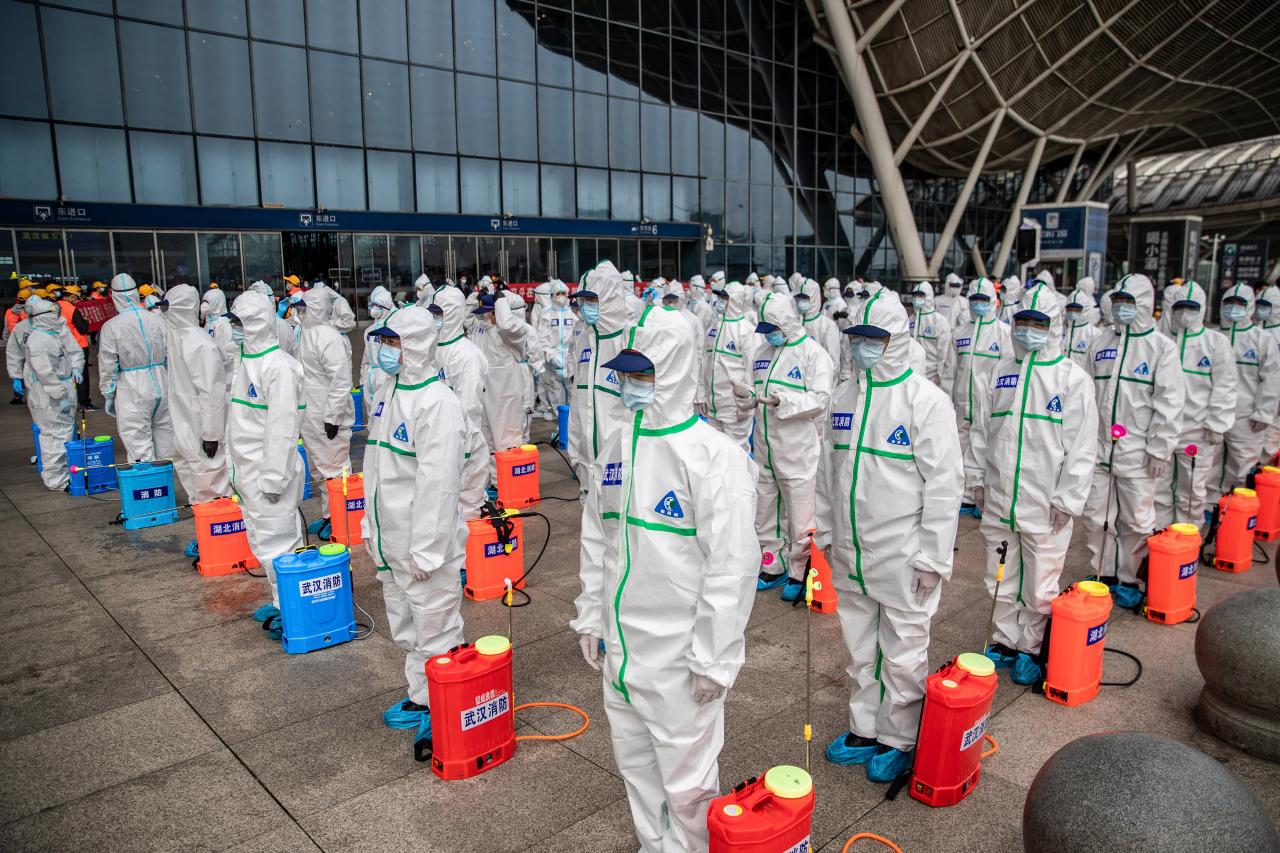
The recent widespread lockdowns in China, affecting nearly 30 million people, have sparked a range of reactions from the international community. While some countries and organizations express concerns about the impact on human rights and economic stability, others offer support and acknowledge the complexities of managing a global pandemic.
Reactions from Other Countries
The reactions of other countries to the lockdowns in China have been varied, reflecting a complex interplay of political, economic, and health considerations. Some countries have expressed concerns about the potential impact of the lockdowns on human rights and economic stability.
It’s hard to ignore the news coming out of China right now, with nearly 30 million people under lockdown. While we’re all dealing with the ongoing effects of the pandemic, it’s inspiring to see positive developments like the recent news that digital health platform Parallel Learning announced a $20 million Series A funding round to expand their services for students with learning differences.
It’s a reminder that even in challenging times, innovation and support for those who need it most continue to move forward.
For instance, the United States has criticized China’s zero-COVID policy, citing its impact on global supply chains and its potential to exacerbate global economic instability.
- The United States has expressed concerns about the impact of China’s zero-COVID policy on global supply chains and its potential to exacerbate global economic instability.
- The European Union has also voiced concerns about the impact of the lockdowns on human rights and economic stability.
- Some countries, such as Australia, have implemented travel restrictions on travelers from China, citing concerns about the potential spread of new COVID-19 variants.
However, other countries have offered support to China in its efforts to contain the pandemic.
- The World Health Organization (WHO) has praised China’s commitment to public health and its efforts to control the spread of COVID-19.
- Several countries have offered to share medical supplies and expertise with China.
Potential Implications for Global Cooperation and Pandemic Response
The lockdowns in China have raised questions about the effectiveness of zero-COVID policies and the feasibility of maintaining such policies in the long term.
- Some experts argue that zero-COVID policies are unsustainable and may ultimately be counterproductive, as they can lead to economic hardship and social unrest.
- Others argue that zero-COVID policies can be effective in containing the spread of the virus, particularly in the early stages of a pandemic.
The lockdowns have also highlighted the challenges of coordinating global pandemic response efforts.
- The lockdowns have shown the interconnectedness of the global economy and the potential for disruptions to global supply chains.
- The lockdowns have also underscored the importance of international cooperation in sharing information and resources to combat pandemics.
Global Economic and Political Ramifications
The lockdowns in China have had significant economic implications, both domestically and globally.
- The lockdowns have disrupted global supply chains, leading to shortages of goods and rising prices.
- The lockdowns have also had a negative impact on China’s economy, as businesses have been forced to close and consumer spending has declined.
The lockdowns have also had political implications, raising concerns about the potential for social unrest and the erosion of public trust in the government.
- The lockdowns have led to protests in some parts of China, as people have expressed frustration with the restrictions on their daily lives.
- The lockdowns have also raised questions about the transparency of the Chinese government and its handling of the pandemic.
The Future of COVID-19 in China
The recent surge in COVID-19 cases in China, coupled with the implementation of stringent lockdowns, has raised significant concerns about the future trajectory of the pandemic in the country. While the current situation presents challenges, it also offers opportunities for China to refine its pandemic management strategy and navigate the long-term effects of the virus.
The Potential for Future Outbreaks and Further Lockdowns
The emergence of new variants and the waning immunity of the population pose a constant threat of future outbreaks in China. While the government has implemented various measures to control the spread of the virus, including widespread testing and contact tracing, the effectiveness of these measures may be limited in the long term.
The highly contagious nature of the Omicron variant and its subvariants has proven to be a significant challenge, making it difficult to completely eliminate the virus from the country. As a result, there is a real possibility of further lockdowns in China, particularly in areas experiencing significant outbreaks.
The Challenges and Opportunities Facing the Chinese Government in Managing the Long-Term Effects of the Pandemic
The Chinese government faces a complex and multifaceted challenge in managing the long-term effects of the pandemic. The economic impact of lockdowns has been significant, impacting industries, supply chains, and consumer spending. The government must balance public health concerns with the need to stimulate economic growth and maintain social stability.
Challenges
- Economic Impact:The strict lockdowns have resulted in significant disruptions to businesses, supply chains, and economic activity. The government faces the challenge of mitigating these economic losses while maintaining public health measures.
- Public Health Concerns:The ongoing pandemic has raised concerns about the long-term health effects of the virus, including the potential for long COVID. The government must address these concerns and provide adequate healthcare resources to those affected.
- Social Discontent:The strict lockdown measures have led to social unrest and frustration among the population, particularly in areas where access to essential goods and services has been restricted. The government faces the challenge of maintaining social order and addressing public grievances.
Opportunities
- Investing in Public Health Infrastructure:The pandemic has highlighted the importance of a robust public health infrastructure. The government has an opportunity to invest in strengthening healthcare systems, expanding testing and surveillance capabilities, and improving disease prevention and control measures.
- Promoting Economic Diversification:The pandemic has exposed vulnerabilities in China’s export-oriented economy. The government can seize this opportunity to promote economic diversification, invest in domestic consumption, and create new industries that are less reliant on global trade.
- Enhancing International Cooperation:The pandemic has underscored the need for international collaboration in addressing global health challenges. The Chinese government can leverage this opportunity to strengthen partnerships with other countries and contribute to global efforts to combat the virus.
The Potential Impact of the Lockdowns on Public Trust and Government Legitimacy in China
The stringent lockdowns implemented in China have had a significant impact on public trust and government legitimacy. While the government has cited public health as the primary justification for these measures, some citizens have expressed concerns about the economic and social costs of lockdowns.
The lack of transparency and communication regarding government policies has also contributed to public distrust. The government’s handling of the pandemic has been closely scrutinized, and its legitimacy has been challenged in some quarters.
Factors Contributing to Public Distrust
- Lack of Transparency:The government has been criticized for a lack of transparency regarding its pandemic management strategies, including the decision-making process for lockdowns. This lack of transparency has fueled speculation and distrust among the public.
- Economic Impact:The economic consequences of lockdowns have been felt by many citizens, leading to concerns about job security, income loss, and financial stability. This has eroded public trust in the government’s ability to manage the economic fallout of the pandemic.
- Social Restrictions:The strict lockdowns have imposed significant restrictions on individual freedoms and social interactions. This has led to frustration and discontent among some citizens, who feel that their rights have been infringed upon.
Last Word
The situation in China highlights the ongoing challenges of managing the COVID-19 pandemic, even in countries with strong public health systems. While the lockdowns may help to curb the spread of the virus, their impact on the economy and daily life is undeniable.
The future of COVID-19 in China remains uncertain, with the potential for further outbreaks and lockdowns. The government’s ability to navigate these challenges while balancing public health and economic stability will be crucial in the months to come.