
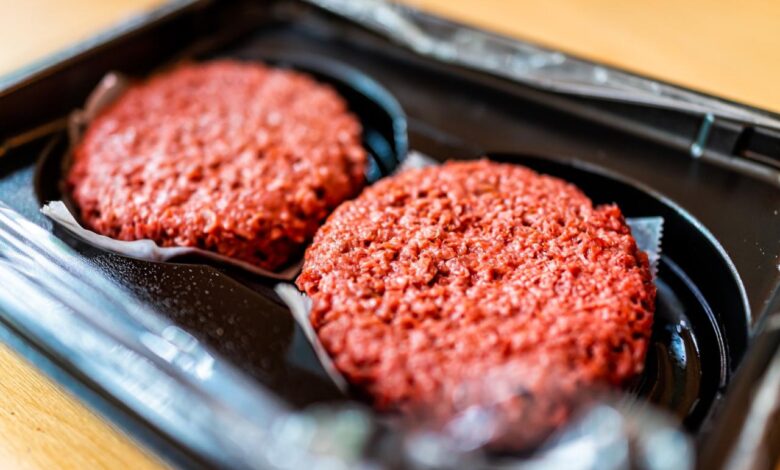
Cell-Based Meats: The Need for an Ideal Growth Matrix
Cell based meats need an ideal matrix to grow on – Cell-based meats need an ideal matrix to grow on, and this is a topic that’s been sparking a lot of excitement and debate in the world of food science. Imagine being able to enjoy your favorite meat dishes without relying on traditional animal agriculture.
That’s the promise of cell-based meat, and it’s becoming increasingly feasible thanks to advancements in bioengineering. But there’s a crucial ingredient missing in this recipe for success – the ideal growth matrix.
This matrix, essentially a scaffold for the cells, plays a vital role in supporting the growth and differentiation of muscle tissue. It needs to mimic the natural environment of muscle tissue, providing the right nutrients and signaling molecules to guide the cells to develop into the desired meat structure.
This is no easy feat, as creating a matrix that perfectly replicates the complexity of natural muscle tissue is a significant scientific challenge.
Future Directions in Matrix Development: Cell Based Meats Need An Ideal Matrix To Grow On
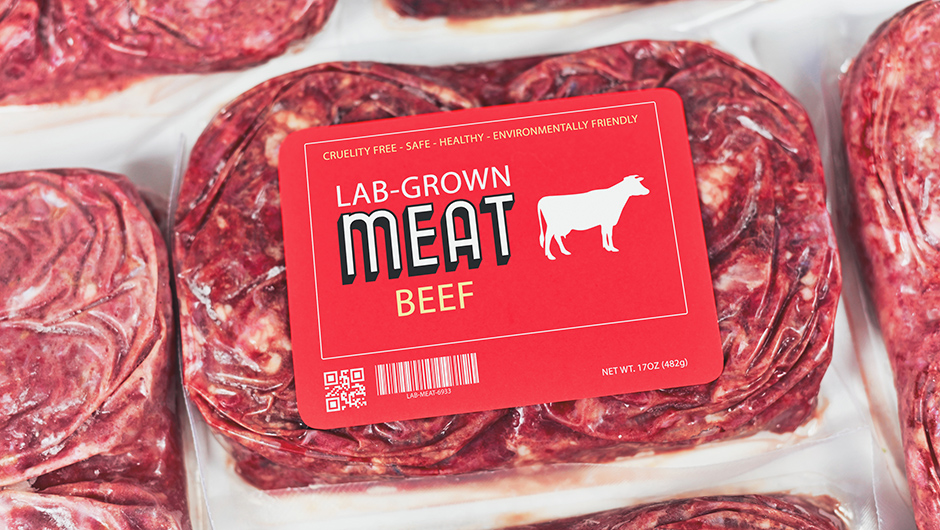
The development of cell-based meat has made significant strides, but optimizing the growth matrix remains a key challenge. As researchers continue to explore innovative solutions, the future holds exciting possibilities for advancements in matrix design, paving the way for more efficient and sustainable production of cultivated meat.
Bioprinting and 3D-Printed Matrices
Bioprinting offers a revolutionary approach to creating complex and intricate muscle structures. By using bioinks containing cells and biocompatible materials, 3D printers can precisely deposit layers of cells, forming highly organized and functional tissues. This technology holds immense potential for replicating the natural architecture of muscle tissue, leading to more realistic and flavorful cell-based meat products.
- Researchers at the University of California, San Diego, have successfully bioprinted muscle tissue that exhibits contractile properties, demonstrating the potential of this technology for creating functional meat analogues.
- Bioprinting can also be used to create complex vascular networks within the matrix, ensuring adequate nutrient delivery and oxygen supply to the growing muscle cells, contributing to the development of larger and more robust cell-based meat products.
Biomaterials Derived from Natural Sources, Cell based meats need an ideal matrix to grow on
The use of biomaterials derived from natural sources presents a sustainable and biocompatible alternative to synthetic matrices. These materials, such as collagen, gelatin, and alginate, are readily available and offer excellent biocompatibility, promoting cell growth and differentiation.
- Collagen, a naturally occurring protein found in animal tissues, provides a robust and biocompatible scaffold for cell attachment and growth, mimicking the natural environment of muscle cells.
- Alginate, a polysaccharide extracted from seaweed, forms a gel-like matrix that supports cell growth and can be easily manipulated to create different shapes and textures, enabling the creation of diverse cell-based meat products.
Last Recap
The development of an ideal growth matrix for cell-based meat is a complex undertaking, requiring a deep understanding of cellular biology and material science. While there are challenges, the potential benefits are immense. Imagine a future where meat production is more sustainable, ethical, and accessible to everyone.
The journey towards this future is paved with innovative research and creative solutions, and the quest for the perfect growth matrix is at the heart of it all.
Just like how cell-based meats need an ideal matrix to grow on, tackling the oldest pandemic, tuberculosis, requires a multi-faceted approach. Poverty, a significant factor in its persistence, creates a perfect storm for its spread. As explained in this article , poverty hinders access to healthcare, nutrition, and sanitation, making individuals more vulnerable to the disease.
Understanding these complex social determinants is crucial for developing effective solutions, much like understanding the ideal growth matrix is vital for successful cell-based meat production.
Just like cell-based meats need an ideal matrix to grow on, companies need the right environment to thrive. Elon Musk’s recent push for a return to the office has sparked debate, and while some of his points are valid, like the importance of collaboration and team building, 3 things elon musk got right about the return to the office and some he got wrong is a great read to get different perspectives.
Ultimately, fostering a culture of trust and flexibility, similar to how scientists carefully craft the ideal matrix for cell-based meats, is crucial for success in the modern workplace.
Just like cell-based meats need the perfect scaffolding to grow and thrive, young readers need the right books to fuel their imaginations. If your kid loves “Diary of a Wimpy Kid,” check out 15 kid recommended books for diary of a wimpy kid fans for some great suggestions.
These books offer similar humor and relatable characters, ensuring a smooth transition into new literary adventures. And just like the perfect matrix is crucial for cell-based meat, finding the right books can nurture a child’s love for reading, helping them grow and flourish.