
Zelle Scam: Wells Fargo Customers Lose Thousands
In latest zelle scam wells fargo customers lose thousands after fraudsters pose as bank employees – Zelle Scam: Wells Fargo Customers Lose Thousands after fraudsters pose as bank employees, this recent scam has sent shockwaves through the financial community, leaving many wondering how such sophisticated schemes can be carried out. Fraudsters, posing as legitimate Wells Fargo employees, have targeted unsuspecting customers, persuading them to transfer funds via Zelle, a popular mobile payment platform.
The consequences have been devastating, with victims losing thousands of dollars, often their life savings, in a matter of minutes.
The impact of this scam goes beyond the financial losses. Victims often experience feelings of betrayal, anger, and helplessness, as they grapple with the realization that they have been tricked by someone they trusted. The emotional toll can be significant, leading to stress, anxiety, and even depression.
The scam has also raised concerns about the security of mobile payment platforms and the need for increased consumer awareness and education.
Zelle Scam Overview
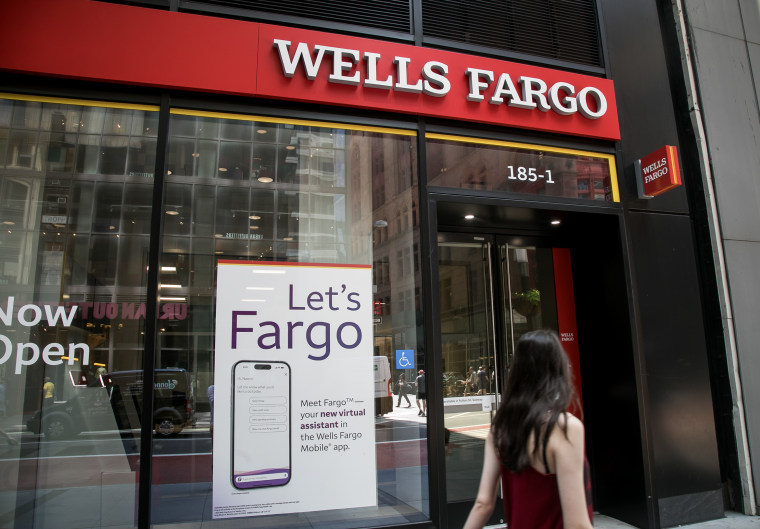
The Zelle scam targeting Wells Fargo customers is a serious threat, causing significant financial losses for unsuspecting victims. This scam exploits the convenience and popularity of Zelle, a popular peer-to-peer payment service, by leveraging social engineering tactics to trick users into sending money to fraudulent accounts.
How Fraudsters Impersonate Bank Employees
Fraudsters employ sophisticated techniques to impersonate Wells Fargo employees, gaining the trust of their victims. This impersonation can occur through various channels, including phone calls, emails, and even text messages.
It’s a shame to hear about the recent Zelle scam targeting Wells Fargo customers. Fraudsters posing as bank employees are causing real financial hardship for people. On a lighter note, if you’re looking for a getaway, I highly recommend checking out the world’s best hotel bars, The Omnia in Zermatt, Switzerland.
It’s a beautiful escape from the stress of scams and financial woes. Just remember to be vigilant about your financial security, especially with these kinds of scams on the rise.
- Phone Calls:Scammers may use caller ID spoofing to display a legitimate Wells Fargo number on the victim’s phone, making the call appear authentic. They then use persuasive language and a sense of urgency to convince the victim that their account is compromised and needs immediate attention.
- Emails:Scammers may send emails that appear to be from Wells Fargo, containing official-looking logos and branding. These emails often include links that direct victims to fake websites designed to steal their personal and financial information.
- Text Messages:Scammers may send text messages that appear to be from Wells Fargo, requesting the victim to click on a link or provide personal information. These messages often contain threats or warnings about account security, creating a sense of panic and urgency.
It’s disheartening to hear about the Wells Fargo Zelle scam, where fraudsters are posing as bank employees and stealing thousands from unsuspecting customers. It’s a reminder that we need to be vigilant about protecting our financial information. On a brighter note, it’s encouraging to see progress being made in supporting veterans, with senators announcing bipartisan legislation to help veterans exposed to burn pits.
Hopefully, this legislation will provide much-needed relief and support for those who have served our country. Returning to the Wells Fargo scam, it’s important to remember that banks will never ask for personal information over the phone or through email.
If you receive a suspicious request, always contact your bank directly to verify.
Common Tactics Used by Scammers
Scammers use a variety of tactics to deceive their victims, often leveraging psychological manipulation to exploit vulnerabilities. Here are some common tactics:
- Sense of Urgency:Scammers often create a sense of urgency, claiming that the victim’s account is at risk or that they need to act immediately to prevent financial loss. This pressure can make victims less likely to question the legitimacy of the request.
- Social Proof:Scammers may use social proof to convince victims that they are legitimate. They may claim to be working with a specific department at Wells Fargo, or they may mention other customers who have been victims of similar scams.
- Fear and Intimidation:Scammers may use fear and intimidation to pressure victims into complying with their demands. They may threaten to freeze the victim’s account, report them to the authorities, or take other actions that could cause financial or legal consequences.
- Confusing Language:Scammers may use confusing language or technical jargon to make it difficult for victims to understand what is happening. This can make it harder for victims to recognize the scam and take appropriate action.
Impact on Victims: In Latest Zelle Scam Wells Fargo Customers Lose Thousands After Fraudsters Pose As Bank Employees

The Wells Fargo Zelle scam has had a devastating impact on countless victims, causing significant financial losses and emotional distress. Victims have reported losing thousands of dollars, with some individuals even losing their entire life savings.
Financial Losses
The financial losses experienced by Wells Fargo customers due to the scam are substantial. Victims have reported losing anywhere from a few hundred dollars to tens of thousands of dollars. In some cases, individuals have lost their entire life savings.
It’s crazy how quickly these scams are evolving. Just last week, we saw Wells Fargo customers lose thousands after fraudsters posed as bank employees using Zelle. It’s a reminder to be vigilant and never share personal information over the phone or through unsolicited emails.
On a lighter note, Alaska is hosting a first-of-its-kind special election with a whopping 48 candidates vying for a House seat – in alaska 48 house candidates and a first of its kind special election. Back to the Wells Fargo scam, it’s important to remember that your bank will never ask for your login credentials over the phone or through email.
Always verify any requests by contacting your bank directly through their official channels.
The scam has particularly impacted individuals who rely heavily on their bank accounts for daily expenses and financial stability.
Emotional and Psychological Consequences
Beyond the financial hardship, the scam has also had a profound emotional and psychological impact on victims. Many victims have reported feeling betrayed by Wells Fargo, the institution they trusted to protect their finances. They have also experienced feelings of anger, frustration, helplessness, and anxiety.
The scam has led to stress, sleep disturbances, and even depression in some victims.
Steps to Recover Funds
Victims have taken various steps to try and recover their funds. Many have contacted Wells Fargo directly, but the bank has often been unwilling to reimburse the lost funds. Victims have also filed complaints with the Consumer Financial Protection Bureau (CFPB) and the Federal Trade Commission (FTC).
In some cases, victims have even resorted to legal action against Wells Fargo. However, the process of recovering funds can be lengthy and challenging, and many victims have yet to receive compensation for their losses.
Law Enforcement and Regulatory Response

The Zelle scam has prompted a concerted effort from law enforcement and regulatory bodies to combat financial fraud and protect consumers. While Zelle itself is not responsible for fraudulent transactions, the company has been working with authorities to address the issue.
Challenges Faced by Authorities, In latest zelle scam wells fargo customers lose thousands after fraudsters pose as bank employees
Online scams pose significant challenges for law enforcement agencies due to the anonymity and borderless nature of the internet. The perpetrators often operate from outside the jurisdiction of the victims, making it difficult to track and apprehend them. Furthermore, the speed at which scams evolve makes it challenging for authorities to stay ahead of the latest tactics.
- Cross-border Investigations:Scammers often operate from different countries, making it difficult to coordinate investigations across international borders. This complexity can delay investigations and hinder the ability to recover stolen funds.
- Anonymity of Online Scammers:Scammers frequently use fake identities and encrypted communication methods to conceal their true identities and locations. This makes it challenging to identify and prosecute the individuals responsible.
- Rapidly Evolving Scams:Scammers are constantly adapting their methods to avoid detection. They quickly learn from past failures and develop new tactics, making it difficult for authorities to keep pace.
Wrap-Up
The Zelle scam targeting Wells Fargo customers serves as a stark reminder of the evolving nature of financial fraud and the importance of staying vigilant. As technology advances, so too do the tactics employed by scammers. It is crucial for financial institutions to implement robust security measures and for consumers to be aware of the red flags associated with these scams.
By working together, we can protect ourselves from falling victim to these schemes and ensure the safety of our hard-earned money.