

Hormone Therapy: Its Not What You Heard 20 Years Ago
Heres the current thinking on hormone therapy its not what you heard 20 years ago – Hormone Therapy: It’s Not What You Heard 20 Years Ago sets the stage for this enthralling narrative, offering readers a glimpse into a story that is rich in detail and brimming with originality from the outset. The landscape of hormone therapy has shifted dramatically over the past two decades, moving away from the blanket warnings of the past and embracing a more nuanced understanding of its potential benefits and risks.
This evolution is driven by a growing body of scientific research that sheds light on the complex interplay of hormones in our bodies, particularly as we age.
This journey into the world of hormone therapy explores the science behind these powerful compounds, delves into the specific needs of individuals seeking treatment, and guides you through the process of finding the right treatment plan. It’s about empowering you with knowledge and helping you navigate the complexities of this evolving field.
Hormone Therapy
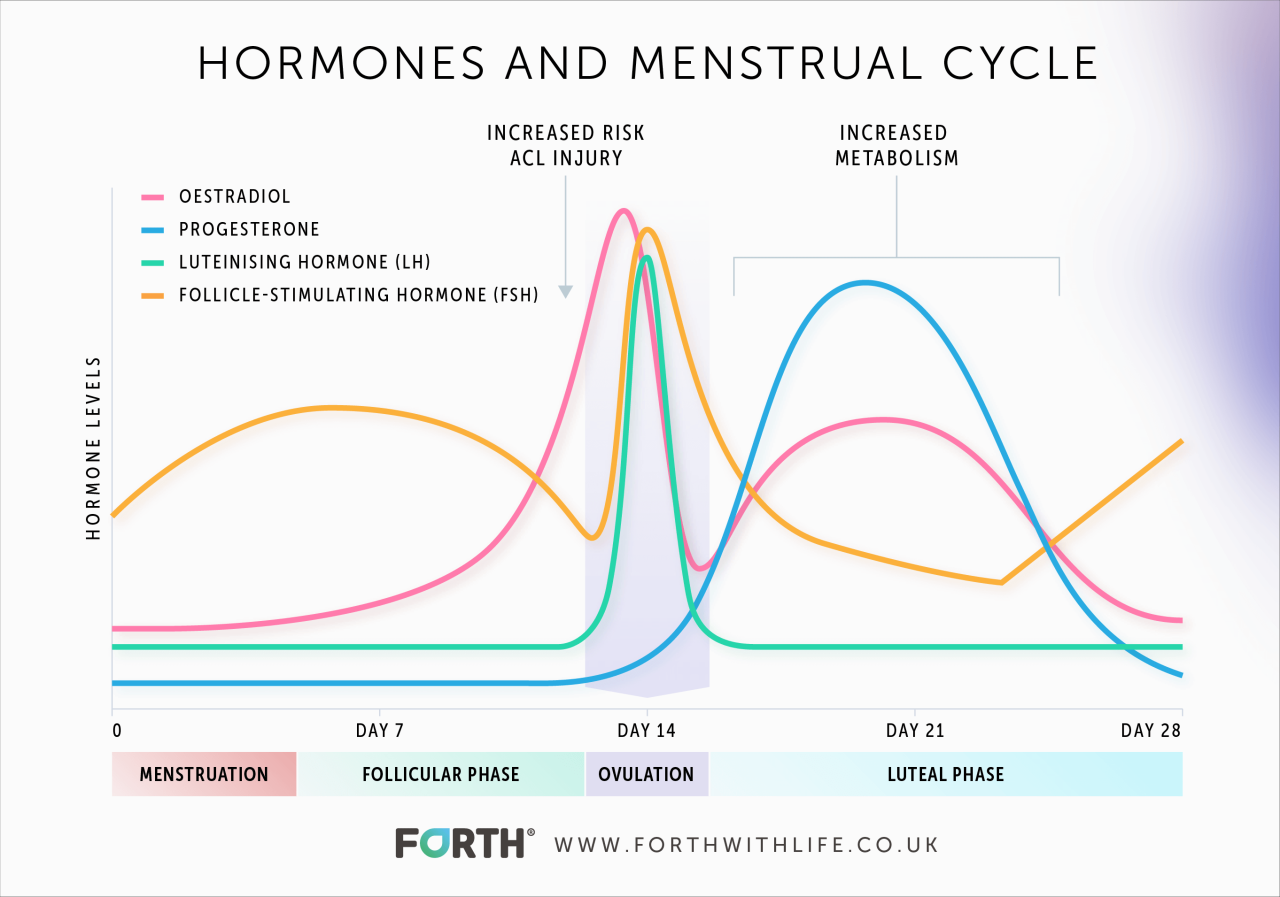
Hormone therapy, a treatment that involves using hormones to address hormonal imbalances, has been a subject of much debate and evolving understanding over the past few decades. The historical perception of hormone therapy has shifted significantly, moving from a widely accepted approach to a more nuanced and cautious approach.
Historical Perception and Evolution, Heres the current thinking on hormone therapy its not what you heard 20 years ago
For many years, hormone therapy, particularly estrogen replacement therapy for women, was widely prescribed for various conditions, including menopause symptoms, osteoporosis, and heart disease. This widespread use was based on the belief that replacing declining hormones could effectively alleviate symptoms and prevent age-related health issues.
Remember all those scary stories about hormone therapy from twenty years ago? Well, the science has evolved. It’s not about some drastic, one-size-fits-all approach anymore. In fact, the focus is now on personalized solutions that address individual needs.
And speaking of positive changes, it’s fascinating to see how Shopify is empowering entrepreneurs. According to Shopify , its merchants have created nearly 5 million jobs! It’s amazing to see how technology can create opportunities and drive economic growth.
And just like the way we’ve moved past outdated views on hormone therapy, we need to embrace new ways of thinking about business and its impact on society.
However, this perception began to change in the early 2000s with the publication of the Women’s Health Initiative (WHI) study. This landmark study, which followed over 160,000 women, found that long-term hormone therapy use was associated with an increased risk of certain cancers, blood clots, and stroke.
It’s amazing how much our understanding of things like hormone therapy has changed in just a couple of decades. Just like the way we’re sending astronauts to space with the help of commercial companies like Boeing, boeings starliner launch will bring new cargo and science to the space station , we’re also learning new things about the human body all the time.
So, before you get caught up in old myths about hormone therapy, do your research and talk to a doctor about what’s right for you.
These findings led to a significant decline in the use of hormone therapy, with many women and healthcare providers becoming more cautious about its potential risks.
Reasons for Changing Understanding
The shift in understanding regarding hormone therapy is primarily attributed to the following factors:
- The WHI Study:The publication of the WHI study in 2002, which found increased risks associated with long-term hormone therapy, significantly influenced the perception of its safety and efficacy.
- Advancements in Research:Continued research and clinical trials have provided a more nuanced understanding of hormone therapy, identifying specific risks and benefits based on factors such as age, individual health conditions, and the type and dosage of hormones used.
- Increased Awareness of Potential Risks:The public became more aware of the potential risks associated with hormone therapy, leading to increased scrutiny and caution regarding its use.
- Personalized Medicine:The rise of personalized medicine has emphasized the importance of tailoring treatment plans to individual needs, considering factors such as genetics, lifestyle, and specific health conditions.
Potential Benefits and Risks
It is crucial to understand that hormone therapy is not a one-size-fits-all solution and should be considered on an individual basis. The potential benefits and risks of hormone therapy can vary significantly depending on factors such as the type of hormone used, the dosage, the duration of treatment, and the individual’s health status.
It’s amazing how much the medical landscape changes, even in a relatively short time. Just a couple of decades ago, hormone therapy was viewed with suspicion, but now we’re seeing a much more nuanced understanding of its benefits and risks.
This shift highlights the importance of staying informed about the latest medical research, especially when it comes to decisions about our health as we age. It’s a great time to delve into the complexities of aging and the choices we face, like those explored in this insightful article on sizing up the decisions of older adults.
With new knowledge comes the power to make informed decisions, and that’s a powerful tool for navigating the journey of aging.
Benefits
- Menopause Symptom Relief:Hormone therapy, particularly estrogen therapy, can effectively alleviate common menopausal symptoms such as hot flashes, night sweats, vaginal dryness, and mood swings. It can also help prevent bone loss and osteoporosis.
- Improved Cardiovascular Health:Some studies suggest that hormone therapy may have beneficial effects on cardiovascular health, particularly in women who have undergone early menopause. However, this area requires further research.
- Improved Sexual Function:Hormone therapy can improve sexual function, particularly in women experiencing vaginal dryness and low libido due to hormonal changes.
- Other Conditions:Hormone therapy may be beneficial in treating certain conditions such as endometriosis, polycystic ovary syndrome (PCOS), and some types of breast cancer.
Risks
- Increased Risk of Certain Cancers:Long-term use of hormone therapy, particularly estrogen-only therapy, has been linked to an increased risk of breast cancer, endometrial cancer, and ovarian cancer. However, the risks vary depending on the type and dosage of hormones used, the duration of treatment, and individual risk factors.
- Cardiovascular Risks:While some studies suggest potential benefits, hormone therapy can also increase the risk of blood clots, stroke, and heart attack, particularly in women who smoke, have a history of blood clots, or have other cardiovascular risk factors.
- Other Risks:Hormone therapy can also lead to other potential side effects such as weight gain, fluid retention, headaches, and mood changes. The severity and frequency of these side effects vary from person to person.
The Science Behind Hormone Therapy
Hormone therapy has become a popular topic in recent years, particularly as we learn more about the hormonal changes associated with aging and their impact on overall health and well-being. It’s essential to understand the science behind hormone therapy, including the types of hormones involved, how they work, and their potential benefits and risks.
Hormonal Changes Associated with Aging
As we age, our bodies naturally produce fewer hormones, including estrogen, progesterone, testosterone, and growth hormone. These changes can lead to a variety of symptoms, including:
- Menopause in women, characterized by hot flashes, night sweats, vaginal dryness, and mood swings.
- Andropause in men, often referred to as “male menopause,” which can lead to decreased libido, erectile dysfunction, fatigue, and mood changes.
- Changes in sleep patterns, bone density, muscle mass, and cognitive function.
These hormonal changes are a natural part of aging, but they can also contribute to various health problems.
Types of Hormone Therapy and Their Mechanisms of Action
Hormone therapy aims to replace or supplement declining hormone levels, often through the use of bioidentical hormones, which are chemically identical to the hormones produced by the body.
- Estrogen therapy: Primarily used for managing menopausal symptoms in women. It can be administered through various routes, including oral pills, patches, creams, and vaginal rings. Estrogen therapy can help alleviate hot flashes, night sweats, and vaginal dryness.
- Progesterone therapy: Often used in conjunction with estrogen therapy to address symptoms like mood swings and irregular bleeding. It can be administered orally, vaginally, or through a patch.
- Testosterone therapy: Primarily used in men to address symptoms of andropause, such as low libido, erectile dysfunction, and fatigue. It can be administered through injections, patches, gels, and pills.
- Growth hormone therapy: Used to treat growth hormone deficiency, which can occur due to aging or other medical conditions. It is typically administered through injections.
Common Uses and Potential Side Effects of Hormone Therapies
The following table summarizes the common uses and potential side effects of different hormone therapies:
| Hormone Therapy | Common Uses | Potential Side Effects |
|---|---|---|
| Estrogen Therapy | Menopausal symptoms, osteoporosis, vaginal dryness | Increased risk of blood clots, stroke, breast cancer, uterine cancer |
| Progesterone Therapy | Menopausal symptoms, endometriosis, uterine fibroids | Mood swings, breast tenderness, irregular bleeding |
| Testosterone Therapy | Andropause symptoms, low testosterone levels | Acne, hair loss, prostate enlargement, sleep apnea |
| Growth Hormone Therapy | Growth hormone deficiency, muscle wasting, osteoporosis | Fluid retention, carpal tunnel syndrome, diabetes |
It is crucial to note that hormone therapy is not without risks, and the potential benefits and side effects should be carefully considered in consultation with a healthcare professional.
Concluding Remarks: Heres The Current Thinking On Hormone Therapy Its Not What You Heard 20 Years Ago

As we’ve journeyed through the shifting landscape of hormone therapy, it’s clear that there’s no one-size-fits-all approach. The key lies in understanding your individual needs, having open conversations with your healthcare provider, and embracing a personalized treatment plan that addresses your unique situation.
Whether you’re seeking relief from age-related symptoms, exploring options for hormone imbalances, or simply seeking to optimize your overall health and well-being, the information presented here can serve as a valuable resource on your path to informed decision-making.