Why Is Putin Attacking Ukraine? He Told Us.
Why is putin attacking ukraine he told us – Why Is Putin Attacking Ukraine? He Told Us. The world watched in disbelief as Russian forces crossed the Ukrainian border in February 2022, marking the beginning of a brutal conflict that continues to this day. While the invasion itself was shocking, the reasons behind it were less so.
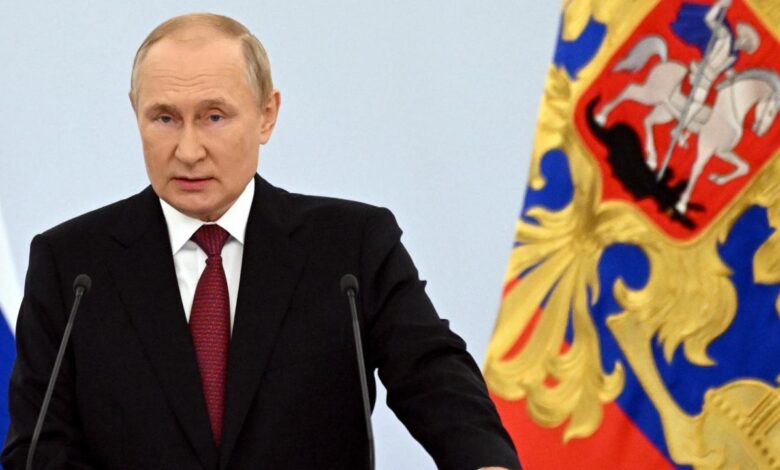
Putin himself, in the weeks leading up to the invasion, laid out his justifications for the attack, claiming that Ukraine was a threat to Russia’s security and that the Ukrainian people were being oppressed by a “Nazi” regime. These claims, however, were widely disputed by the international community, and many saw the invasion as a blatant act of aggression motivated by Putin’s desire to restore Russia’s imperial ambitions.
To understand the complexities of this conflict, we must delve into the historical context, strategic considerations, domestic factors, and international responses that have shaped the current situation. We must also consider the Ukrainian perspective, as they are the ones who are bearing the brunt of this war.
By examining these different facets of the conflict, we can gain a deeper understanding of why Putin attacked Ukraine and the consequences of his actions.
International Response
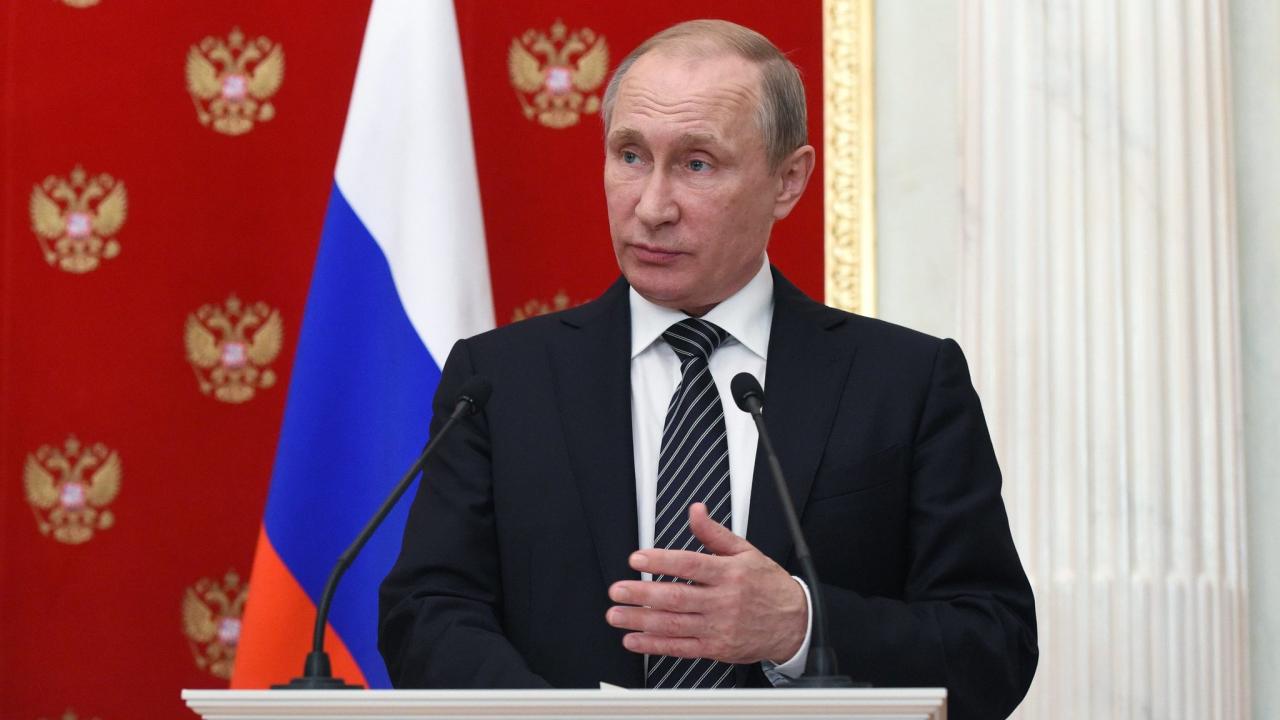
The international community has responded to Russia’s invasion of Ukraine with a wave of condemnation and a range of sanctions aimed at isolating Russia and deterring further aggression. These measures reflect the global consensus that Russia’s actions violate international law and threaten global security.The effectiveness of these sanctions and other measures remains to be seen.
Putin’s justification for invading Ukraine is a complex web of historical grievances and strategic ambitions. While his rhetoric centers around protecting Russian-speaking populations, the reality is much more nuanced. It’s interesting to consider how this conflict intersects with the growing global conversation about wealth inequality, as highlighted in this article theres a growing interest in wealth taxes on the super rich heres why it hasnt happened.
The immense wealth held by a few, coupled with the political influence it affords, can undoubtedly impact international relations and contribute to conflicts like the one in Ukraine.
While some analysts argue that they have already had a significant impact on the Russian economy, others contend that they will take time to fully materialize. The long-term implications of the conflict and the effectiveness of the international response are still unfolding.
Sanctions and Economic Measures
Sanctions have been a cornerstone of the international response to the invasion. These measures aim to cripple the Russian economy and exert pressure on the Kremlin to end the war. The United States, the European Union, and other countries have imposed a wide range of sanctions, including:
- Freezing the assets of Russian banks and individuals
- Restricting exports of key technologies and goods
- Imposing travel bans on Russian officials
- Excluding Russian banks from the SWIFT international payment system
These sanctions have had a significant impact on the Russian economy, leading to a sharp decline in the value of the ruble and a surge in inflation. However, it remains to be seen whether these measures will be sufficient to force Russia to withdraw from Ukraine.
Putin’s stated reasons for invading Ukraine seem to be rooted in a desire to restore Russia’s influence and reclaim lost territory. While this might seem like a historical grievance, the reality is far more complex. It’s fascinating to see how this conflict unfolds against the backdrop of the US Supreme Court, which has been transformed by the recent appointment of Ketanji Brown Jackson, a former law clerk who now sits on the highest court in the land.
justice jackson a former law clerk returns to a transformed supreme court The legal and political implications of these events are vast and far-reaching, reminding us that the world stage is constantly in flux. Ultimately, the question of why Putin attacked Ukraine remains open, and its repercussions will continue to shape the global landscape for years to come.
Military Support for Ukraine
In addition to sanctions, several countries have provided military assistance to Ukraine, including:
- Anti-tank and anti-aircraft weapons
- Ammunition and other military equipment
- Intelligence and training
This support has been crucial in helping Ukraine defend itself against the Russian invasion. However, the extent to which these weapons can tip the balance of power in Ukraine’s favor remains to be seen.
Putin’s reasons for attacking Ukraine, as he’s told us, are complex and rooted in historical grievances. But analyzing his motivations is a bit like trying to understand the internal workings of a corporate machine – you can look at the public statements and actions, but the true “personality” of the organization, and its motivations, might be a lot more complex than what’s presented.
Perhaps a better way to approach this is to think about how “severed” is Putin’s workplace personality from his personal beliefs – and to do that, you might want to check out this insightful article on analysis how severed is your workplace personality.
Understanding the disconnect between the public face and the internal machinations of power can be crucial to grasping Putin’s motivations for the invasion of Ukraine.
Humanitarian Aid
The international community has also mobilized to provide humanitarian aid to Ukraine. Organizations like the United Nations and the International Committee of the Red Cross are working to deliver food, water, medicine, and other essential supplies to those affected by the conflict.
International Organizations, Why is putin attacking ukraine he told us
International organizations like the United Nations and NATO have played a key role in coordinating the international response to the invasion. The United Nations has condemned Russia’s actions and called for an immediate ceasefire. NATO has increased its military presence in Eastern Europe and provided support to Ukraine.
The Role of Individual Countries
The international response to the invasion has been a complex and multifaceted affair, with different countries taking different approaches. Some countries, like the United States and the United Kingdom, have been more aggressive in their condemnation of Russia and their support for Ukraine.
Others, like China and India, have been more hesitant to criticize Russia and have sought to maintain neutrality.
The Future of the International Response
The international community’s response to the invasion of Ukraine will continue to evolve as the conflict unfolds. It remains to be seen how effective the sanctions and other measures will be in ending the war and achieving a lasting peace.
The long-term implications of the conflict and the effectiveness of the international response are still unfolding.
Ukrainian Perspective
The Ukrainian perspective on the war is one of defiance and resilience. Ukrainians are fighting for their homeland, their freedom, and their right to self-determination. They have shown extraordinary courage and determination in the face of Russian aggression.
Ukrainian Narratives about the Conflict
Ukrainians have developed a powerful narrative about the conflict that highlights their struggle for freedom and independence. They see the war as a fight for their very existence, a fight against an aggressor who seeks to erase their identity and culture.
The narrative emphasizes the atrocities committed by Russian forces, including the targeting of civilians, the destruction of infrastructure, and the forced displacement of millions of people.
“We are fighting for our land, for our freedom, for our future. We will not give up. We will win.”
Volodymyr Zelenskyy, President of Ukraine
Ukrainian Resistance Efforts
The Ukrainian people have mobilized in a remarkable display of unity and resistance. Citizens have taken up arms, joined territorial defense units, and provided humanitarian aid to those in need. The Ukrainian military, aided by international partners, has mounted a fierce defense against the Russian invasion.
The resistance efforts have been characterized by:
- Guerilla Warfare:Ukrainian forces have employed guerilla tactics to harass and disrupt Russian supply lines and military movements.
- Cyber Warfare:Ukrainian cyber specialists have launched successful attacks against Russian government and military networks.
- Civilian Resistance:Ukrainian citizens have actively resisted Russian occupation, participating in protests and sabotaging Russian military operations.
Experiences of the War
The war has had a devastating impact on the lives of Ukrainian citizens. Millions have been displaced from their homes, and countless lives have been lost. The country’s infrastructure has been severely damaged, and the economy has been crippled.
“The war has changed everything. I lost my home, my family, and my friends. But I will never give up hope. We will rebuild our country.”A Ukrainian refugee
Ultimate Conclusion: Why Is Putin Attacking Ukraine He Told Us
The conflict in Ukraine is a tragedy for all involved, and it is crucial to understand the complexities of the situation in order to find a path towards peace. While Putin’s justifications for the invasion may seem clear on the surface, a deeper analysis reveals a more intricate web of historical grievances, strategic calculations, and domestic pressures.
The international community must continue to hold Putin accountable for his actions and work towards a just and lasting resolution to this conflict. The Ukrainian people deserve our unwavering support and solidarity as they fight for their freedom and independence.