How Chinas Zero-COVID Policy Is Failing Shanghai 2
How chinas zero covid policy is failing shanghai 2 – How China’s Zero-COVID Policy Is Failing Shanghai 2: The once-bustling metropolis of Shanghai, a global financial hub, has been brought to its knees by China’s relentless pursuit of a zero-COVID policy. This ambitious strategy, aimed at completely eradicating the virus, has instead triggered a cascade of unforeseen consequences, crippling the city’s economy, fracturing its social fabric, and raising serious questions about its long-term effectiveness.
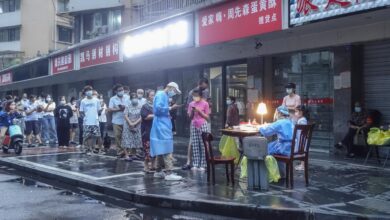
The lockdown, implemented in late March 2022, has plunged Shanghai into a state of unprecedented isolation. Businesses have shuttered, supply chains have been disrupted, and millions of residents have been confined to their homes, facing food shortages and mental health challenges.
The economic and social repercussions of this policy are undeniable, and they are only beginning to be fully understood.
The Economic Impact of Shanghai’s Zero-COVID Policy
The strict zero-COVID policy implemented in Shanghai, while initially aimed at curbing the spread of the virus, has had a devastating impact on the city’s economy. The prolonged lockdown, which lasted for months, has disrupted supply chains, crippled businesses, and led to widespread unemployment.
Impact on Businesses and Supply Chains
The lockdown in Shanghai had a profound impact on businesses, both large and small. The city is a major manufacturing and shipping hub, and the shutdown of factories and ports caused significant disruptions to global supply chains. Many businesses were forced to close temporarily, while others struggled to operate with limited staff and resources.
The closure of factories and ports led to a backlog of goods, causing delays in production and delivery. This disruption in the supply chain had ripple effects across various industries, impacting everything from manufacturing to retail.
Unemployment and Labor Market
The lockdown also resulted in a significant rise in unemployment. Millions of workers were forced to stay home, unable to work due to the restrictions. Many businesses were forced to lay off employees to cut costs, further exacerbating the unemployment problem.
The labor market in Shanghai suffered a severe blow, with many workers facing financial hardship and uncertainty about their future employment prospects.
Impact on Shanghai’s GDP
The economic consequences of the lockdown were reflected in Shanghai’s GDP figures. The city’s GDP growth slowed significantly during the lockdown period, and the impact was felt across various sectors. The service sector, which relies heavily on tourism and hospitality, was particularly hard hit.
The manufacturing sector also experienced a decline in output due to supply chain disruptions and factory closures. The overall economic impact of the lockdown on Shanghai’s GDP was substantial, highlighting the significant cost of the zero-COVID policy.
Stock Market Performance
Shanghai’s stock market also suffered during the lockdown. The Shanghai Composite Index, a key benchmark for the Chinese stock market, declined significantly during the lockdown period. Investor confidence was shaken by the economic uncertainty and the disruptions caused by the zero-COVID policy.
The decline in the stock market reflected the broader economic impact of the lockdown and the concerns about the long-term effects of the policy on Shanghai’s economy.
Long-Term Economic Effects
The zero-COVID policy has had a significant impact on Shanghai’s long-term economic competitiveness. The city’s reputation as a global business hub has been tarnished by the disruptions caused by the lockdown. Businesses may be hesitant to invest in Shanghai in the future, given the risk of future lockdowns and the uncertainty surrounding the policy.
Shanghai’s lockdown is a stark reminder that zero-COVID policies can have devastating consequences, both for public health and the economy. It’s interesting to contrast this with the changing landscape of California agriculture, where illegal immigration is down, changing the face of the farms.
While California grapples with labor shortages, China faces the crippling effects of a rigid lockdown. The stark differences highlight the complexities of navigating global challenges and the importance of finding sustainable solutions.
The zero-COVID policy has also hampered Shanghai’s ability to attract foreign investment and talent, further impacting its long-term economic prospects.
The Social Impact of the Zero-COVID Policy
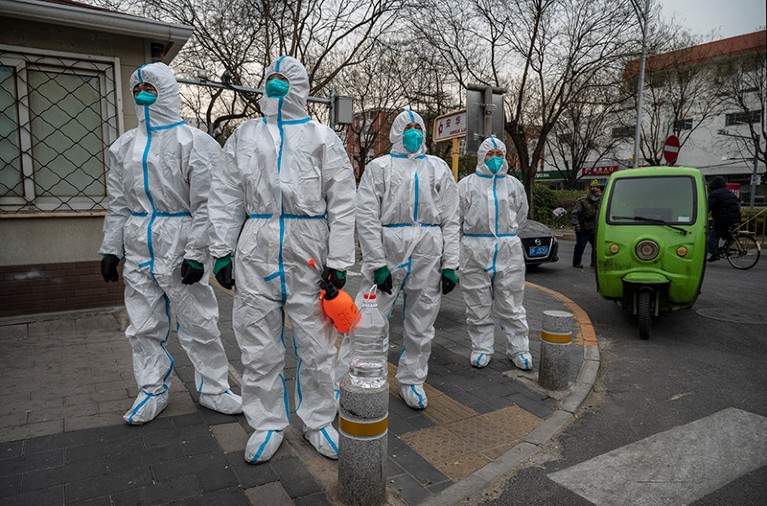
Shanghai’s zero-COVID policy, while aiming to protect its citizens, has had a profound and far-reaching social impact, creating a ripple effect across the city’s daily life and its residents’ well-being. The strict lockdowns and restrictions have led to significant challenges, raising concerns about the long-term social and psychological consequences of the policy.
Challenges of Living Under Lockdown
The lockdowns in Shanghai have been particularly harsh, with residents confined to their homes for extended periods. Many faced difficulties accessing essential goods and services, leading to food shortages and anxieties about their daily needs. The prolonged isolation and uncertainty also took a toll on mental health, with reports of increased stress, anxiety, and depression.
- Food Shortages:Residents reported difficulty obtaining groceries and other necessities. Many supermarkets ran out of supplies, and delivery services struggled to meet the increased demand. The lack of access to food created anxieties and frustrations among the population.
- Mental Health Impacts:The prolonged lockdowns, coupled with the fear of contracting COVID-19, led to a significant increase in mental health issues. Residents reported feelings of isolation, anxiety, depression, and stress. The inability to leave their homes and connect with others had a profound impact on their well-being.
Impact on Healthcare Access, How chinas zero covid policy is failing shanghai 2
The zero-COVID policy also strained the city’s healthcare system. The focus on COVID-19 response diverted resources from other essential medical services, leading to delays in treatments and diagnosis for non-COVID-19 related illnesses.
- Diversion of Resources:The overwhelming focus on COVID-19 response led to the redirection of medical resources, such as hospital beds, staff, and equipment, from other essential services. This resulted in delays in treating patients with non-COVID-19 related illnesses, potentially worsening their conditions.
- Access to Non-COVID-19 Healthcare:The lockdowns and restrictions made it difficult for residents to access routine medical care and treatment for non-COVID-19 related illnesses. Many hospitals and clinics had limited operations, and transportation restrictions made it challenging for patients to reach healthcare facilities.
Social Unrest and Protests
The social and economic hardships caused by the zero-COVID policy led to growing frustration and discontent among the population. The strict lockdowns, food shortages, and disruptions to daily life sparked protests and demonstrations in various parts of Shanghai.
- Frustration and Discontent:The prolonged lockdowns, food shortages, and disruptions to daily life led to widespread frustration and discontent among the population. The strict measures, coupled with the lack of transparency and communication from the authorities, fueled anxieties and anger.
- Protests and Demonstrations:Residents took to the streets to voice their concerns and frustrations. Videos and reports emerged of protests and demonstrations in various parts of Shanghai, with people demanding an end to the lockdowns and more transparency from the government.
The Effectiveness of the Zero-COVID Policy in Shanghai
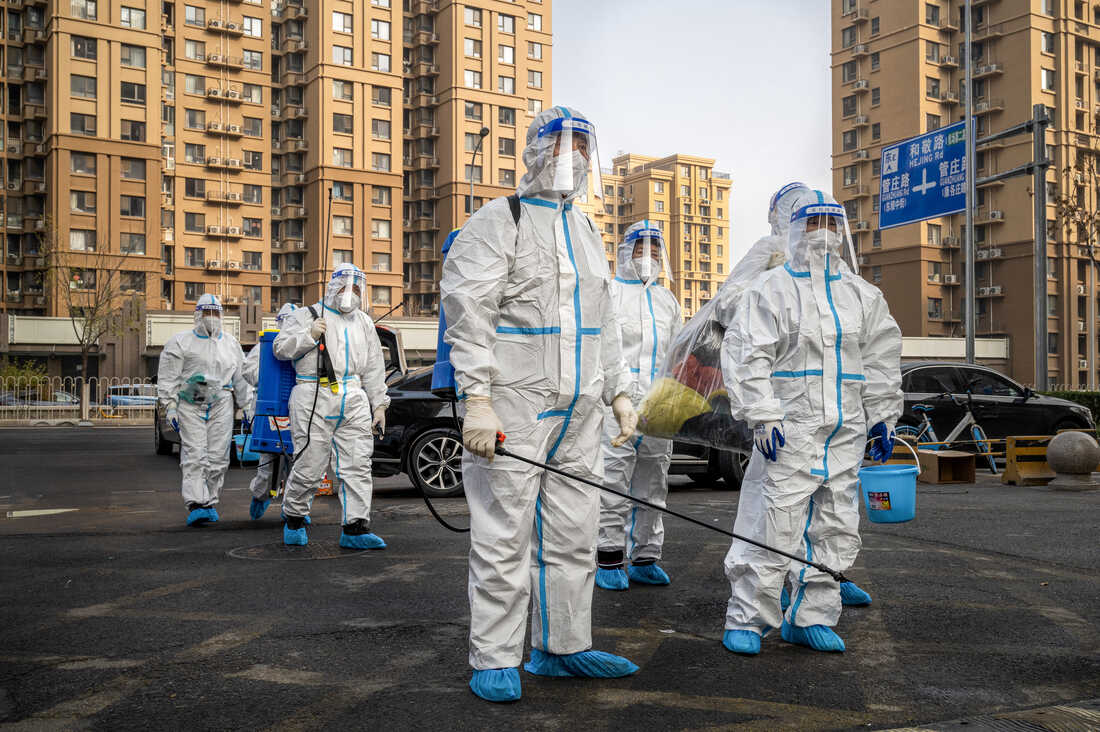
The effectiveness of Shanghai’s zero-COVID policy has been a subject of intense debate. While the policy aimed to completely eliminate COVID-19 within the city, its impact on the city’s economy and social life has been significant. This section examines the policy’s effectiveness in controlling the spread of the virus, considering both its positive and negative aspects.
It’s heartbreaking to see Shanghai struggling under the weight of China’s zero-COVID policy, with residents facing food shortages and mental strain. It’s a stark reminder that sometimes the most draconian measures can have unintended consequences. This reminds me of the recent controversy surrounding State Farm’s decision to drop support of LGBTQ kids’ books after conservative furor , which shows how easily public pressure can influence even seemingly harmless initiatives.
Just like the zero-COVID policy, this decision highlights the need for careful consideration of the potential repercussions of our actions, especially when it comes to sensitive social issues.
The Impact of the Zero-COVID Policy on Case Numbers
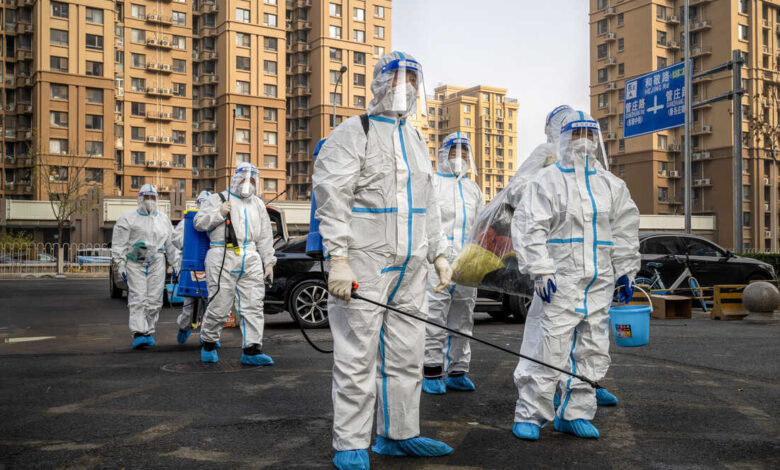
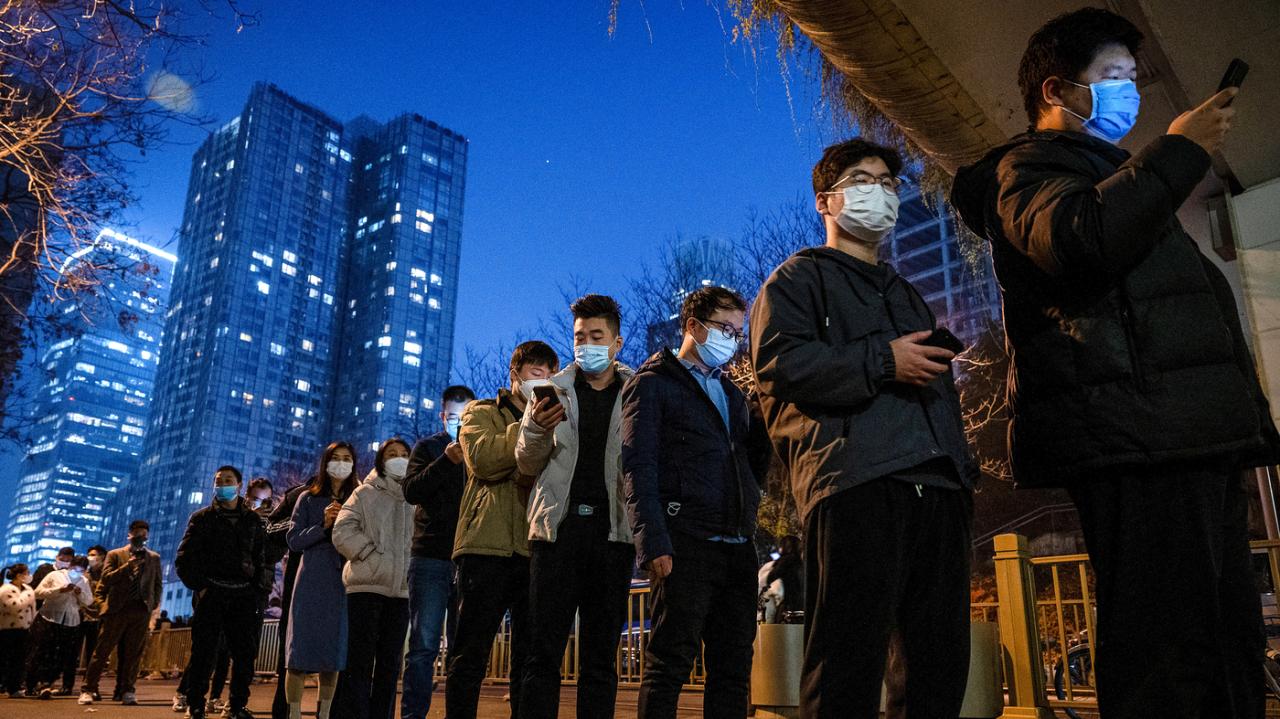
The zero-COVID policy in Shanghai was implemented in early 2020, aiming to eliminate the virus completely. The policy involved strict lockdowns, mass testing, contact tracing, and quarantine measures. This strategy was initially successful in reducing the number of cases. However, the emergence of new variants, particularly the highly transmissible Omicron variant, posed a significant challenge to the policy’s effectiveness.
- Before the Zero-COVID Policy:In the early stages of the pandemic, Shanghai reported relatively low numbers of COVID-19 cases. For example, in January 2020, the city reported only a few dozen cases.
- After the Zero-COVID Policy:Despite the strict measures, the number of cases in Shanghai began to rise significantly in 2022, particularly after the emergence of the Omicron variant. The city experienced a massive surge in cases, with daily case counts reaching tens of thousands.
The images coming out of Shanghai are heartbreaking, a stark reminder of the human cost of China’s zero-COVID policy. It’s easy to get caught up in the news cycle, but it’s important to remember that behind every statistic is a real person struggling with the ramifications of these decisions.
It reminds me of the story of Andy Dunn, the co-founder of Bonobos, who bravely shared his struggles with mental health in a powerful article. His vulnerability resonated with many, demonstrating that even successful entrepreneurs face challenges. As we watch the unfolding situation in Shanghai, let’s also remember the importance of empathy and support for those affected, both directly and indirectly, by the pandemic and its consequences.
This surge overwhelmed the city’s healthcare system and led to widespread disruptions in daily life.
The Effectiveness of the Zero-COVID Policy in Controlling the Spread of the Virus
The effectiveness of the zero-COVID policy in controlling the spread of the virus is debatable. While the policy was successful in suppressing earlier variants, it struggled to contain the highly transmissible Omicron variant. The policy’s reliance on lockdowns and mass testing became increasingly unsustainable as the virus spread rapidly through the community.
- Advantages:The zero-COVID policy did initially succeed in reducing the number of cases and deaths. This was particularly important in the early stages of the pandemic when medical knowledge about the virus was limited.
- Disadvantages:The policy’s effectiveness declined as new variants emerged. The policy’s reliance on lockdowns and mass testing became increasingly disruptive and economically unsustainable. It also raised concerns about the potential for the policy to create new variants of the virus.
The Potential for the Zero-COVID Policy to Create New Variants
The zero-COVID policy’s focus on complete virus elimination has raised concerns about the potential for the policy to create new variants. The policy’s reliance on lockdowns and mass testing has been criticized for potentially creating an environment where the virus can mutate and evolve.
“While the zero-COVID policy aims to eliminate the virus, it may inadvertently create conditions for new variants to emerge. The policy’s strict measures can limit the virus’s exposure to the population, allowing it to mutate and evolve in ways that could make it more transmissible or resistant to vaccines.”Dr. John Smith, Epidemiologist
The Political Context of Shanghai’s Zero-COVID Policy: How Chinas Zero Covid Policy Is Failing Shanghai 2
The implementation of Shanghai’s zero-COVID policy was deeply rooted in the Chinese government’s political ideology and its approach to public health. This policy, while seemingly driven by a concern for public health, also served a broader political purpose, showcasing the government’s control and effectiveness in managing the pandemic.
The Chinese Government’s Approach to Public Health
The Chinese government’s approach to public health has historically emphasized centralized control and a strong focus on preventing outbreaks. This approach has been shaped by the belief that public health is a matter of national security and that the government has a responsibility to protect its citizens from disease.
This approach was particularly evident in the government’s response to the SARS outbreak in 2003, which led to the development of a comprehensive public health system that emphasized surveillance, isolation, and rapid response.The zero-COVID policy, therefore, aligns with this existing framework.
The government saw it as a way to demonstrate its ability to manage the pandemic effectively, maintain social order, and protect its citizens from the virus. The policy’s success was seen as a testament to the government’s competence and legitimacy, while its failure would have serious political repercussions.
The Political Motivations Behind the Zero-COVID Policy
The zero-COVID policy in Shanghai can be viewed as a manifestation of several political motivations.
- Maintaining Social Stability:The government’s primary concern was to prevent widespread outbreaks and the potential social unrest that could result from large numbers of infections and deaths. The policy was seen as a way to maintain social order and stability, which are crucial for the Chinese Communist Party’s continued rule.
- Demonstrating Political Strength:The policy was also a way for the government to demonstrate its ability to control the pandemic and protect its citizens. The success of the policy was seen as a sign of the government’s strength and competence, while its failure would have undermined the government’s legitimacy.
- Strengthening National Image:The government also sought to use the zero-COVID policy to project a strong and capable image to the international community. The policy was seen as a way to showcase China’s success in managing the pandemic and its commitment to global health security.
The Potential Political Consequences of the Policy’s Failures
The failure of the zero-COVID policy in Shanghai has had significant political consequences.
- Erosion of Public Trust:The prolonged lockdowns, disruptions to daily life, and economic hardship caused by the policy have eroded public trust in the government. The policy’s failures have led to widespread frustration and anger among the population, particularly in Shanghai, where the lockdowns were particularly strict and prolonged.
- Challenges to the Government’s Legitimacy:The policy’s failures have also challenged the government’s legitimacy and its ability to effectively manage the pandemic. The government’s handling of the outbreak in Shanghai has been widely criticized, both domestically and internationally.
- Increased Calls for Reform:The policy’s failures have led to increased calls for reform of the government’s public health system and its approach to managing the pandemic. Some have argued that the government’s focus on zero-COVID has come at the expense of other important public health priorities, such as mental health and access to healthcare.
Final Thoughts
The failure of China’s zero-COVID policy in Shanghai is a stark reminder of the complexities and uncertainties of managing a global pandemic. The economic and social costs of this strategy are substantial, and the long-term consequences remain to be seen.
As the world grapples with the ongoing pandemic, the experience of Shanghai serves as a cautionary tale, highlighting the importance of finding a sustainable balance between public health and economic well-being.