Chinas Lockdowns: An Undebatable Political Decision
An undebatable political decision why china refuses to end its harsh lockdowns takes center stage, a complex issue with far-reaching implications for both the Chinese people and the global community. While the world grapples with the evolving nature of COVID-19, China remains steadfast in its zero-tolerance approach, imposing stringent lockdowns and stringent measures that have dramatically altered daily life for its citizens.
This unwavering commitment to a zero-COVID strategy is deeply rooted in China’s political system and its emphasis on control and stability. The Chinese Communist Party (CCP) views the success of its zero-COVID policy as a testament to its effectiveness in governing and maintaining social order.
The economic and social consequences of lockdowns, however, are undeniable, raising questions about the long-term sustainability of this approach and its potential impact on China’s future.
China’s Zero-COVID Policy
China’s zero-COVID policy, a stringent approach to managing the COVID-19 pandemic, has been a defining feature of the country’s response since the virus’s emergence in late 2019. This policy, characterized by aggressive lockdowns, mass testing, and strict border controls, has aimed to eliminate the virus entirely within China’s borders.
Origins and Evolution
The zero-COVID policy’s roots lie in China’s experience with the 2003 SARS outbreak. The government’s successful containment of SARS, achieved through aggressive public health measures, established a precedent for a zero-tolerance approach to infectious diseases. This approach was further reinforced by China’s centralized political system, which allowed for swift and decisive implementation of policies.Early in the pandemic, China implemented a series of strict measures, including travel restrictions, mandatory quarantine for incoming travelers, and widespread testing and contact tracing.
As the pandemic evolved, the policy was refined and expanded. Notably, the introduction of mass lockdowns became a defining characteristic, with entire cities being placed under strict confinement to prevent the spread of the virus.
Key Principles and Strategies
The zero-COVID policy is guided by several key principles:* Early Detection and Containment:The policy prioritizes early detection of cases through widespread testing and contact tracing. This allows for rapid isolation of infected individuals and their close contacts, preventing further transmission.
Strict Border Controls
While the political decision behind China’s continued lockdowns might be debatable, the impact on the country’s economy is undeniable. This reminds me of a recent article I read about how California’s education system is being spared from the divisive statewide election battles commentary california education to be spared divisive statewide election battles this year.
Perhaps China’s leaders are prioritizing stability and control over economic growth, a strategy that could have long-term consequences for the country’s future.
China maintains stringent border controls, including mandatory quarantine for incoming travelers and strict regulations on international travel. These measures aim to minimize the risk of imported cases.
It’s a tough call to make, but the political decision behind China’s ongoing lockdowns is undeniably driven by a deep-seated fear of widespread chaos and instability. The country’s zero-COVID policy, while controversial, prioritizes control and stability above all else. This approach is evident even in the recent tragic incident of a Columbia graduate student brutally beaten in Manhattan, a case that highlights the fragility of personal safety, even in seemingly secure environments.
columbia graduate student brutally beaten in manhattan mother struggles for answers The same principle of control, though arguably extreme, is likely driving China’s unwavering stance on lockdowns, prioritizing a perceived sense of order even at the cost of individual freedoms.
Lockdowns and Restrictions
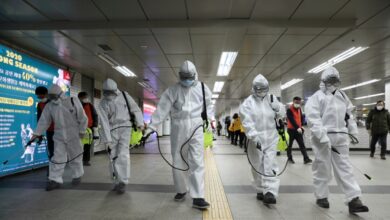
Lockdowns are implemented swiftly and decisively in areas experiencing outbreaks. These measures involve restricting movement, closing businesses, and limiting public gatherings to contain the spread of the virus.
Rationale and Justification
China’s zero-COVID policy is justified by a combination of factors:* Public Health:The policy prioritizes the health and well-being of its citizens, aiming to prevent widespread infections and minimize the risk of severe illness and death.
Economic Stability
By minimizing disruptions to daily life and economic activity, the policy aims to maintain economic stability and prevent a large-scale economic downturn.
Political Stability
The policy is seen as a way to maintain political stability by demonstrating the government’s competence and effectiveness in managing crises.
Implementation and Impact
The implementation of the zero-COVID policy has involved a significant mobilization of resources and personnel. The government has invested heavily in testing infrastructure, contact tracing systems, and quarantine facilities. The policy has also placed significant strain on the economy, leading to disruptions in supply chains, business closures, and job losses.The policy has been met with mixed reactions both domestically and internationally.
While some have praised its effectiveness in containing the virus, others have criticized its economic and social costs, as well as its impact on individual freedoms.
The Impact of Lockdowns on Chinese Society
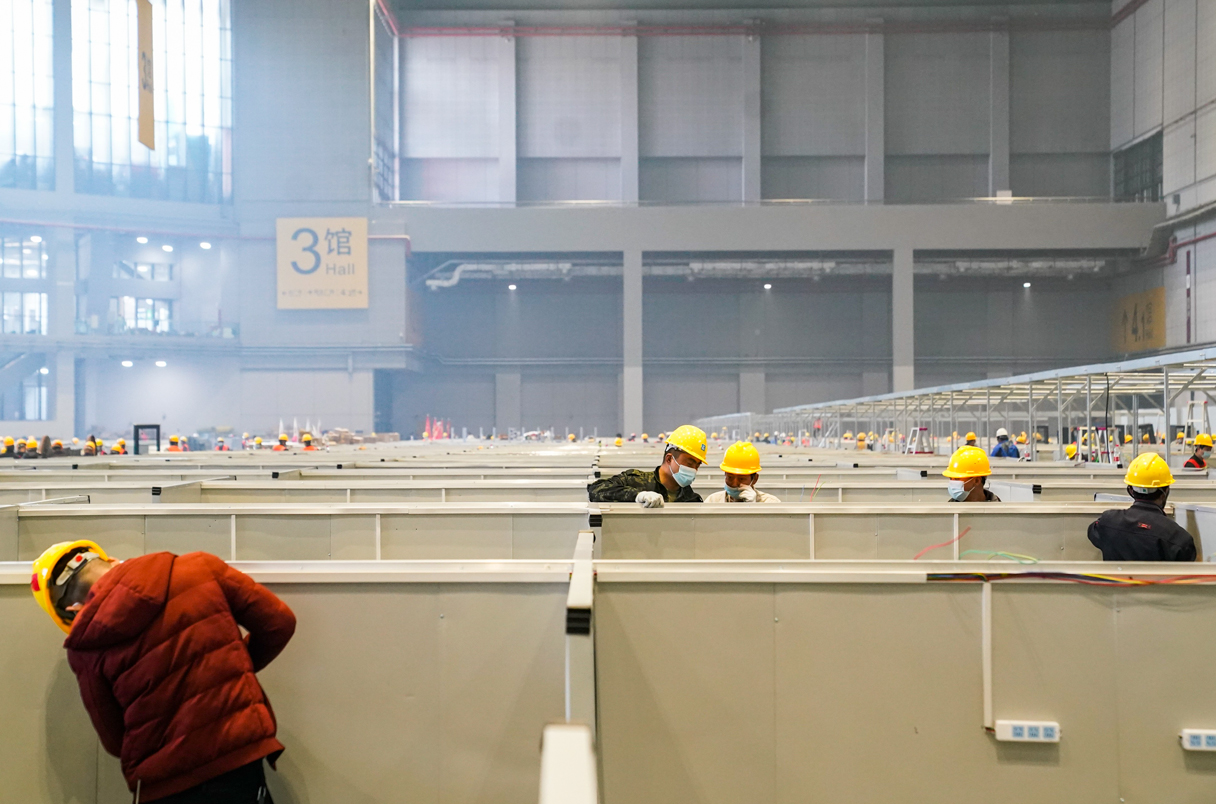
The Chinese government’s Zero-COVID policy, characterized by strict lockdowns and travel restrictions, has had a profound impact on Chinese society, affecting various aspects of daily life, from economic activity to social interactions and mental well-being. The policy, while initially effective in containing the spread of the virus, has come at a significant cost, raising concerns about its long-term sustainability and the social and economic consequences it has engendered.
Economic Consequences of Lockdowns
The lockdowns have severely impacted the Chinese economy, leading to widespread job losses, business closures, and disruptions in supply chains. The strict restrictions on movement and gatherings have crippled key industries, particularly those reliant on tourism, hospitality, and manufacturing.
- A study by the Peterson Institute for International Economics estimated that China’s GDP growth was reduced by 1.5 percentage points in 2022 due to the Zero-COVID policy.
- The lockdowns have also disrupted global supply chains, leading to shortages of essential goods and materials, further impacting the global economy.
Social Consequences of Lockdowns, An undebatable political decision why china refuses to end its harsh lockdowns
The lockdowns have also had a significant impact on social interactions and community life in China. The restrictions on movement and gatherings have limited opportunities for social interaction, leading to feelings of isolation and loneliness, particularly among the elderly and vulnerable populations.
- Many residents have reported experiencing heightened stress and anxiety due to the constant fear of infection and the uncertainty surrounding the lockdowns.
- The lockdowns have also disrupted family life, as many families have been separated due to travel restrictions.
Impact on Education
The lockdowns have also disrupted education in China, with schools and universities forced to close and shift to online learning. This has posed challenges for students, particularly those from disadvantaged backgrounds who lack access to adequate technology and internet connectivity.
- The lockdowns have also led to delays in academic schedules and disrupted the learning process for many students.
- There are concerns that the lockdowns may have a long-term impact on the educational attainment of students, particularly those from disadvantaged backgrounds.
Impact on Mental Health
The lockdowns have also had a significant impact on mental health in China. The prolonged isolation, uncertainty, and fear associated with the lockdowns have led to increased levels of stress, anxiety, and depression among the population.
China’s unwavering commitment to its “zero-COVID” policy, despite the economic and social costs, is a prime example of how political decisions can override practical considerations. This unwavering stance highlights the importance of strong leadership, particularly in times of crisis.
To navigate complex situations effectively, leaders need to cultivate a range of skills, such as strategic thinking, communication, and adaptability, all of which are outlined in this insightful article on 10 most important leadership skills for the 21st century workplace and how to develop them.
Ultimately, whether China’s “zero-COVID” policy proves successful remains to be seen, but the leadership skills required to manage such a complex and controversial strategy are undeniable.
- A study by the Chinese Academy of Sciences found that the lockdowns have led to a significant increase in the prevalence of anxiety and depression among Chinese adults.
- The lockdowns have also strained the mental health resources available in China, making it difficult for people to access the support they need.
Public Perception of Lockdowns
Public perception of the lockdowns in China is mixed. While many citizens support the government’s efforts to contain the virus, others have expressed frustration and dissatisfaction with the strict restrictions and their impact on their daily lives.
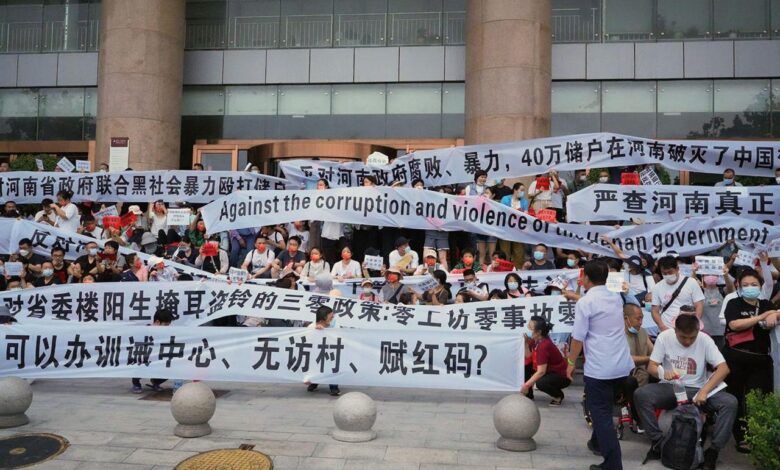
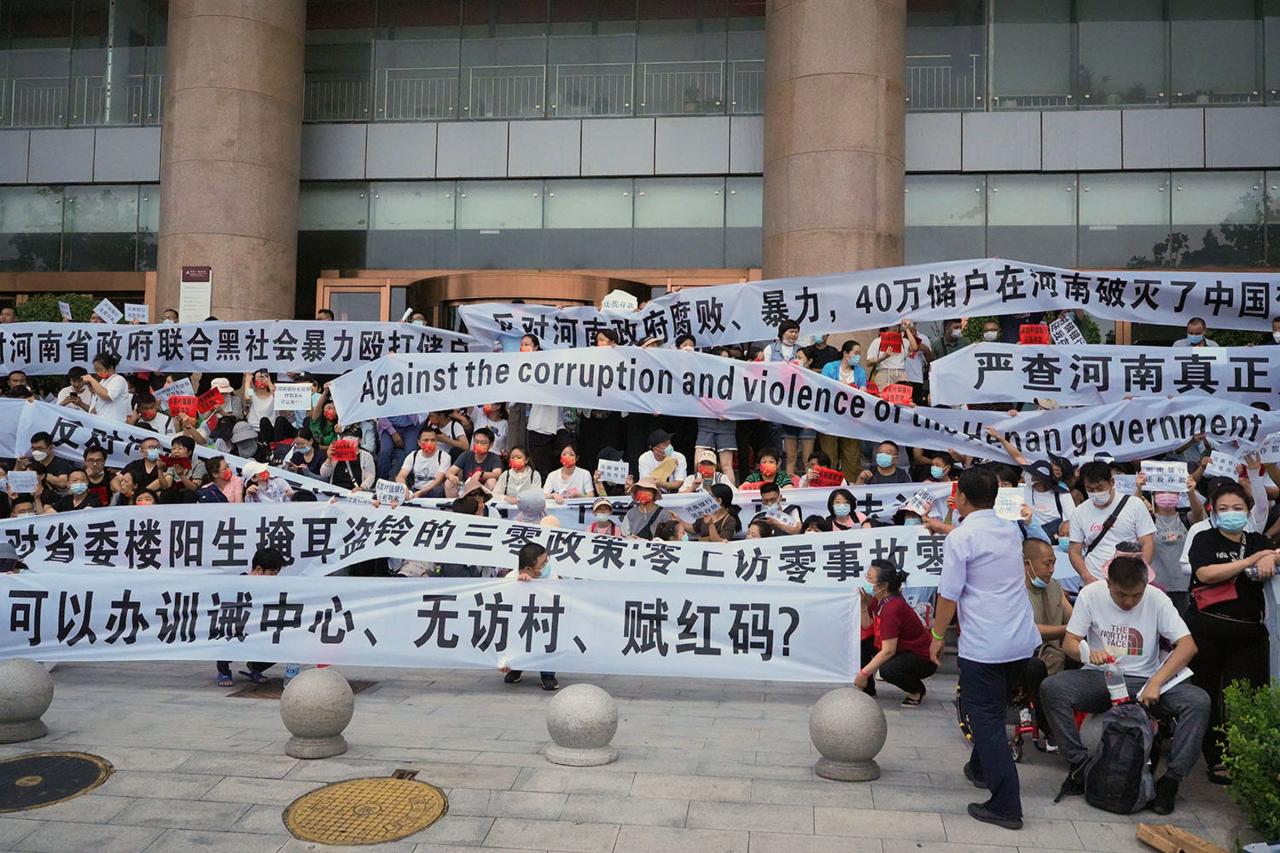
- There have been reports of protests and public demonstrations against the lockdowns, particularly in cities where the restrictions have been particularly stringent.
- The lockdowns have also led to a decline in public trust in the government, with some citizens questioning the effectiveness and necessity of the Zero-COVID policy.
The Political Dimension of Lockdowns
The zero-COVID policy in China is not merely a public health strategy; it is deeply intertwined with the country’s political system and its emphasis on control and stability. The Chinese Communist Party (CCP) views the policy as a vital tool for maintaining its grip on power, showcasing its ability to effectively manage crises and demonstrate its commitment to the well-being of its citizens.
The CCP’s Role in Shaping and Implementing the Policy
The CCP has played a central role in shaping and implementing the zero-COVID policy. The policy’s success is directly linked to the party’s ability to mobilize resources, enforce strict measures, and control information. The CCP’s centralized decision-making process has enabled swift and decisive action in response to outbreaks, such as rapid lockdowns and mass testing.
“The CCP has demonstrated its commitment to the well-being of its citizens by implementing the zero-COVID policy.”
CCP official statement
The party’s propaganda machinery has also played a significant role in promoting the policy and silencing dissent. The narrative surrounding the zero-COVID policy emphasizes its effectiveness in protecting lives and preventing a large-scale outbreak. The CCP has actively suppressed criticism and alternative viewpoints, creating an environment where public dissent is discouraged.
The Political Risks of Ending Lockdowns
Ending lockdowns poses significant political risks for the CCP. The potential for public unrest and a loss of control is a major concern. The economic consequences of prolonged lockdowns have already led to widespread dissatisfaction among the population. Relaxing restrictions could lead to a surge in cases, potentially overwhelming the healthcare system and causing widespread panic.
“The CCP is acutely aware of the potential for public unrest if the zero-COVID policy is abandoned.”
Political analyst
The CCP’s legitimacy is closely tied to its ability to maintain social stability. A failure to control the pandemic could erode public trust in the party and its leadership. The CCP may be hesitant to risk its political capital by ending lockdowns prematurely, especially in the absence of a clear and effective alternative strategy.
Global Perspectives on China’s Lockdowns
China’s unwavering commitment to its Zero-COVID policy, characterized by strict lockdowns and extensive testing, has sparked a global debate about the effectiveness and sustainability of such an approach. While China argues that its strategy has successfully mitigated the spread of the virus and protected its population, many countries have adopted alternative strategies, leading to a diverse range of global responses to the pandemic.
Comparisons and Contrasts
China’s Zero-COVID policy stands in stark contrast to the approaches adopted by many other countries. While the world transitioned to a strategy of living with the virus, China has remained steadfast in its commitment to eliminating it completely. This has resulted in a range of differences in how countries have managed the pandemic:
- Lockdown Measures:China’s lockdowns have been characterized by their strictness and duration, often encompassing entire cities or regions. In contrast, many other countries have implemented more targeted lockdowns, focusing on specific areas with high infection rates.
- Testing Strategies:China has conducted widespread and frequent testing, often using PCR tests, to identify and isolate infected individuals. Other countries have adopted a more targeted approach, focusing on testing individuals with symptoms or those who have been in contact with confirmed cases.
- Vaccination Policies:China has encouraged vaccination but has not made it mandatory. In contrast, some countries have implemented vaccine mandates, requiring individuals to be vaccinated to access certain services or public spaces.
International Criticism and Impact on Global Standing
China’s strict lockdowns have attracted international criticism, with some arguing that the policy is unsustainable, economically damaging, and potentially infringes on individual freedoms. Critics have also expressed concerns about the potential impact of China’s approach on its global standing, suggesting that its isolationist policies could alienate other countries and undermine its international influence.
- Economic Impact:Prolonged lockdowns have disrupted global supply chains, impacting businesses and economies worldwide. China’s role as a major manufacturing hub has been particularly affected, leading to shortages and price increases for various goods and services.
- Geopolitical Implications:China’s Zero-COVID policy has raised concerns about its ability to effectively engage with the international community. The policy has been seen as a sign of China’s increasing isolationism, potentially hindering its efforts to build stronger diplomatic relationships and promote global cooperation.
- Human Rights Concerns:The strictness of China’s lockdowns has raised concerns about human rights violations. Critics have pointed to reports of arbitrary detention, limited access to healthcare, and restrictions on freedom of movement.
Economic and Geopolitical Implications
China’s prolonged lockdowns have had significant economic and geopolitical implications. The economic impact has been felt globally, with disruptions to supply chains and increased costs for businesses and consumers. Geopolitically, China’s isolationist approach has strained its relationships with other countries and raised concerns about its commitment to international cooperation.
- Economic Disruption:The lockdowns have led to significant disruptions in global supply chains, impacting the production and distribution of goods worldwide. This has contributed to inflation and shortages, particularly in sectors heavily reliant on Chinese manufacturing.
- Geopolitical Tensions:China’s Zero-COVID policy has been seen by some as a sign of its increasing assertiveness on the world stage. The policy has been criticized for its isolationist nature, potentially undermining China’s efforts to build stronger diplomatic relationships and promote global cooperation.
- Impact on Global Trade:The lockdowns have also had a significant impact on global trade. The disruption of supply chains has led to a decrease in international trade, impacting the economies of both China and its trading partners.
Closing Summary: An Undebatable Political Decision Why China Refuses To End Its Harsh Lockdowns
As China continues to navigate the complexities of its zero-COVID policy, the world watches with a mixture of curiosity and concern. The economic and geopolitical ramifications of this strategy are far-reaching, impacting global supply chains, international relations, and the future of China’s role in the world.
Whether China will ultimately shift away from its stringent lockdowns remains to be seen, but one thing is certain: the decisions made in Beijing will have profound implications for China and the world at large.