
How the Biden Administration Let Right-Wing Attacks Derail Its Disinformation Efforts
How the biden administration let right wing attacks derail its disinformation efforts – How the Biden administration let right-wing attacks derail its disinformation efforts is a story that reveals the complexities of combating misinformation in a politically charged environment. The administration, facing a wave of criticism from conservative voices, struggled to maintain its credibility and implement effective strategies to counter disinformation.
The challenges went beyond just the attacks themselves; they exposed the deep-seated distrust in institutions, the power of social media to amplify falsehoods, and the difficulty of navigating a landscape where truth itself seems increasingly contested.
The Biden administration’s goal was clear: to combat the spread of disinformation and protect the integrity of democratic processes. They launched initiatives to address misinformation on social media, partnered with fact-checking organizations, and sought to improve public awareness about the dangers of disinformation.
However, their efforts were met with a barrage of attacks from right-wing figures who accused the administration of censorship and political bias. These attacks, often amplified on social media, created a climate of doubt and distrust, undermining the administration’s credibility and making it harder to effectively counter disinformation.
Right-Wing Attacks on Disinformation Efforts
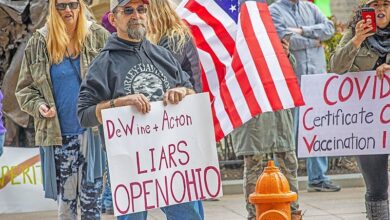
The Biden administration’s efforts to combat disinformation have faced significant criticism and attacks from right-wing figures and media outlets. These attacks have often framed the administration’s initiatives as an attempt to censor conservative voices and suppress free speech.
It’s frustrating to see how the Biden administration’s attempts to combat disinformation have been undermined by right-wing attacks. The constant barrage of misinformation makes it difficult to discern truth from fiction, and it’s a dangerous trend. A recent example of this is the brutal attack on a Columbia graduate student in Manhattan, where the mother is left searching for answers.
This incident , like many others, highlights the need for a more robust approach to fighting disinformation, one that doesn’t get bogged down by partisan bickering. We need to prioritize truth and hold those who spread misinformation accountable.
Accusations of Censorship and Suppression of Free Speech
Right-wing critics have frequently accused the Biden administration of attempting to censor conservative viewpoints and suppress free speech through its disinformation efforts. They argue that the administration’s actions are a form of government overreach and an attack on the First Amendment.
The Biden administration’s efforts to combat disinformation were unfortunately hampered by a relentless barrage of right-wing attacks. It’s a stark reminder that clear communication and a unified front are crucial in any battle against misinformation. In a similar vein, Elon Musk’s controversial return-to-office plan, while divisive, elon musks controversial return to the office plan makes 1 important point every leader should follow – consistency.
The administration’s inability to effectively counter the onslaught of misinformation might have been mitigated had they followed this principle. Ultimately, clear and consistent messaging is paramount in any fight against disinformation, regardless of the political climate.
- For example, Republican lawmakers have accused the Biden administration of pressuring social media companies to censor conservative content, citing instances where platforms have removed or flagged posts deemed to be misinformation.
- Some right-wing media outlets have amplified these accusations, claiming that the administration is engaging in a “war on free speech” and that its disinformation efforts are a form of “thought control.”
Claims of Double Standards and Political Bias, How the biden administration let right wing attacks derail its disinformation efforts
Right-wing critics have also alleged that the Biden administration’s disinformation efforts are characterized by double standards and political bias. They point to instances where the administration has focused on combating misinformation related to issues such as the 2020 election or the COVID-19 pandemic, while ignoring or downplaying misinformation from left-leaning sources.
- For instance, some have argued that the administration has been more aggressive in addressing misinformation about the 2020 election, which they claim was largely spread by right-wing outlets, while being more lenient towards misinformation about issues such as climate change, which they claim is often promoted by left-leaning sources.
- These critics contend that the administration’s focus on certain types of misinformation reveals a partisan bias and undermines the credibility of its efforts.
Concerns about Government Overreach and the Role of Social Media
Right-wing attacks on the Biden administration’s disinformation efforts have also raised concerns about government overreach and the role of social media in shaping public discourse. Critics argue that the administration’s efforts to combat disinformation could lead to increased censorship and government control over online platforms.
- They point to the administration’s collaborations with social media companies to address misinformation as evidence of an undue influence on these platforms and a potential threat to free speech.
- These critics also express concerns about the potential for government-led efforts to combat disinformation to be used to silence dissenting voices and suppress legitimate criticism of the administration.
The Role of Social Media Platforms
Social media platforms have become a primary battleground in the fight against disinformation, playing a crucial role in both amplifying and combating false information. Their algorithms, designed to prioritize engagement, can inadvertently spread misinformation widely, while their efforts to moderate content and promote fact-checking face significant challenges.
Social Media Platforms’ Role in Amplifying Disinformation
Social media platforms’ algorithms, designed to maximize user engagement, can inadvertently contribute to the spread of disinformation. These algorithms prioritize content that elicits strong reactions, such as anger or outrage, which can lead to the amplification of false or misleading information.
It’s frustrating to see how the Biden administration’s efforts to combat disinformation were constantly overshadowed by right-wing attacks. The focus on the January 6th hearings, with key figures like former Attorney General William Barr calling Trump’s stolen election claims “bullshit” as reported here , only highlights how easily the narrative can be hijacked by those who benefit from spreading falsehoods.
This relentless barrage of misinformation makes it difficult for the administration to effectively counter the tide of disinformation and protect the public from harmful lies.
Additionally, the echo chamber effect, where users are primarily exposed to content aligned with their existing beliefs, can reinforce biases and make individuals more susceptible to disinformation.
Strategies Employed by Social Media Companies to Address Disinformation
Social media companies have implemented various strategies to combat disinformation, including content moderation policies and fact-checking initiatives.
Content Moderation Policies
- Content moderation policies aim to remove harmful content, including misinformation, from their platforms. These policies often involve identifying and removing posts that violate their terms of service, which typically prohibit hate speech, harassment, and false or misleading information.
- The effectiveness of content moderation policies is often debated, with critics arguing that they can be subjective and prone to bias. For example, some critics argue that platforms may disproportionately remove content from certain political viewpoints, leading to accusations of censorship.
Fact-Checking Initiatives
- Social media platforms have partnered with independent fact-checking organizations to label or flag potentially false or misleading content. Fact-checkers review content and provide assessments, which are often displayed alongside the original post, allowing users to see different perspectives and evaluate the information.
- Fact-checking initiatives face challenges in keeping up with the rapid spread of disinformation, particularly in real-time events. Additionally, some critics argue that fact-checking can be ineffective in addressing deeply entrenched beliefs or misinformation that resonates with users’ existing biases.
Effectiveness of Social Media Strategies and Potential Biases
The effectiveness of social media companies’ strategies in combating disinformation remains a subject of ongoing debate. While content moderation policies and fact-checking initiatives have shown some success in reducing the spread of certain types of misinformation, they face limitations.
Limitations of Content Moderation Policies
- One limitation of content moderation policies is the difficulty in defining and identifying what constitutes “misinformation” in a nuanced and objective manner. Different individuals may have varying interpretations of what constitutes false or misleading information, leading to potential biases in content removal decisions.
- Another limitation is the potential for over-moderation, where legitimate content is mistakenly removed due to overly broad or subjective interpretations of the platform’s policies. This can stifle free speech and limit the diversity of viewpoints on the platform.
Limitations of Fact-Checking Initiatives
- Fact-checking initiatives face limitations in their ability to address misinformation that is not explicitly false but rather misleading or manipulative. For example, content that uses selective information or framing to create a distorted narrative may not be easily identified as false by fact-checkers.
- Another limitation is the potential for fact-checking to backfire, where users who are already skeptical of the information being fact-checked may dismiss the fact-check as biased or inaccurate, further reinforcing their existing beliefs.
Political Polarization and Disinformation: How The Biden Administration Let Right Wing Attacks Derail Its Disinformation Efforts
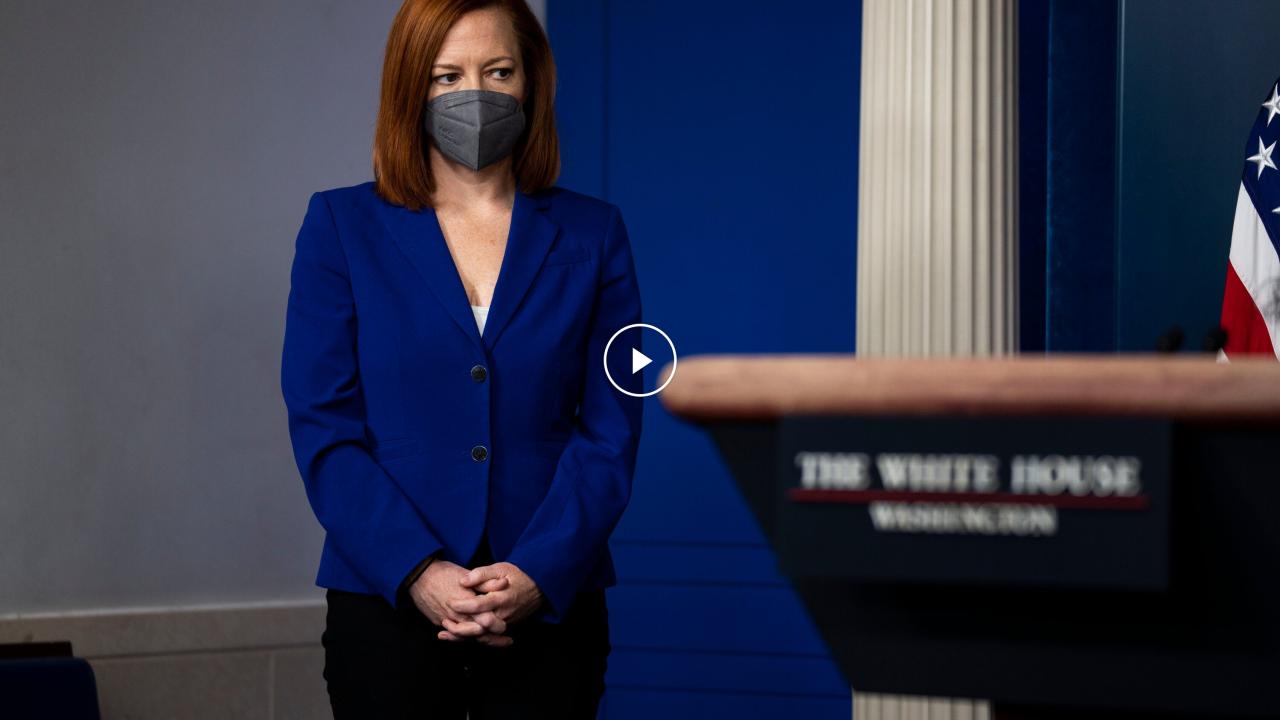
The relationship between political polarization and disinformation is complex and multifaceted. As political divides deepen, individuals become more susceptible to accepting information that confirms their existing beliefs, even if it is false. This can lead to the spread of disinformation, which further fuels polarization by creating echo chambers and reinforcing biases.
The Role of Right-Wing Attacks in Polarization
Right-wing attacks on the Biden administration’s disinformation efforts can contribute to political polarization by creating a sense of distrust in government institutions and fueling conspiracy theories. These attacks often target the administration’s efforts to combat misinformation, accusing them of censorship or suppression of free speech.
This can lead to a backlash against the administration and its policies, further polarizing the political landscape.
- Examples of Right-Wing Attacks:Right-wing media outlets and politicians have repeatedly attacked the Biden administration’s efforts to combat disinformation, accusing them of censorship and suppressing free speech. For instance, Fox News has repeatedly claimed that the administration is trying to silence conservative voices on social media.
This narrative has been amplified by Republican lawmakers, who have held hearings and introduced legislation aimed at limiting the administration’s ability to address disinformation.
- Impact on Public Trust:These attacks can erode public trust in government institutions and fuel distrust in the administration’s motives. They create a narrative of persecution, which can lead to a further polarization of the political landscape. Right-wing media outlets and politicians often frame the administration’s efforts as an attempt to control the narrative and silence dissenting voices.
This can make it difficult for the administration to effectively combat disinformation, as their efforts are seen as partisan and biased.
Implications for Democratic Discourse and Public Trust
The spread of disinformation and the resulting polarization pose significant threats to democratic discourse and public trust in institutions. Disinformation can undermine public confidence in elections, erode trust in government institutions, and create a climate of fear and division. This can lead to a decline in civic engagement and participation, making it difficult to address important societal issues.
- Impact on Elections:Disinformation can have a significant impact on elections by spreading false information about candidates and policies. This can lead to voter confusion and disenfranchisement, potentially affecting the outcome of elections. For example, during the 2020 US presidential election, there was widespread disinformation about voter fraud and election irregularities, which contributed to the polarization of the electorate and the January 6th attack on the Capitol.
- Erode Trust in Institutions:The spread of disinformation can also erode trust in government institutions, making it difficult for them to function effectively. For example, the ongoing spread of conspiracy theories about COVID-19 has undermined public health measures and contributed to a decline in vaccination rates.
This has had a significant impact on the government’s ability to address the pandemic effectively.
- Climate of Fear and Division:Disinformation can also create a climate of fear and division by spreading false narratives and promoting hatred and intolerance. This can lead to violence and social unrest, as seen in the recent rise of extremist groups and hate crimes.
The Impact on Public Trust
The relentless right-wing attacks on the Biden administration’s disinformation efforts have had a significant impact on public trust in the government’s ability to combat misinformation. These attacks have undermined the administration’s credibility and legitimacy, casting doubt on its motives and competence.
The Erosion of Trust
Right-wing media outlets and politicians have repeatedly accused the Biden administration of engaging in censorship and suppression of free speech. They have labeled efforts to combat disinformation as attempts to silence conservative voices and control the narrative. This rhetoric has resonated with a segment of the population, particularly those who already harbor distrust of government institutions.
“The Biden administration is trying to silence anyone who disagrees with them.”
Fox News commentator
These attacks have created a climate of suspicion and distrust, making it difficult for the administration to effectively address disinformation. When people believe that the government is trying to control what they see and hear, they are less likely to trust its information or take its warnings seriously.
The Impact on Disinformation Efforts
The erosion of public trust has had a direct impact on the effectiveness of government efforts to combat disinformation. When people do not trust the government’s message, they are more likely to be susceptible to misinformation.
“If you don’t trust the source, you’re more likely to believe the lie.” Dr. Kathleen Hall Jamieson, Director of the Annenberg Public Policy Center
This lack of trust can lead to a vicious cycle, where disinformation spreads more easily, further eroding public trust and making it even harder to address the problem.
The Role of Social Media Platforms
Social media platforms have played a significant role in the spread of disinformation. Right-wing attacks have targeted these platforms, accusing them of bias and censorship. This has created a climate of hostility towards social media companies, making it more difficult for them to effectively moderate content and combat disinformation.
“Social media companies are censoring conservative voices.”
Republican Congressman
The attacks on social media platforms have also led to calls for government regulation, raising concerns about the potential for censorship and the impact on free speech.
The Consequences of Declining Trust
The decline in public trust in the government’s ability to combat disinformation has serious consequences. It undermines the effectiveness of public health campaigns, weakens national security, and erodes the foundations of a healthy democracy.
“Disinformation is a threat to our democracy.”
Former President Barack Obama
The consequences of declining trust are far-reaching and have the potential to exacerbate existing societal divisions.
Strategies for Moving Forward

The Biden administration faces a formidable challenge in countering disinformation, particularly given the right-wing attacks that have undermined its efforts. To effectively combat disinformation and rebuild public trust, a multi-pronged approach is needed, focusing on strategic communication, building resilience, and fostering a more informed public.
Strengthening Communication and Transparency
Effective communication is crucial for building trust and countering disinformation. The administration must actively engage with the public, providing clear and accurate information about its efforts to combat disinformation. This involves:
- Regular Public Briefings:Holding regular press conferences and public briefings dedicated to addressing disinformation, explaining the administration’s strategies, and providing evidence-based information to counter misinformation. These briefings should be accessible to a wide audience and involve diverse voices.
- Clear and Consistent Messaging:Developing a clear and consistent message about the dangers of disinformation and the administration’s commitment to fighting it. This message should be tailored to different audiences and communicated through various channels, including social media, traditional media, and community outreach.
- Proactive Information Dissemination:Proactively sharing accurate information on critical topics related to public health, national security, and elections. This can involve partnering with credible news organizations and fact-checking platforms to distribute verified information.
- Transparency in Operations:Being transparent about the administration’s efforts to combat disinformation, including the resources allocated, the strategies employed, and the partnerships established. This transparency builds trust and allows for public scrutiny.
Last Recap
The story of the Biden administration’s struggle against disinformation is a cautionary tale about the challenges of navigating a world where truth is increasingly contested. The attacks from right-wing figures, amplified by social media, highlight the fragility of public trust in institutions and the difficulty of combating disinformation in a polarized political environment.
Moving forward, the administration needs to find ways to build public trust, improve communication, and develop more robust strategies for countering disinformation. This will require a multi-faceted approach that addresses the underlying causes of distrust, leverages the power of technology, and engages with a diverse range of stakeholders.
Only then can we hope to create a more informed and resilient public discourse.