

Indias Central Bank Chief Plays Down Deposit Crunch Fears
Indias central bank chief plays down fears of a deposit crunch – India’s central bank chief plays down fears of a deposit crunch, setting the stage for this enthralling narrative. The recent events leading up to the central bank chief’s statement have sparked concerns about a potential deposit crunch in India, a situation where banks face difficulty attracting new deposits or even experience withdrawals exceeding deposits.
This situation arises from a combination of factors, including economic uncertainties, financial market volatility, and investor sentiment.
The central bank chief, however, has attempted to alleviate these concerns by assuring the public that the banking system is robust and that measures are in place to mitigate any potential risks. The chief has highlighted the stability of the Indian financial system and emphasized the central bank’s commitment to maintaining financial stability.
The statement has been met with mixed reactions, with some analysts expressing cautious optimism while others remain concerned about the potential for a deposit crunch.
Context of the Statement: Indias Central Bank Chief Plays Down Fears Of A Deposit Crunch
The recent statement by India’s central bank chief, downplaying fears of a deposit crunch, comes at a time of heightened anxiety in the financial markets. This statement aims to reassure investors and depositors about the stability of the banking system amidst concerns about potential liquidity issues.The concerns about a potential deposit crunch in India stem from a confluence of factors, including the recent collapse of several regional banks and the ongoing global economic slowdown.
India’s central bank chief has assured the public that there’s no need to worry about a deposit crunch, saying the banking system is strong and stable. It’s a far cry from the drama surrounding Halle Berry’s wigs in some of her movies, which have become the subject of much online amusement, as seen in this article halle berry has seen the jokes about her characters jacked up wigs exclusive.
While the central bank is focused on economic stability, the internet seems more concerned with the hair-raising moments of Hollywood.
The collapse of these banks has raised questions about the health of the banking sector and the safety of depositors’ funds. Additionally, the global economic slowdown has led to a decline in economic activity, which has further exacerbated concerns about the banking sector’s ability to meet its obligations.
It’s reassuring to hear India’s central bank chief play down fears of a deposit crunch. The financial landscape is always in flux, and it’s good to see confidence being instilled. Meanwhile, amazon makes 8 billion uk investment to build cloud and ai infrastructure , a move that signals a strong belief in the future of AI and cloud technology in the UK.
With such investments pouring in, it’s likely that the Indian banking sector will also see its share of innovation and growth, further solidifying its position in the global financial market.
Factors Contributing to Deposit Crunch Fears
The recent events leading up to the central bank chief’s statement have created a sense of unease among investors and depositors.
- Collapse of Regional Banks:The collapse of several regional banks in India, such as Yes Bank and Lakshmi Vilas Bank, has raised concerns about the health of the banking sector. These failures have highlighted the vulnerabilities of smaller banks to liquidity shocks and poor risk management practices.
- Global Economic Slowdown:The global economic slowdown, driven by factors such as the COVID-19 pandemic and the war in Ukraine, has negatively impacted India’s economy. This slowdown has led to a decline in economic activity, which has reduced the demand for credit and put pressure on banks’ profitability.
- Rising Inflation:High inflation has eroded the purchasing power of consumers, leading to a decline in consumer spending. This decline in spending has further reduced the demand for credit, putting pressure on banks’ profitability.
- Tightening Monetary Policy:The Reserve Bank of India (RBI) has been tightening its monetary policy to control inflation. This tightening has led to higher interest rates, making it more expensive for businesses to borrow money. This has further reduced the demand for credit, putting pressure on banks’ profitability.
These factors have contributed to concerns about a potential deposit crunch in India. Depositors may be hesitant to keep their money in banks if they fear that these institutions may not be able to meet their obligations. This could lead to a decline in bank deposits, which could further strain the banking system’s liquidity.
Central Bank Chief’s Response
The central bank chief, in a statement aimed at calming market jitters, addressed the concerns regarding a potential deposit crunch. The chief emphasized that the current situation was manageable and that the central bank was actively working to ensure the stability of the financial system.
Reasons for Downplaying Concerns
The central bank chief attributed the current situation to a combination of factors, including a temporary shift in investor sentiment, heightened global economic uncertainty, and some localized factors. However, the chief stressed that these factors were not indicative of a systemic crisis and that the underlying fundamentals of the banking sector remained strong.
- Strong Banking System:The chief highlighted the robust financial position of the banking sector, emphasizing its high levels of capital adequacy and liquidity. This resilience, according to the chief, provided a buffer against potential shocks and ensured the banking system’s ability to continue providing essential financial services.
- Stable Macroeconomic Environment:The chief also pointed to the stability of the macroeconomic environment, including low inflation and a manageable fiscal deficit. This stability, the chief argued, provided a favorable backdrop for the banking sector and contributed to the overall confidence in the financial system.
Measures to Mitigate Risks
The central bank chief Artikeld a number of measures that the central bank was taking to mitigate the risks and further enhance the stability of the financial system. These measures included:
- Enhanced Liquidity Provision:The central bank has increased the availability of liquidity in the banking system through various mechanisms, including open market operations and lending facilities. This ensures that banks have sufficient funds to meet their obligations and maintain a stable flow of credit to the economy.
- Close Monitoring and Supervision:The central bank has intensified its monitoring and supervision of the banking sector, paying particular attention to liquidity levels and asset quality. This proactive approach allows the central bank to identify and address any potential risks at an early stage.
- Communication and Coordination:The central bank has maintained open communication with market participants and other stakeholders, providing regular updates on the situation and outlining the steps being taken to address the concerns. This transparency helps to build confidence and minimize speculation.
Analysis of the Situation
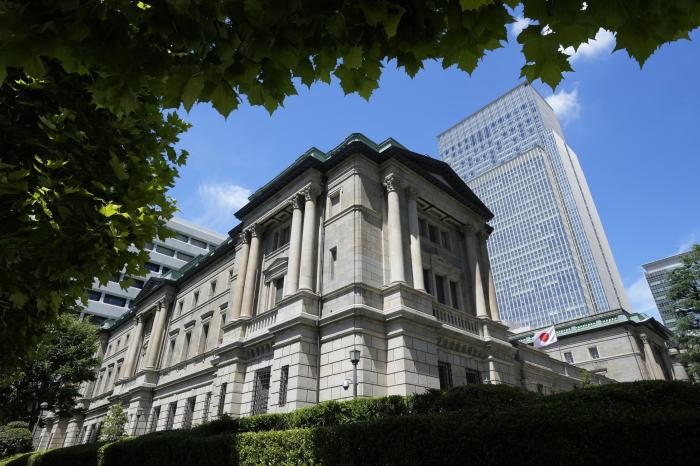
The central bank’s statement downplaying concerns about a deposit crunch has sparked debate among experts. While the central bank emphasizes the strength of the banking system and the stability of deposits, independent economic analysts offer a more nuanced perspective.
Comparison of Perspectives
The central bank’s view is rooted in its assessment of the banking sector’s overall financial health. It highlights the robust capital buffers, strong liquidity positions, and the government’s commitment to supporting the financial system. This perspective emphasizes the resilience of the banking system and its ability to withstand potential shocks.
Independent analysts, however, tend to focus on the potential for localized or sector-specific pressures. They point to factors like rising interest rates, inflation, and the ongoing economic uncertainty that could impact individual banks and their ability to attract deposits.
While India’s central bank chief assures the public about the stability of the banking system, it’s hard to ignore the devastating news coming from Myanmar. The death toll from Typhoon Yagi and subsequent floods has tragically doubled to 226, as reported in this article.
Such events highlight the importance of a strong and resilient financial system, as both individuals and nations face unforeseen challenges. It’s a stark reminder that even as we focus on economic stability, we must also be prepared for natural disasters and their impact.
Potential Risks and Challenges
While the central bank acknowledges the existence of some risks, it maintains that these are manageable. Independent analysts, however, identify several potential risks and challenges that could still impact the banking sector and deposit stability. These include:
- Rising Interest Rates:Higher interest rates could incentivize depositors to move their funds to higher-yielding instruments, potentially impacting bank deposits. This could be particularly challenging for smaller banks with limited access to capital markets.
- Economic Slowdown:A prolonged economic slowdown could lead to a decline in loan demand and increased loan defaults, impacting bank profitability and their ability to attract deposits.
- Financial Market Volatility:Increased volatility in global financial markets could trigger a flight to safety, leading to outflows from emerging markets like India and potentially impacting deposit stability.
- Asset Quality Concerns:The banking sector’s asset quality could be impacted by the economic slowdown, potentially leading to increased loan losses and a decline in confidence among depositors.
Implications for the Indian Economy
A significant deposit crunch could have far-reaching implications for the Indian economy. It could:
- Hinder Credit Growth:Reduced deposits could limit the availability of credit to businesses and individuals, hindering economic growth and job creation.
- Increase Borrowing Costs:Banks may need to raise interest rates to attract deposits, leading to higher borrowing costs for businesses and consumers, further dampening economic activity.
- Impact Financial Stability:A severe deposit crunch could trigger a systemic crisis, impacting the financial system and overall economic stability.
Impact on Financial Markets

The central bank chief’s statement, aimed at calming fears of a deposit crunch, had a noticeable impact on Indian financial markets. Investors and market participants reacted positively to the reassurance, leading to a surge in market sentiment and a potential shift in key economic indicators.
Impact on Interest Rates
The statement’s positive impact on market sentiment is expected to influence interest rates. A stable banking system, free from deposit concerns, encourages investors to lend money, leading to a potential decrease in borrowing costs. This could benefit businesses and individuals seeking loans, stimulating economic activity.
Impact on Exchange Rates
The statement’s positive impact on market sentiment could also influence the Indian Rupee’s exchange rate. A stable financial system strengthens investor confidence in the Indian economy, potentially increasing demand for the Rupee and leading to its appreciation against other currencies.
This could benefit Indian exporters by making their goods more competitive in the global market.
Impact on Overall Market Sentiment, Indias central bank chief plays down fears of a deposit crunch
The central bank chief’s statement played a significant role in boosting market sentiment. Investors, reassured by the central bank’s commitment to maintaining financial stability, are more likely to invest in Indian markets, potentially leading to increased stock prices and overall market growth.
Future Outlook

The recent assurances from India’s central bank chief have calmed some anxieties surrounding a potential deposit crunch. However, the situation remains fluid and several factors could influence the future trajectory of deposit flows and the overall health of the Indian banking sector.
Factors Influencing Deposit Flows
Several factors could influence the flow of deposits into Indian banks in the coming months:
- Economic Growth and Interest Rates:A robust economic growth trajectory, coupled with attractive interest rates offered by banks, could encourage depositors to park their funds in banks. Conversely, a slowdown in economic activity or a decline in interest rates could lead to a decrease in deposit inflows.
For example, the Reserve Bank of India’s (RBI) recent monetary policy decisions have aimed to balance growth and inflation, with interest rates expected to remain relatively stable in the near term. This could provide a favorable environment for deposit growth.
- Inflation and Consumer Sentiment:High inflation erodes the purchasing power of savings, potentially prompting individuals to withdraw their deposits. Conversely, a decline in inflation could boost consumer confidence and lead to increased deposit flows. India’s inflation rate has been steadily declining in recent months, reaching 5.88% in January 2023, according to the National Statistical Office.
This trend could positively impact deposit growth, as consumers feel more secure about their savings.
- Alternative Investment Opportunities:The availability of attractive investment opportunities outside the banking system, such as in the stock market or real estate, could divert funds away from deposits. India’s stock market has performed well in recent years, attracting investors seeking higher returns.
This could potentially lead to some diversion of funds from bank deposits, especially if stock market performance remains strong.
- Government Policies and Regulations:Government policies and regulations impacting the banking sector, such as changes in deposit insurance schemes or tax regulations, could influence deposit behavior. The Indian government has been actively implementing measures to strengthen the banking sector, including the recent consolidation of public sector banks.
These initiatives could create a more stable and attractive environment for depositors, encouraging them to keep their funds in banks.
- Financial Inclusion and Digitalization:Efforts to promote financial inclusion and digital banking could lead to an increase in deposit accounts, especially in rural areas. India’s government has been actively promoting digital financial services, leading to a significant increase in the number of bank accounts, particularly in rural areas.
This trend could boost deposit growth in the coming years.
Potential Events and Their Impact
The following is a timeline of potential events and their possible impact on the Indian banking sector:
- Short-Term (Next 3-6 Months):
- Stable Economic Growth:If the Indian economy continues to grow at a healthy pace, it could lead to increased business activity and higher demand for credit, potentially boosting deposit growth.
- Inflation Under Control:If inflation remains within the RBI’s target range, it could boost consumer confidence and encourage individuals to deposit their savings.
- No Major Regulatory Changes:If there are no significant changes in banking regulations, the current environment for deposits is likely to remain relatively stable.
- Medium-Term (6-12 Months):
- Increased Competition from Non-Bank Financial Institutions (NBFCs):NBFCs are increasingly offering competitive interest rates and financial products, which could attract deposits away from banks.
- Rise in Digital Lending:The increasing popularity of digital lending platforms could potentially lead to a shift in credit demand away from traditional banks.
- Implementation of New Government Policies:Any new government policies related to the banking sector, such as changes in deposit insurance or tax regulations, could impact deposit flows.
- Long-Term (12+ Months):
- Continued Financial Inclusion:Efforts to promote financial inclusion and digital banking could lead to a significant increase in deposit accounts, especially in rural areas.
- Increased Use of Fintech Solutions:The adoption of fintech solutions by banks could enhance efficiency and customer experience, potentially attracting more deposits.
- Potential for a Shift in Deposit Preferences:Over the long term, depositors may become more inclined towards alternative investment options, such as digital assets or equity markets, if these offer higher returns compared to bank deposits.