Climate Change Spurs Stormproof Homes Movement
Climate change is spurring a movement to build stormproof homes, as the frequency and intensity of extreme weather events escalate globally. Rising sea levels, more frequent and severe storms, and other climate change impacts are making traditional homes increasingly vulnerable.
The need for resilient homes that can withstand these challenges has become paramount, prompting a shift towards innovative building practices and technologies.
From hurricane-resistant windows to reinforced roofs and flood-resistant foundations, a new generation of homes is being designed to withstand the forces of nature. Smart home systems are also playing a vital role in storm resilience, allowing homeowners to monitor weather conditions and take proactive measures.
This movement towards stormproof homes is not only about protecting individual properties but also about building more resilient communities.
The Growing Threat of Climate Change
The Earth’s climate is changing at an unprecedented rate, driven by human activities that release greenhouse gases into the atmosphere. This change is manifesting in various ways, including rising temperatures, more frequent and intense extreme weather events, and rising sea levels.
These changes are not only disrupting ecosystems and biodiversity but also posing significant challenges to human societies.
The Increasing Frequency and Intensity of Extreme Weather Events
The frequency and intensity of extreme weather events, such as heat waves, droughts, floods, and storms, are increasing globally due to climate change. These events are becoming more frequent and severe, causing widespread damage to infrastructure, property, and human life.
The Intergovernmental Panel on Climate Change (IPCC) has concluded that human influence has been the dominant cause of the observed warming since the mid-20th century. The IPCC’s Sixth Assessment Report, published in 2021, provides compelling evidence of the increasing frequency and intensity of extreme weather events.
Rising Sea Levels
Global sea levels have been rising steadily for decades, primarily due to the melting of glaciers and ice sheets and the thermal expansion of ocean water as it warms. The IPCC projects that global sea levels will continue to rise throughout the 21st century, with projections ranging from 0.28 to 1.01 meters by 2100, depending on the rate of greenhouse gas emissions.
Rising sea levels pose significant risks to coastal communities, including increased flooding, erosion, and saltwater intrusion into freshwater sources.
Examples of Recent Devastating Storms
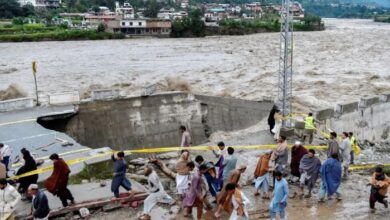
Recent devastating storms have highlighted the increasing threat posed by climate change. In 2017, Hurricane Maria, a Category 5 storm, devastated Puerto Rico, causing widespread power outages, infrastructure damage, and significant loss of life. The storm’s impact was exacerbated by Puerto Rico’s vulnerability due to poverty, inadequate infrastructure, and a history of neglect.
In 2021, Hurricane Ida made landfall in Louisiana as a Category 4 storm, causing catastrophic flooding and widespread damage across the Gulf Coast. These events underscore the urgent need for climate action to mitigate the impacts of climate change and build resilience to future extreme weather events.
It’s fascinating how climate change is spurring a movement to build stormproof homes, with innovative designs and materials becoming increasingly popular. But while we’re focused on building resilience against natural disasters, it’s important to remember the human cost of conflict.
The news that u s intelligence is helping ukraine kill russian generals officials say highlights the tragic reality of war, reminding us that even as we prepare for the future, we must strive for peace and understanding. Ultimately, building a better future requires addressing both the challenges of climate change and the dangers of conflict.
Building Stormproof Homes
The growing threat of climate change has spurred a movement towards building homes that can withstand the increasing intensity and frequency of extreme weather events. This is not just a matter of protecting property; it’s about ensuring the safety and well-being of families and communities.
Building Materials and Techniques for Storm Resilience
Various building materials and techniques can enhance a home’s resilience against storms. This section explores some of the most effective options, considering their advantages, disadvantages, and real-world examples.
| Material/Technique | Advantages | Disadvantages | Examples of Implementation |
|---|---|---|---|
| Hurricane-Resistant Windows |
|
|
|
| Reinforced Roofs |
|
|
|
| Flood-Resistant Foundations |
|
|
|
Benefits of Hurricane-Resistant Windows, Climate change is spurring a movement to build stormproof homes
Hurricane-resistant windows are designed to withstand high winds and debris impact. They feature laminated glass, impact-resistant materials, and reinforced frames. These features significantly reduce the risk of window breakage, which can lead to extensive damage and safety hazards. Additionally, hurricane-resistant windows can improve energy efficiency by reducing heat loss and gain, resulting in lower energy bills.
Benefits of Reinforced Roofs
Reinforced roofs are crucial for protecting homes from wind damage and leaks. They are constructed using hurricane-resistant shingles, reinforced trusses, and tie-downs that secure the roof to the walls. These features prevent the roof from being lifted or blown off during high winds, ensuring the structural integrity of the home.
Moreover, reinforced roofs can contribute to energy efficiency by reducing heat loss through the roof, resulting in lower energy consumption.
Benefits of Flood-Resistant Foundations
Flood-resistant foundations are essential for homes located in areas prone to flooding. They are designed to withstand water damage and maintain structural stability during floods. This can be achieved by elevating the home above the flood plain, using flood-resistant materials like concrete or steel, and installing waterproof membranes and drainage systems.
Climate change is making us rethink how we build homes. We need structures that can withstand increasingly extreme weather events. It’s a similar concept to what Elon Musk has been pushing with his return-to-office policies at Tesla, emphasizing the importance of in-person collaboration and productivity.
While his approach has sparked debate, it’s interesting to see how his ideas on the future of work intersect with the need for resilient housing in a changing climate. Read more about Elon Musk’s take on the return to the office As we adapt to a more unpredictable world, the need for strong, innovative solutions in both our homes and workplaces becomes more crucial than ever.
These measures prevent water from seeping into the foundation, protecting the home’s structural integrity and preventing mold growth.
The Role of Technology in Storm Resilience: Climate Change Is Spurring A Movement To Build Stormproof Homes
Technology is playing an increasingly important role in building storm-resistant homes. It helps us better understand weather patterns, predict potential threats, and develop innovative solutions for building structures that can withstand extreme weather events.
It’s clear that climate change is spurring a movement to build stormproof homes, as extreme weather events become more frequent and severe. But while we’re focused on protecting ourselves from the physical impacts of climate change, it’s also crucial to address the spread of misinformation that undermines efforts to mitigate the crisis.
This is where the article about how Nebraska’s governor became a general in a right-wing disinformation war how nebraskas governor became a general in a right wing disinformation war comes in. By understanding how misinformation can be weaponized, we can better equip ourselves to combat it and ensure a more informed approach to tackling climate change and its consequences, including the need for resilient homes.
Smart Home Systems for Weather Monitoring and Proactive Measures
Smart home systems can significantly contribute to storm preparedness by providing real-time weather data and enabling proactive measures. These systems use sensors to monitor various environmental conditions like wind speed, rainfall, and atmospheric pressure. When a storm is approaching, the system can alert homeowners about potential threats and recommend appropriate actions.
- Smart home systems can automate tasks like closing windows and shutters, lowering blinds, and turning off appliances to minimize potential damage.
- They can also activate backup power systems, ensuring continuous operation of essential appliances during power outages.
Innovative Technologies for Storm-Resistant Construction
- Wind-Resistant Cladding:This type of cladding is designed to withstand high winds and minimize the risk of damage to the exterior of the house. It often incorporates materials like fiber cement, metal panels, or reinforced concrete, which are strong and durable.
For instance, the use of metal cladding, such as aluminum or steel, has become increasingly popular in coastal areas prone to hurricanes, as it offers excellent resistance to strong winds and salt spray.
- Self-Sealing Roofs:These roofs are designed to seal themselves automatically in the event of a leak, preventing further damage to the interior of the house. They often use advanced materials like self-healing membranes or waterproof coatings that can adapt to changing weather conditions.
An example of a self-sealing roof technology is the use of “liquid-applied membranes,” which form a flexible, waterproof layer that can expand and contract with the roof’s movement, effectively sealing any leaks or cracks.
- Storm-Resistant Windows and Doors:These windows and doors are designed to withstand high winds, heavy rain, and flying debris. They often incorporate reinforced frames, impact-resistant glass, and specialized seals to ensure maximum protection. Hurricane-resistant windows, for instance, are designed to withstand high wind pressure and flying debris.
They often feature impact-resistant glass, reinforced frames, and specialized seals to prevent water intrusion.
The Impact of Stormproof Homes on Communities
Building homes that are resilient to storms offers numerous benefits, not only for individual homeowners but also for the communities they reside in. The economic and social implications of these investments can be significant, fostering a more resilient and sustainable future for everyone.
Economic Benefits of Resilient Homes
Investing in storm-resistant construction practices can significantly reduce the financial burden associated with natural disasters.
- Reduced Insurance Costs:Homes built to withstand extreme weather events are often eligible for lower insurance premiums. Insurance companies recognize the reduced risk of damage and offer incentives to encourage such construction. This can translate into substantial savings for homeowners over the long term.
- Minimized Property Damage:Stormproof homes are designed to withstand strong winds, heavy rainfall, and flooding, significantly reducing the risk of damage. This not only protects the homeowner’s investment but also prevents the need for costly repairs and renovations after a storm.
- Enhanced Property Values:Homes built to withstand extreme weather conditions are often seen as more desirable and valuable in the real estate market. This can lead to higher resale values, providing a financial advantage to homeowners.
Social Implications of Safer and Sustainable Housing
The benefits of building storm-resistant homes extend beyond individual households, positively impacting entire communities.
- Increased Community Resilience:When homes are better equipped to withstand natural disasters, communities become more resilient. This reduces the strain on emergency services, infrastructure, and local economies in the aftermath of storms. It also allows communities to recover more quickly and efficiently.
- Reduced Displacement and Disruption:Stormproof homes minimize the risk of displacement and disruption to residents’ lives during and after storms. This can be particularly important for vulnerable populations, such as seniors, families with young children, and individuals with disabilities.
- Enhanced Sense of Security and Well-being:Knowing that their homes are built to withstand extreme weather events provides residents with a greater sense of security and peace of mind. This can lead to improved mental health and overall well-being, particularly in areas prone to natural disasters.
“After Hurricane Irma, our house, built to withstand high winds and flooding, remained largely intact while many of our neighbors’ homes were severely damaged. We were able to stay in our home, provide shelter to others, and help our community recover. It was a stark reminder of the importance of building resilient homes.”John, a homeowner in Florida
Wrap-Up
The movement to build stormproof homes is a testament to the growing awareness of climate change and its impacts. As the world grapples with the challenges of a changing climate, the need for resilient infrastructure and housing is becoming increasingly evident.
By investing in innovative technologies and building practices, we can create homes that are not only safe and comfortable but also sustainable and prepared for the future. The journey towards a world of stormproof homes is underway, and it holds the promise of a more resilient and sustainable future for all.