Its Time to Stop Saying Junk Food
Its time to stop saying junk food – It’s time to stop saying “junk food.” The term itself carries a heavy weight of negativity, contributing to a culture of shame and guilt around food. Labeling something as “junk” implies it’s inherently bad, leading to an unhealthy relationship with eating and unrealistic expectations about what constitutes a “good” or “bad” food.
This judgmental language not only impacts individuals but also fuels diet culture, promoting restrictive and often harmful eating habits. It’s time to move beyond this simplistic and unhelpful categorization and embrace a more nuanced and respectful approach to food.
The Problem with “Junk Food”
The term “junk food” has become deeply ingrained in our vocabulary, often used to describe foods considered unhealthy or lacking in nutritional value. While it’s important to be mindful of our dietary choices, the term “junk food” carries negative connotations that can be harmful to individuals and society as a whole.The labeling of food as “junk” can lead to feelings of shame and guilt, impacting people’s relationship with food and their overall well-being.
This can create a cycle of restriction and overindulgence, ultimately hindering healthy eating habits.
The Impact of “Junk Food” Labeling on Individuals
The term “junk food” can contribute to diet culture by promoting unrealistic expectations about food and creating a sense of moral judgment around eating choices. This can lead to:
- Body Shaming:Individuals who consume foods labeled as “junk” may experience shame and guilt, contributing to negative body image and disordered eating patterns.
- Food Restriction:The term “junk food” can create a sense of fear and avoidance around certain foods, leading to restrictive eating habits that can be detrimental to health.
- Emotional Eating:When individuals feel deprived of certain foods, they may engage in emotional eating, leading to overconsumption and feelings of guilt.
Reframing the Conversation
The term “junk food” carries a lot of negative baggage. It’s often used to shame and judge people’s food choices, creating a sense of guilt and inadequacy. Instead of focusing on labels and negativity, we need to shift the conversation towards a more positive and respectful approach to food.
It’s time to stop saying “junk food” and start talking about food choices. Maybe we should all be a little more like Mitch McConnell, who recently made revealing remarks about his moral red lines in a public forum. It’s about time we all start being more transparent about our own “moral red lines” when it comes to food, and that includes acknowledging the impact of our choices on our health and the environment.
Promoting Positive Language
Instead of using the term “junk food,” we can adopt more neutral and descriptive language that focuses on the specific characteristics of the food. For example, instead of saying “junk food,” we can use terms like:
- Processed foods: This term accurately describes foods that have undergone significant processing, such as adding preservatives, flavorings, or changing their texture.
- Convenience foods: This term acknowledges the practical benefits of these foods, such as their ease of preparation and availability.
- High-fat foods: This term directly describes a key characteristic of many foods often labeled as “junk food.”
- Sugary snacks: This term focuses on the high sugar content of these foods.
By using these alternative terms, we can move away from judgment and focus on understanding the characteristics of these foods.
It’s time to stop saying “junk food” and start talking about food choices. We’re all adults, right? And making informed decisions about what we put in our bodies is a crucial part of that. Speaking of informed decisions, I’m really interested in three questions about today’s consequential primaries , and how those choices will impact our future.
But back to food, let’s focus on making healthier choices, one meal at a time.
Focusing on Nutritional Value and Enjoyment
Rather than labeling foods as “good” or “bad,” we can focus on their nutritional value and the enjoyment they provide. Every food has its place in a balanced diet, and the key is to consume them in moderation and as part of a varied and healthy eating pattern.
“Food is not just fuel; it’s a source of pleasure, connection, and cultural expression.”
Instead of restricting ourselves to a limited list of “approved” foods, we can explore the diverse world of culinary experiences and appreciate the unique flavors and textures that different foods offer. This approach fosters a more positive and sustainable relationship with food, promoting a sense of balance and mindful eating.
Food Choices and Responsibility
Taking ownership of our food choices is crucial for achieving optimal health and well-being. It’s not about restricting ourselves or adhering to rigid diets but rather about making informed decisions that align with our individual needs and goals. Understanding the nutritional content of food empowers us to make choices that support our health, while also allowing us to enjoy the pleasures of food.
Understanding Nutritional Content
Knowledge is power when it comes to food choices. By understanding the nutritional value of different foods, we can make informed decisions that support our health goals. This includes being aware of:
- Macronutrients: These are the essential nutrients our bodies need in large amounts, including carbohydrates, proteins, and fats. Each macronutrient plays a different role in providing energy, building and repairing tissues, and supporting various bodily functions. For example, carbohydrates are our primary energy source, while proteins are essential for muscle growth and repair.
Understanding the role of each macronutrient allows us to make choices that provide the right balance for our needs.
- Micronutrients: These are essential nutrients that our bodies need in smaller amounts, including vitamins and minerals. Each micronutrient contributes to various bodily functions, such as supporting immune health, promoting bone strength, and regulating metabolism. For instance, vitamin C is crucial for immune function, while calcium is essential for bone health.
Understanding the importance of micronutrients helps us make choices that ensure we are getting the nutrients our bodies need.
- Added Sugars: Many processed foods contain high amounts of added sugars, which can contribute to weight gain, chronic diseases, and other health issues. Being aware of the added sugar content in foods allows us to make choices that minimize our intake of these unhealthy ingredients.
- Sodium: Excessive sodium intake can contribute to high blood pressure and other health problems. Understanding the sodium content of foods helps us make choices that support heart health and overall well-being.
The Role of Industry and Marketing: Its Time To Stop Saying Junk Food
The food industry plays a significant role in shaping our eating habits, and its marketing strategies often contribute to the prevalence of unhealthy food choices. Understanding how the industry influences our decisions is crucial for making informed choices and promoting healthier eating patterns.
We all know that “junk food” is a loaded term, often used to shame people for their food choices. But what if we shifted the focus from labeling food to understanding our own needs and preferences? Elon Musk’s recent controversial return-to-office plan, as discussed in this article , highlights the importance of flexibility and individual needs in the workplace.
Perhaps it’s time to stop labeling food and start creating a more inclusive and understanding environment for everyone, both at work and in our personal lives.
Impact of Food Marketing and Advertising
Food marketing and advertising have a powerful influence on consumer choices. Through targeted campaigns, the industry can shape our perceptions of food and encourage us to consume specific products. This influence is particularly potent for children, who are more susceptible to persuasive marketing tactics.
Strategies Used by the Food Industry
The food industry employs a variety of strategies to promote unhealthy eating habits. These include:
- Targeting Vulnerable Populations:Companies often target their marketing efforts towards children, adolescents, and low-income communities, who are more susceptible to impulsive purchases and may have limited access to healthier options.
- Using Emotional Appeals:Advertising campaigns often evoke feelings of happiness, pleasure, and comfort associated with consuming certain foods, creating a positive emotional connection that overrides rational considerations about health.
- Emphasizing Convenience and Affordability:Marketing often emphasizes the convenience and affordability of processed foods, making them seem like the most appealing choice for busy lifestyles or limited budgets.
- Misleading Labeling:Some food products are marketed as healthy or nutritious even though they contain high levels of sugar, unhealthy fats, or sodium. This can mislead consumers into making unhealthy choices.
Responsible Marketing Practices, Its time to stop saying junk food
Companies can adopt more responsible marketing practices that promote healthy eating:
- Focus on Nutrition Education:Companies can invest in initiatives that educate consumers about healthy eating habits, providing clear and accurate information about their products’ nutritional content.
- Reduce Marketing to Children:Companies can voluntarily limit or restrict their marketing efforts aimed at children, particularly for unhealthy food products.
- Promote Healthier Options:Companies can invest in developing and marketing healthier versions of their products, offering more nutritious alternatives to highly processed foods.
- Support Public Health Initiatives:Companies can partner with public health organizations to promote healthy eating habits and support initiatives that address food insecurity and nutrition education.
Creating a More Inclusive Food Culture
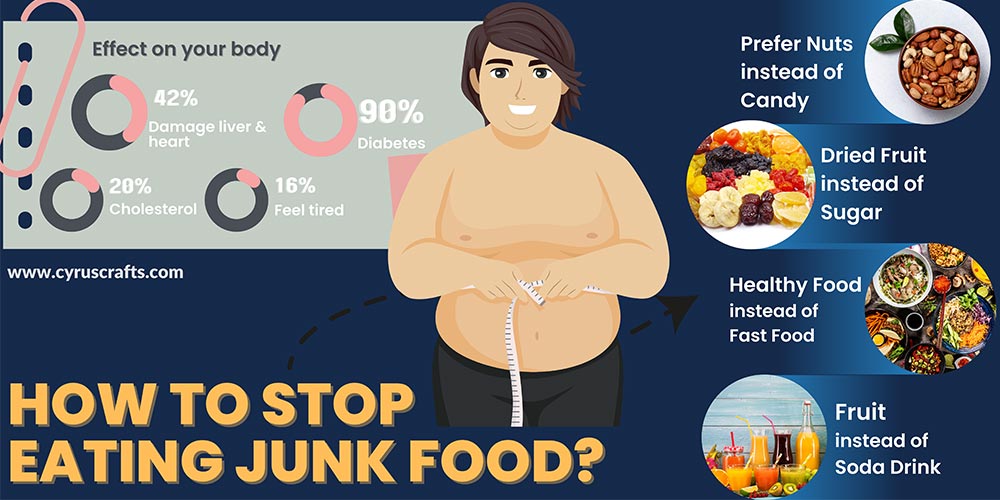
The way we talk about food and the choices people make has a significant impact on how individuals feel about their relationship with food. Moving away from the “junk food” label and adopting a more inclusive approach is crucial for fostering a healthier and more positive relationship with food for everyone.
Celebrating Diversity and Respecting Individual Choices
A truly inclusive food culture recognizes the vast diversity of dietary needs, preferences, and cultural traditions. It celebrates the richness of culinary experiences around the world and acknowledges that food choices are often deeply personal and influenced by various factors, including cultural background, health conditions, personal values, and access to resources.
Judging or shaming people for their food choices can be harmful and counterproductive. It can lead to feelings of guilt, shame, and isolation, making it harder for individuals to make healthy choices. Instead of focusing on what people -should* eat, it’s essential to create a space where everyone feels comfortable and respected, regardless of their food choices.
Fostering a Positive and Supportive Environment Around Food
Creating a more inclusive food culture requires a shift in our language and approach to food discussions. Instead of focusing on labeling foods as “good” or “bad,” we can emphasize the importance of making informed choices based on individual needs and preferences.
- Focus on the positive:Instead of saying “Don’t eat that,” try “Have you considered trying this healthy option instead?”
- Respect individual choices:Recognize that people have different reasons for making the food choices they do. Avoid making assumptions or judgments.
- Promote education and awareness:Provide accurate information about different food choices, their nutritional value, and the impact on health. This empowers individuals to make informed decisions.
- Celebrate diversity:Encourage exploration of different cuisines and food cultures. This fosters a sense of appreciation and respect for diverse culinary traditions.
- Create inclusive spaces:Support organizations and initiatives that promote inclusivity and accessibility in food systems. This ensures that everyone has access to nutritious and culturally relevant food options.
Ending Remarks
Instead of focusing on labeling foods as “junk,” let’s shift our focus to understanding the nutritional value and enjoyment of food. We can empower ourselves to make informed choices that align with our health goals while celebrating the diversity and pleasure of food.
By creating a more inclusive and supportive food culture, we can foster a healthier relationship with food for everyone.