

US-Funded Biolabs in Ukraine: A Baseless Theory
Theory about u s funded bioweapons labs in ukraine is unfounded – The theory about US-funded bioweapons labs in Ukraine is unfounded, a narrative that has gained traction in recent years, fueled by misinformation and fueled by political agendas. This story, however, is far from the truth, a tale built on a foundation of speculation and distortions of reality.
This blog aims to shed light on the origins of this theory, examine the scientific evidence, and debunk the misinformation surrounding it.
The theory claims that the US has been secretly developing biological weapons in Ukraine, using these labs as a cover. This narrative often suggests that these labs are a threat to global security, and some even go so far as to claim that the US is responsible for the spread of dangerous pathogens.
However, this theory lacks any credible evidence and has been widely refuted by scientists, international organizations, and experts in the field.
The Origins of the Theory: Theory About U S Funded Bioweapons Labs In Ukraine Is Unfounded
The theory that the United States is funding bioweapons laboratories in Ukraine has gained traction in recent years, particularly following the outbreak of the COVID-19 pandemic. This theory, which has been widely debunked by the scientific community and international organizations, has been used to justify the Russian invasion of Ukraine in 2022.
The theory’s emergence can be traced back to a confluence of factors, including the historical context of the Cold War, the ongoing geopolitical tensions between Russia and the West, and the rise of misinformation and conspiracy theories on social media.
The Role of the Cold War
The Cold War, a period of geopolitical tension and military rivalry between the United States and the Soviet Union, played a significant role in shaping the narrative surrounding biological weapons research. During this era, both superpowers engaged in extensive biological weapons programs, leading to widespread fear and suspicion about the potential use of such weapons.
This historical context provided a foundation for the emergence of conspiracy theories about biological weapons, which persisted even after the end of the Cold War.
Early Dissemination of the Theory
The theory about US-funded bioweapons labs in Ukraine was initially disseminated by Russian state-controlled media outlets and pro-Kremlin figures. These individuals and organizations began promoting the theory in the years leading up to the Russian invasion of Ukraine, often citing unsubstantiated claims and conspiracy theories to support their narrative.
The whole theory about US-funded bioweapons labs in Ukraine is unfounded, and frankly, it’s a bit disheartening to see such misinformation spread. It reminds me of the old adage “buy the rumour, sell the news,” which seems to be playing out with Dogecoin, as it erased recent gains after the news of Elon Musk’s Twitter acquisition buy the rumour sell the news dogecoin erases recent gains.
It’s important to stick to facts and credible sources, especially when it comes to sensitive topics like international relations and scientific research.
The Role of Social Media
Social media platforms have played a crucial role in amplifying the theory about US-funded bioweapons labs in Ukraine. The ease of sharing information and the prevalence of echo chambers on social media have allowed the theory to spread rapidly, reaching a wide audience.
- Pro-Kremlin accounts on social media platforms like Twitter and Facebook have actively disseminated the theory, using hashtags and other strategies to increase its visibility.
- The use of manipulated images and videos, as well as fabricated news articles, has further contributed to the spread of the theory.
- The lack of fact-checking and the spread of misinformation on social media have made it difficult to debunk the theory and prevent its further dissemination.
Scientific Evidence and International Collaboration
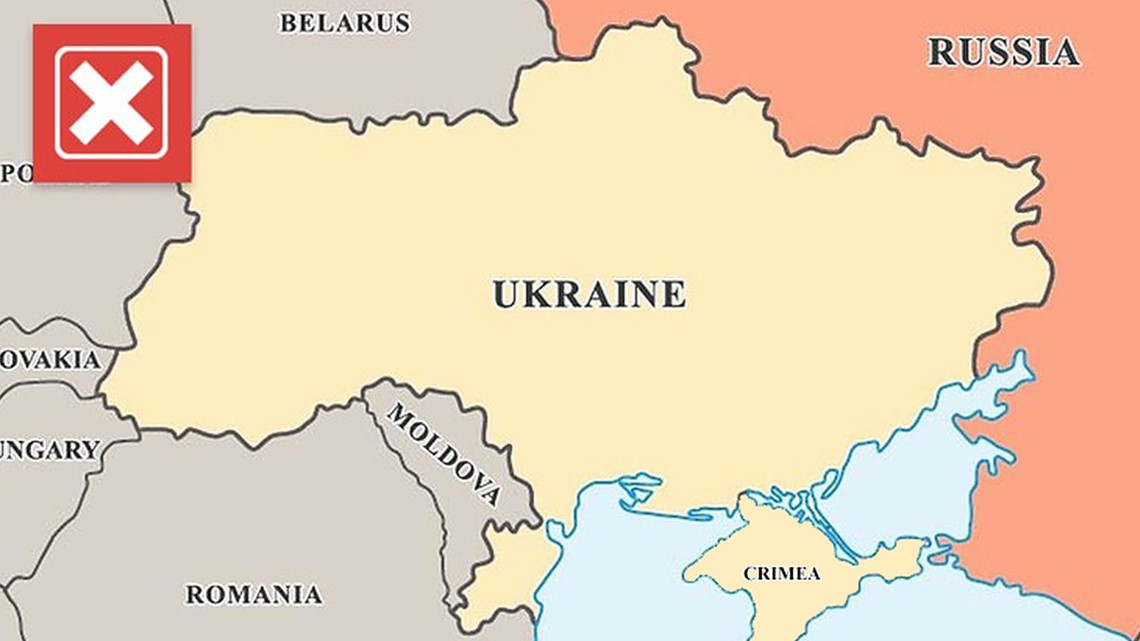
The claim that the US government is running bioweapons labs in Ukraine is a dangerous and unfounded conspiracy theory. It’s important to understand the true nature of US-funded biological research in Ukraine and the robust safety protocols and international oversight mechanisms in place.This research focuses on preventing and responding to outbreaks of infectious diseases, a crucial endeavor considering the history of deadly pandemics and the potential for new threats to emerge.
The theory about U.S. funded bioweapons labs in Ukraine is unfounded and has been debunked by numerous experts. It’s important to separate fact from fiction, especially when dealing with sensitive topics like this. A good example of a tactic used to protect against hostile takeovers is the “poison pill defense,” which makes a company less attractive to potential acquirers.
The unfounded claims about bioweapons labs in Ukraine are a prime example of how misinformation can spread quickly and dangerously, especially in the age of social media.
US Support for Biological Research in Ukraine
The US government has been involved in supporting biological research in Ukraine for decades, primarily through the Cooperative Threat Reduction Program (CTR), also known as the Nunn-Lugar program. This program, established in 1991, aims to reduce the threat of weapons of mass destruction, including biological weapons.
The US Department of Defense (DoD) also plays a role in supporting research in Ukraine through the Defense Threat Reduction Agency (DTRA), which focuses on countering weapons of mass destruction.The US government’s involvement in biological research in Ukraine is not unique.
The US collaborates with numerous countries around the world on similar projects, recognizing that infectious disease threats are global in nature.
Nature and Scope of US-Ukrainian Biological Research Collaborations
The collaborations between the US and Ukraine focus on peaceful research, including:
- Disease surveillance and diagnostics:This research involves monitoring and detecting outbreaks of infectious diseases, developing diagnostic tools, and enhancing public health surveillance systems.
- Research on pathogens of concern:This includes studying and understanding the characteristics of pathogens that could pose a threat to public health, such as influenza, anthrax, and plague.
- Development of vaccines and treatments:Researchers are working to develop new vaccines and treatments for infectious diseases, including those that are difficult to treat or have the potential to be used as biological weapons.
These projects are conducted in accordance with international agreements and regulations, ensuring ethical and safe research practices.
Safety Protocols and International Oversight Mechanisms
Biological research, especially involving potentially dangerous pathogens, is subject to stringent safety protocols and international oversight. These protocols ensure that research is conducted safely and responsibly, minimizing the risk of accidental release or misuse. Here are some key aspects of these protocols and oversight mechanisms:
- Biosafety levels:Laboratories are classified into biosafety levels (BSL) based on the level of containment required for the specific research being conducted. This ensures appropriate safety measures are in place for handling different pathogens.
- International agreements:The Biological Weapons Convention (BWC), signed by over 180 countries, prohibits the development, production, and stockpiling of biological weapons. This treaty provides a framework for international cooperation and monitoring of biological research activities.
- International oversight bodies:Organizations like the World Health Organization (WHO) and the International Atomic Energy Agency (IAEA) play a role in monitoring and regulating biological research globally.
The US government adheres to these international agreements and protocols, ensuring that its biological research activities are conducted ethically and responsibly.
Addressing Misinformation and Disinformation
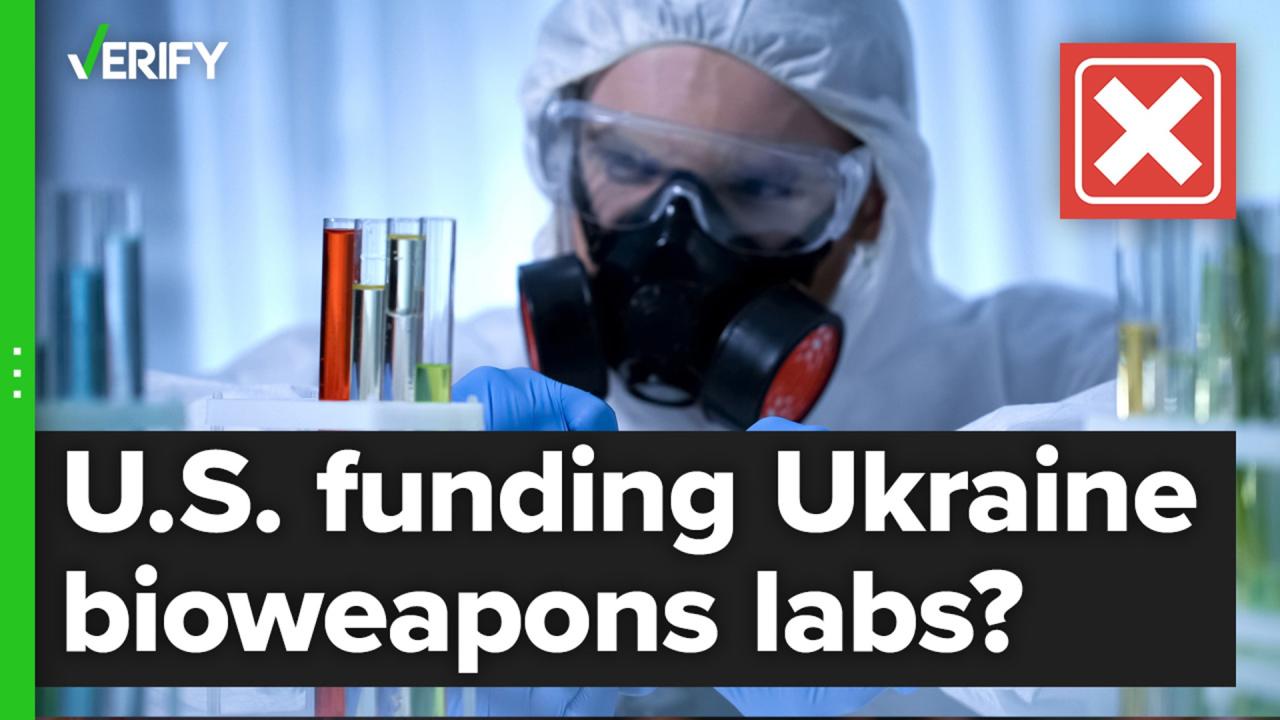
It’s crucial to separate fact from fiction when evaluating claims about US-funded bioweapons labs in Ukraine. While concerns about biological research and its potential misuse are legitimate, unfounded accusations can have serious consequences.
Dissecting Common Arguments
Many arguments supporting the bioweapons theory rely on misinterpretations and distortions of information. Here are some common examples:
- Misleading Imagery:Images of facilities labeled as “biolabs” are often presented without context, suggesting they are involved in nefarious activities. In reality, these facilities are often legitimate research centers studying diseases endemic to the region.
- Selective Quoting:Statements by officials or researchers are taken out of context to imply involvement in bioweapons development. For example, research on pathogens is often misrepresented as evidence of weapons production.
- Conspiracy Theories:Unverified claims and unfounded suspicions are presented as evidence, often relying on anonymous sources or dubious websites. These theories often lack credible evidence and rely on speculation.
Distinguishing Legitimate Concerns from Unfounded Claims, Theory about u s funded bioweapons labs in ukraine is unfounded
While there are legitimate concerns about the potential for dual-use research, which could be misused for malicious purposes, it’s important to differentiate these concerns from unfounded accusations.
- Transparency and Oversight:Legitimate concerns center on the need for transparency and robust oversight mechanisms to ensure biological research is conducted ethically and responsibly. This includes international collaboration and adherence to established safety protocols.
- Biosafety and Biosecurity:Ensuring the safety and security of biological materials and facilities is paramount. This involves measures to prevent accidental releases, theft, or misuse of pathogens.
- International Cooperation:Addressing potential threats from biological weapons requires international cooperation, including information sharing and joint research efforts. This helps to build trust and prevent misunderstandings.
Consequences of Spreading Misinformation
Spreading misinformation about bioweapons labs can have significant consequences, both domestically and internationally.
The theory about US-funded bioweapons labs in Ukraine is unfounded, a fabrication used to justify aggression. It’s a distraction from the real issues at play, like the growing economic anxieties that could lead to a dangerous shift in American politics.
As explored in this insightful article, opinion will inflation worries push americans toward authoritarianism to economic detriment , rising inflation could push Americans towards authoritarianism, sacrificing long-term economic stability for short-term solutions. We must resist this dangerous trend and focus on factual information, not unfounded conspiracies, to navigate these complex times.
- Erosion of Trust:Unfounded accusations erode trust in scientific institutions and international organizations, making it harder to address real threats to public health and security.
- Political Instability:Misinformation can be used to fuel political tensions and undermine diplomatic efforts. This can lead to increased polarization and conflict.
- Public Health Risks:Misinformation about bioweapons can create unnecessary fear and anxiety, leading to public health risks such as vaccine hesitancy or the spread of false information about disease outbreaks.
The Importance of Fact-Checking and Critical Thinking
In the age of digital information, it is more crucial than ever to develop critical thinking skills and practice fact-checking. With the constant influx of information, both accurate and inaccurate, it is essential to be able to discern reliable sources from unreliable ones.
This section explores the importance of relying on credible sources and verifying claims before sharing them. It will also delve into strategies for identifying and evaluating the reliability of information online, providing examples of how to critically assess evidence and avoid falling prey to misinformation.
Strategies for Identifying and Evaluating the Reliability of Information Online
Identifying and evaluating the reliability of information online is crucial in navigating the vast and often misleading landscape of the internet. The following strategies can help you discern credible sources from unreliable ones:
- Check the Source:Before consuming information, consider the source. Is it a reputable news organization, academic institution, or government agency? Look for sources with a history of accurate reporting and a commitment to journalistic integrity.
- Look for Evidence:Reliable sources will provide evidence to support their claims. This evidence can include data, research findings, expert opinions, or primary sources. Be wary of sources that rely on anecdotal evidence or unsubstantiated claims.
- Consider the Author’s Bias:Every author has a perspective, and it’s important to be aware of potential biases. Consider the author’s background, affiliations, and potential motivations.
- Check for Multiple Sources:If a claim is made by multiple reputable sources, it’s more likely to be accurate. Conversely, if a claim is only found on a few obscure websites, it should be viewed with skepticism.
- Look for Fact-Checking Websites:Several websites are dedicated to fact-checking and debunking misinformation. These websites can provide valuable insights into the accuracy of claims circulating online.
The Impact on International Relations
The unfounded theory about US-funded bioweapons labs in Ukraine has had a significant impact on international relations, particularly between the US and Russia. This theory has been used as a tool of propaganda and disinformation, exacerbating tensions and undermining trust between the two countries.
Furthermore, it has contributed to a broader erosion of public trust in science and international institutions, further complicating global cooperation on critical issues.
The Theory’s Impact on US-Russia Relations
The theory has been used by Russia as a justification for its invasion of Ukraine, further straining already tense relations between the two countries. This has led to a breakdown in communication and cooperation, hindering efforts to resolve the conflict peacefully.
The theory has been used by Russia as a justification for its invasion of Ukraine, further straining already tense relations between the two countries. This has led to a breakdown in communication and cooperation, hindering efforts to resolve the conflict peacefully.
The theory has also contributed to a broader escalation of tensions between the US and Russia, leading to increased military spending and a renewed Cold War-like atmosphere. The US has accused Russia of spreading disinformation and propaganda, while Russia has accused the US of pursuing a policy of containment and aggression.
The Theory as a Tool of Propaganda and Disinformation
The theory has been widely promoted by Russian state media and officials, despite a lack of evidence to support it. This has been part of a broader effort by Russia to sow discord and distrust in the West. The theory has been amplified by social media platforms, reaching a wide audience and contributing to the spread of misinformation.
The Theory’s Impact on Public Trust in Science and International Institutions
The theory has undermined public trust in science and international institutions. By promoting unfounded claims and conspiracy theories, it has eroded confidence in the ability of these institutions to provide accurate information and address global challenges. This has made it more difficult to address important issues such as pandemics and climate change, which require international cooperation and scientific expertise.
Concluding Remarks
The theory of US-funded bioweapons labs in Ukraine is a dangerous fabrication that has been used to sow discord and undermine trust in science and international institutions. It is crucial to rely on credible sources of information and engage in critical thinking to avoid falling prey to misinformation.
The truth is that these labs are part of a legitimate international effort to combat infectious diseases and promote global health security. We must remain vigilant in our pursuit of truth and reject the spread of baseless conspiracies.