Pfizer and BioNTech Seek Second Booster for Older Americans
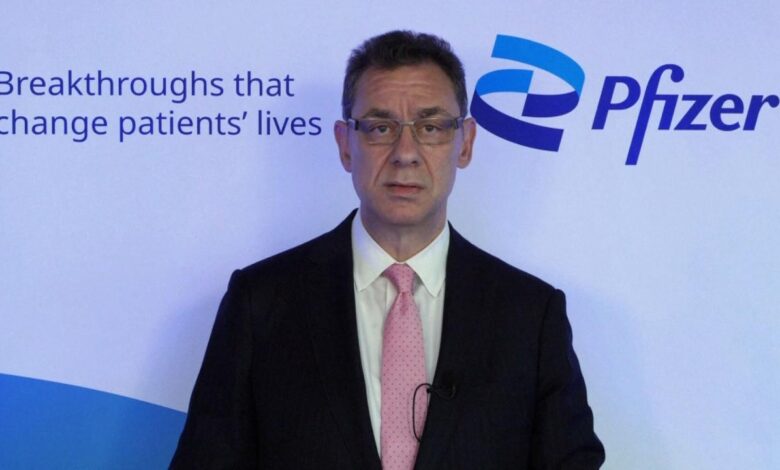
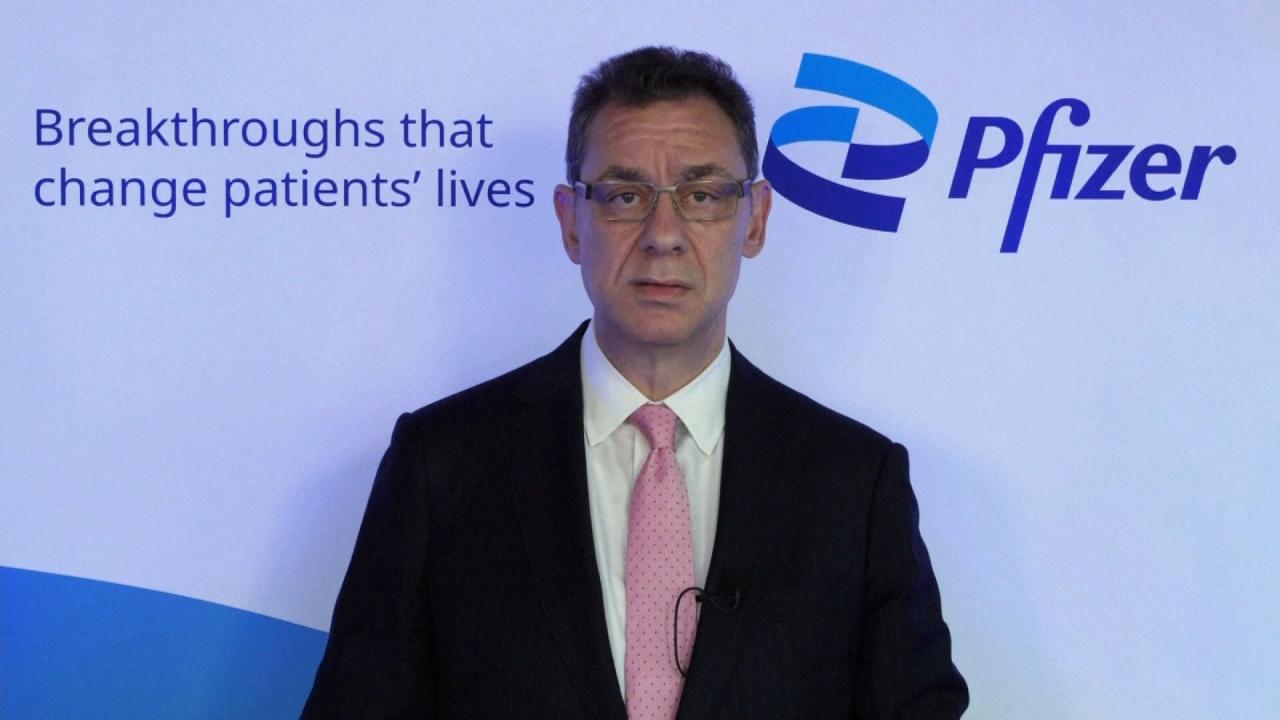
Pfizer and BioNTech seek authorization of a second booster shot for older Americans, a move that has sparked debate and raised questions about the evolving landscape of COVID-19 vaccination. This latest development comes as scientists grapple with waning immunity and the emergence of new variants, prompting a renewed focus on bolstering protection for vulnerable populations.
The companies have requested authorization from the FDA to administer a second booster dose of their COVID-19 vaccine to individuals aged 65 and older. This request is based on emerging data suggesting that the effectiveness of the initial vaccine series and the first booster dose may decline over time, particularly in older adults.
This decline in immunity, coupled with the potential for new variants to evade existing protection, has fueled concerns about the vulnerability of this demographic.
Scientific Justification for the Second Booster: Pfizer And Biontech Seek Authorization Of A Second Booster Shot For Older Americans
The decision to authorize a second booster shot for older Americans is based on a growing body of scientific evidence that highlights the waning immunity and the impact of new variants on vaccine effectiveness in this population.
While Pfizer and BioNTech are seeking authorization for a second booster shot for older Americans, it’s a stark reminder of the fragility of life. The horrific attack on a Ukrainian train station, as reported in this article , underscores the need for robust international support for Ukraine.
It’s a sobering reality check, even as we focus on protecting the vulnerable with booster shots.
Waning Immunity and New Variants
Emerging data indicates that vaccine effectiveness against severe COVID-19 declines over time, particularly in older individuals with weakened immune systems. The emergence of new variants, such as Omicron, has further complicated the situation, as these variants can evade existing immunity and lead to breakthrough infections.
The Centers for Disease Control and Prevention (CDC) reports that vaccine effectiveness against hospitalization for Omicron BA.1 was approximately 70% in those fully vaccinated and boosted, but decreased to 40% in those fully vaccinated without a booster.
This waning immunity, coupled with the emergence of new variants, necessitates a second booster dose to maintain adequate protection against severe COVID-19, hospitalization, and death.
Potential Benefits of a Second Booster
A second booster shot is expected to provide several benefits to older Americans, including:
- Increased protection against severe COVID-19: Studies have shown that a second booster dose can significantly boost antibody levels, providing greater protection against severe illness and hospitalization.
- Potential reduction in hospitalizations and deaths: By increasing immunity, a second booster dose has the potential to reduce the number of hospitalizations and deaths among older Americans.
- Improved long-term protection: While the duration of protection from a second booster is still under investigation, it is expected to provide longer-lasting immunity compared to a single booster.
Evidence Supporting the Need for a Second Booster
Multiple studies and real-world data have demonstrated the benefits of a second booster dose for older Americans:
- A study published in the New England Journal of Medicine found that a second booster dose significantly increased antibody levels in individuals aged 65 years and older.
- Data from Israel, where a second booster program was implemented for older adults, showed a significant reduction in hospitalizations and deaths.
- The CDC has recommended a second booster dose for individuals aged 50 years and older, as well as for those with underlying medical conditions, based on the available evidence.
Potential Risks and Side Effects
While the benefits of receiving a second booster shot for older Americans are being considered, it’s crucial to also understand the potential risks and side effects. Like any vaccine, there’s a chance of experiencing some adverse reactions, though these are typically mild and temporary.
Pfizer and BioNTech are seeking authorization for a second booster shot for older Americans, a move that comes amidst ongoing debate about the effectiveness and necessity of such a measure. While the scientific community weighs in on the merits of this decision, it’s important to remember that misinformation and political rhetoric often cloud these discussions.
For example, a recent article debunks the claim that Senator Ted Cruz has posted identical tweets after 12 mass shootings, no sen ted cruz hasnt posted identical tweets after 12 mass shootings highlighting the need for critical analysis and fact-checking in the face of such claims.
Ultimately, the decision regarding a second booster shot should be based on individual health needs and informed by reliable scientific evidence, not swayed by political agendas or unsubstantiated claims.
Common Side Effects, Pfizer and biontech seek authorization of a second booster shot for older americans
The most common side effects reported after receiving a COVID-19 vaccine, including booster doses, are usually mild and short-lived. These can include:
- Pain, redness, or swelling at the injection site
- Fatigue
- Headache
- Muscle aches
- Chills
- Fever
These side effects are generally a sign that your body is building immunity and are not cause for concern. However, it’s important to monitor your symptoms and seek medical advice if you experience any severe or persistent reactions.
Rare but Serious Side Effects
While rare, some individuals may experience more serious side effects after receiving a COVID-19 vaccine. These can include:
- Myocarditis and Pericarditis:These are inflammation of the heart muscle and the lining around the heart, respectively. These conditions are more common in younger males, especially after receiving an mRNA vaccine like Pfizer-BioNTech. The majority of cases are mild and resolve on their own.
- Allergic Reactions:Severe allergic reactions, known as anaphylaxis, are possible after any vaccine, including COVID-19 vaccines. These reactions are rare but can be serious.
- Thrombocytopenia:This is a condition where the blood has a low number of platelets, which can lead to excessive bleeding. This side effect has been reported in extremely rare cases after receiving the Johnson & Johnson vaccine.
It’s important to note that these serious side effects are extremely rare, and the benefits of vaccination far outweigh the risks.
Risks of Remaining Unvaccinated or Partially Vaccinated
The risks of remaining unvaccinated or partially vaccinated against COVID-19 are significantly higher than the risks of receiving a booster shot.
- Severe COVID-19:Unvaccinated individuals are at a much higher risk of developing severe COVID-19, including hospitalization, intensive care admission, and death.
- Long COVID:Individuals who experience even mild COVID-19 can develop long COVID, a condition characterized by a range of persistent symptoms that can last for weeks, months, or even years.
- Spread of COVID-19:Unvaccinated individuals are more likely to spread COVID-19 to others, including vulnerable populations.
Long-Term Effects of Multiple Booster Doses
The long-term effects of multiple booster doses of COVID-19 vaccines are still being studied. There is no evidence to suggest that multiple booster doses have any serious long-term effects. However, ongoing research is crucial to monitor any potential long-term consequences.
Regulatory and Public Health Considerations
The request for authorization of a second booster shot for older Americans raises important regulatory and public health considerations. The process for evaluating and authorizing COVID-19 vaccine boosters in the United States involves a collaborative effort between the Food and Drug Administration (FDA) and the Centers for Disease Control and Prevention (CDC).
Understanding the roles of these agencies and the potential impact of this authorization request on public health policy and vaccination strategies is crucial.
The Role of the FDA and CDC
The FDA and CDC play distinct but complementary roles in the evaluation and authorization of COVID-19 vaccine boosters. The FDA is responsible for ensuring the safety and efficacy of vaccines before they are authorized for use in the United States.
This involves a rigorous review process that examines clinical trial data, manufacturing processes, and potential risks and benefits. Once the FDA authorizes a vaccine or booster, the CDC provides recommendations on who should receive it based on public health considerations, such as age, underlying health conditions, and risk of exposure.
The FDA and CDC work together to ensure that COVID-19 vaccines and boosters are safe and effective for the American public.
Impact on Public Health Policy and Vaccination Strategies
The authorization of a second booster shot for older Americans could have significant implications for public health policy and vaccination strategies. For example, it could:
- Increase the number of people eligible for a booster shot, potentially leading to a higher overall vaccination rate.
- Provide additional protection against severe illness and hospitalization from COVID-19 in older adults, who are at higher risk of complications.
- Help to reduce the strain on healthcare systems by minimizing the number of COVID-19 cases requiring hospitalization.
- Contribute to the development of a more comprehensive and dynamic vaccination strategy that adapts to evolving scientific knowledge and public health needs.
However, it is also important to consider potential challenges associated with the authorization of a second booster shot. These could include:
- Vaccine hesitancy and public perception: Some people may be hesitant to receive a second booster shot, particularly if they have already received three doses of the vaccine. This could be due to concerns about potential side effects, the perceived effectiveness of the booster, or a lack of trust in the regulatory process.
Pfizer and BioNTech are seeking authorization for a second booster shot for older Americans, aiming to provide an extra layer of protection against COVID-19. Meanwhile, in a completely different corner of the news cycle, Twitter remains committed to the Elon Musk deal despite his recent antics, as reported in this article.
Whether this second booster shot will be approved remains to be seen, but it’s clear that the fight against COVID-19 is far from over.
- Resource allocation: The authorization of a second booster shot could place a strain on resources, such as vaccine supply and healthcare provider capacity. It is important to ensure that these resources are available to meet the needs of all eligible individuals.
- Equity and access: It is crucial to ensure that all eligible individuals have access to a second booster shot, regardless of their socioeconomic status, location, or other factors. This may require targeted outreach and education efforts to reach underserved populations.
Public Opinion and Acceptance
Public opinion on the need for a second booster shot for older Americans is a complex issue, shaped by a multitude of factors, including individual experiences, trust in healthcare institutions, and the perceived risks and benefits of vaccination.
Factors Influencing Public Acceptance
Public acceptance of the second booster shot is likely to be influenced by several factors, including:
- Personal Experiences with COVID-19:Individuals who have experienced severe illness or have witnessed the impact of COVID-19 on loved ones may be more inclined to accept the booster shot. Conversely, those who have not experienced serious illness or have a low perceived risk of infection might be less motivated to receive a second booster.
- Trust in Healthcare Institutions:Public trust in healthcare institutions, including government agencies and pharmaceutical companies, plays a significant role in vaccine acceptance. Individuals with high trust in these institutions are more likely to follow their recommendations and receive the booster shot.
- Perceived Risks and Benefits:The perceived risks and benefits of vaccination also influence public acceptance. Individuals who perceive the risks of COVID-19 to be high and the benefits of vaccination to be substantial are more likely to get the booster shot. Conversely, those who perceive the risks of vaccination to be high or the benefits to be low might be hesitant.
- Media Coverage and Public Discourse:Media coverage and public discourse surrounding the second booster shot can significantly impact public opinion. Positive and informative coverage can increase acceptance, while negative or misleading information can contribute to hesitancy.
Potential Impact of Public Opinion
Public opinion can significantly impact the success of the booster campaign. If a significant portion of the population is hesitant or opposed to the second booster shot, the campaign may struggle to achieve its desired level of uptake. This could have implications for public health, as a lower vaccination rate could lead to increased cases, hospitalizations, and deaths.
It is crucial to address public concerns, provide accurate information, and build trust to ensure the successful implementation of the booster campaign.
Implications for Future Vaccine Development
The authorization of a second booster shot for older Americans has significant implications for the future development of COVID-19 vaccines. This decision underscores the evolving nature of the pandemic and the need for ongoing research and innovation to maintain protection against emerging variants.
The Need for Ongoing Booster Campaigns
The emergence of new variants like Omicron has highlighted the need for ongoing booster campaigns to maintain protection against COVID-19. While current vaccines provide significant protection against severe disease, waning immunity over time and the emergence of new variants necessitate periodic booster doses.
The authorization of a second booster for older Americans demonstrates the potential need for regular booster campaigns, particularly for vulnerable populations.
The Role of New Vaccine Technologies and Formulations
The pandemic has spurred significant advancements in vaccine technology and development. New technologies, such as mRNA vaccines, have proven effective in combating COVID-19. Additionally, research is underway to develop vaccines with enhanced efficacy and broader protection against different variants. These advancements may lead to the development of vaccines that require fewer booster doses or offer longer-lasting protection.
Potential for Universal COVID-19 Vaccines
The development of universal COVID-19 vaccines, which offer protection against a broader range of variants, is a major focus of research. These vaccines could potentially reduce the need for frequent booster campaigns and provide more enduring immunity. Researchers are exploring various approaches, including targeting conserved regions of the virus and using pan-coronavirus vaccines.
Improved Vaccine Delivery Methods
Researchers are also exploring innovative vaccine delivery methods, such as intranasal vaccines, which could offer easier administration and potentially enhance mucosal immunity. These advancements could contribute to increased vaccine uptake and accessibility.
Future Research and Development
The authorization of a second booster for older Americans reinforces the importance of ongoing research and development in the field of COVID-19 vaccines. Continued research efforts are crucial to address the evolving nature of the virus and ensure the availability of effective vaccines that provide long-lasting protection against emerging variants.
Concluding Remarks
The decision to seek authorization for a second booster for older Americans reflects the ongoing battle against COVID-19 and the need to adapt vaccination strategies as the virus continues to evolve. While the scientific evidence supporting the need for a second booster is growing, it’s crucial to weigh the potential benefits against any associated risks and to consider the broader implications for public health policy and vaccine development.
The public’s acceptance and willingness to receive a second booster will be key to the success of this initiative and the ongoing effort to combat the pandemic.