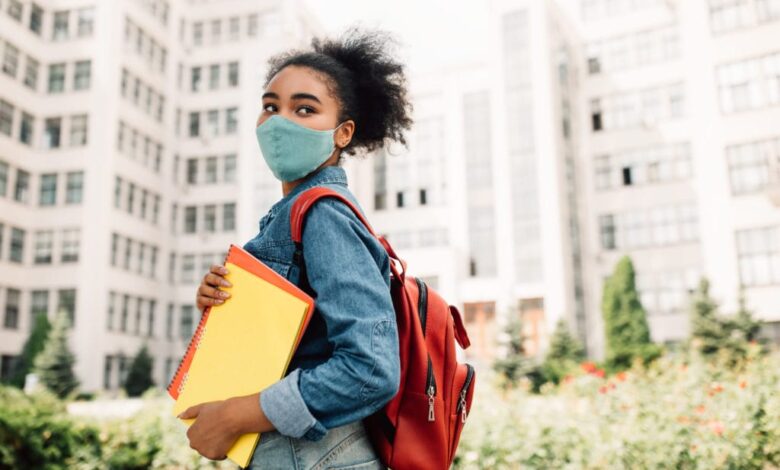
Colleges Reinstitute Mask Mandates Amid Coronavirus Case Spikes
Colleges reinstitute mask mandates amid coronavirus case spikes sets the stage for this enthralling narrative, offering readers a glimpse into a story that is rich in detail and brimming with originality from the outset. The recent surge in COVID-19 cases on college campuses across the country has prompted many institutions to reinstate mask mandates, a move that has sparked a range of reactions from students, faculty, and the wider community.
This decision comes amidst a backdrop of rising case numbers, fueled by new variants, waning immunity, and increased social activity. The effectiveness of mask mandates in curbing the spread of the virus is a subject of ongoing debate, with some advocating for their widespread adoption while others raise concerns about their impact on campus culture and individual freedoms.
The Resurgence of COVID-19 on Campuses: Colleges Reinstitute Mask Mandates Amid Coronavirus Case Spikes
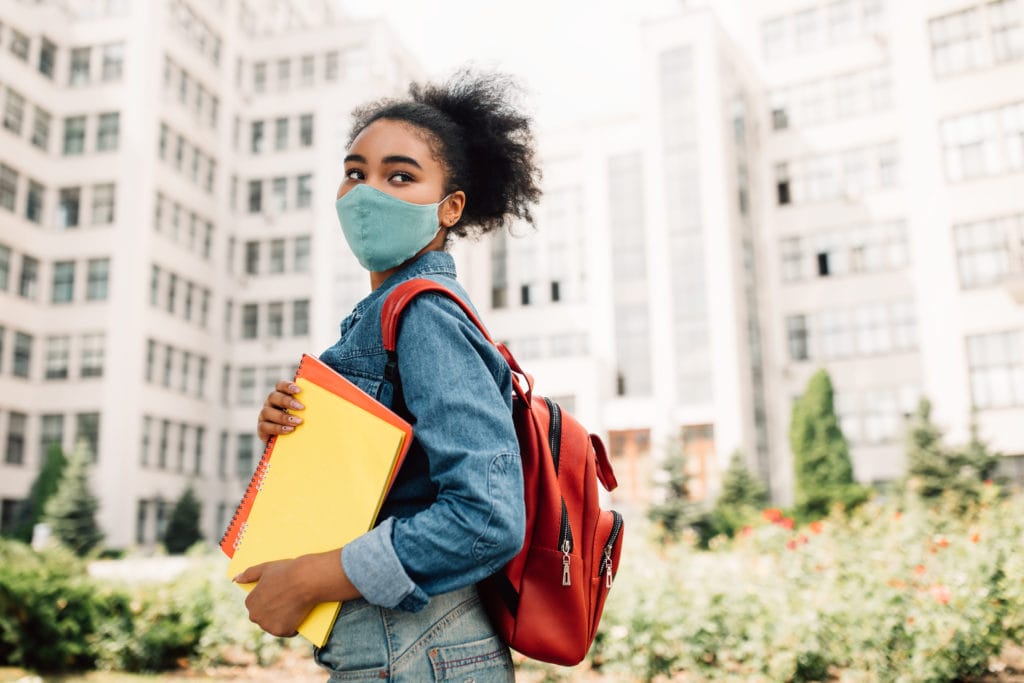
The return to in-person learning in the fall of 2023 brought with it a renewed sense of normalcy for many college students and faculty. However, this optimism was short-lived as a surge in COVID-19 cases began to sweep across campuses nationwide.
The rise in cases has prompted many universities to reinstate mask mandates, a move that has sparked debate and concern among students, faculty, and administrators.
Factors Contributing to the Surge
Several factors have contributed to the recent surge in COVID-19 cases on college campuses.
- The emergence of new variants, such as the highly transmissible Omicron subvariants, has driven a significant increase in infections. These variants are more adept at evading existing immunity, making them more likely to spread among vaccinated and boosted individuals.
- Waning immunity from previous vaccinations or infections has also played a role. As time passes, the effectiveness of vaccines against infection diminishes, leaving individuals more susceptible to the virus.
- Increased social activity, particularly among young adults, has provided fertile ground for the virus to spread. College campuses are often bustling with social gatherings, parties, and sporting events, all of which increase the likelihood of close contact and transmission.
Data on COVID-19 Cases at Universities
The resurgence of COVID-19 on campuses has been reflected in a sharp increase in case numbers, positivity rates, and hospitalizations.
- The University of Michigan, for example, reported a positivity rate of over 10% in early October 2023, with hundreds of new cases reported each day. This surge led to the university reinstating its mask mandate for all indoor spaces.
- At the University of California, Berkeley, the number of new cases has also risen dramatically, prompting the university to implement a similar mask mandate. In September 2023, Berkeley reported over 500 new cases in a single week, a significant increase from previous weeks.
- Similar trends have been observed at universities across the country, with many institutions reporting a surge in cases and implementing measures to mitigate the spread, such as increased testing, isolation protocols, and mask mandates.
The Impact of Mask Mandates
The reintroduction of mask mandates on college campuses has sparked debate about their effectiveness in curbing the spread of COVID-19. While some argue that masks are a necessary measure to protect public health, others question their efficacy and impact on individual freedoms.
It’s a familiar scene: colleges reinstituting mask mandates as COVID-19 cases surge. This situation reminds me of the importance of adaptability, one of the key 11 mindset traits of successful entrepreneurs. Just like entrepreneurs must navigate changing market conditions, students and institutions alike need to be flexible in their approach to public health measures, ensuring the safety and well-being of everyone on campus.
Examining the evidence surrounding mask mandates in educational settings can shed light on their impact and potential benefits.
Effectiveness of Mask Mandates in Educational Settings
Studies have shown that mask mandates can significantly reduce the spread of COVID-19 in educational settings. A study published in the journal “JAMA Network Open” found that mask mandates were associated with a 70% reduction in COVID-19 cases among college students.
“The use of face masks is a simple and effective way to reduce the spread of COVID-19. Studies have shown that masks can significantly reduce the number of cases, hospitalizations, and deaths.”
Centers for Disease Control and Prevention
Another study by the CDC found that mask mandates in schools were associated with a 35% reduction in COVID-19 cases among students and staff. These findings highlight the potential of mask mandates to protect vulnerable populations and reduce the burden on healthcare systems.
Examples of Colleges with Successful Mask Mandates
Several colleges have successfully implemented mask mandates and witnessed a reduction in COVID-19 cases. For example, the University of California, Berkeley, implemented a mask mandate in the fall of 2020, which was associated with a significant decline in COVID-19 cases on campus.
Similarly, Harvard University’s mask mandate, which was implemented in the fall of 2021, was credited with helping to prevent a major outbreak on campus. These examples demonstrate that mask mandates can be effective in curbing the spread of COVID-19 in educational settings.
Effectiveness of Different Mask Types
The effectiveness of masks in preventing the spread of COVID-19 can vary depending on the type of mask used. N95 respirators are considered the most effective type of mask, as they filter out at least 95% of airborne particles.
Surgical masks are also effective in preventing the spread of respiratory droplets, while cloth masks provide a lower level of protection.
“N95 respirators are the most effective type of mask for preventing the spread of COVID-19, as they filter out at least 95% of airborne particles.”
Centers for Disease Control and Prevention
The choice of mask should be based on the level of risk and the individual’s needs. In high-risk settings, such as healthcare facilities or crowded indoor spaces, N95 respirators are recommended. In lower-risk settings, surgical masks or cloth masks may be sufficient.
Student and Faculty Reactions
The reinstitution of mask mandates on college campuses has elicited a wide range of reactions from students and faculty, with varying degrees of acceptance, apprehension, and resistance. While some view it as a necessary step to mitigate the spread of COVID-19, others express concerns about its impact on campus culture, personal freedom, and the effectiveness of the measure.
Concerns and Anxieties
The reintroduction of mask mandates has raised various concerns and anxieties among students and faculty. One prominent concern is the potential infringement on personal privacy. Some individuals argue that mandatory mask-wearing represents an intrusion into their personal space and autonomy.
Additionally, there are concerns about the comfort and practicality of wearing masks for extended periods, particularly in classrooms and other indoor settings. Some individuals may experience discomfort due to breathing difficulties, skin irritation, or the feeling of being restricted. Furthermore, there are questions about the effectiveness of masks in preventing the spread of COVID-19, with some individuals questioning their ability to provide adequate protection.
Public Health Considerations
The reinstitution of mask mandates in educational settings raises complex ethical and public health considerations. Colleges and universities have a responsibility to protect the health and safety of their students, faculty, and staff, and to ensure the continuity of their academic operations.
While mask mandates may be seen as an infringement on personal liberty, they are often necessary to mitigate the spread of infectious diseases and to prevent the overburdening of healthcare systems.
The Ethical Implications of Mask Mandates, Colleges reinstitute mask mandates amid coronavirus case spikes
The ethical implications of mask mandates are multifaceted. On one hand, there is a strong ethical imperative to protect public health and prevent the spread of infectious diseases. This principle is often invoked to justify mandatory vaccination programs and other public health interventions.
On the other hand, there are concerns about individual autonomy and the right to make personal choices about one’s health. Some individuals may object to mask mandates on religious or philosophical grounds, while others may find them inconvenient or uncomfortable.
The Role of Colleges and Universities in Protecting Public Health
Colleges and universities have a unique role to play in protecting public health. They are responsible for the health and safety of their students, faculty, and staff, and for the continuity of their academic operations. During a pandemic, these institutions must balance the need to provide a safe and healthy learning environment with the need to maintain academic integrity and ensure the accessibility of education.
The Potential Long-Term Consequences of COVID-19
The long-term consequences of COVID-19 are still being studied, but there is growing evidence that the virus can have lasting effects on health. Some individuals may experience “long COVID,” a condition characterized by persistent symptoms such as fatigue, shortness of breath, and cognitive impairment.
In addition, the pandemic has had a significant impact on mental health, leading to increased rates of anxiety, depression, and substance abuse.
The Importance of Public Health Measures in Educational Settings
Public health measures, such as mask mandates, are essential for protecting the health and safety of students, faculty, and staff in educational settings. These measures help to reduce the transmission of infectious diseases, prevent the spread of misinformation, and promote a culture of health and well-being.
Alternative Strategies and Mitigation Measures
While mask mandates have been a key tool in combating the spread of COVID-19, they are not the only strategy available. Colleges and universities are exploring alternative approaches to protect their communities, particularly as concerns arise about mask fatigue and the desire for a sense of normalcy.
These strategies focus on a multi-layered approach, combining various measures to create a comprehensive defense against the virus.
Vaccination
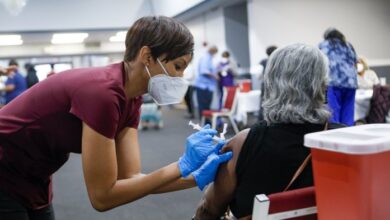
Vaccination remains the most effective tool in reducing the severity of COVID-19 and preventing hospitalizations and deaths. Encouraging high vaccination rates among students, faculty, and staff is crucial for protecting campus communities. Universities are implementing various strategies to increase vaccination rates, including:
- Incentives and Outreach:Offering incentives like gift cards, free food, or lottery entries for vaccinated individuals can motivate hesitant individuals to get vaccinated. Universities can also host vaccination clinics on campus, making it convenient for students and staff to get vaccinated.
It’s frustrating to see colleges reinstitute mask mandates amid coronavirus case spikes, especially when it feels like we’re constantly being asked to sacrifice our freedoms for the sake of public health. I wonder if the same level of urgency will be applied to other pressing issues, like reproductive rights.
Where are the voices of the billionaires who claim to support women’s choices? Will the pro-abortion rights billionaires please stand up and use their immense resources to fight for what they believe in? Maybe then we’d see the same kind of widespread action and support that we’re witnessing with these new mask mandates.
- Information Campaigns:Providing accurate and accessible information about vaccines, addressing common concerns, and dispelling myths can help build trust and encourage vaccination. Universities can partner with local health officials and medical professionals to create credible information campaigns.
- Vaccination Requirements:Some universities have implemented mandatory vaccination policies, requiring students and staff to be fully vaccinated before attending classes or working on campus. This approach has been successful in increasing vaccination rates, but it has also faced legal challenges and raised concerns about equity and access.
Testing
Regular testing can help identify infected individuals early, allowing for isolation and contact tracing to prevent further spread. Universities are using various testing strategies:
- Surveillance Testing:Regular testing of the entire campus population, regardless of symptoms, can help detect asymptomatic cases and identify potential outbreaks early. This approach requires significant resources and logistical planning.
- Symptomatic Testing:Testing individuals who exhibit COVID-19 symptoms can help identify infected individuals and prevent them from spreading the virus. This approach relies on individuals reporting their symptoms and seeking testing, which can be challenging.
- Targeted Testing:Testing specific populations, such as athletes or students living in residence halls, can help identify and contain outbreaks in high-risk groups. This approach requires careful planning and data analysis to identify the most vulnerable groups.
Social Distancing
Maintaining physical distance remains a critical strategy for reducing the spread of COVID-
19. Universities are adapting their spaces and activities to promote social distancing
It’s a strange time to be back in school, with colleges reinstituting mask mandates amid rising COVID cases. It feels like we’re constantly being bombarded with information, and it’s hard to know what to trust. It reminds me of how influencers hype crypto without disclosing their financial ties, a practice that’s becoming increasingly common.
It’s important to be critical of the information we consume, especially when it comes to our health and finances. So, while I’m happy to be back in class, I’m also keeping a close eye on the news and making sure I’m staying informed.
- Classroom Modifications:Reducing class sizes, using larger classrooms, and implementing staggered schedules can help maintain physical distance in classrooms. Universities can also utilize hybrid learning models, combining in-person and online instruction to reduce density.
- Event Restrictions:Limiting the number of attendees at large gatherings, such as concerts, sporting events, and conferences, can help prevent the spread of the virus. Universities can also encourage virtual or outdoor events whenever possible.
- Signage and Reminders:Clear signage and reminders throughout campus can encourage students, faculty, and staff to maintain physical distance, wear masks, and practice good hygiene.
Ventilation and Air Filtration
Improving ventilation and air filtration systems can help reduce the concentration of airborne virus particles in indoor spaces. Universities are investing in upgrades to their HVAC systems, including:
- Increased Air Exchange Rates:Increasing the frequency of air changes in classrooms, lecture halls, and other indoor spaces can help remove contaminated air. Universities can also install air purifiers with HEPA filters to further reduce the concentration of virus particles.
- Air Filtration Systems:Installing high-efficiency particulate air (HEPA) filters in HVAC systems can capture airborne virus particles and reduce their spread. Universities can also consider using portable HEPA filters in high-traffic areas.
- Ventilation System Maintenance:Regular maintenance of ventilation systems, including cleaning and replacing filters, is essential for ensuring their effectiveness in reducing the spread of COVID-19.
Looking Ahead
The recent surge in COVID-19 cases on college campuses has prompted renewed concern about the future of the pandemic in this setting. While the situation is fluid and unpredictable, understanding the potential trajectory of the virus, the role of ongoing research, and the strategies colleges can implement to prepare for future outbreaks is crucial.
The Potential Trajectory of COVID-19 on Campuses
The future of COVID-19 on college campuses is heavily dependent on several factors, including the emergence of new variants, vaccination rates, and public health measures.
- New Variants:The emergence of new variants with increased transmissibility or immune evasion could pose a significant challenge. For example, the Omicron variant, which emerged in late 2021, quickly became dominant due to its high transmissibility. If new variants emerge that are even more transmissible or can evade current vaccines, outbreaks on campuses could become more frequent and severe.
- Vaccination Rates:Vaccination rates among students and faculty are crucial in mitigating the spread of COVID-19. High vaccination rates can significantly reduce the risk of severe illness and death, and can also help to slow the spread of the virus. However, low vaccination rates, especially among young adults, can contribute to outbreaks.
The availability of vaccines for children under 5 years old is also a critical factor, as it could further reduce transmission on campuses.
- Public Health Measures:The implementation of public health measures such as mask mandates, testing, and social distancing can significantly impact the spread of COVID-19. While these measures can be controversial, they can be effective in slowing the spread of the virus, particularly in crowded campus environments.
The Role of Ongoing Research and Vaccine Development
Ongoing research and vaccine development play a crucial role in shaping the future of COVID-19 on campuses.
- New Treatments and Vaccines:The development of new treatments and vaccines that are more effective against emerging variants is essential. Research into antiviral medications and next-generation vaccines is ongoing, with promising results. For example, Paxlovid, an antiviral medication, has been shown to be effective in reducing the risk of hospitalization and death in high-risk individuals.
- Long-Term Impact of COVID-19:Research is also underway to understand the long-term health impacts of COVID-19, including long COVID. This research is essential for developing strategies to manage and treat individuals experiencing long-term symptoms.
- Surveillance and Monitoring:Continued surveillance and monitoring of COVID-19 variants and transmission patterns are essential for informing public health decision-making. Genomic sequencing of virus samples helps identify emerging variants and track their spread. This information can be used to guide vaccine development and public health interventions.
Preparing for Future Outbreaks
Colleges and universities can take several steps to prepare for potential future outbreaks of COVID-19.
- Maintain Robust Testing Programs:Continued access to regular and rapid testing is essential for early detection of cases and containment of outbreaks. Colleges should maintain robust testing programs, including asymptomatic testing, to identify infected individuals who may not be showing symptoms.
- Strengthen Ventilation and Air Filtration Systems:Improving ventilation and air filtration systems in classrooms and other campus buildings can help reduce the spread of the virus. Colleges should invest in upgrading their HVAC systems and ensuring adequate air exchange rates.
- Develop Flexible Response Plans:Colleges should develop flexible response plans that can be quickly implemented in the event of an outbreak. These plans should include options for remote learning, temporary campus closures, and other measures to mitigate the spread of the virus.
- Promote Vaccination and Booster Shots:Colleges should continue to promote vaccination and booster shots among students, faculty, and staff. This includes providing convenient access to vaccines, offering incentives, and addressing vaccine hesitancy.
- Collaborate with Local Public Health Officials:Close collaboration with local public health officials is crucial for effective response to outbreaks. Colleges should establish strong relationships with public health authorities and follow their guidance.
Ending Remarks
As we navigate the ongoing COVID-19 pandemic, the decision to reinstitute mask mandates on college campuses is a complex one. Balancing public health concerns with individual liberties and the desire for a vibrant campus community is a challenge that institutions must grapple with.
The path forward will likely involve a combination of strategies, including vaccination, testing, and social distancing, as well as ongoing monitoring of case numbers and the evolution of the virus. The future of COVID-19 on college campuses remains uncertain, but by learning from the experiences of the past, we can work towards creating a safer and healthier environment for all.