
Analysis: Zuckerberg Still Controls Facebook Too Much
Analysis zuckerberg still has too much control of facebook – Analysis: Zuckerberg Still Controls Facebook Too Much. Mark Zuckerberg, the founder and CEO of Facebook, has wielded immense power over the social media giant since its inception. From his early vision of connecting the world to his strategic acquisitions and product decisions, Zuckerberg’s influence has shaped Facebook’s trajectory, leading to both unprecedented growth and significant controversies.
This essay delves into the intricate web of Zuckerberg’s control, exploring its historical evolution, examining the current governance structure, and analyzing its impact on users and society. We’ll scrutinize the arguments for and against decentralizing control over Facebook, exploring potential solutions and future directions for a more balanced and user-centric platform.
Zuckerberg’s Control Over Facebook: Analysis Zuckerberg Still Has Too Much Control Of Facebook
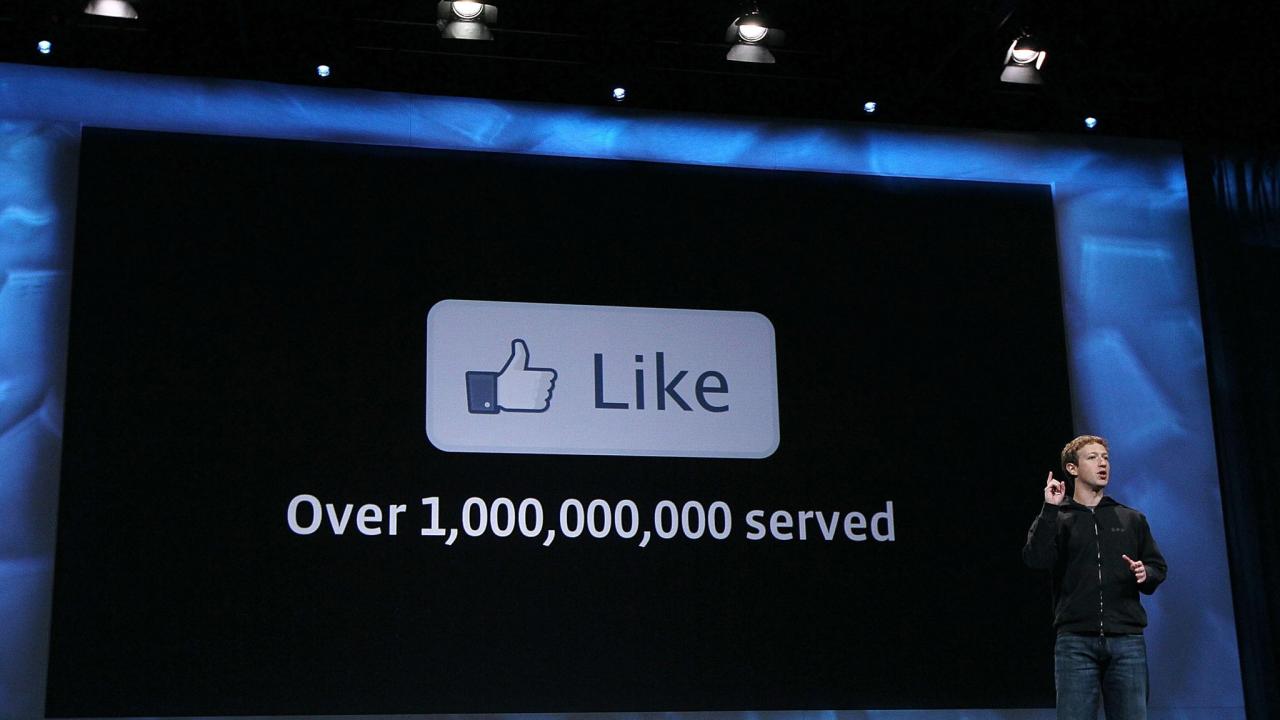
Mark Zuckerberg’s influence over Facebook, now Meta, has been a subject of intense scrutiny and debate. From its inception as a Harvard dorm project to its global dominance, Zuckerberg’s vision and leadership have shaped the company’s trajectory. Examining the evolution of his control offers insights into the dynamics of power within a tech giant.
Zuckerberg’s Early Control
Zuckerberg’s control over Facebook began with its founding in 2004. As the primary architect of the platform, he held the majority of the voting shares, giving him significant power in decision-making. This initial control was further solidified by the company’s early success, fueled by Zuckerberg’s vision to connect people and create a global community.
Key Events and Decisions
Several key events and decisions cemented Zuckerberg’s control over Facebook:
- The acquisition of Instagram and WhatsApp:These strategic acquisitions in 2012 and 2014 expanded Facebook’s reach and dominance in social media, strengthening Zuckerberg’s position as the leader of a vast digital empire.
- The Cambridge Analytica scandal:Although this event raised concerns about data privacy and Zuckerberg’s leadership, it also highlighted his ability to weather controversies and maintain his control. The company’s response, while criticized, demonstrated Zuckerberg’s resolve to navigate challenges and retain his grip on the platform.
- The Facebook Oversight Board:This independent body was established in 2020 to review Facebook’s content moderation decisions, providing a layer of oversight. However, Zuckerberg retains significant influence over the board’s composition and its mandate, ensuring that his vision remains central to the platform’s operations.
The analysis of Zuckerberg’s control over Facebook raises serious questions about transparency and accountability. It’s a reminder that influence can be wielded in many ways, even through seemingly innocuous actions. Take, for instance, the recent news of a retired general being investigated over undisclosed lobbying for Qatar retired general investigated over undisclosed lobbying for qatar.
These instances highlight the need for greater scrutiny of power dynamics, especially when they involve individuals or organizations with vast resources and influence.
Zuckerberg’s Vision and Leadership
Zuckerberg’s vision for Facebook has been a driving force behind the company’s growth and direction. His focus on connecting people, fostering a sense of community, and enabling communication across borders has shaped the platform’s features and functionalities. He has also been a proponent of technological advancements, investing heavily in artificial intelligence, virtual reality, and the metaverse.
The Structure of Facebook’s Governance
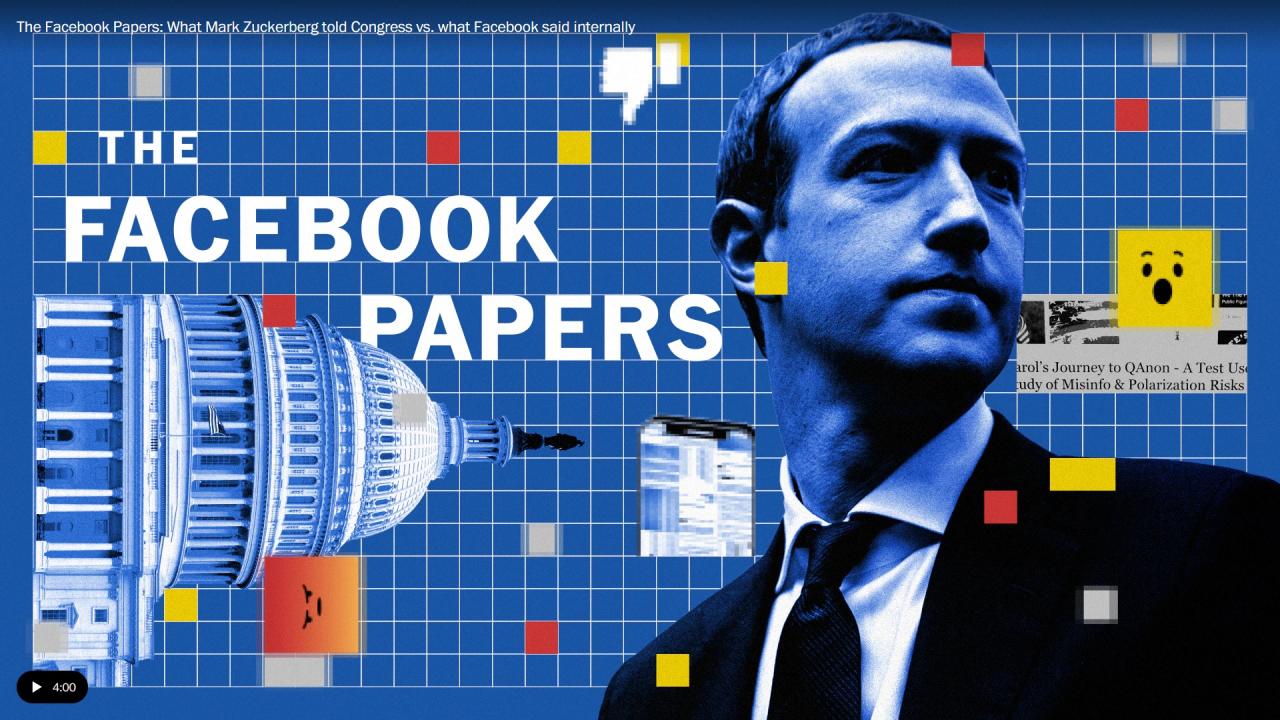
Facebook’s governance structure, like its sprawling digital empire, is a complex and often criticized entity. At the heart of this structure lies Mark Zuckerberg, wielding significant power and control over the company’s direction. Understanding this structure is crucial for assessing the potential for change and the influence of external stakeholders.
The analysis that Zuckerberg still has too much control of Facebook is a concerning one, especially considering the platform’s global reach. It’s a stark reminder of the potential for abuse of power, and it’s worth considering the recent revelations about how Binance built ties to an FSB-linked agency, as reported in this article.
These types of connections raise serious questions about the influence and control that individuals and entities can exert over powerful platforms, and it’s crucial to continue analyzing the potential consequences of such power dynamics.
The Board of Directors and Zuckerberg’s Position
Facebook’s board of directors, tasked with overseeing the company’s strategic direction and management, has a significant role in shaping its future. However, Zuckerberg’s influence extends beyond his role as CEO. He holds the position of Chairman of the Board, giving him a powerful voice in all board decisions.
Zuckerberg’s Voting Power and its Influence on Decision-Making, Analysis zuckerberg still has too much control of facebook
Zuckerberg’s control extends further through his ownership of Class A shares, which grant him 10 votes per share. This structure gives him a significant voting advantage over other shareholders, effectively giving him veto power over any decisions he opposes.
“Zuckerberg’s control is not merely symbolic. His voting power gives him the ability to effectively block any changes to the company’s structure or direction that he does not agree with.”
The analysis that Zuckerberg still has too much control over Facebook is concerning, especially considering the platform’s potential for amplifying harmful content. It’s hard to ignore the rise of extremist ideologies like christian nationalism in some GOP campaigns , which are often spread through social media.
While Facebook has taken steps to address misinformation, the sheer size and reach of the platform make it difficult to effectively moderate all content, leaving Zuckerberg with a significant amount of power over the information we consume.
Comparison with Other Tech Giants
Facebook’s governance structure differs significantly from other tech giants. While companies like Google and Apple have dual-class share structures, Zuckerberg’s control over Facebook is unparalleled. This concentration of power raises concerns about accountability and transparency, as it limits the influence of other stakeholders.
Potential Solutions and Future Directions
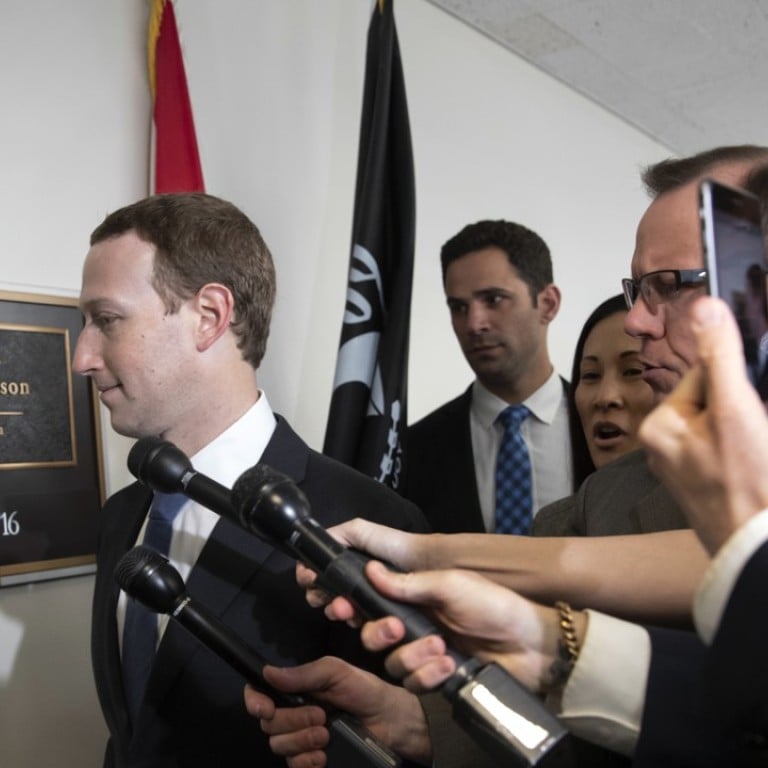
The concentration of power in the hands of a single individual, even with good intentions, poses inherent risks to the health and sustainability of a platform as influential as Facebook. Addressing these concerns requires a multi-pronged approach, encompassing governance reform, regulatory oversight, and technological innovation.
Governance Reform
A crucial step towards a more balanced and accountable Facebook is a restructuring of its governance framework. This involves shifting power away from Mark Zuckerberg and establishing a more independent and diverse board of directors.
- Independent Board:A truly independent board with diverse representation from various sectors (technology, academia, civil society) can provide a more objective and balanced perspective on company decisions. This board should have the authority to oversee the CEO and hold them accountable for their actions.
- Dual-Class Share Structure:Facebook’s current dual-class share structure gives Zuckerberg disproportionate voting power, effectively granting him veto power over any significant changes to the company. This structure should be reevaluated to ensure a more equitable distribution of voting rights and empower shareholders to have a greater say in the company’s direction.
- Transparency and Accountability:Increased transparency in decision-making processes and financial reporting is essential to build trust and accountability. This can be achieved through regular public reports, independent audits, and accessible data on platform operations.
Regulatory Frameworks
While self-regulation has its limitations, a comprehensive regulatory framework can provide a necessary external check on Facebook’s power. This framework should address concerns related to data privacy, content moderation, and anti-competitive practices.
- Data Privacy:Robust data privacy regulations, such as the European Union’s General Data Protection Regulation (GDPR), can empower users to control their data and limit Facebook’s ability to exploit personal information for commercial purposes. This can be achieved through stricter data collection and use policies, increased transparency about data handling, and user rights to access, modify, and delete their data.
- Content Moderation:Clear guidelines and regulations regarding content moderation can help ensure that Facebook takes responsibility for harmful content on its platform. This can include addressing issues like hate speech, misinformation, and online harassment. Independent oversight mechanisms can be implemented to monitor and evaluate the effectiveness of content moderation policies.
- Anti-Competitive Practices:Regulations can address concerns related to Facebook’s dominance in the social media market and its potential to stifle competition. This can involve measures like prohibiting anti-competitive acquisitions, promoting interoperability between platforms, and ensuring fair access to data and advertising markets.
Technological Advancements
Emerging technologies like blockchain and decentralized autonomous organizations (DAOs) offer promising avenues for creating more decentralized and user-centric social media platforms.
- Blockchain:Blockchain technology can facilitate the creation of decentralized social media platforms where data ownership and control reside with users rather than a centralized entity. This can empower users to manage their own data, control their privacy, and participate in the platform’s governance.
- DAOs:Decentralized autonomous organizations (DAOs) can enable community-owned and governed social media platforms. DAOs use smart contracts to automate platform operations and decision-making, eliminating the need for a centralized authority. This can foster greater transparency, accountability, and user participation in platform development and management.
Closing Notes
In conclusion, the question of Zuckerberg’s control over Facebook remains a complex and multifaceted issue. While his vision and leadership have undeniably contributed to Facebook’s success, the concentration of power in his hands raises concerns about transparency, accountability, and the potential for misuse.
Decentralization, though challenging, offers a potential path toward a more equitable and user-empowered future for Facebook. The journey towards a more balanced social media landscape will require a collective effort involving policymakers, technologists, and users alike.