Sanctions Will Devastate Russias Economy
Sanctions will have a devastating impact on russia – Sanctions Will Devastate Russia’s Economy, a phrase that echoes through the halls of international diplomacy, has become a reality. The impact of these sanctions is rippling through the Russian economy, affecting everything from the value of the ruble to the availability of essential goods.
This isn’t just an economic story; it’s a story about the potential for political upheaval, social unrest, and a reshaping of the global power dynamic.
The sanctions are designed to cripple Russia’s ability to wage war, but their consequences are far-reaching. Industries reliant on international trade are facing crippling shortages, while ordinary citizens are struggling with rising prices and dwindling access to basic necessities. The ripple effect is undeniable, and it’s prompting many to question the long-term implications of this economic warfare.
Social Impact: Sanctions Will Have A Devastating Impact On Russia
The sanctions imposed on Russia have far-reaching consequences for its people, affecting their daily lives and overall well-being. While the primary goal of sanctions is to exert pressure on the Russian government, the impact on ordinary citizens is undeniable.
It’s hard to ignore the impact of sanctions on Russia, but it’s important to remember that these are complex issues with far-reaching consequences. While the world watches the unfolding crisis, it’s also worth noting that President Biden is set to issue a policing order on the anniversary of George Floyd’s killing, a move that aims to address systemic racism and police brutality in the US.
This highlights how domestic and international issues are intertwined, and that the consequences of sanctions on Russia will be felt both within the country and globally.
Access to Essential Goods and Services
Sanctions have significantly disrupted supply chains, leading to shortages of essential goods like food, medicine, and electronics. The limited availability of these items has driven up prices, making it difficult for many Russians to afford basic necessities. For example, the price of imported goods has risen sharply due to disruptions in trade and logistics.
Additionally, the availability of imported medicine has become a serious concern, particularly for patients with chronic illnesses who rely on specialized medications.
International Response
The international response to the sanctions imposed on Russia has been swift and multifaceted, reflecting a global condemnation of the invasion of Ukraine. While many countries have joined in imposing sanctions, the intensity and scope of these measures vary considerably.
This diverse response highlights the complex geopolitical landscape and the varying degrees of dependence on Russia’s economy.
Comparison of Responses, Sanctions will have a devastating impact on russia
The international response to the sanctions on Russia has been characterized by a spectrum of actions, ranging from comprehensive economic restrictions to more targeted measures.
- United States:The US has imposed a wide range of sanctions, including targeting Russian banks, key individuals, and exports of critical technologies. Notably, the US has also frozen the assets of the Russian Central Bank, aiming to cripple the Russian financial system.
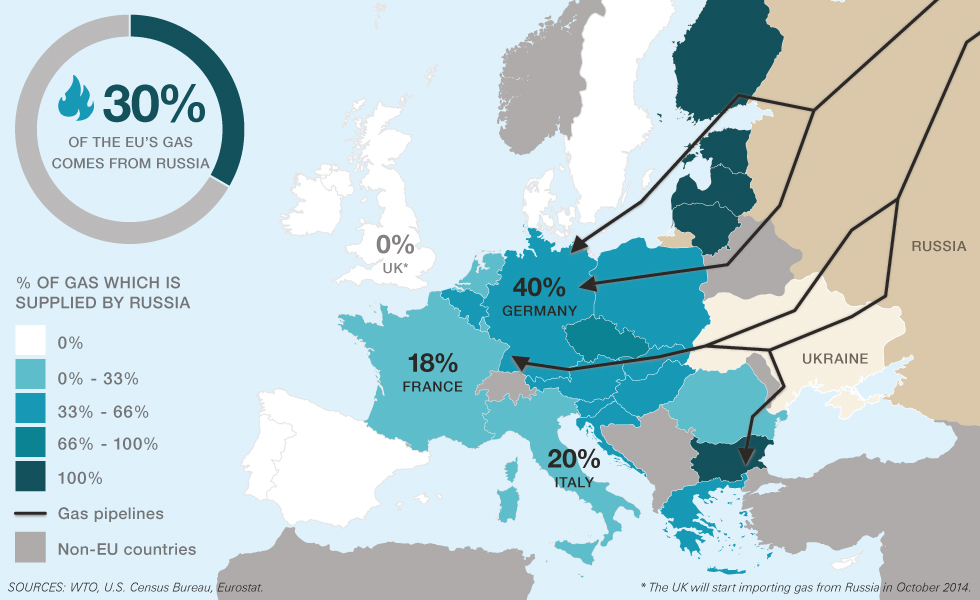
- European Union:The EU has implemented a comprehensive package of sanctions, including restrictions on trade, financial transactions, and travel. The EU has also pledged to phase out its dependence on Russian energy, a significant challenge given its reliance on Russian oil and gas.
- United Kingdom:The UK has taken a similarly robust stance, imposing sanctions on Russian banks, individuals, and companies. The UK has also pledged to support Ukraine militarily and financially.
- Japan:Japan has joined the US and EU in imposing sanctions, including asset freezes and export restrictions. Japan has also announced plans to phase out its reliance on Russian energy.
- China:China, while maintaining its close relationship with Russia, has been more cautious in its response. China has not joined the US and EU in imposing comprehensive sanctions but has expressed concerns about the conflict and called for a peaceful resolution.
Categorization of Sanctions
The sanctions imposed on Russia can be broadly categorized based on their target and scope:
- Financial Sanctions:These sanctions aim to restrict access to financial markets, freeze assets, and disrupt financial transactions. Examples include blocking Russian banks from the SWIFT system and freezing the assets of key individuals and entities.
- Trade Sanctions:These sanctions target specific goods and services, restricting exports and imports. Examples include bans on exports of technology and restrictions on imports of Russian oil and gas.
- Travel Sanctions:These sanctions restrict travel to and from Russia, targeting individuals and entities. Examples include bans on Russian officials from entering certain countries.
- Military Sanctions:These sanctions target the Russian military, restricting the supply of weapons and other military equipment. Examples include bans on exports of defense technology and restrictions on military cooperation.
Table of Sanctions
| Country/Organization | Date of Implementation | Target | Intended Impact |
|---|---|---|---|
| United States | February 24, 2022 | Russian banks, individuals, and exports of critical technologies | Disrupt the Russian financial system and economy, hinder technological development |
| European Union | February 24, 2022 | Trade, financial transactions, and travel | Isolate Russia economically and politically, pressure the Russian government |
| United Kingdom | February 24, 2022 | Russian banks, individuals, and companies | Restrict Russian access to financial markets, weaken the Russian economy |
| Japan | February 24, 2022 | Russian banks, individuals, and exports of critical technologies | Disrupt Russian financial transactions, hinder Russian technological development |
| China | February 24, 2022 | Limited sanctions on specific individuals and entities | Express concerns about the conflict, avoid further escalation |
Last Point
The impact of sanctions on Russia is a complex and evolving situation. While the immediate consequences are clear, the long-term implications remain uncertain. The world is watching closely as the Russian economy grapples with the effects of these unprecedented measures.
Whether the sanctions will ultimately achieve their intended goals or lead to unintended consequences remains to be seen. One thing is certain: the world will be forever changed by this moment in history.
The sanctions imposed on Russia are already having a devastating impact on its economy, and the situation is only likely to worsen. While the world watches in horror at the unfolding events, the former GOP lawmaker hearings are painting a picture of Trump as abandoned, isolated, and nearly solely responsible for the current crisis, as reported in this recent article.
This adds another layer of complexity to the already volatile situation, as the world grapples with the potential consequences of the sanctions on Russia.
The economic sanctions imposed on Russia are undeniably biting, impacting their ability to access essential goods and services. While the global consumer landscape is seeing a shift away from a goods-heavy buying spree, as evidenced by the recent shift towards services spending , Russia’s situation is quite different.
Their ability to sustain their economy and maintain essential services is being severely tested by the ongoing sanctions, and the long-term consequences are likely to be devastating.