Dry Weather Forecast Calls for Higher Food Prices and Billions in Farm Losses
Dry Weather Forecast Calls for Higher Food Prices and Billions in Farm Losses: A stark warning from climate scientists predicts a future where droughts become more frequent and severe, leading to devastating consequences for agriculture. This isn’t just a story about crops failing – it’s a story about empty shelves, rising prices, and the potential for global food insecurity.
From wheat fields in the United States to rice paddies in Asia, the impact of dry weather ripples across the globe, affecting everyone from farmers to consumers.
The consequences of these droughts are far-reaching. Reduced crop yields lead to higher food prices, impacting the most vulnerable populations first. Farmers face financial ruin, as their livelihoods are destroyed by a lack of water. The entire food system, from production to distribution, is disrupted, leading to a ripple effect that extends far beyond the fields.
Impact on Food Production
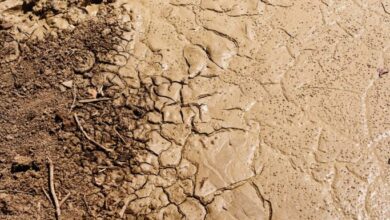
Dry weather, particularly prolonged droughts, can have devastating effects on agricultural production, leading to reduced crop yields and food shortages. This impact is felt across various staple foods, including wheat, rice, and corn, which form the foundation of diets worldwide.
Impact on Crop Yields, Dry weather forecast calls for higher food prices and billions in farm losses
Dry weather directly affects crop yields by limiting the availability of water, which is essential for plant growth and development.
The dry weather forecast is a grim reminder of the fragility of our food system. With rising temperatures and dwindling water supplies, we’re facing higher food prices and billions in farm losses. It’s a stark contrast to the seemingly carefree world of crypto influencers, who often promote coins without disclosing their financial ties, as detailed in this recent article how influencers hype crypto without disclosing their financial ties.
While some may be drawn to the allure of quick profits, the reality is that our food security is at stake, and we need to be mindful of the long-term consequences of climate change.
- Wheat: Wheat, a key source of carbohydrates, is highly sensitive to drought. Lack of moisture during crucial stages of growth, such as flowering and grain filling, can significantly reduce grain size and yield.
- Rice: Rice, another essential food staple, requires abundant water for its cultivation. Droughts can lead to reduced rice yields by affecting the availability of irrigation water and increasing the risk of salinity in rice paddies.
- Corn: Corn, a vital source of animal feed and human consumption, is also susceptible to drought stress. Dry conditions can lead to stunted growth, reduced pollination, and lower grain yields.
Historical Instances of Drought-Induced Food Shortages
The historical record is replete with examples of how droughts have led to food shortages and price spikes.
- The Dust Bowl (1930s): This severe drought in the United States resulted in widespread crop failures, dust storms, and mass migration from affected areas. Food prices soared, and the event is considered one of the most devastating agricultural disasters in American history.
- The Sahel Drought (1968-1984): This prolonged drought in the Sahel region of Africa caused widespread famine and death. Crop failures and livestock losses led to food insecurity and increased malnutrition.
Food Insecurity and Malnutrition
Drought-induced food shortages can have severe consequences for global food security and nutrition.
- Increased Food Prices: When crop yields decline, the supply of food decreases, leading to higher prices. This can make food inaccessible to vulnerable populations, particularly those living in poverty.
- Malnutrition: Food shortages and price increases can lead to food insecurity and malnutrition, especially among children and pregnant women. This can have long-term consequences for physical and cognitive development.
Economic Implications of Farm Losses
The impact of dry weather on agriculture extends far beyond reduced crop yields. The economic consequences ripple through entire communities, impacting farmers, rural economies, and the global food supply chain.
Estimated Economic Losses for Farmers
The economic losses incurred by farmers due to dry weather are substantial and vary depending on the region and the severity of the drought.
The dry weather forecast is a double whammy for consumers: not only will we see higher food prices, but farmers are bracing for billions in losses. It’s a stark reminder of how interconnected our world is, and how complex even seemingly simple issues can be.
For example, the debate over abortion rights, which is often portrayed as a binary issue, is actually far more nuanced than it appears. Americans favor abortion rights but its complicated , and the conversation needs to reflect that complexity.
Just like the weather, the issue of abortion is influenced by a myriad of factors, and finding solutions requires understanding and compromise.
- In 2021, the United States Department of Agriculture (USDA) estimated that drought-related losses in the U.S. agricultural sector reached $10 billion.
- In Australia, the 2019-2020 drought resulted in an estimated $10 billion loss for the agricultural industry.
- The 2011-2012 drought in East Africa led to an estimated $13 billion loss in agricultural production.
These figures highlight the significant financial burden that dry weather imposes on farmers.
Impact on Livestock Production
Dry weather significantly affects livestock production, leading to substantial losses in the animal agriculture industry.
- Reduced pasture availability forces farmers to rely heavily on expensive feed supplements, impacting their profitability.
- Water scarcity can lead to dehydration and heat stress in livestock, increasing mortality rates and reducing milk and meat production.
- Dry weather can also exacerbate the spread of diseases in livestock, further impacting production and profitability.
Impact on Agricultural Employment and the Rural Economy
The economic impact of dry weather extends beyond farm income, impacting agricultural employment and the overall rural economy.
- Farm closures and reduced production lead to job losses in agriculture and related industries, such as food processing and transportation.
- Reduced agricultural activity can lead to decreased demand for goods and services in rural communities, impacting local businesses and economies.
- The decline in farm income can also lead to a reduction in tax revenue for local governments, further straining public services in rural areas.
Government and Market Responses
The impact of dry weather on food prices and farm losses necessitates a multifaceted response involving both government intervention and market adjustments. Governments must take proactive measures to mitigate the negative consequences while ensuring food security and economic stability.
Government Interventions
Governments play a crucial role in stabilizing food prices and mitigating the impact of drought. A range of policies can be implemented to address the challenges posed by dry weather:
- Emergency Relief:Governments can provide direct financial assistance to farmers affected by drought, offering subsidies or grants to cover lost income and expenses. This can help farmers recover from losses and continue their operations.
- Crop Insurance:Implementing or expanding crop insurance programs can provide financial protection to farmers against drought-related losses. This helps farmers manage risk and reduces the impact of weather-related events on their livelihoods.
- Food Reserves:Governments can maintain strategic food reserves to buffer against potential food shortages. These reserves can be released into the market during periods of scarcity, helping to stabilize prices and ensure food security.
- Trade Policies:Governments can adjust trade policies to ensure access to food imports during periods of drought. This may involve reducing tariffs or eliminating trade barriers to facilitate the flow of food from other countries.
Market Interventions
Market mechanisms can also play a role in stabilizing food prices during droughts. Some common interventions include:
- Price Controls:Governments can impose price controls on essential food items to prevent excessive price increases. However, price controls can create unintended consequences, such as shortages or black markets.
- Subsidies:Governments can provide subsidies to consumers to offset the increased cost of food. This can help to ensure that low-income households have access to affordable food.
- Market Information:Providing accurate and timely market information to farmers, consumers, and traders can help to improve market transparency and reduce price volatility. This can help to prevent panic buying and ensure efficient allocation of resources.
Global Trade Dynamics
Drought-induced food shortages can significantly impact global trade dynamics. The following are some key considerations:
- Export Restrictions:Countries experiencing drought may impose export restrictions on food commodities to ensure domestic supply. This can disrupt global trade flows and increase prices in importing countries.
- Increased Demand:As food shortages emerge in drought-affected regions, demand for food imports from other countries increases. This can lead to higher prices globally as countries compete for limited supplies.
- Supply Chain Disruptions:Drought can disrupt supply chains, affecting the transportation and distribution of food products. This can lead to delays and shortages in various markets.
Climate Change and Future Trends
The recent dry weather events are not isolated incidents. They are part of a larger trend driven by climate change, which is causing more frequent and intense droughts around the world. This section explores the connection between climate change and droughts and examines the potential consequences for global food security.
Projected Impacts of Climate Change on Food Production and Prices
The Intergovernmental Panel on Climate Change (IPCC) has projected that climate change will significantly impact food production and prices. The IPCC’s Fifth Assessment Report (AR5) highlighted the following key findings:
- Increased frequency and intensity of droughts:Climate change is expected to increase the frequency and intensity of droughts, particularly in regions that are already water-stressed. This will lead to crop failures, reduced livestock productivity, and increased food prices.
- Changes in precipitation patterns:Climate change is altering precipitation patterns, leading to both increased rainfall in some regions and decreased rainfall in others. This will impact the availability of water for agriculture, potentially leading to both floods and droughts.
- Rising temperatures:Higher temperatures can negatively impact crop yields, as they can lead to heat stress, reduced photosynthesis, and increased pest and disease outbreaks. This can further exacerbate the effects of drought.
| Impact | Projected Change | Example |
|---|---|---|
| Global Crop Yield | -2% to
The dry weather forecast is a double whammy for consumers, with experts predicting higher food prices and billions in farm losses. While the government grapples with these challenges, Congress has passed a bill to overhaul the postal service and sent it to Biden for signature, a move that could impact the delivery of essential goods and services, including those related to agriculture. The impact of the dry weather forecast on food prices and farm losses is a serious concern, and it’s important to stay informed about these developments.
|
Wheat yields in the United States could decline by 10% to 20% by 2050 due to increased temperatures and drought. |
| Global Food Prices | +10% to +80% by 2050 | The price of maize could increase by 20% to 40% by 2050 due to reduced production and increased demand. |
| Global Food Security | Increased risk of hunger and malnutrition | In 2020, an estimated 2.37 billion people experienced moderate or severe food insecurity, and this number is projected to increase with climate change. |
“Climate change is projected to have a significant negative impact on food production, with potentially severe consequences for global food security.”
Intergovernmental Panel on Climate Change (IPCC)
Adaptation Strategies for Farmers
The impacts of dry weather on agriculture are significant, requiring farmers to adapt their practices to mitigate the effects of drought and ensure sustainable production. Implementing strategies that enhance water efficiency, promote drought-resistant crops, and leverage technology can help farmers build resilience and navigate the challenges of a changing climate.
Drought-Resistant Crops
Farmers can significantly reduce the impact of dry weather by cultivating drought-resistant crops that are better equipped to survive and thrive in water-limited environments. These crops have evolved adaptations that allow them to tolerate arid conditions and maintain yields despite water scarcity.
- Sorghum: A highly drought-tolerant cereal grain that can withstand prolonged periods of dryness. Its deep root system allows it to access water reserves that other crops cannot reach.
- Millet: Another drought-resistant cereal grain known for its ability to thrive in hot and dry conditions. It requires less water than other grains and is a staple food source in many arid regions.
- Chickpeas: A legume that is relatively drought-tolerant and can fix nitrogen from the air, reducing the need for nitrogen fertilizers. They are a good source of protein and are widely grown in dryland areas.
- Cowpea: A legume that can tolerate both drought and heat stress, making it a valuable crop in semi-arid regions. It is a source of protein and is often used as a fodder for livestock.
Water-Efficient Farming Techniques
Conserving water is crucial in dry weather, and farmers can employ various water-efficient farming techniques to maximize water use and minimize losses.
- Drip Irrigation: A highly efficient method that delivers water directly to the roots of plants, reducing evaporation and runoff. This technique allows for precise water application, ensuring that crops receive the optimal amount of water they need.
- Mulching: Applying a layer of organic material, such as straw or wood chips, to the soil surface helps retain moisture, suppress weeds, and regulate soil temperature.
- Conservation Tillage: Minimizing soil disturbance during planting and cultivation helps maintain soil structure and organic matter, which improves water infiltration and retention.
- Water Harvesting: Collecting rainwater and runoff through techniques like rainwater tanks and swales can supplement irrigation systems and provide a reliable water source during dry periods.
Technology and Innovation
Technology plays a vital role in enabling farmers to adapt to dry weather conditions.
- Precision Agriculture: Using sensors and data analytics to monitor soil moisture, crop health, and other factors allows farmers to optimize water use and apply inputs more efficiently.
- Remote Sensing: Satellite imagery and aerial drones can provide real-time information about crop conditions and water availability, enabling farmers to make informed decisions about irrigation and other management practices.
- Climate Modeling: Predictive models can help farmers anticipate drought conditions and plan accordingly, allowing them to adjust planting dates, select drought-resistant varieties, and implement water conservation measures in advance.
Closing Summary: Dry Weather Forecast Calls For Higher Food Prices And Billions In Farm Losses
The looming threat of drought highlights the urgency of addressing climate change. Investing in sustainable agricultural practices, developing drought-resistant crops, and adapting to a changing climate are essential steps to mitigate the impact of these weather extremes. The future of food security hinges on our ability to respond effectively to these challenges, ensuring that everyone has access to nutritious and affordable food.