
35 Simple and Fun 2nd Grade Science Experiments and Activities
35 Simple and Fun 2nd Grade Science Experiments and Activities is your guide to sparking a love for science in young learners! We’ll dive into hands-on experiments that bring the wonders of the world to life, all while making learning enjoyable and engaging for second graders.
Get ready to witness those lightbulb moments as kids explore the fascinating world of science through fun, interactive activities.
Imagine the excitement of watching a volcano erupt in your kitchen, or the thrill of building a simple circuit. These experiments are designed to ignite curiosity and nurture a lifelong passion for scientific discovery. Each experiment is carefully explained with easy-to-follow instructions, ensuring success and a sense of accomplishment for young scientists.
We’ll also explore ways to incorporate technology and create science journals to document observations and foster critical thinking skills.
Fun and Engaging Science Experiments for Second Graders: 35 Simple And Fun 2nd Grade Science Experiments And Activities
Second grade is a crucial time for children to develop their love for learning, and science provides an excellent platform for this. Hands-on activities are particularly effective in engaging young minds, fostering curiosity, and sparking a passion for exploration. Science experiments, in particular, offer a unique opportunity to make learning fun and memorable for second graders.By conducting simple yet engaging science experiments, second graders can delve into the world of science, observe phenomena, and develop critical thinking skills.
These experiments encourage them to ask questions, test hypotheses, and draw conclusions based on their observations. The process of experimentation helps them develop problem-solving skills, as they learn to identify problems, design solutions, and analyze results. Moreover, the visual and interactive nature of science experiments makes learning enjoyable and memorable.
Benefits of Science Experiments for Second Graders
Science experiments offer numerous benefits for second graders, nurturing their cognitive and social development. Here are some key advantages:
- Develops Critical Thinking Skills:Science experiments encourage children to think critically, analyze situations, and make informed decisions. They learn to question assumptions, test hypotheses, and draw conclusions based on evidence.
- Enhances Problem-Solving Abilities:The process of designing and conducting experiments helps children develop problem-solving skills. They learn to identify problems, brainstorm solutions, and evaluate the effectiveness of their approaches.
- Improves Observation Skills:Science experiments require meticulous observation and attention to detail. Children learn to observe patterns, identify changes, and record their findings accurately.
- Fosters Curiosity and a Love for Learning:Engaging science experiments pique children’s curiosity and ignite their passion for learning. The hands-on nature of these activities makes science more relatable and enjoyable.
- Promotes Teamwork and Collaboration:Many science experiments involve teamwork and collaboration. Children learn to work together, share ideas, and contribute to a common goal.
Simple and Fun Science Experiments
Science is all around us, and it can be exciting to learn about it through hands-on experiments. Second graders are at a perfect age to start exploring the world through science, and these experiments are designed to be both fun and educational.
Simple and Fun Science Experiments
These experiments are grouped by scientific concepts to make it easier to choose activities that align with your learning goals.
Teaching second graders about science can be a blast! From building volcanoes to exploring the properties of magnets, there are endless possibilities for hands-on learning. Of course, it’s important to keep things age-appropriate, and that’s where the challenge sometimes comes in.
While I’m busy planning my next set of science experiments for my daughter’s class, I’m also keeping an eye on the political landscape. It’s fascinating to see how issues like abortion, as discussed in this article on the Georgia senate race, how abortion is already animating the senate race in georgia , are influencing voters.
Back to science, I’m thinking of trying a simple experiment on the effects of different liquids on plant growth. Who knows, maybe my daughter will be the next Marie Curie!
| Experiment Name | Concept | Materials | Steps |
|---|---|---|---|
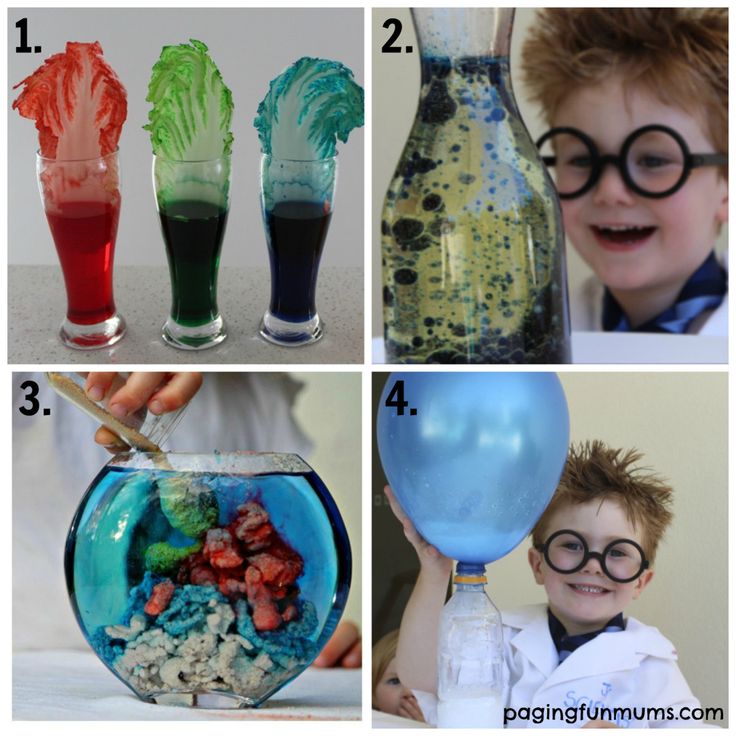
| Rainbow in a Jar | Density | • Honey • Dish soap • Water • Vegetable oil • Rubbing alcohol • Food coloring • Clear jar or glass | 1. Carefully pour honey into the jar. 2. Add dish soap, followed by water, vegetable oil, and rubbing alcohol. 3. Add a few drops of food coloring to each layer, except for the honey. 4. Observe the layers and how they separate. |
| Walking Water Experiment | Capillary Action | • Clear cups or glasses • Water • Food coloring • Paper towels | 1. Fill three cups with water and add different colors of food coloring to each. 2. Fold paper towels in half and place one end in a cup with colored water and the other end in an empty cup. 3. Observe the water moving through the paper towels and changing the color of the water in the empty cups. |
| Floating and Sinking | Buoyancy | • Various objects (e.g., cork, rock, plastic, metal) • Large bowl or tub of water | 1. Predict whether each object will float or sink. 2. Carefully place each object in the water and observe what happens. 3. Discuss why some objects float and others sink. |
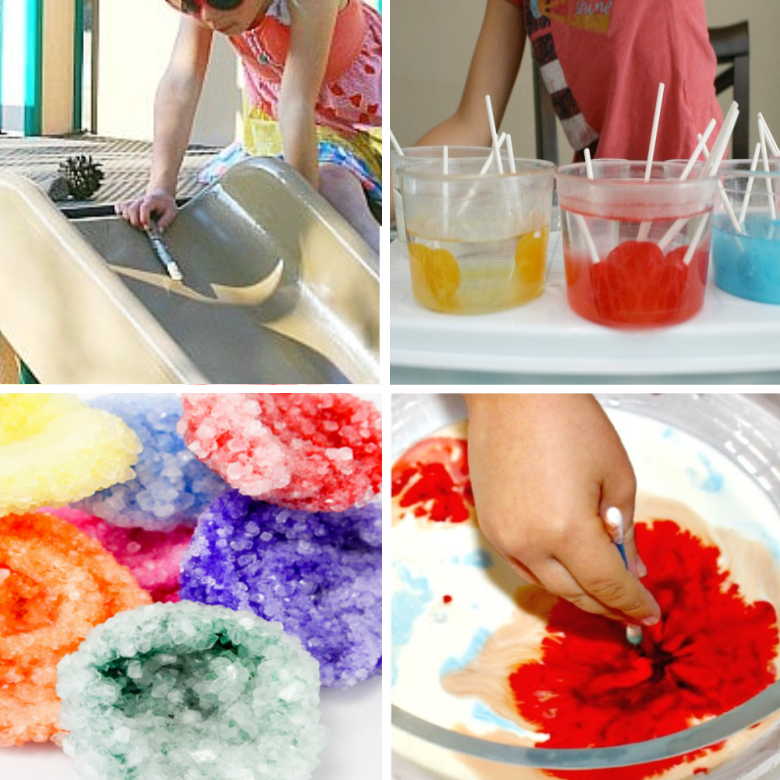
| Salt Crystal Experiment | Crystallization | • Salt • Warm water • String • Pencil or stick • Jar or glass | 1. Dissolve salt in warm water until no more dissolves. 2. Tie the string to the pencil and hang it in the jar, ensuring the string is submerged in the salt solution. 3. Leave the jar undisturbed for a few days and observe the salt crystals forming on the string. |
| Erupting Volcano | Chemical Reaction | • Baking soda • Vinegar • Red food coloring • Dish soap • Cardboard or clay to create a volcano shape | 1. Create a volcano shape using cardboard or clay. 2. Mix baking soda, red food coloring, and dish soap inside the volcano. 3. Pour vinegar into the volcano and observe the eruption. |
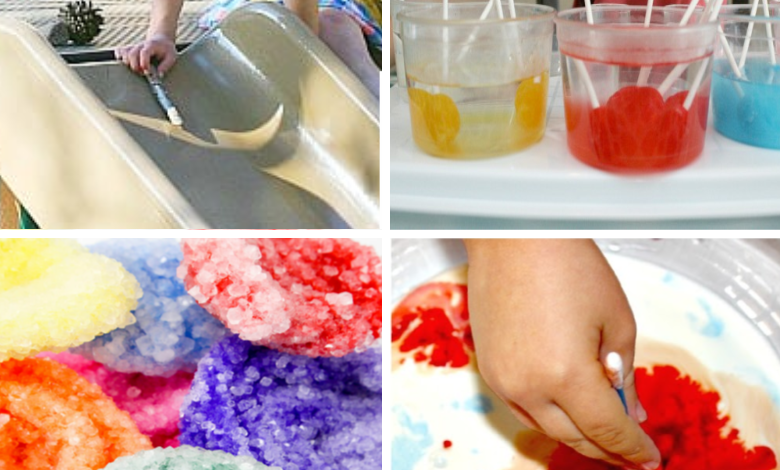
| Magic Milk Experiment | Surface Tension | • Milk • Dish soap • Cotton swab • Food coloring | 1. Pour a thin layer of milk into a shallow dish. 2. Add a few drops of different colored food coloring to the milk. 3. Dip a cotton swab into dish soap and touch the surface of the milk. Observe the colors swirling and moving. |
| Homemade Lava Lamp | Convection | • Clear bottle or jar • Vegetable oil • Water • Food coloring • Alka-Seltzer tablet | 1. Fill the bottle or jar about ¾ full with vegetable oil. 2. Add water to the bottle until it’s almost full. 3. Add a few drops of food coloring to the water. 4. Drop an Alka-Seltzer tablet into the bottle and observe the “lava” rising and falling. |
| Ice Melting Experiment | States of Matter | • Ice cubes • Salt • Two bowls | 1. Place an ice cube in each bowl. 2. Add salt to one of the bowls. 3. Observe which ice cube melts faster and discuss why. |
| Homemade Compass | Magnetism | • Bar magnet • Sewing needle • Cork or small piece of Styrofoam • Bowl of water | 1. Magnetize the sewing needle by rubbing it along the bar magnet in one direction. 2. Carefully place the needle on the cork or Styrofoam and float it in the bowl of water. 3. Observe which direction the needle points and discuss how it relates to the Earth’s magnetic field. |
| Balloon Rocket | Air Pressure | • Balloon • Straw • String or thread • Tape | 1. Inflate the balloon and pinch the opening closed. 2. Tape the straw to the balloon’s opening. 3. Thread the string through the straw and secure it to two points, creating a track for the balloon. 4. Release the balloon and observe it moving across the string. |
| Tornado in a Bottle | Rotation and Air Pressure | • Two plastic bottles • Water • Tape | 1. Fill one bottle about ¾ full with water. 2. Securely tape the two bottles together, mouth to mouth. 3. Gently swirl the bottle with water and observe the tornado-like vortex forming. |
| Make a Rainbow | Refraction of Light | • Clear glass of water • White paper • Sunlight | 1. Place the glass of water in direct sunlight. 2. Hold the white paper behind the glass. 3. Observe the rainbow that appears on the paper. |
| Homemade Slime | Polymer Chemistry | • White glue • Borax solution (dissolved in water) • Food coloring (optional) | 1. Mix equal parts white glue and borax solution in a bowl. 2. Add food coloring (optional) and stir until the slime forms. |
| Static Electricity | Static Electricity | • Balloon • Wool or fleece fabric | 1. Rub the balloon against the wool or fleece fabric. 2. Hold the balloon near your hair or small pieces of paper and observe the static electricity. |
| Homemade Battery | Electrochemistry | • Copper coin • Zinc nail • Lemon or potato • Wire with alligator clips | 1. Insert the copper coin and zinc nail into the lemon or potato. 2. Connect the wire to the coin and nail with alligator clips. 3. Connect the other end of the wire to a small light bulb or LED and observe if it lights up. |
| Seed Germination Experiment | Plant Biology | • Seeds (e.g., beans, peas, sunflower seeds) • Paper towels • Two clear containers (e.g., plastic bags, jars) | 1. Dampen the paper towels and place them in the containers. 2. Place seeds on the paper towels in one container and leave the other empty as a control. 3. Observe the seeds in both containers over a few days and note the differences. |
| Growing Crystals from Sugar | Crystallization | • Sugar • Water • Jar or glass • String or toothpick | 1. Dissolve sugar in hot water until no more dissolves. 2. Tie a string or toothpick to a pencil and hang it in the jar, ensuring it’s submerged in the sugar solution. 3. Leave the jar undisturbed for a few days and observe the sugar crystals forming on the string or toothpick. |
| Sun Prints | Light Sensitivity | • Paper coated with a light-sensitive solution (e.g., cyanotype paper) • Objects to create shadows (e.g., leaves, small toys) | 1. Place the objects on the light-sensitive paper and expose it to sunlight for a few minutes. 2. Rinse the paper with water and observe the sun prints. |
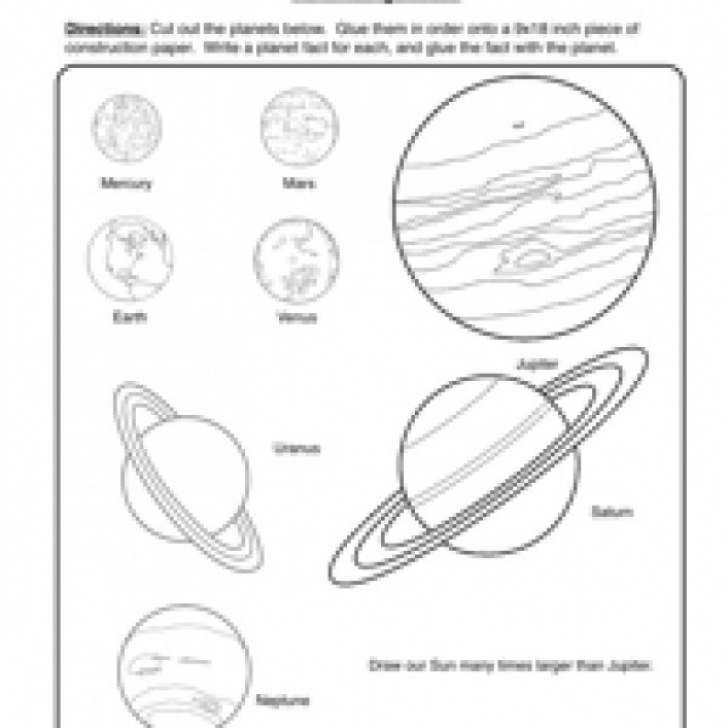
| Making a Model of the Solar System | Astronomy | • Styrofoam balls of different sizes (to represent the planets) • Paint • Dowel rod or skewers • String or yarn | 1. Paint the Styrofoam balls to represent the planets. 2. Attach the planets to the dowel rod or skewers at different distances to represent their orbits around the sun. |
| Homemade Bird Feeder | Ecology | • Cardboard or plastic container • String or yarn • Birdseed | 1. Cut a hole in the bottom of the container and attach the string or yarn for hanging. 2. Fill the container with birdseed and hang it outside. Observe the birds that visit. |
| Wind Sock | Weather | • Fabric scraps • Cardboard tube • String or yarn | 1. Cut fabric scraps into strips and attach them to the cardboard tube. 2. Attach a string or yarn to the tube for hanging. 3. Hang the wind sock outside and observe how it moves in the wind. |
| Cloud in a Bottle | Weather | • Clear plastic bottle • Hot water • Ice cubes | 1. Fill the bottle with hot water and swirl it around for a few seconds. 2. Quickly pour out the hot water and immediately place ice cubes on the bottle’s opening. 3. Observe the condensation forming inside the bottle, resembling clouds. |
| Homemade Rain Gauge | Weather | • Clear plastic bottle • Ruler or measuring tape • Scissors | 1. Cut the top off the plastic bottle and mark the side with a ruler or measuring tape. 2. Place the bottle outside, open end up, to collect rainwater. 3. Measure the amount of rainwater collected. |
| Leaf Rubbings | Plant Biology | • Leaves • Paper • Crayons | 1. Place a leaf under a piece of paper. 2. Rub the side of a crayon over the paper, applying pressure to create a rubbing of the leaf’s veins and texture. |
| Fruit and Vegetable Battery | Electrochemistry | • Fruit or vegetable (e.g., lemon, potato) • Copper coin • Zinc nail • Wire with alligator clips • LED light | 1. Insert the copper coin and zinc nail into the fruit or vegetable. 2. Connect the wire to the coin and nail with alligator clips. 3. Connect the other end of the wire to the LED light and observe if it lights up. |
| Egg in a Bottle | Air Pressure | • Hard-boiled egg • Glass bottle with a slightly smaller opening than the egg • Matches or a lighter | 1. Carefully light a piece of paper and drop it into the bottle. 2. Quickly place the egg on the opening of the bottle, ensuring the egg is slightly wider than the opening. 3. Observe the egg being sucked into the bottle as the air pressure inside the bottle decreases. |
| Homemade Thermometer | Temperature | • Clear plastic bottle • Straw • Modeling clay • Water • Food coloring (optional) | 1. Fill the bottle with water and add food coloring (optional). 2. Insert the straw into the bottle, ensuring it’s submerged in the water. 3. Use modeling clay to seal the opening around the straw. 4. Mark the water level in the straw and observe how it changes in different temperatures. |
| Homemade Kaleidoscope | Reflection of Light | • Cardboard tube • Three rectangular mirrors • Tape • Colorful beads or other small objects | 1. Cut three rectangular mirrors that fit inside the cardboard tube. 2. Tape the mirrors together to form a triangular prism inside the tube. 3. Place the beads or small objects at the bottom of the tube and look through the tube to observe the kaleidoscope effect. |
| Homemade Pinhole Camera | Light and Optics | • Cardboard box • Aluminum foil • Pin or needle • Tape | 1. Cut a small square hole on one side of the cardboard box. 2. Cover the hole with aluminum foil and poke a small hole in the foil with a pin or needle. 3. Cut a larger square hole on the opposite side of the box and tape a piece of tracing paper over it. 4. Point the pinhole towards a bright object and observe the inverted image projected on the tracing paper. |
| Paper Airplane Experiment | Aerodynamics | • Paper • Different paper airplane designs | 1. Fold different paper airplane designs and test their flight characteristics. 2. Observe how different designs affect the airplane’s flight distance, duration, and stability. |
| Homemade Spectroscope | Light and Color | • Cardboard tube • CD or DVD • Tape | 1. Cut a small slit in one end of the cardboard tube. 2. Tape the CD or DVD to the other end of the tube, reflecting side facing the slit. 3. Look through the slit at a light source (e.g., a light bulb, sunlight) and observe the spectrum of colors. |
| Bouncing Ball Experiment | Energy Transfer | • Different types of balls (e.g., rubber ball, tennis ball, basketball) • Ruler or measuring tape | 1. Drop each ball from a specific height and measure the height of its bounce. 2. Observe how the height of the bounce varies depending on the type of ball and discuss the concept of energy transfer. |
| Sound Waves Experiment | Sound | • Tuning fork • Balloon • Water | 1. Strike the tuning fork to produce a sound. 2. Hold the tuning fork near the balloon and observe the balloon vibrating. 3. Place the tuning fork in a bowl of water and observe the water rippling. |
Activities to Enhance Learning
Science experiments are not just about the “doing”; they are also about the learning that happens before, during, and after the experiment. Encouraging active participation and thoughtful reflection is crucial for making these activities truly meaningful for second graders.
Science Journals
Science journals are a powerful tool for documenting observations, recording data, and reflecting on the learning process. Encourage students to keep a dedicated notebook for their science explorations.
It’s important to remember that while exploring the world of science through these 35 simple and fun 2nd grade experiments and activities, we can also be mindful of the impact of events like the Buffalo shooting, as highlighted in the article, african americans experiencing trauma after buffalo shooting experts say.
These activities can be a great way to foster curiosity and understanding in children, while also providing opportunities for open dialogue and empathy. Returning to our science exploration, let’s continue to learn and discover together!
- Before each experiment, students can use their journals to write down their predictions and expectations. This helps them to think critically about the experiment and formulate hypotheses.
- During the experiment, they can draw diagrams, record measurements, and jot down observations. These notes will help them to remember the details of the experiment and analyze the results.
- After the experiment, they can summarize their findings, discuss any surprises, and answer questions related to the experiment. This reflection helps them to solidify their understanding of the concepts involved.
Asking Questions
The foundation of scientific inquiry is asking questions. Encourage students to be curious and to constantly ask “why?” and “how?” questions.
- Asking questions can help them to identify patterns, make connections, and understand the underlying principles of the experiment.
- Encourage students to formulate their own questions about the world around them, even if they are seemingly simple. These questions can spark further investigation and lead to new discoveries.
- Encourage students to share their questions with classmates and teachers, creating a culture of inquiry and exploration in the classroom.
Engaging Activities
Incorporate engaging activities alongside the experiments to reinforce learning and make science fun.
- Science Story Time: Read science-related books or stories to introduce concepts and inspire curiosity.
- Science Games: Play science-themed games to make learning interactive and enjoyable.
- Science Art: Encourage students to express their understanding through art projects, such as drawing diagrams, creating models, or designing posters.
- Science Field Trips: Visit a local museum, park, or zoo to experience science in action and observe real-world examples.
Safety Considerations
Science experiments are an exciting way for second graders to explore the world around them. However, it’s crucial to prioritize safety when conducting these activities. This section highlights essential safety guidelines for conducting science experiments with young learners.
Adult Supervision, 35 simple and fun 2nd grade science experiments and activities
Adult supervision is paramount during all science experiments, ensuring the safety of children. A responsible adult should be present at all times to guide the experiment, monitor the process, and intervene if necessary. The adult’s role is to ensure that the experiment is conducted correctly, that materials are handled appropriately, and that potential hazards are identified and addressed.
It’s amazing how much second graders can learn through hands-on activities! From making volcanoes erupt to building simple circuits, there are endless possibilities for sparking curiosity and a love for science. While we’re on the topic of important things, it’s also worth noting that oregon sued for failing to provide public defenders , which highlights the crucial need for equal access to justice.
But back to the fun stuff – 35 simple and fun 2nd grade science experiments and activities can make learning both engaging and memorable.
Safety Gear
Appropriate safety gear is essential for protecting children during science experiments. This includes:
- Safety Goggles:These protect the eyes from splashes or projectiles, particularly when working with chemicals or potentially hazardous materials.
- Gloves:Gloves are crucial when handling chemicals or potentially irritating substances. They prevent direct contact with the skin, minimizing the risk of allergic reactions or burns.
- Lab Coats:Lab coats provide an extra layer of protection for clothing, preventing stains or spills from damaging clothes.
Potential Hazards and Mitigation
Identifying and addressing potential hazards is essential for a safe and enjoyable science experiment. Here are some common hazards and how to mitigate them:
- Chemicals:Use non-toxic and child-friendly chemicals whenever possible. Always store chemicals in appropriate containers, clearly labeled with warnings and instructions. Supervise children when handling chemicals, ensuring they wear safety goggles and gloves. Avoid mixing chemicals without proper guidance and instructions.
- Sharp Objects:Use blunt or rounded objects instead of sharp ones, such as scissors or knives. If sharp objects are unavoidable, supervise children closely, and ensure they handle them with care. Teach them proper techniques for using sharp objects, such as keeping them pointed away from their bodies and others.
- Heat Sources:When using heat sources like Bunsen burners or hot plates, supervise children closely. Ensure they wear appropriate safety gear, including gloves and heat-resistant aprons. Teach them the importance of handling hot objects with care and using heat-resistant tools. Always use heat sources in well-ventilated areas, away from flammable materials.
- Electrical Appliances:When using electrical appliances, ensure they are in good working condition and have safety features like grounding plugs. Supervise children closely, and teach them the importance of handling electrical cords and appliances with care. Never allow children to use electrical appliances unsupervised.
- Glassware:When using glassware, ensure it is clean and free of cracks. Supervise children closely when handling glassware, and teach them proper techniques for handling fragile items. Avoid using glassware for experiments involving heat or chemicals unless under the direct supervision of an adult.
Provide alternative materials like plastic containers for experiments involving liquids or chemicals.
Additional Resources
The thirst for knowledge never ends, especially when it comes to the fascinating world of science. If you’re eager to explore more experiments and activities, or simply want to delve deeper into specific scientific concepts, there are numerous resources available to ignite your second-grader’s curiosity.
Websites
Websites offer a vast array of information, interactive tools, and engaging activities. They are a great way to access current information and connect with the broader scientific community. Here are some valuable resources:
- Science Buddies: This website provides a wealth of science fair project ideas, experiment instructions, and educational resources. It also features a dedicated section for K-12 students, ensuring age-appropriate content.
- National Geographic Kids: This website offers a wide range of articles, videos, and games that make learning about science fun and engaging for children. It covers diverse topics, from animals and plants to space and technology.
- NASA Kids’ Club: For space enthusiasts, NASA Kids’ Club provides access to exciting information about space exploration, astronauts, and the latest discoveries. It features games, activities, and educational materials tailored for young learners.
Books
Books can provide a more in-depth exploration of scientific concepts and offer a visual and tactile learning experience.
- “The Magic School Bus” series by Joanna Cole: This popular series uses fictional adventures to introduce children to various scientific concepts in a fun and engaging way. Each book explores a different topic, from the human body to the solar system.
- “National Geographic Kids: Everything Science” by National Geographic: This comprehensive book covers a wide range of scientific topics, from the natural world to technology and space. It is filled with colorful illustrations and engaging facts.
- “The Usborne Book of Science Experiments” by Usborne Publishing: This book offers a collection of hands-on science experiments that children can do at home. It includes clear instructions and safety tips.
Incorporating Technology
Technology can enhance science learning by providing interactive experiences, visual aids, and access to vast amounts of information.
- Educational Apps: Apps like “Science 360” and “National Geographic Kids” offer interactive games, simulations, and educational videos that make learning fun and engaging.
- Virtual Field Trips: Many museums and zoos offer virtual tours online, allowing children to explore different environments and learn about diverse species and scientific concepts.
- Online Science Games: Numerous websites and apps offer science-themed games that help children develop critical thinking skills, problem-solving abilities, and scientific knowledge.
Final Conclusion
So, gather your supplies, get ready for some messy fun, and let’s embark on a scientific adventure together! With 35 simple and fun 2nd grade science experiments and activities, you’ll empower your young learners to become confident explorers of the world around them.
Remember, science is about asking questions, experimenting, and having fun along the way. Let’s make science learning a thrilling experience for every second grader!