
The Ugliest, Most Toxic Journey: NYTimes, Scarborough, and GOP Trips to Mar-a-Lago
The ugliest most toxic journey nyt and joe scarborough rip gop candidate trips to mar a lago – The Ugliest, Most Toxic Journey: NYTimes, Scarborough, and GOP Trips to Mar-a-Lago, is a phrase that has become a potent symbol in the current political climate. This journey, a metaphorical representation of the contentious political landscape, has been analyzed and dissected by various media outlets and political commentators, sparking heated debates and raising critical questions about the state of our democracy.
This journey, however, is not merely a figurative construct. It has been fueled by the real-world actions of GOP candidates who have chosen to make frequent trips to Mar-a-Lago, the Florida resort owned by former President Donald Trump. These trips, often shrouded in secrecy and fueled by political motives, have been scrutinized by the New York Times and Joe Scarborough, two prominent figures in the media landscape, who have provided critical commentary and analysis of the events unfolding.
Historical Context and Parallels: The Ugliest Most Toxic Journey Nyt And Joe Scarborough Rip Gop Candidate Trips To Mar A Lago
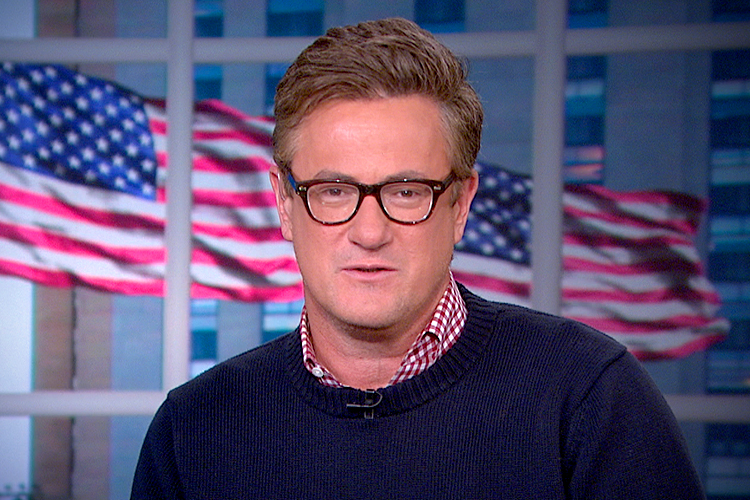
The GOP candidate’s frequent trips to Mar-a-Lago have sparked intense scrutiny and debate. Critics argue these trips are excessive, wasteful, and potentially inappropriate, while supporters defend them as necessary for the candidate to stay connected with the public and conduct business.
To understand the historical context and potential parallels, it’s crucial to examine past presidents’ travel patterns and their impact on public perception.
Presidential Travel to Private Residences
Presidents have historically used private residences for personal and political purposes. Examining past presidents’ travel patterns to their private residences provides valuable insight into the evolving nature of presidential travel and its public perception.
- Franklin D. Roosevelt (1933-1945): Roosevelt frequently visited his Hyde Park estate in New York, using it for both relaxation and political strategy. While his trips were generally accepted, they also faced criticism for their cost and potential for undue influence from wealthy donors.
- Dwight D. Eisenhower (1953-1961): Eisenhower’s frequent visits to his Gettysburg farm were seen as a way to escape the pressures of the presidency. However, his trips also raised concerns about the potential for conflicts of interest, as he often hosted business leaders and political allies at the farm.
- Richard Nixon (1969-1974): Nixon’s use of his San Clemente, California, estate for political purposes was controversial. He held numerous meetings with foreign dignitaries and political advisors at the estate, raising concerns about the potential for secrecy and undue influence.
- Ronald Reagan (1981-1989): Reagan’s visits to his ranch in California were generally well-received, seen as a way for him to relax and recharge. However, his trips also faced criticism for their cost and potential for political influence.
- Bill Clinton (1993-2001): Clinton’s use of his vacation home in Arkansas was a subject of controversy. His trips were criticized for their frequency and cost, as well as for the potential for conflicts of interest, given his connections to Arkansas businesses.
- George W. Bush (2001-2009): Bush’s frequent visits to his ranch in Crawford, Texas, were often seen as a way for him to escape the pressures of the presidency and connect with his home state. However, his trips also faced criticism for their cost and potential for political influence.
- Barack Obama (2009-2017): Obama’s visits to his vacation home in Hawaii were generally well-received, seen as a way for him to relax and recharge. However, his trips also faced criticism for their cost and potential for political influence.
- Donald Trump (2017-2021): Trump’s frequent visits to his Mar-a-Lago resort in Florida were highly controversial. Critics argued that these trips were excessive, wasteful, and potentially inappropriate, while supporters defended them as necessary for the president to stay connected with the public and conduct business.
Public Perception of Presidential Travel
Public perception of presidential travel to private residences has evolved over time. Early presidents’ trips were generally accepted, seen as a way for them to escape the pressures of the presidency and connect with their home states. However, as the cost of presidential travel increased and concerns about conflicts of interest arose, public scrutiny intensified.
“The public has become increasingly aware of the cost and potential for abuse associated with presidential travel to private residences. This has led to greater scrutiny of these trips and a more critical view of their necessity.”
The public perception of presidential travel is also influenced by the political climate. During times of economic hardship or political turmoil, presidential trips to private residences are more likely to be seen as excessive and out of touch. Conversely, during periods of relative peace and prosperity, these trips may be viewed more favorably.
The Impact of Social Media, The ugliest most toxic journey nyt and joe scarborough rip gop candidate trips to mar a lago
Social media has played a significant role in shaping public perception of presidential travel. The constant flow of information and images on social media platforms has made it easier for the public to track presidential movements and scrutinize their expenses.
This has increased transparency and accountability, but it has also created opportunities for misinformation and political attacks.
“Social media has created a 24/7 news cycle, where every presidential move is scrutinized and debated online. This has intensified public scrutiny of presidential travel and made it more difficult for presidents to avoid criticism.”
The increasing use of social media has also made it easier for presidents to communicate directly with the public, bypassing traditional media outlets. This has allowed them to control the narrative around their travel, but it has also created opportunities for political spin and manipulation.
Conclusion

The “ugliest, most toxic journey” is a reflection of the deep divisions that exist in our society. The GOP candidate’s trips to Mar-a-Lago, the media’s coverage, and the public’s reactions, all paint a picture of a nation grappling with complex political issues, struggling to find common ground, and navigating a landscape where trust and truth are increasingly elusive.
The relentless barrage of negative coverage from the NYT and Joe Scarborough about GOP candidate trips to Mar-a-Lago feels like a classic case of “buy the rumor, sell the news.” It’s almost as if the media is hyping up the story to create a frenzy, only to see the narrative lose steam once the actual news comes out.
You can read more about this trend in the article “Buy the Rumor, Sell the News: Dogecoin Erases Recent Gains” here. Of course, the media’s focus on Mar-a-Lago trips is just one aspect of a larger political battle, and it’s important to remember that every story has multiple sides.
The constant barrage of negative news coverage about the GOP candidate’s trips to Mar-a-Lago has become a toxic spectacle, with the New York Times and Joe Scarborough leading the charge. It’s almost as if they’re trying to manufacture a scandal out of thin air.
And while they’re at it, the Supreme Court is poised to make gun safety laws even weaker, as this recent ruling could have devastating consequences for our communities the supreme court ruling could soon make gun safety laws even weaker.
But in the end, it’s all just noise and distraction, a cynical attempt to divert attention from the real issues facing our country.
The New York Times and Joe Scarborough are having a field day ripping apart GOP candidates for their trips to Mar-a-Lago, but I can’t help but wonder if they’re missing the bigger picture. The real story might be happening in California, where illegal immigration is down, changing the face of California farms and creating a new wave of challenges and opportunities.
Maybe the focus should shift from the political circus to the real-world impact of immigration on American agriculture, which is a story that deserves more attention.