Putin Declares Nuclear Alert, Biden Seeks De-escalation
Putin declares a nuclear alert and biden seeks de escalation, a chilling scenario that has sent shockwaves across the globe. The world watches with bated breath as tensions escalate between Russia and the West, fueled by the ongoing war in Ukraine.
Putin’s announcement, a drastic escalation of the conflict, has raised fears of a nuclear confrontation, while Biden’s response emphasizes diplomacy and de-escalation efforts.
This situation has sparked a global debate on the potential consequences of nuclear escalation, the effectiveness of diplomatic channels, and the need for international cooperation in mitigating such crises. The implications extend beyond the immediate conflict, impacting global security, nuclear non-proliferation efforts, and the future of international relations.
Putin’s Nuclear Alert Declaration: Putin Declares A Nuclear Alert And Biden Seeks De Escalation
On February 27, 2022, just days after launching a full-scale invasion of Ukraine, Russian President Vladimir Putin placed his nuclear forces on high alert. This unprecedented move sent shockwaves across the globe, raising concerns about the potential for a nuclear escalation in the conflict.
The world watched with bated breath as Putin declared a nuclear alert, prompting Biden to call for de-escalation. Amidst such global tension, it’s crucial to remember the power of communication, even in the digital age. Understanding how to effectively do digital marketing in the age of privacy, as outlined in this insightful article how to do digital marketing in the age of privacy , can help us navigate these turbulent times and foster understanding across borders.
It’s a reminder that while the threat of nuclear war looms large, the human need for connection and communication remains a powerful force for peace.
Context and Background
Putin’s decision to put his nuclear forces on high alert came amidst a rapidly escalating situation in Ukraine. Russia’s invasion had been met with widespread international condemnation, and Western countries imposed severe sanctions on Russia. In response, Putin issued a series of warnings, accusing the West of engaging in “unfriendly actions” and threatening to use nuclear weapons if necessary.
Specific Actions Taken
Putin’s declaration involved putting Russia’s nuclear deterrent forces on a “special regime of combat duty.” This meant that nuclear-capable units, including strategic bombers, ballistic missile submarines, and intercontinental ballistic missiles, were placed on higher readiness. This move significantly increased the risk of accidental or deliberate nuclear use.
Potential Implications for Global Security
Putin’s declaration raised serious concerns about the potential for a nuclear escalation in the conflict. While Russia has repeatedly stated that it has no intention of using nuclear weapons, the mere act of placing its forces on high alert sent a chilling message to the world.
The potential for miscalculation or a chain reaction of escalating threats was a major cause for worry.
Reactions of Countries and Organizations
The international community reacted swiftly and strongly to Putin’s declaration. NATO Secretary General Jens Stoltenberg condemned the move, calling it “irresponsible and dangerous.” The United States also expressed deep concern, with President Joe Biden calling Putin’s actions “reckless” and “irresponsible.” Several countries, including the United Kingdom, France, and Germany, also condemned Putin’s actions.
The United Nations Security Council held an emergency meeting to discuss the situation, but no concrete action was taken. Putin’s nuclear alert declaration was a highly significant event that heightened tensions and raised the stakes in the conflict. It served as a stark reminder of the dangers posed by nuclear weapons and the need for responsible and cautious action from all sides.
Biden’s Response and De-Escalation Efforts
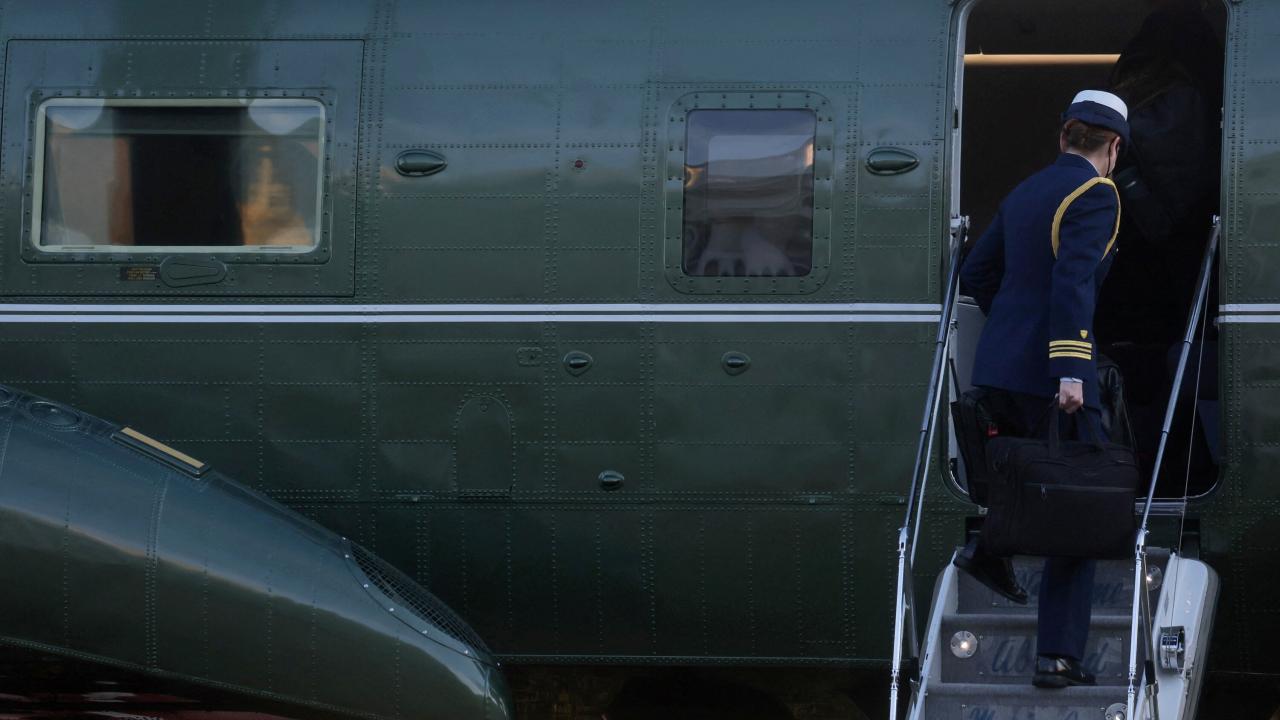
President Biden swiftly responded to Putin’s nuclear alert declaration with a measured and calculated approach, aiming to de-escalate the situation and prevent a potential nuclear conflict. His response involved a combination of public statements, diplomatic efforts, and coordination with allies.
With Putin declaring a nuclear alert and Biden seeking de-escalation, the world is on edge. Amidst the escalating tensions, the House of Representatives has taken a significant step towards gun control by approving bills including a higher age requirement for assault rifles, as reported in this article.
This move, while seemingly unrelated to the current international crisis, highlights the need for domestic policy adjustments in the face of global instability. The question remains whether these actions will be enough to ease the current tensions and prevent further escalation.
Biden’s Public Statements and Actions, Putin declares a nuclear alert and biden seeks de escalation
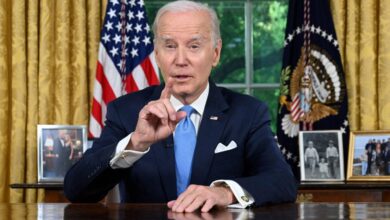
Biden’s initial response was to address the nation, assuring the public that the United States was prepared to defend itself and its allies against any attack. He emphasized the need for calm and rationality, while also making it clear that the United States would not be intimidated by Russia’s actions.
Biden’s response was carefully calibrated to avoid escalating the situation further. He refrained from making any direct threats or inflammatory statements, focusing instead on the need for dialogue and de-escalation.
Goals and Strategies for De-escalation
Biden’s de-escalation efforts aimed to achieve several key objectives:
- Prevent a nuclear war:This was the paramount goal, as a nuclear exchange would have catastrophic consequences for the world.
- Avoid escalation:Biden sought to prevent the situation from spiraling out of control and leading to further military actions.
- Maintain international stability:The global order and stability of international relations were at stake, and Biden aimed to preserve them.
- Protect U.S. interests:While seeking de-escalation, Biden also emphasized the importance of protecting U.S. interests and its allies.
Biden’s strategies for de-escalation included:
- Direct communication with Putin:Biden initiated direct communication with Putin through various channels, including phone calls and diplomatic messages, to convey his concerns and explore ways to de-escalate the situation.
- Coordination with allies:Biden worked closely with NATO allies and other partners to coordinate responses and present a united front against Russia’s actions.
- Public diplomacy:Biden used public statements and diplomatic outreach to reassure allies and the international community that the United States was committed to de-escalation and preventing a nuclear conflict.
- Sanctions and deterrence:Biden maintained existing sanctions against Russia and implemented new ones, while also strengthening military deployments in Europe to deter further Russian aggression.
Challenges and Complexities of De-escalation
De-escalating a nuclear crisis is a complex and challenging task, involving multiple factors and potential risks.
- Miscalculation and miscommunication:The potential for miscalculation and miscommunication is high in such a tense situation, which could lead to unintended consequences.
- Domestic political pressures:Both Biden and Putin faced domestic political pressures that could influence their decision-making.
- Lack of trust:The deep mistrust between the United States and Russia made it difficult to engage in meaningful dialogue and build confidence.
- Unpredictability of actors:The actions of other actors, such as China and other regional powers, could impact the situation in unpredictable ways.
Effectiveness of Biden’s Approach
Biden’s approach to de-escalation was met with mixed reactions. Some observers praised his measured response and his efforts to engage with Russia, while others criticized his perceived weakness in the face of Putin’s aggression.Ultimately, the effectiveness of Biden’s approach can be judged by its success in preventing a nuclear war and achieving a long-term resolution to the conflict.
While the situation remains volatile and uncertain, Biden’s efforts to de-escalate have helped to prevent the situation from spiraling out of control and have provided a framework for future dialogue and diplomacy.
Historical Context and Parallels
The current nuclear alert declared by Russia, though alarming, is not unprecedented. History provides numerous examples of nuclear threats and crises, each offering valuable lessons for navigating the present situation. Understanding the evolution of nuclear doctrines, strategies, and international efforts to manage nuclear risks is crucial for appreciating the gravity of the current crisis and exploring potential paths towards de-escalation.
Historical Examples of Nuclear Threats and Crises
The Cold War era was characterized by a constant tension between the United States and the Soviet Union, both possessing vast nuclear arsenals. This period witnessed several close calls, each highlighting the potential for catastrophic consequences.
- The Cuban Missile Crisis (1962) remains the most significant nuclear standoff in history. The discovery of Soviet nuclear missiles in Cuba triggered a 13-day confrontation that brought the world to the brink of nuclear war. This event, often considered the closest humanity has come to nuclear annihilation, led to the establishment of the “hotline” between Washington and Moscow, aimed at improving communication and reducing the risk of miscalculation.
- The 1983 Able Archer Incident, a NATO military exercise simulating a nuclear attack, led to heightened tensions between the US and the USSR. Soviet intelligence interpreted the exercise as a prelude to a real attack, prompting a heightened nuclear alert status.
With Putin’s nuclear alert declaration and Biden’s push for de-escalation, it’s a tense time for everyone. It’s hard to imagine what kind of advice Elon Musk would have for Jeff Bezos in this situation, but I’m sure it would be interesting.
Maybe he’d suggest focusing on space exploration as a distraction from the world’s current troubles. Whatever the case, the geopolitical situation is certainly complex, and we can only hope for a peaceful resolution.
This incident underscored the importance of transparency and clear communication in preventing misunderstandings that could escalate into conflict.
Lessons Learned from Past Events
Past nuclear crises have underscored the importance of:
- Clear and open communication:Misunderstandings and miscalculations can lead to disastrous consequences. Establishing robust communication channels, particularly during times of heightened tension, is crucial for preventing escalation.
- De-escalation strategies:The Cuban Missile Crisis demonstrated the effectiveness of diplomatic negotiations and concessions in defusing nuclear standoffs. Implementing de-escalation strategies, such as confidence-building measures and arms control agreements, is vital for reducing the risk of nuclear war.
- International cooperation:The threat of nuclear war is a global concern. International institutions, such as the United Nations and the International Atomic Energy Agency, play a vital role in monitoring nuclear activities, promoting non-proliferation, and facilitating cooperation on nuclear security.
Evolution of Nuclear Doctrines and Strategies
Nuclear doctrines and strategies have evolved significantly since the Cold War. The focus has shifted from a strategy of Mutually Assured Destruction (MAD), where a nuclear attack by one side would inevitably trigger a retaliatory strike, leading to catastrophic consequences for both sides.
- Nuclear Deterrence:The primary objective of nuclear deterrence is to prevent an adversary from initiating a nuclear attack by ensuring that any such action would result in unacceptable retaliation. This strategy relies on the principle of “second-strike capability,” meaning that a country can survive a first strike and retaliate with devastating force.
The concept of MAD, while ensuring mutual destruction, also deterred any side from initiating a nuclear attack due to the fear of retaliation.
- Nuclear Non-Proliferation:The Treaty on the Non-Proliferation of Nuclear Weapons (NPT), signed in 1968, aims to prevent the spread of nuclear weapons, promote disarmament, and facilitate the peaceful use of nuclear energy. This treaty has been successful in limiting the number of nuclear-weapon states, but challenges remain, particularly with regard to non-compliance and the emergence of new nuclear powers.
- Nuclear Disarmament:While the goal of complete nuclear disarmament remains elusive, efforts have been made to reduce the size and scope of nuclear arsenals. The Strategic Arms Reduction Treaties (START) between the US and Russia have played a significant role in limiting the number of nuclear warheads and delivery systems.
However, the current geopolitical climate poses challenges to further disarmament efforts.
The Role of International Institutions and Agreements
International institutions and agreements play a crucial role in managing nuclear risks and promoting global security.
- The United Nations:The UN Security Council has the primary responsibility for maintaining international peace and security. Its role in addressing nuclear threats is crucial, particularly in coordinating responses to crises and promoting international cooperation on nuclear disarmament and non-proliferation.
- The International Atomic Energy Agency (IAEA):The IAEA is responsible for monitoring nuclear activities, promoting the peaceful use of nuclear energy, and preventing the proliferation of nuclear weapons. Its role in ensuring nuclear safety and security is essential for preventing accidents and misuse of nuclear materials.
- Nuclear Non-Proliferation Treaty (NPT):The NPT is a landmark treaty that aims to prevent the spread of nuclear weapons, promote disarmament, and facilitate the peaceful use of nuclear energy. Its success in limiting the number of nuclear-weapon states is a testament to the importance of international cooperation in managing nuclear risks.
The Role of Diplomacy and Communication
In the face of escalating tensions and the threat of nuclear conflict, the importance of diplomacy and communication cannot be overstated. Effective communication is crucial for de-escalating the situation, fostering understanding, and exploring pathways towards a peaceful resolution.
Channels and Mechanisms for De-Escalation
Open and constructive dialogue is essential for preventing miscalculations and fostering trust. Various channels and mechanisms can be employed to facilitate de-escalation:
- Direct Bilateral Talks:High-level meetings between leaders of the involved countries can provide a platform for direct communication, addressing concerns, and exploring potential compromises.
- Multilateral Diplomacy:Involving key international actors, such as the United Nations, NATO, and the European Union, can help to create a framework for dialogue, mediate disputes, and build consensus.
- Track II Diplomacy:Engaging non-governmental organizations, experts, and academics can provide valuable insights, build trust, and facilitate communication between conflicting parties.
Key Players and Stakeholders
The diplomatic process involves a wide range of actors, each with their own perspectives and interests:
- The Involved Countries:Russia and the United States are the primary actors in this crisis, with their actions and decisions having the most significant impact.
- NATO:As a collective defense organization, NATO plays a crucial role in coordinating responses to the crisis and ensuring the security of its members.
- The European Union:The EU is a significant player in the diplomatic process, providing economic and political support to Ukraine and seeking to maintain stability in the region.
- Other International Organizations:The United Nations, the Organization for Security and Cooperation in Europe (OSCE), and other international organizations can provide platforms for dialogue and mediation.
Challenges and Opportunities
Despite the importance of diplomacy, there are significant challenges to achieving a peaceful resolution:
- Mistrust and Misunderstandings:Years of strained relations and competing interests have created deep mistrust and misunderstandings between the involved parties.
- Domestic Political Pressures:Leaders may face pressure from domestic constituencies to take a hard line, making it difficult to compromise.
- Information Warfare and Propaganda:The spread of misinformation and propaganda can further complicate the diplomatic process, fueling tensions and hindering dialogue.
Despite these challenges, there are also opportunities for diplomacy to succeed:
- Shared Interests:Despite their differences, the involved parties share a common interest in preventing a wider conflict and ensuring international stability.
- The Importance of Dialogue:Even in the midst of tensions, open and constructive dialogue can help to build trust and explore common ground.
- The Role of International Pressure:The international community can exert pressure on all parties to engage in diplomacy and seek a peaceful resolution.
Conclusion
The current situation serves as a stark reminder of the fragility of peace and the dangers of unchecked escalation. It underscores the critical need for diplomacy, communication, and international cooperation in navigating complex geopolitical challenges. The world awaits a resolution to this crisis, hoping for a peaceful outcome that avoids the catastrophic consequences of nuclear conflict.