Texas Governor Abbott Buses Undocumented Immigrants to D.C.
Gov greg abbott says texas will bus undocumented immigrants to d c – Gov. Greg Abbott says Texas will bus undocumented immigrants to D.C., a controversial policy that has sparked national debate. The move is part of a broader effort by Republican governors to challenge federal immigration policies, highlighting the deep divisions surrounding this complex issue.
Abbott argues that his policy is necessary to alleviate the burden on Texas communities, while critics denounce it as a political stunt that exploits vulnerable individuals. The policy has generated intense scrutiny, with legal challenges and ethical considerations raising concerns about its legality and impact on those affected.
The decision to bus undocumented immigrants to Washington D.C. comes at a time when immigration remains a highly contentious issue in the United States. Texas, in particular, has been at the forefront of this debate, implementing various measures to restrict immigration and border crossings.
The current state of immigration policy in Texas reflects a broader national trend of increasing polarization, with Republicans advocating for stricter enforcement and Democrats calling for more humane and compassionate policies. Abbott’s policy, while controversial, underscores the political and social complexities surrounding immigration in the United States.
Governor Abbott’s Policy
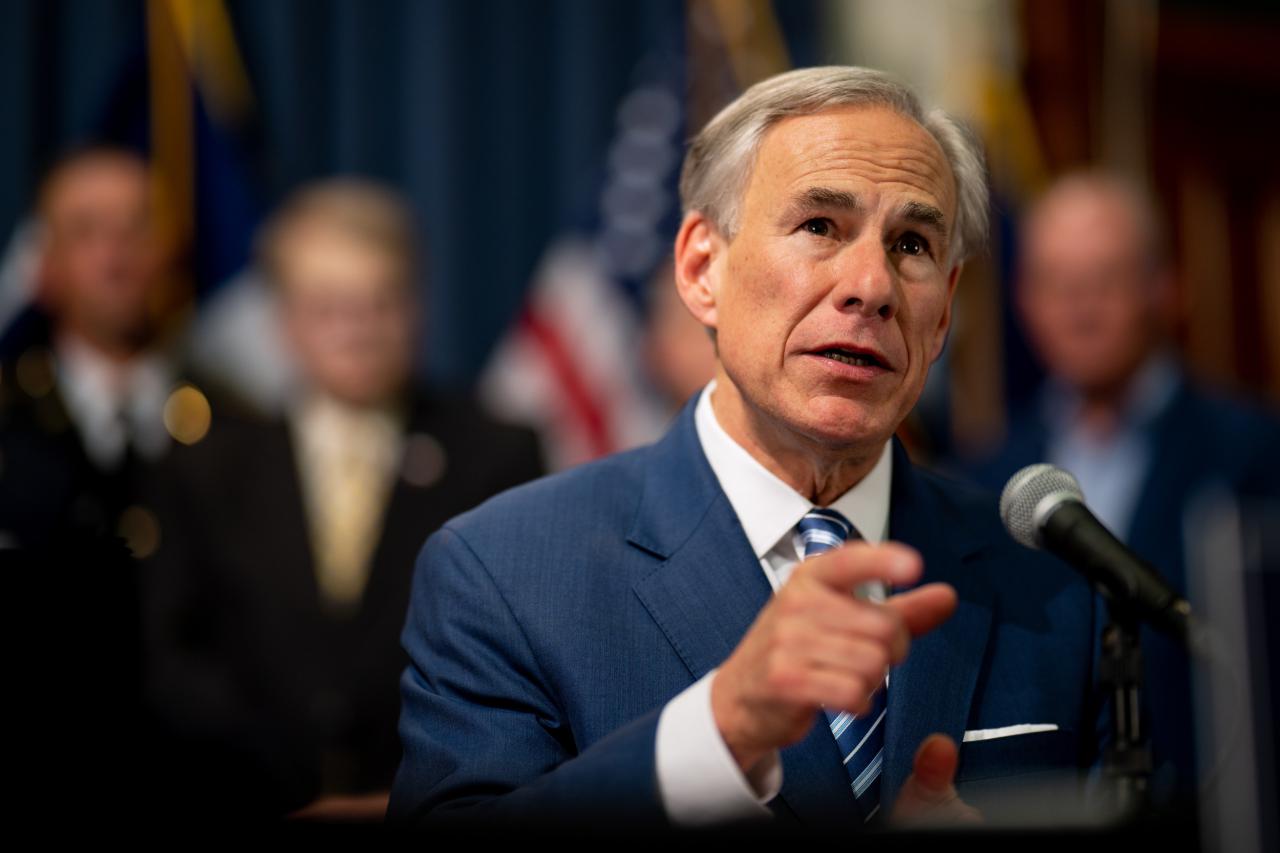
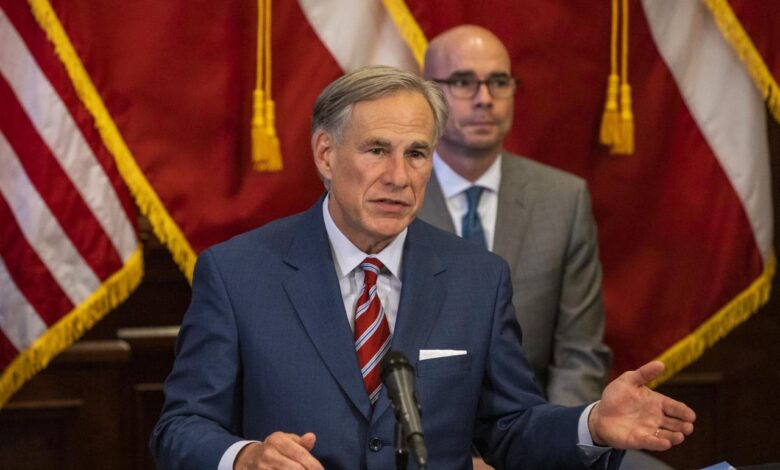
Governor Greg Abbott’s decision to bus undocumented immigrants to Washington D.C. has sparked significant debate across the country. The policy, implemented in April 2022, involves transporting individuals who have been apprehended by Texas authorities after illegally crossing the U.S.-Mexico border to the nation’s capital.
Rationale Behind the Policy
Governor Abbott has publicly stated that the purpose of the policy is to highlight the strain that the influx of undocumented immigrants is placing on Texas resources and to call attention to the federal government’s perceived failure to adequately address the issue of illegal immigration.
He argues that the Biden administration’s immigration policies have led to a surge in crossings, putting a burden on Texas communities and state resources. The governor believes that by transporting immigrants to Washington D.C., he can effectively bring the issue to the attention of federal policymakers and demand action.
Legal and Ethical Implications
The legality and ethics of Governor Abbott’s policy have been subject to intense scrutiny. Critics argue that the policy is inhumane and exploitative, as it involves transporting vulnerable individuals to a city where they may lack support networks or resources.
Governor Greg Abbott’s decision to bus undocumented immigrants to D.C. has sparked a lot of controversy, but it’s interesting to see how different states are responding to the situation. For example, blue states are responding to uvalde by offering support to the families affected by the tragedy.
While the debate about immigration continues, it’s clear that Abbott’s actions are adding another layer of complexity to an already challenging issue.
They also question the legal basis for the policy, pointing out that the transportation of immigrants is not explicitly authorized by federal law. Supporters, on the other hand, argue that the policy is a legitimate exercise of state authority and that it serves to deter illegal immigration by showcasing the consequences of crossing the border illegally.
Potential Impact on Immigration Policy
The long-term impact of Governor Abbott’s policy on immigration policy remains uncertain. Some argue that the policy could ultimately lead to a more restrictive immigration system, as it serves to further polarize public opinion on the issue and embolden lawmakers who support stricter immigration controls.
Others suggest that the policy could have the opposite effect, prompting a more nuanced and humane approach to immigration reform. It is possible that the policy could contribute to a broader conversation about immigration in the United States, forcing policymakers to address the complex challenges associated with border security, immigration enforcement, and the treatment of undocumented immigrants.
The Context of the Policy
Governor Greg Abbott’s decision to bus undocumented immigrants to Washington D.C. is part of a long-standing debate surrounding immigration policy in the United States, particularly in Texas. Understanding the context of this policy requires examining the historical evolution of immigration policies in Texas and the nation, as well as the current state of immigration policy.
Historical Overview of Immigration Policies in Texas and the United States
Immigration has been a defining feature of Texas’s history, with the state experiencing waves of immigrants from Mexico, Europe, and other parts of the world. Texas’s proximity to Mexico and its shared border have significantly shaped its immigration policies.
- In the 19th century, Texas was a destination for Mexican immigrants seeking economic opportunities and escaping political turmoil. The state’s agricultural economy relied heavily on Mexican labor.
- Following the Mexican-American War (1846-1848), Texas became part of the United States, and immigration from Mexico continued, although it faced increasing restrictions.
- In the 20th century, Texas became a major hub for immigration from Latin America and other parts of the world, fueled by economic growth and the expansion of industries such as agriculture, oil, and manufacturing.
- The Immigration and Nationality Act of 1965, which abolished national origin quotas, significantly impacted immigration patterns in Texas, leading to an increase in immigration from Asia and other parts of the world.
The United States has a long history of immigration policies, marked by periods of both openness and restriction.
- Early in its history, the United States had a relatively open immigration policy, welcoming immigrants from various countries.
- However, in the late 19th and early 20th centuries, the U.S. began implementing stricter immigration laws, including the Chinese Exclusion Act of 1882 and the Immigration Act of 1924, which imposed quotas on immigration from specific countries.
- The Immigration and Nationality Act of 1965, mentioned earlier, marked a significant shift towards a more merit-based immigration system.
- Since then, immigration policy has been a subject of ongoing debate, with varying perspectives on issues such as border security, legal immigration, and undocumented immigration.
Current State of Immigration Policy in Texas and the United States
Texas has a significant population of undocumented immigrants, and the state’s immigration policies have been a subject of debate and controversy in recent years.
- Texas has passed several laws aimed at enforcing immigration laws and deterring undocumented immigration, including the Texas Dream Act, which allows certain undocumented immigrants to attend state colleges and universities at in-state tuition rates.
- Texas has also implemented policies that have been criticized by immigrant advocates, such as the “sanctuary city” ban, which prohibits local governments from limiting cooperation with federal immigration enforcement.
- The state’s immigration policies have been challenged in court, with some laws being struck down or modified.
At the national level, immigration policy remains a highly contested issue.
- The Trump administration implemented a number of policies aimed at restricting immigration, including a travel ban on citizens from several Muslim-majority countries, increased border security measures, and a reduction in the number of refugees admitted to the United States.
- The Biden administration has taken a more lenient approach to immigration, seeking to reverse some of the Trump administration’s policies and to create a more humane and orderly immigration system.
- However, the Biden administration has faced challenges in addressing the ongoing crisis at the southern border, with a surge in undocumented immigration and a backlog of asylum cases.
Comparison of Governor Abbott’s Policy with Similar Initiatives in Other States
Governor Abbott’s policy of busing undocumented immigrants to Washington D.C. is not unique. Other states, particularly those with large populations of undocumented immigrants, have implemented similar initiatives.
- In 2019, Arizona Governor Doug Ducey began busing undocumented immigrants to California in protest of the state’s sanctuary city policies.
- In 2022, Florida Governor Ron DeSantis chartered flights to transport undocumented immigrants to Martha’s Vineyard, Massachusetts.
- These initiatives have been criticized by some as political stunts aimed at garnering attention and dividing the country.
- Others argue that these policies are necessary to highlight the strain on states with large undocumented populations and to pressure the federal government to address immigration reform.
The Human Impact
The decision to transport undocumented immigrants to Washington D.C. has sparked a debate about the human cost of this policy. While the stated goal is to alleviate pressure on Texas border communities, the experience of those being relocated raises serious concerns about their well-being and the challenges they face in an unfamiliar city.
Experiences of Transported Undocumented Immigrants, Gov greg abbott says texas will bus undocumented immigrants to d c
The journey to Washington D.C. is often long and arduous for undocumented immigrants. Many are unaware of their destination until they are already on the bus, leaving them with little time to prepare or contact family members. The lack of information and uncertainty can be deeply unsettling, especially for individuals who may have already endured significant hardship and trauma.
Some have reported feeling misled and exploited, as they were promised opportunities in Washington D.C. that did not materialize. Furthermore, the lack of resources and support upon arrival can exacerbate existing vulnerabilities.
Challenges and Opportunities Faced by Undocumented Immigrants in Washington D.C.
Upon arriving in Washington D.C., undocumented immigrants face a range of challenges, including finding housing, employment, and legal assistance. The city’s high cost of living can make it difficult to secure stable housing, while the lack of work authorization restricts their employment options.
Furthermore, navigating a new city and accessing social services can be overwhelming for individuals who may not speak English or have limited access to information. However, Washington D.C. also offers opportunities for undocumented immigrants. The city is home to a robust network of immigrant advocacy groups and legal aid organizations that can provide support and guidance.
Governor Greg Abbott’s decision to bus undocumented immigrants to D.C. has sparked controversy, with many questioning its legality and morality. While Abbott claims it’s a way to highlight the burden on Texas, critics see it as a political stunt. Interestingly, this move echoes a similar tactic used by Senator Kevin Cramer, who would transport migrants to Vice President Kamala Harris’s residence in Washington D.C.
as a way to put pressure on the Biden administration. Both actions raise concerns about the treatment of immigrants and the politicization of a humanitarian issue.
The city’s diverse population and political landscape also offer potential for advocacy and policy change.
The political landscape is often a stage for dramatic confrontations, and Governor Greg Abbott’s decision to bus undocumented immigrants to D.C. is a prime example. It’s a move that has sparked intense debate and raised questions about the ethical and logistical implications.
It’s a stark reminder that even in the face of complex challenges, we need to remember the importance of compassion and empathy, qualities that were sorely tested when Andy Dunn, co-founder of Bonobos, faced his own personal struggles with mental health.
Reading about his experience, documented in the humbling of andy dunn how the bonobos co founders struggles with mental health almost upended him and his company , highlights the importance of seeking help and prioritizing mental well-being, especially during turbulent times.
As we grapple with the complexities of immigration and political maneuvering, Dunn’s story reminds us that even in the face of adversity, there is always hope and the potential for resilience.
Perspectives of Stakeholders
Immigrant advocacy groups have condemned Governor Abbott’s policy, arguing that it is inhumane and exploits vulnerable individuals for political gain. They highlight the lack of transparency and the potential for abuse, emphasizing the need for compassion and support for those seeking a better life.
Government officials, on the other hand, have defended the policy, arguing that it is necessary to address the strain on border communities and deter further migration. They point to the availability of resources in Washington D.C. and the potential for undocumented immigrants to access opportunities in the city.
Residents of Washington D.C. have expressed mixed reactions to the policy. Some view it as a political stunt and an unnecessary burden on the city’s resources, while others believe it is an opportunity to provide support and advocate for more humane immigration policies.
Public Reactions and Responses
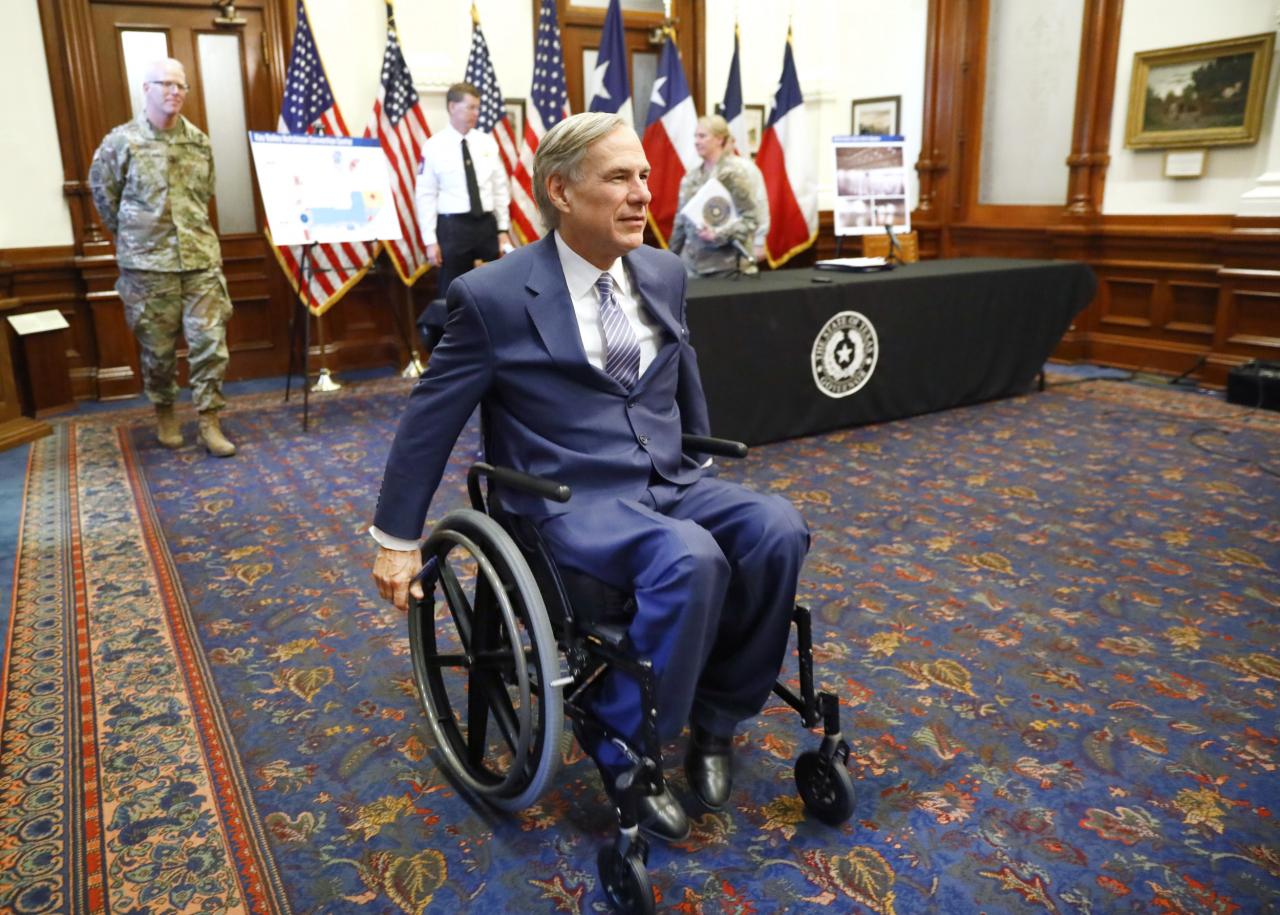
Governor Abbott’s policy of busing undocumented immigrants to Washington, D.C. has sparked a wave of reactions across the country, generating intense debate and highlighting the deep divisions in American society on immigration.
Public Opinion
Public opinion on Governor Abbott’s policy is deeply divided, reflecting the broader polarization in the United States on immigration.
- Polls conducted in Texas show that a majority of Texans support the policy, with a significant portion of Republicans and independents expressing approval. This support is often attributed to concerns about illegal immigration and border security.
- However, national polls reveal a different picture. While a significant number of Americans express concerns about illegal immigration, a majority view the policy as a political stunt rather than a genuine solution. Many Americans, particularly Democrats and independents, perceive the policy as cruel and inhumane, arguing that it exploits vulnerable individuals for political gain.
Political Reactions
The policy has triggered strong reactions from different political parties and interest groups.
- Republicans, particularly those aligned with the Trumpian wing of the party, have largely supported the policy, viewing it as a necessary step to address the perceived crisis at the border. They argue that the policy puts pressure on the Biden administration to take more stringent measures to control illegal immigration.
- Democrats, on the other hand, have vehemently condemned the policy, calling it a political ploy designed to demonize immigrants and stoke fear. They argue that the policy is inhumane, violates the rights of immigrants, and distracts from the need for comprehensive immigration reform.
- Immigration advocacy groups have also criticized the policy, arguing that it is a form of political theater that does nothing to address the root causes of immigration. They argue that the policy only serves to further marginalize and exploit immigrants.
Political Implications
Governor Abbott’s policy has significant political implications, potentially shaping the upcoming midterm elections and the broader national debate on immigration.
- The policy has energized Republican voters, potentially boosting their turnout in the upcoming elections. It has also given them a potent talking point on immigration, allowing them to frame the issue as one of national security and border control.
- However, the policy could also alienate moderate voters who are concerned about the humanitarian impact of the policy and the political motivations behind it. It could also further polarize the electorate, making it more difficult to find common ground on immigration reform.
- The policy has also raised questions about the role of states in immigration policy. By taking unilateral action, Governor Abbott has challenged the federal government’s authority on immigration, potentially setting a precedent for other states to follow suit. This could lead to a patchwork of immigration policies across the country, making it even more difficult to implement a coherent national strategy on immigration.
Last Word: Gov Greg Abbott Says Texas Will Bus Undocumented Immigrants To D C
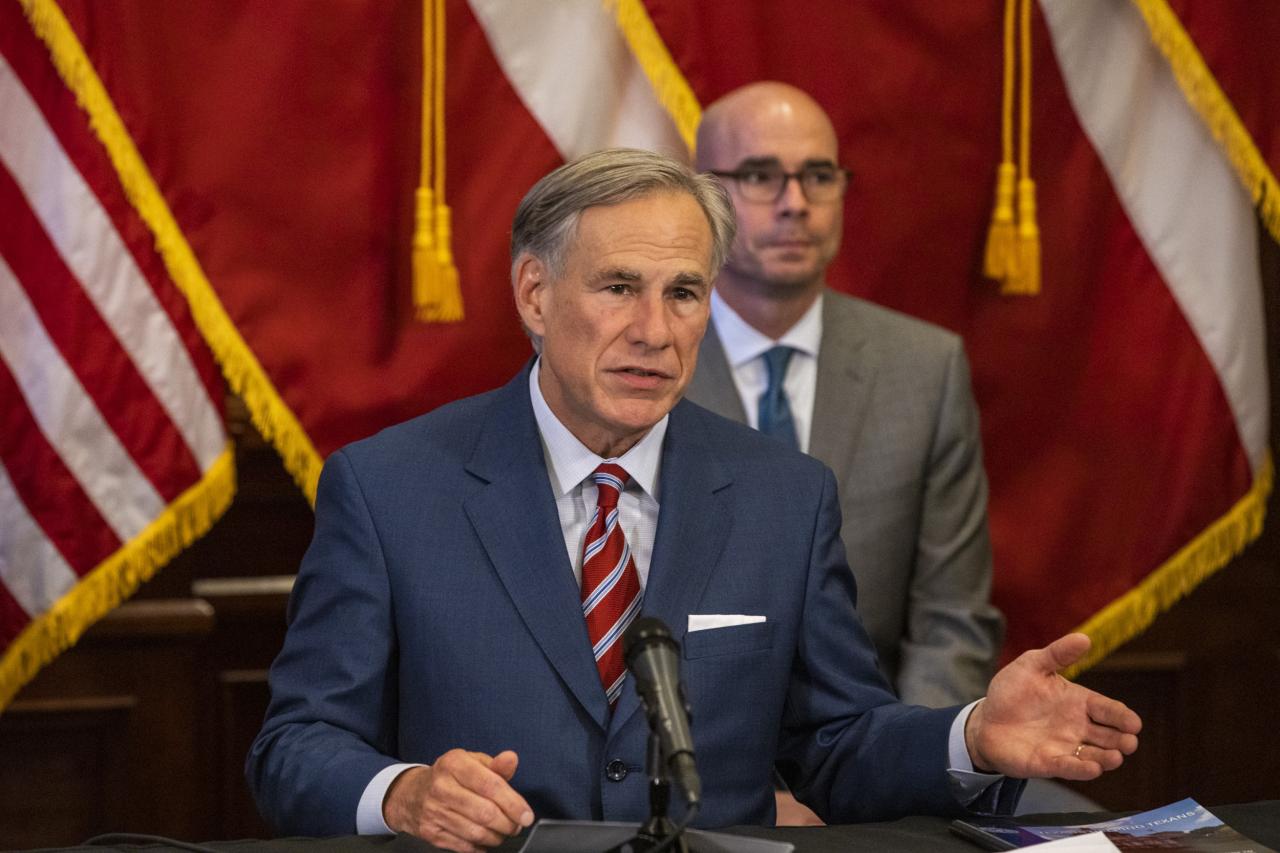
The decision to bus undocumented immigrants to D.C. is a bold and divisive move that has thrust immigration policy back into the spotlight. The human impact of this policy remains a subject of intense debate, with advocates expressing concern for the well-being of those being transported.
The legal and ethical implications of this policy are being scrutinized by legal experts and human rights organizations. The future of immigration policy in Texas and the United States will undoubtedly be shaped by this controversial policy, prompting ongoing discussions about the role of states in addressing this complex issue.