
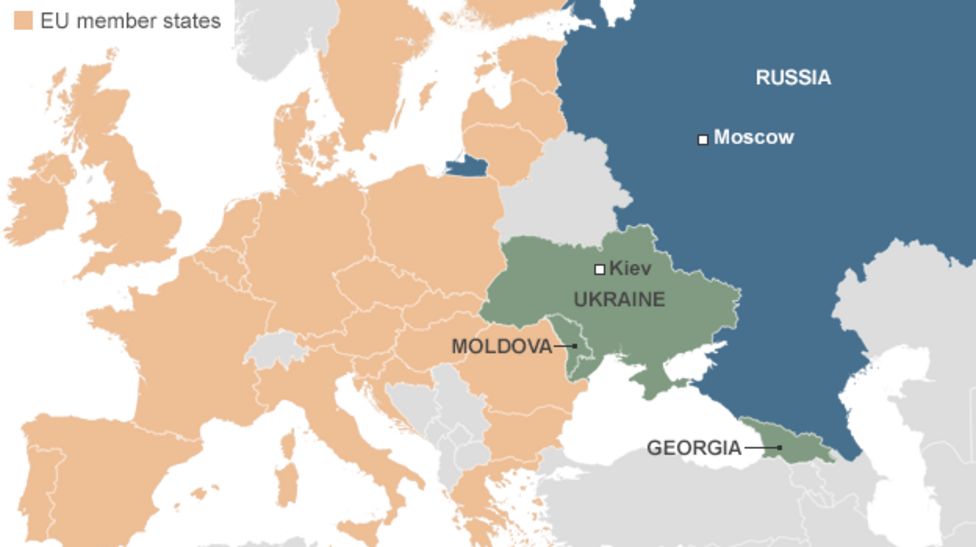
EU Ambassador: Russia-Ukraine Crisis Unites EU and NATO
European union ambassador says russia ukraine crisis has unified the eu and nato – EU Ambassador: Russia-Ukraine Crisis Unites EU and NATO – The ongoing conflict in Ukraine has had a profound impact on the European Union and its relationship with NATO. The crisis has spurred unprecedented levels of unity and cooperation between the two organizations, demonstrating a shared commitment to defending shared values and security interests.
This unified response has been driven by a shared sense of urgency and the recognition that Russia’s actions pose a direct threat to the stability of the entire European continent.
The EU and NATO have taken a number of concrete steps to address the crisis, including imposing severe sanctions on Russia, providing military and financial support to Ukraine, and bolstering their collective defense capabilities. These actions are a clear indication of the depth of the partnership between the two organizations and their determination to deter further aggression from Russia.
The crisis has also led to a renewed focus on the importance of transatlantic security and the need for a strong and united front against authoritarianism and aggression.
Long-Term Implications: European Union Ambassador Says Russia Ukraine Crisis Has Unified The Eu And Nato
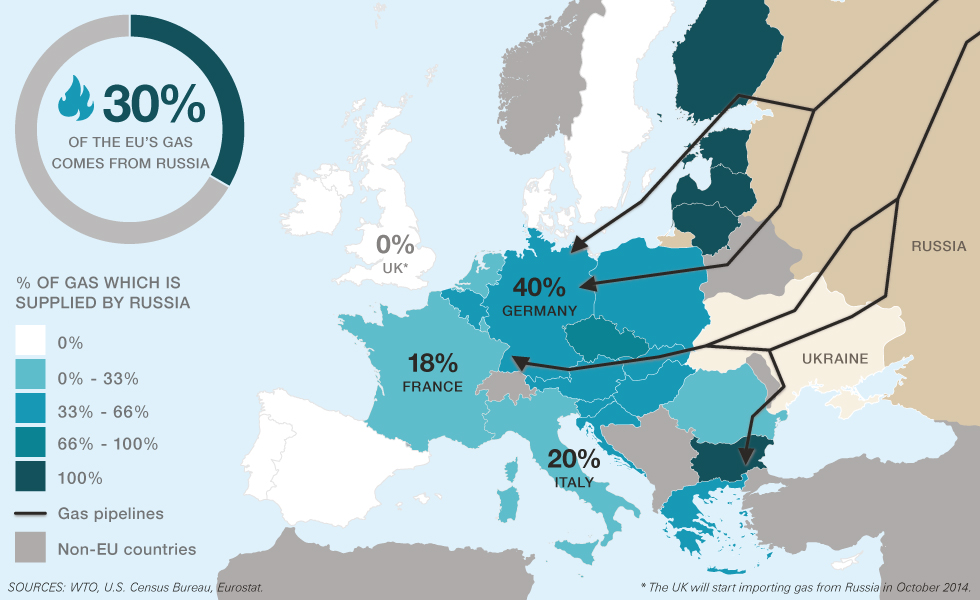
The Russia-Ukraine crisis has undoubtedly had a profound impact on the European Union, both in the short and long term. The crisis has not only exposed vulnerabilities within the EU’s security architecture but has also catalyzed a significant shift in the bloc’s approach to international security and its relationship with Russia.
The crisis has highlighted the EU’s reliance on external actors for its security, particularly NATO, and has fueled discussions about the need for greater EU autonomy in defense and security.
The EU’s Role in International Security, European union ambassador says russia ukraine crisis has unified the eu and nato
The crisis has underscored the importance of the EU’s role in international security, particularly in its immediate neighborhood. The EU has been actively involved in supporting Ukraine, providing financial and military aid, and imposing sanctions on Russia. This has demonstrated the EU’s commitment to upholding international law and defending the principles of democracy and territorial integrity.
The crisis has also highlighted the need for the EU to develop a more robust and coordinated approach to security challenges, including the potential for future conflicts.
- The EU has been actively involved in supporting Ukraine, providing financial and military aid, and imposing sanctions on Russia. This has demonstrated the EU’s commitment to upholding international law and defending the principles of democracy and territorial integrity.
- The crisis has also highlighted the need for the EU to develop a more robust and coordinated approach to security challenges, including the potential for future conflicts.
- The crisis has highlighted the need for the EU to strengthen its own defense capabilities and develop a more independent security policy. The EU has already taken steps in this direction, such as the creation of the European Defence Fund and the development of a Strategic Compass for security and defense.
- The crisis has also shown the importance of cooperation between the EU and NATO. The two organizations have been working closely together to support Ukraine and deter further Russian aggression.
EU-Russia Relations
The crisis has severely strained relations between the EU and Russia. The EU has imposed unprecedented sanctions on Russia in response to its invasion of Ukraine. These sanctions have targeted key sectors of the Russian economy and have had a significant impact on the country’s ability to operate on the global stage.
The crisis has also led to a deep mistrust between the EU and Russia, making it difficult to imagine a return to the pre-crisis relationship.
- The EU has imposed unprecedented sanctions on Russia in response to its invasion of Ukraine. These sanctions have targeted key sectors of the Russian economy and have had a significant impact on the country’s ability to operate on the global stage.
- The crisis has also led to a deep mistrust between the EU and Russia, making it difficult to imagine a return to the pre-crisis relationship.
- The crisis has also highlighted the need for the EU to develop a more robust and coordinated approach to Russia, including the potential for future conflicts.
EU-NATO Cooperation
The crisis has shown the importance of cooperation between the EU and NATO. The two organizations have been working closely together to support Ukraine and deter further Russian aggression. The crisis has also highlighted the need for the EU to strengthen its own defense capabilities and develop a more independent security policy.
The EU has already taken steps in this direction, such as the creation of the European Defence Fund and the development of a Strategic Compass for security and defense.
- The crisis has shown the importance of cooperation between the EU and NATO. The two organizations have been working closely together to support Ukraine and deter further Russian aggression.
- The crisis has also highlighted the need for the EU to strengthen its own defense capabilities and develop a more independent security policy.
- The EU has already taken steps in this direction, such as the creation of the European Defence Fund and the development of a Strategic Compass for security and defense.
Closing Notes
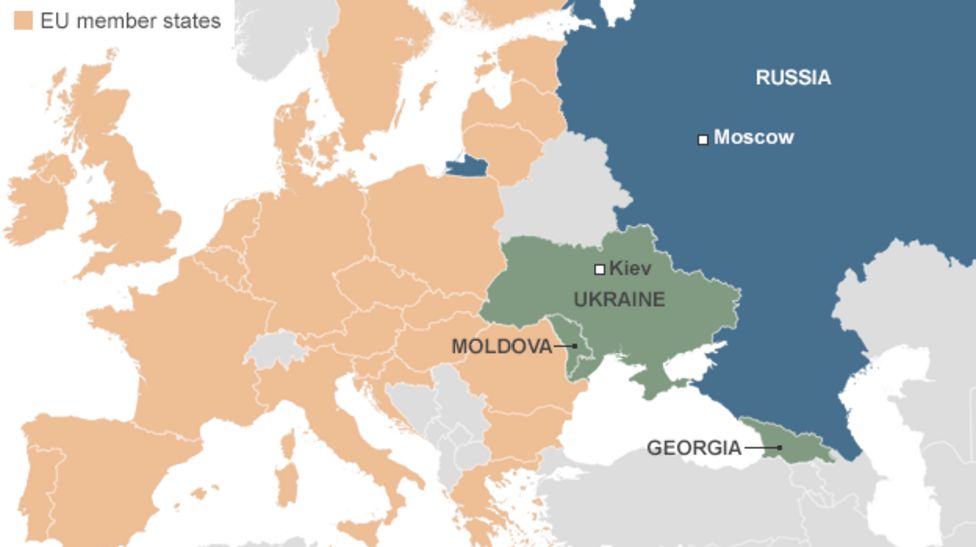
The Russia-Ukraine crisis has been a watershed moment for the EU and NATO, pushing them to work more closely together and to reaffirm their commitment to collective security. The crisis has also highlighted the importance of international cooperation in addressing global challenges.
As the crisis unfolds, it remains to be seen what the long-term implications will be for the EU, NATO, and the broader international order. However, one thing is clear: the crisis has forced the EU and NATO to adapt and to strengthen their partnership in order to meet the challenges of a rapidly changing world.
The EU ambassador’s statement about the Russia-Ukraine crisis unifying the EU and NATO is a powerful reminder of the importance of international solidarity. It’s also a stark contrast to the divisive rhetoric we see in the US, where issues like abortion rights are used to pit people against each other.
While the EU and NATO stand together, we’re left wondering, “Will the pro-abortion rights billionaires please stand up” will the pro abortion rights billionaires please stand up and use their influence to protect women’s rights? Perhaps then, the US could also find some unity in the face of global challenges.
It’s fascinating to see how the Russia-Ukraine crisis has galvanized the EU and NATO, but the news from Wisconsin makes me wonder if this unity extends to domestic issues. Republicans there are asking the Supreme Court to block a map that would create a black majority district, a move that seems to contradict the spirit of unity and inclusivity that many are calling for in response to the war in Ukraine.
It’s a stark reminder that while international crises can bring nations together, internal divisions can still fester and threaten to undermine progress.
The EU ambassador’s statement about the Russia-Ukraine crisis uniting the EU and NATO is a powerful reminder of the importance of global cooperation. It’s interesting to see this solidarity playing out in the business world too, with Twitter remaining committed to the Elon Musk deal despite his antics, as reported in this article.
Perhaps these events are a sign that even in turbulent times, we can find common ground and move forward together.