
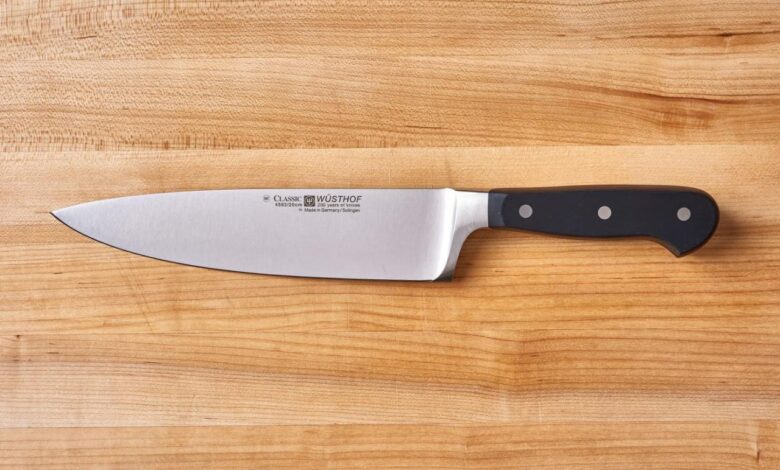
How to Find the Best Chefs Knife for You
How to find the best chefs knife for you – How to find the best chef’s knife for you? It’s a question every home cook asks themselves at some point. A sharp, well-balanced knife can transform your cooking experience, making chopping, slicing, and dicing a breeze. But with so many options on the market, it can feel overwhelming to choose the right one.
This guide will equip you with the knowledge you need to find the perfect knife for your needs, cooking style, and budget.
From understanding the different types of knives to considering the importance of blade length, shape, and steel, we’ll delve into the key features that make a great chef’s knife. We’ll also explore the differences between Japanese and Western styles, popular knife types, and the best practices for caring for your new culinary companion.
Key Features to Consider
Choosing the right chef’s knife involves considering several key features that influence its performance and suitability for your needs. These features, from blade length to handle material, play a crucial role in determining how efficiently and comfortably you can use the knife.
Blade Length
The length of a chef’s knife blade directly impacts its versatility and effectiveness in different tasks.
- A shorter blade, typically around 6-8 inches, is ideal for smaller tasks like chopping vegetables and herbs. It offers greater control and maneuverability in tight spaces.
- A longer blade, ranging from 8-10 inches, provides more leverage for slicing and dicing larger ingredients, making it suitable for meat and poultry preparation.
- Longer blades, exceeding 10 inches, are primarily used by professional chefs for heavy-duty tasks like butchering and breaking down large cuts of meat.
The optimal blade length depends on your individual needs and the types of tasks you frequently perform in the kitchen.
Blade Shape
The shape of the blade plays a significant role in determining the knife’s cutting action and overall functionality.
- A straight edgeblade, characterized by a straight cutting edge, is the most common and versatile shape. It excels in a wide range of tasks, from slicing to chopping.
- A Granton edgeblade features a series of small indentations along the cutting edge. These indentations prevent food from sticking to the blade, making it ideal for slicing meat and fish.
- A curved edgeblade, often found in cleavers, is designed for chopping through bone and cartilage. Its curved shape allows for powerful chopping action.
Steel Type, How to find the best chefs knife for you
The type of steel used in a chef’s knife significantly impacts its sharpness, durability, and resistance to corrosion.
- High-carbon steelis known for its exceptional sharpness and edge retention. However, it is susceptible to rust and requires careful maintenance.
- Stainless steeloffers superior corrosion resistance and is easier to maintain. However, it may not be as sharp as high-carbon steel and may require more frequent sharpening.
- Damascus steelis a layered steel that combines the benefits of both high-carbon and stainless steel. It is renowned for its exceptional sharpness, durability, and aesthetic appeal.
Handle Material
The handle material plays a crucial role in the comfort and grip of the chef’s knife.
| Handle Material | Pros | Cons |
|---|---|---|
| Wood | Warm and comfortable to hold, natural and aesthetically pleasing. | Can be susceptible to moisture damage and requires regular maintenance. |
| Plastic | Durable, easy to clean, and affordable. | May feel less comfortable and natural than wood or metal handles. |
| Metal | Durable, hygienic, and often comes with a textured grip for enhanced control. | Can be cold to the touch and may be heavier than other handle materials. |
| Micarta | Durable, water-resistant, and offers excellent grip. | Can be more expensive than other handle materials. |
Choosing the Right Knife
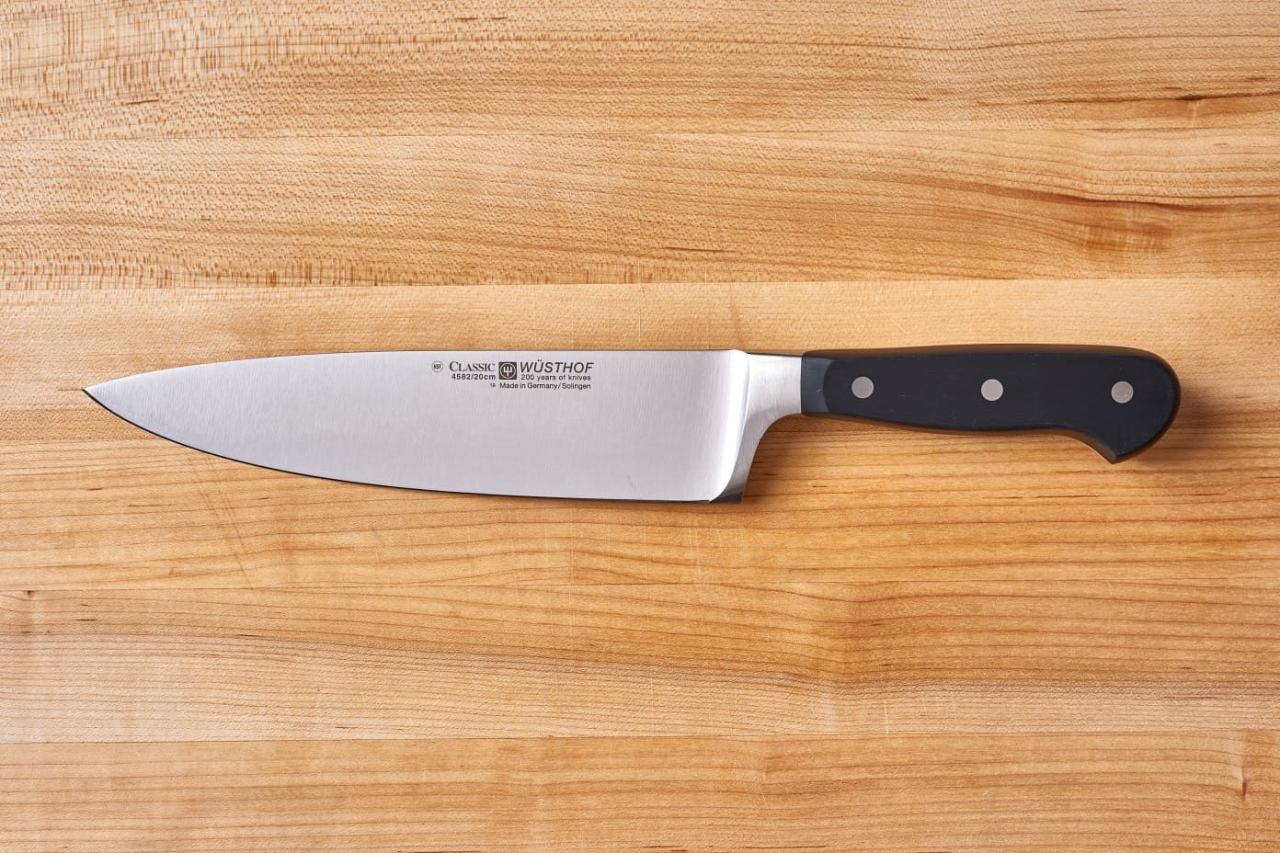
Now that you understand the key features to consider, it’s time to put your knowledge into practice and choose the perfect chef’s knife for your needs. The best way to do this is by visiting a reputable kitchen store or specialty shop where you can handle and evaluate different knives in person.
Choosing the right chef’s knife is a personal decision, just like crafting a sales pitch that resonates. You need to consider your needs, your budget, and the type of cooking you do. It’s all about creating a compelling package, much like following the 3 steps to creating a winning custom sales folder , where you tailor your presentation to your audience.
Ultimately, the best chef’s knife for you is the one that feels right in your hand and helps you create delicious meals with ease.
Evaluating a Chef’s Knife
To choose the right chef’s knife, it’s crucial to evaluate it in person. This allows you to assess its balance, feel in hand, and overall craftsmanship. Here’s how to do it:
- Balance:Hold the knife near the bolster (where the blade meets the handle) and gently lift it. It should feel balanced, with the weight evenly distributed. A well-balanced knife will be easier to control and maneuver during use.
- Feel in Hand:Grip the handle comfortably and assess its size and shape. It should fit your hand comfortably and securely, allowing you to maintain a firm grip without straining your hand.
- Craftsmanship:Examine the blade for any imperfections, such as uneven grinds or rough edges. The blade should be smooth and polished, with a consistent finish. Pay attention to the handle as well; it should be made of durable material, such as wood or resin, and be securely attached to the blade.
Testing the Knife’s Balance and Feel
When evaluating a chef’s knife, it’s important to test its balance and feel in hand. This will help you determine if the knife is comfortable and easy to use.
- Balance:Hold the knife near the bolster and gently lift it. The weight should be evenly distributed. A well-balanced knife will be easier to control and maneuver.
- Feel in Hand:Grip the handle comfortably. It should fit your hand securely and allow you to maintain a firm grip without straining your hand.
Identifying Signs of High-Quality Craftsmanship
High-quality chef’s knives are made with meticulous attention to detail and craftsmanship. Here are some signs to look for:
- Blade Material:High-quality chef’s knives are typically made from high-carbon stainless steel, which is known for its durability, sharpness, and edge retention. Some knives may also be made from other materials, such as Damascus steel, which is known for its intricate patterns and exceptional sharpness.
Finding the perfect chef’s knife is like finding the right tool for the job, and just like how Airrack became the Elon Musk of YouTube by pushing boundaries and experimenting with innovative content , you need to consider your own culinary needs and preferences.
Whether you’re a seasoned chef or just starting out, a good knife is an essential investment that will make your cooking experience more enjoyable and efficient.
- Blade Finish:The blade should be smooth and polished, with a consistent finish. Look for any imperfections, such as uneven grinds or rough edges.
- Handle Material:The handle should be made of durable material, such as wood or resin. It should be securely attached to the blade and provide a comfortable grip.
- Bolster:The bolster, where the blade meets the handle, should be smooth and rounded, providing a comfortable transition between the blade and the handle.
- Overall Appearance:A high-quality chef’s knife will have a sleek and elegant appearance, with clean lines and a balanced design.
Sharpening a Chef’s Knife
Sharpening a chef’s knife is essential for maintaining its sharpness and performance. Here’s the proper technique:
To sharpen a chef’s knife, use a sharpening steel or a honing steel. Hold the steel at a 20-degree angle to the blade and gently draw the blade along the steel, starting from the heel and moving towards the tip. Repeat this process on both sides of the blade.
Finding the right chef’s knife is a personal journey, like navigating the volatile world of cryptocurrencies. Just as a bad investment can lead to a financial meltdown, a poorly chosen knife can lead to frustration in the kitchen. Remember that article I read about how a trash talking crypto bro caused a 40 billion crash ?
It made me realize that even in the culinary world, there’s a risk involved. So, before you take the plunge, do your research, consider your needs, and find a knife that’s a perfect fit for your style and skill level.
Caring for Your Chef’s Knife: How To Find The Best Chefs Knife For You
A chef’s knife is a valuable investment, and proper care ensures it remains a reliable tool for years to come. Washing, storing, and sharpening are essential practices to maintain its sharpness and prevent damage.
Washing Your Chef’s Knife
Washing your chef’s knife correctly prevents rust and dulling. Hand washing is always recommended for chef’s knives, as dishwashers can damage the blade and handle.
- Immediately after use, rinse the knife under running water to remove food particles.
- Use a gentle dish soap and a soft sponge or cloth to clean the blade and handle. Avoid abrasive scrubbers, as they can scratch the surface.
- Thoroughly dry the knife with a clean towel, paying particular attention to the blade to prevent water spots.
Storing Your Chef’s Knife
Proper storage safeguards your chef’s knife from damage and keeps it readily accessible.
- Store your chef’s knife in a knife block, magnetic strip, or sheath, ensuring the blade is protected from contact with other knives.
- Avoid storing knives in drawers, where they can become dull or damaged by bumping against other utensils.
- If storing knives in a drawer, use a knife guard or wrap them individually in a cloth to protect the blade.
Preventing Rust
Rust is a common problem for knives, particularly those made from carbon steel.
- Thoroughly dry your chef’s knife after washing, especially the blade.
- Consider applying a light coating of mineral oil to the blade to create a protective barrier against rust.
- Store knives in a dry environment, away from moisture.
Maintaining a Sharp Edge
A sharp chef’s knife is essential for efficient and safe cutting. Honing and sharpening are distinct processes that help maintain a sharp edge.
Using a Honing Steel
Honing is a regular practice that aligns the blade’s edge, restoring its sharpness.
- Use a honing steel before each use to straighten the blade’s edge.
- Hold the honing steel at a 20-degree angle to the blade and draw the knife down the steel in a smooth, controlled motion.
- Repeat this process on both sides of the blade.
Professional Sharpening Services
Professional sharpening services are essential for restoring a severely dulled knife.
- Seek out a reputable sharpening service that uses specialized equipment and techniques.
- Professional sharpening restores the blade’s edge to its original sharpness.
- Regular professional sharpening ensures your chef’s knife remains in optimal condition.
Last Point
Investing in a high-quality chef’s knife is an investment in your cooking. By understanding your needs, considering key features, and taking the time to choose the right knife, you’ll be equipped to tackle any culinary challenge with confidence and precision.
Remember, a good knife is a joy to use, making your cooking experience more enjoyable and rewarding.