
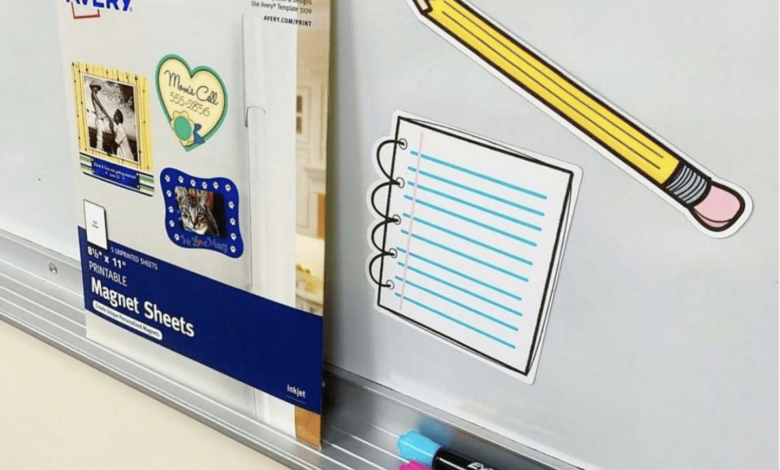
30 Whiteboard Hacks Every Teacher Can Really Use
30 Whiteboard Hacks Every Teacher Can Really Use: Imagine a classroom where learning is not just about listening and taking notes, but about active participation, visual engagement, and a touch of creativity. This is the power of the whiteboard – a simple tool that can transform the learning experience for both teachers and students.
From organizing content for maximum clarity to incorporating interactive games and visual aids, this guide explores a treasure trove of practical tips and techniques that will unlock the full potential of your whiteboard. Whether you’re a seasoned educator or just starting out, these hacks will empower you to create a dynamic and engaging learning environment that captivates students and makes learning fun and memorable.
Organization and Layout Hacks
A well-organized whiteboard can transform your classroom into a visually engaging learning environment. Think of it as a canvas for your ideas, where you can present information in a clear, concise, and memorable way.
Whiteboard Layouts for Different Subjects
The layout of your whiteboard can vary depending on the subject matter you’re teaching. Here are some examples:
Math
- Problem-Solving Area:Dedicate a section for writing out math problems, showing steps, and highlighting key formulas.
- Concept Definitions:Use a separate area to define important mathematical terms and concepts.
- Visual Representations:Include diagrams, graphs, or charts to visually represent mathematical ideas.
Science
- Scientific Method Steps:Artikel the steps of the scientific method in a clear, sequential order.
- Experiment Data:Designate a space for recording observations, measurements, and results from experiments.
- Diagrams and Labels:Use diagrams to illustrate scientific concepts and label key components.
History
- Timeline:Create a visual timeline to illustrate historical events and their sequence.
- Key Figures:List important historical figures and their contributions.
- Map:Use a map to show locations relevant to the historical period being studied.
Language Arts
- Vocabulary Words:Write down new vocabulary words and their definitions.
- Grammar Rules:Present grammatical rules and examples in a clear and concise way.
- Storyboard:Use a storyboard to visualize the plot and characters of a story.
Color-Coding for Enhanced Comprehension
Color-coding can be a powerful tool for organizing information and making it more accessible to students.
Teaching is a creative endeavor, and 30 whiteboard hacks can really elevate your classroom engagement. From colorful markers to interactive games, these hacks are a teacher’s best friend. But sometimes, even with all the clever tricks, it’s hard to fathom the scale of resources available to those with vast fortunes, like Jeff Bezos.
Check out this article, 9 ways to imagine jeff bezos wealth , for some mind-boggling perspective. It’s a reminder that even with a limited budget, teachers can make a huge impact with a little ingenuity and a whiteboard.
- Different Concepts:Assign different colors to represent different concepts, making it easier to differentiate between them.
- Key Information:Use bold colors to highlight key terms, dates, or formulas.
- Visual Appeal:Use a variety of colors to make your whiteboard more visually appealing and engaging.
Organizing Whiteboard Content for Visual Appeal and Comprehension
Here are some tips for organizing your whiteboard content to enhance visual appeal and comprehension:
- Use White Space:Don’t cram too much information onto the whiteboard. Leave some white space to avoid overwhelming students.
- Group Related Information:Group similar concepts or ideas together to create a logical flow.
- Use Clear Headings:Use clear and concise headings to guide students through the information.
- Vary Font Sizes:Use different font sizes to emphasize important points and create visual interest.
Creating an Effective Whiteboard Layout for a Specific Lesson
When designing a whiteboard layout for a specific lesson, consider the following:
- Learning Objectives:What are the key concepts or skills you want students to learn?
- Student Needs:What are the learning styles and needs of your students?
- Time Constraints:How much time do you have to present the information?
“A well-designed whiteboard can be a powerful tool for engaging students, enhancing comprehension, and making your lessons more memorable.”
Interactive Whiteboard Engagement
Interactive whiteboards are powerful tools that can transform your classroom into a dynamic and engaging learning environment. Their touch-sensitive surfaces and integration with technology allow for collaborative activities, interactive games, and a more dynamic learning experience.
I’m always on the lookout for ways to make my classroom more engaging and effective, and that’s why I was so excited to discover “30 Whiteboard Hacks Every Teacher Can Really Use.” These hacks are so smart and practical, they’ll make your life easier and your students more interested in learning.
Of course, sometimes it’s hard to be creative when you’re feeling like the world is spinning out of control, and that’s where articles like in an uncivil age calls for civility are about squashing effective protest come in handy.
They remind us that even in the face of chaos, we can still find ways to make a difference. And maybe, just maybe, some of those “30 Whiteboard Hacks” will help us do just that!
Collaborative Learning Activities
Interactive whiteboards can facilitate real-time collaboration among students.
- Brainstorming Sessions:Use the whiteboard to create a shared space for students to brainstorm ideas. The whiteboard can be used to display and organize ideas visually, fostering a collaborative and creative environment.
- Group Projects:Students can work together on projects, using the whiteboard as a shared workspace. They can add text, images, and diagrams to the whiteboard, making it a central hub for their collaborative efforts.
- Concept Mapping:Interactive whiteboards are ideal for creating concept maps. Students can work together to visually represent relationships between different concepts, making learning more interactive and engaging.
Interactive Games and Quizzes
Interactive whiteboards can be used to create engaging games and quizzes that reinforce learning.
- Interactive Quizzes:Create multiple-choice quizzes that students can answer by touching the correct answer on the whiteboard. The whiteboard can provide immediate feedback, allowing students to see their results and learn from their mistakes.
- Word Games:Use the whiteboard to play word games like hangman or crossword puzzles. These games can help students learn new vocabulary and improve their spelling skills.
- Interactive Simulations:Utilize the whiteboard to display interactive simulations that allow students to explore concepts in a hands-on way. This can be particularly effective for subjects like science and math.
Encouraging Student Participation, 30 whiteboard hacks every teacher can really use
Interactive whiteboards provide opportunities for students to actively participate in the learning process.
- Interactive Polls:Use the whiteboard to conduct polls and surveys, allowing students to share their opinions and perspectives. This can help gauge understanding and stimulate discussion.
- Student-Led Presentations:Encourage students to use the whiteboard to present their work to the class. This can help them develop their public speaking skills and confidence.
- Digital Annotation:Students can annotate on the whiteboard using their fingers or a stylus, adding their own notes and comments to shared content. This allows for a more personalized learning experience.
Facilitating Group Discussions and Problem-Solving
Interactive whiteboards can be valuable tools for facilitating group discussions and problem-solving.
- Shared Workspace:The whiteboard provides a shared workspace for students to work together on problems and solutions. They can brainstorm ideas, share information, and collaboratively reach conclusions.
- Visual Representation:Use the whiteboard to visually represent problems and solutions. This can help students better understand complex concepts and make connections between different ideas.
- Real-Time Feedback:The whiteboard allows for real-time feedback during discussions. Teachers can see students’ ideas and responses, providing guidance and support as needed.
Time-Saving and Efficiency Hacks
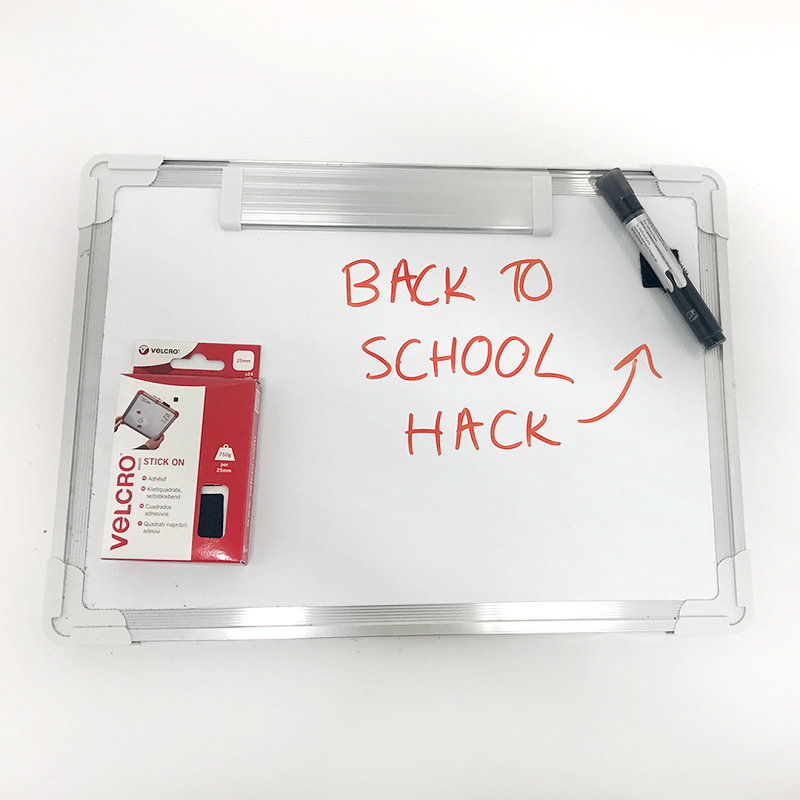
In the fast-paced world of teaching, time is a precious commodity. Every minute saved can be reinvested in student engagement, personalized instruction, or simply taking a deep breath. The whiteboard, often seen as a tool for spontaneous instruction, can actually be a powerful ally in maximizing your time and efficiency.
Preparing Whiteboard Content in Advance
One of the most effective ways to save time during class is to prepare your whiteboard content in advance. This might seem counterintuitive, as the whiteboard is often associated with on-the-fly brainstorming or spontaneous explanations. However, pre-planning can free up valuable class time for deeper discussion and student interaction.
- Create a weekly or unit-based plan:Instead of trying to figure out what to write on the board every day, take some time at the beginning of the week or unit to plan your whiteboard content. This will help you to stay organized and ensure that you cover all of the important concepts.
- Prepare key visuals and diagrams:If you know you’ll be discussing a particular concept or process, create a visual representation in advance. This could be a diagram, chart, or even a simple list of key terms. Having these visuals ready to go will save you time during class and make your explanations more engaging.
I was just reading about 30 whiteboard hacks every teacher can really use, and it got me thinking about how creativity can be found in the most unexpected places. It reminds me of this new album that makes beautiful music out of gravity, the elements, and photosynthesis – it’s a truly unique and inspiring approach to music! Back to those whiteboard hacks, though, I’m sure they’ll be a game-changer for teachers everywhere.
- Use technology to your advantage:There are a number of online tools and apps that can help you to create and organize whiteboard content. For example, you can use a digital whiteboard app to create interactive diagrams or presentations. You can also use a word processing program to create lists, Artikels, or even entire lesson plans that you can easily transfer to your physical whiteboard.
Utilizing Pre-Made Templates and Resources
The internet is a treasure trove of pre-made whiteboard templates and resources. These resources can be a huge time-saver, allowing you to quickly and easily create engaging and informative whiteboard content.
- Search online for free templates:A quick search on Google or Pinterest will turn up a wealth of free whiteboard templates for various subjects and topics. These templates can include everything from concept maps and timelines to vocabulary lists and graphic organizers.
- Explore educational websites and marketplaces:Websites like Teachers Pay Teachers and TpT offer a wide range of paid and free whiteboard resources, including templates, activities, and lesson plans. These resources are often created by experienced teachers and can be a valuable investment for your time and effort.
- Utilize open-source resources:Many educational institutions and organizations offer free and open-source whiteboard resources. These resources can be a great way to access high-quality content without spending any money.
Quick and Easy Whiteboard Activities
Even with pre-planned content, there are times when you need to quickly engage students or assess their understanding. Whiteboard activities can be a great way to do this, and they don’t have to be time-consuming.
- “Think-Pair-Share”:This classic activity involves students thinking about a question or concept individually, then discussing it with a partner, and finally sharing their ideas with the class. It’s a great way to get students thinking and talking about the material.
- “Quick Write”:Ask students to write a quick response to a prompt or question on their whiteboards. This can be a great way to check for understanding or to generate ideas.
- “Word Wall”:Create a word wall on your whiteboard with key terms or vocabulary words related to the topic you are studying. Students can then use these words to create sentences, write definitions, or even draw pictures.
Managing Whiteboard Space Effectively
Maximizing whiteboard space is crucial for presenting information clearly and efficiently. A well-organized whiteboard can make a significant difference in student comprehension and engagement.
- Divide the board into sections:Instead of writing everything in a jumbled mess, divide the board into logical sections. This could be by topic, concept, or even by different types of information (e.g., definitions, examples, key takeaways). Clear sections make it easier for students to follow your presentation.
- Use different colors:Color-coding can help to organize information and make it more visually appealing. For example, you could use different colors to highlight key terms, definitions, or different types of information.
- Use a whiteboard eraser:A whiteboard eraser can be a valuable tool for managing space. Use it to erase sections of the board that are no longer needed, creating space for new information. This keeps the board from becoming cluttered and overwhelming.
Creative and Engaging Techniques: 30 Whiteboard Hacks Every Teacher Can Really Use
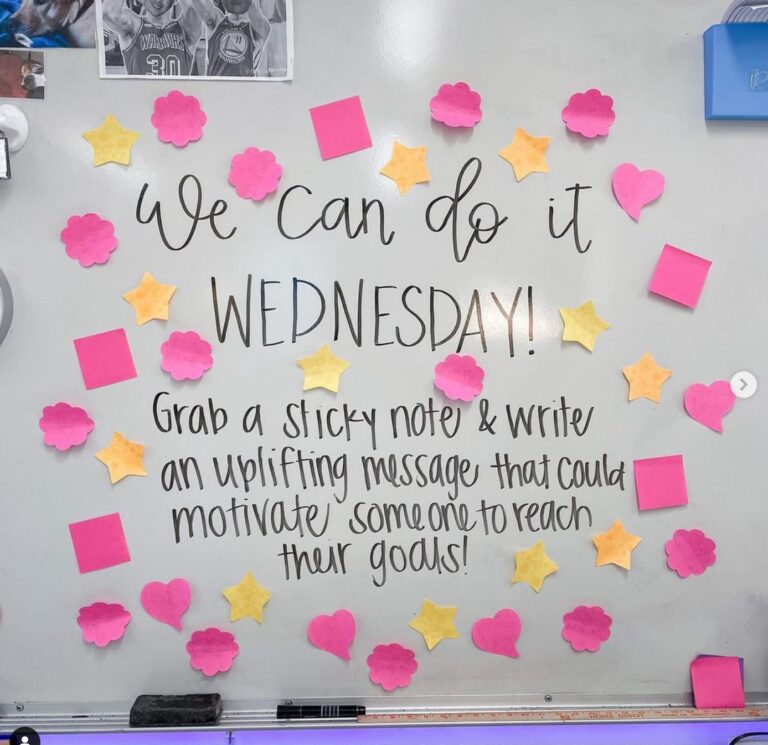
The whiteboard is more than just a surface for writing notes; it’s a canvas for creativity and engagement. By incorporating storytelling, role-playing, and humor, you can transform the whiteboard into a dynamic tool that captures student attention and enhances learning.
Storytelling on the Whiteboard
Storytelling can bring lessons to life, making them more memorable and relatable. Use the whiteboard to create visual narratives that engage students’ imaginations. * Visual Storyboards:Divide the whiteboard into sections representing different parts of a story. Students can draw, write, or use pictures to illustrate key events, characters, and settings.
Character Development
Create a character map on the whiteboard, outlining the protagonist’s journey, motivations, and relationships. Students can contribute to the character’s development by adding details, challenges, and choices.
Interactive Story Time
Use the whiteboard to create a “choose your own adventure” scenario. Present students with different options, and let them vote on the story’s direction.
Interactive Role-Playing and Simulations
Role-playing and simulations allow students to step into different perspectives and actively participate in learning. The whiteboard can be used to create the stage for these immersive experiences.* Historical Events:Transform the whiteboard into a historical setting. Students can take on roles of different individuals or groups involved in a specific event, acting out key moments and debates.
Scientific Experiments
Use the whiteboard to visualize a scientific experiment. Students can take on roles of different components of the experiment, explaining their functions and interactions.
Problem-Solving Scenarios
Present a real-world problem on the whiteboard. Students can work in groups, brainstorming solutions, and presenting their ideas to the class.
Humor and Creativity
Injecting humor and creativity into whiteboard activities can make learning more enjoyable and engaging.* Wordplay and Puns:Use wordplay and puns to make concepts more memorable. For example, create a “punny” vocabulary list or use puns to illustrate grammar rules.
Visual Jokes
Draw simple cartoons or illustrations to make learning fun. You can use these visuals to explain concepts, introduce new vocabulary, or simply add a touch of humor to the lesson.
Creative Challenges
Challenge students to create their own whiteboard illustrations, jokes, or stories related to the lesson. Encourage them to think outside the box and use their creativity to express their understanding.
Unconventional Whiteboard Uses
The whiteboard can be used in unexpected ways to spark imagination and engagement.* Mind Mapping:Use the whiteboard to create mind maps that visually represent ideas and connections. This can be a great tool for brainstorming, summarizing information, and exploring different perspectives.
Game Boards
Transform the whiteboard into a game board for educational games. Students can move pieces, answer questions, and solve problems as they play.
Collaborative Art
Use the whiteboard as a canvas for collaborative art projects. Students can work together to create murals, drawings, or designs that reflect their learning.
Beyond the Basic Whiteboard
The traditional whiteboard is a staple in classrooms, but technology offers exciting new possibilities for enhancing learning. Digital whiteboards and interactive displays provide a dynamic and engaging learning environment that can transform how teachers present information and how students interact with it.
Integrating Technology with Whiteboard Activities
Technology can be seamlessly integrated with traditional whiteboard activities to create a more interactive and engaging learning experience. This integration can be as simple as using a digital pen to write on a whiteboard connected to a projector or as advanced as using interactive software to create dynamic lessons.
- Interactive Games and Quizzes:Using interactive whiteboard software, teachers can create engaging games and quizzes that allow students to actively participate in the learning process. This interactive format makes learning fun and helps students retain information better.
- Visual Aids and Animations:Digital whiteboards allow teachers to easily incorporate visual aids, animations, and videos into their lessons. This helps to make complex concepts more understandable and engaging for students.
- Real-time Collaboration:Interactive whiteboards enable real-time collaboration between students and teachers. Students can contribute ideas, solve problems together, and participate in discussions in a more dynamic way.
Online Whiteboard Tools for Collaborative Learning
Online whiteboard tools are powerful resources for collaborative learning and project-based activities. These tools allow students to work together on projects, share ideas, and brainstorm solutions from any location.
- Google Jamboard:Google Jamboard is a free online whiteboard tool that allows users to collaborate in real-time. It features a user-friendly interface and a variety of tools for brainstorming, sketching, and note-taking.
- Miro:Miro is a more advanced online whiteboard tool that offers a wider range of features for collaboration and project management. It is ideal for complex projects that require detailed planning and organization.
- Canva:Canva is a popular online design platform that also includes a whiteboard tool. It offers a wide variety of templates and design elements that can be used to create engaging and professional presentations.
Virtual Whiteboards for Remote Learning
Virtual whiteboards are essential tools for remote learning environments. They allow teachers to conduct online lessons, share information, and collaborate with students in a virtual classroom.
- Zoom Whiteboard:Zoom’s built-in whiteboard feature is a simple and effective tool for remote teaching. It allows teachers to share their screen, write notes, and draw diagrams in real-time.
- Microsoft Whiteboard:Microsoft Whiteboard is a more advanced virtual whiteboard that offers a variety of features for collaboration and project management. It integrates seamlessly with other Microsoft applications, making it a versatile tool for remote learning.
- Explain Everything:Explain Everything is a popular app for creating interactive whiteboard presentations. It allows teachers to record their voice, draw diagrams, and add annotations to create engaging and informative lessons.
Outcome Summary
As we’ve explored, the whiteboard is more than just a surface for writing – it’s a canvas for creativity, a platform for interaction, and a tool for effective learning. By embracing these 30 hacks, you can unlock the true potential of your whiteboard and transform your classroom into a vibrant and engaging space for learning.