Ukrainian War: Disproportionate Impact on US Economy
Ukrainian war to have disproportionate impact on u s economy – Ukrainian War: Disproportionate Impact on US Economy, this isn’t just a headline, it’s a stark reality. The conflict in Ukraine has sent shockwaves across the globe, and the US economy is feeling the reverberations. From soaring energy prices and disrupted supply chains to the ripple effects of sanctions on Russia, the war has created a complex economic landscape with far-reaching consequences.
The impact on the US economy is multifaceted. Supply chain disruptions, particularly in key industries like energy and agriculture, have driven up prices for consumers and businesses alike. Sanctions imposed on Russia, while intended to cripple its economy, have also created challenges for US companies operating in Russia and those relying on Russian resources.
The war has also fueled global inflation and heightened the risk of a recession in the US.
Economic Impact of the Ukrainian War on the US
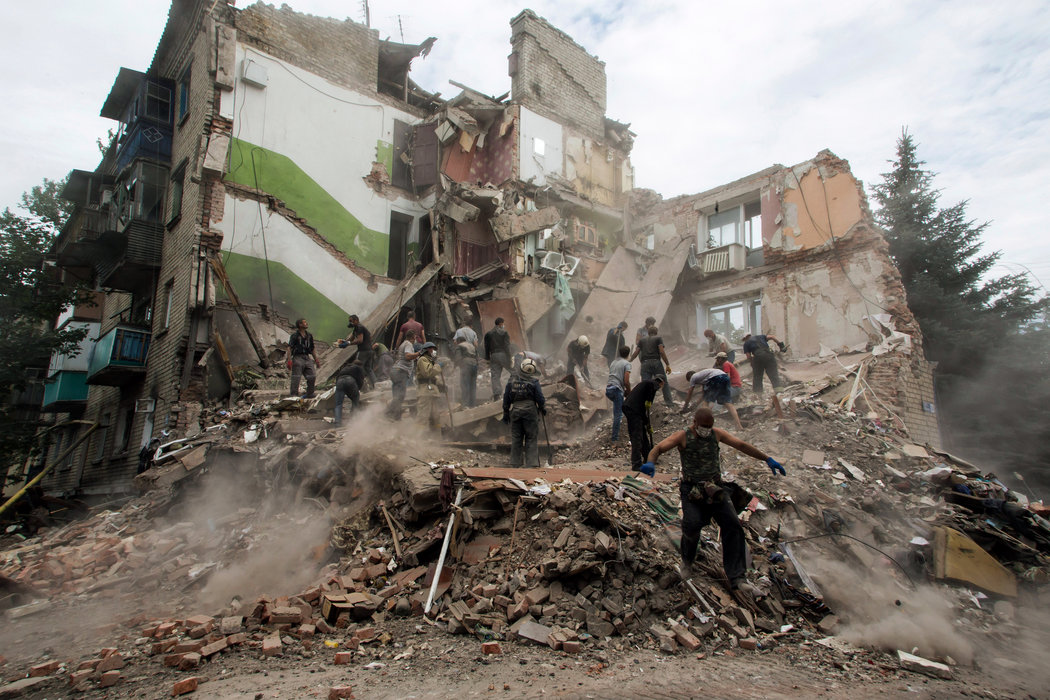
The ongoing war in Ukraine has had a profound impact on the global economy, with the US experiencing significant economic repercussions. From disrupted supply chains to surging energy prices and heightened inflation, the conflict has created a complex web of economic challenges for American businesses and consumers alike.
The Ukrainian war is a complex issue with far-reaching consequences, and its impact on the U.S. economy is likely to be significant. While the war has driven up energy prices and fueled inflation, it has also highlighted the need for stronger alliances and a more robust domestic manufacturing base.
It’s interesting to note that amidst these challenges, a recent CBS News poll found that more Americans view the Republican Party as extreme and the Democratic Party as weak. This polarization further complicates the task of navigating the economic fallout from the war, making it even more crucial for policymakers to find common ground and prioritize the needs of the American people.
Impact on US Businesses
The war has disrupted global supply chains, impacting businesses in various sectors. The conflict has disrupted the flow of critical goods like wheat, oil, and natural gas, leading to shortages and price increases. For example, the war has caused a sharp rise in the price of wheat, a key ingredient for many food products.
This has impacted US businesses reliant on imported wheat, leading to higher production costs and potentially impacting food prices for consumers.
- Supply Chain Disruptions:The war has caused significant disruptions in global supply chains, particularly for commodities like wheat, oil, and natural gas. This has led to shortages and price increases, impacting businesses across various sectors. For example, the war has significantly impacted the global supply of wheat, leading to higher prices and potential shortages for US businesses relying on imported wheat.
The Ukrainian war is already having a disproportionate impact on the U.S. economy, with rising inflation and supply chain disruptions. While the world focuses on the conflict, Fanatics adds Softbank executive and former Airbnb marketing chief to board of directors , signaling their continued commitment to growth and innovation.
It’s a reminder that even in times of global uncertainty, businesses are adapting and looking for new ways to succeed. The war’s long-term economic consequences remain to be seen, but it’s clear that businesses need to be agile and prepared for a volatile future.
- Rising Energy Prices:The war has significantly impacted energy prices, particularly for oil and natural gas. The conflict has disrupted the flow of these commodities, leading to a surge in prices, impacting businesses and consumers. For example, the war has significantly impacted the global supply of oil, leading to higher prices at the pump and impacting businesses that rely on oil for their operations.
- Inflation:The war has contributed to rising inflation in the US, driven by higher energy prices and supply chain disruptions. This has impacted businesses by increasing their input costs and reducing consumer spending. For example, the war has contributed to rising inflation in the US, impacting businesses by increasing their input costs and reducing consumer spending.
Impact of Sanctions on Russia, Ukrainian war to have disproportionate impact on u s economy
The US and its allies have imposed severe sanctions on Russia, targeting its financial institutions, energy sector, and key industries. These sanctions aim to cripple the Russian economy and hinder its ability to finance the war. However, these sanctions also have potential consequences for US companies operating in Russia, potentially impacting their investments and business operations.
- Economic Impact on Russia:The sanctions imposed on Russia have significantly impacted its economy, causing a decline in the value of the ruble, a rise in inflation, and a decrease in economic activity. These sanctions have also hindered Russia’s ability to access international markets and finance the war.
For example, the sanctions have significantly impacted the Russian banking sector, leading to a decrease in economic activity and a decline in the value of the ruble.
- Impact on US Companies Operating in Russia:US companies operating in Russia have been affected by the sanctions, potentially impacting their investments and business operations. Some companies have withdrawn from the Russian market, while others have been forced to adjust their operations to comply with the sanctions.
For example, many US companies have suspended their operations in Russia, including major brands like McDonald’s and Coca-Cola, due to the sanctions and the ethical concerns surrounding the war.
Impact on Global Trade
The war has disrupted global trade, impacting the flow of goods and services between countries. The conflict has led to trade restrictions, supply chain disruptions, and increased uncertainty in the global economy. For example, the war has disrupted trade between Russia and Ukraine, two major agricultural producers, leading to shortages and price increases for commodities like wheat and sunflower oil.
- Trade Restrictions:The war has led to trade restrictions between Russia and Ukraine, impacting the flow of goods and services between these two countries. These restrictions have disrupted global supply chains and led to higher prices for commodities like wheat and sunflower oil.
For example, the war has significantly impacted the global supply of wheat, leading to higher prices and potential shortages for countries relying on imported wheat.
- Supply Chain Disruptions:The war has disrupted global supply chains, leading to shortages and price increases for various goods and services. The conflict has also impacted the flow of goods and services between Russia and Ukraine, two major exporters of commodities like wheat and sunflower oil.
For example, the war has significantly impacted the global supply of wheat, leading to higher prices and potential shortages for countries relying on imported wheat.
- Uncertainty in the Global Economy:The war has created uncertainty in the global economy, impacting investor confidence and investment decisions. The conflict has also led to increased volatility in financial markets, making it difficult for businesses to plan for the future. For example, the war has created uncertainty in the global economy, impacting investor confidence and investment decisions.
The conflict has also led to increased volatility in financial markets, making it difficult for businesses to plan for the future.
Potential for a Recession in the US
The war in Ukraine has increased the risk of a recession in the US. The conflict has contributed to rising inflation, supply chain disruptions, and uncertainty in the global economy, all of which can negatively impact economic growth. For example, the war has contributed to rising inflation in the US, impacting consumer spending and potentially leading to a decrease in economic activity.
- Rising Inflation:The war has contributed to rising inflation in the US, driven by higher energy prices and supply chain disruptions. This has impacted businesses by increasing their input costs and reducing consumer spending. For example, the war has contributed to rising inflation in the US, impacting businesses by increasing their input costs and reducing consumer spending.
- Supply Chain Disruptions:The war has caused significant disruptions in global supply chains, impacting businesses in various sectors. The conflict has disrupted the flow of critical goods like wheat, oil, and natural gas, leading to shortages and price increases. For example, the war has significantly impacted the global supply of wheat, leading to higher prices and potential shortages for US businesses relying on imported wheat.
- Uncertainty in the Global Economy:The war has created uncertainty in the global economy, impacting investor confidence and investment decisions. The conflict has also led to increased volatility in financial markets, making it difficult for businesses to plan for the future. For example, the war has created uncertainty in the global economy, impacting investor confidence and investment decisions.
The conflict has also led to increased volatility in financial markets, making it difficult for businesses to plan for the future.
Impact on Specific Sectors
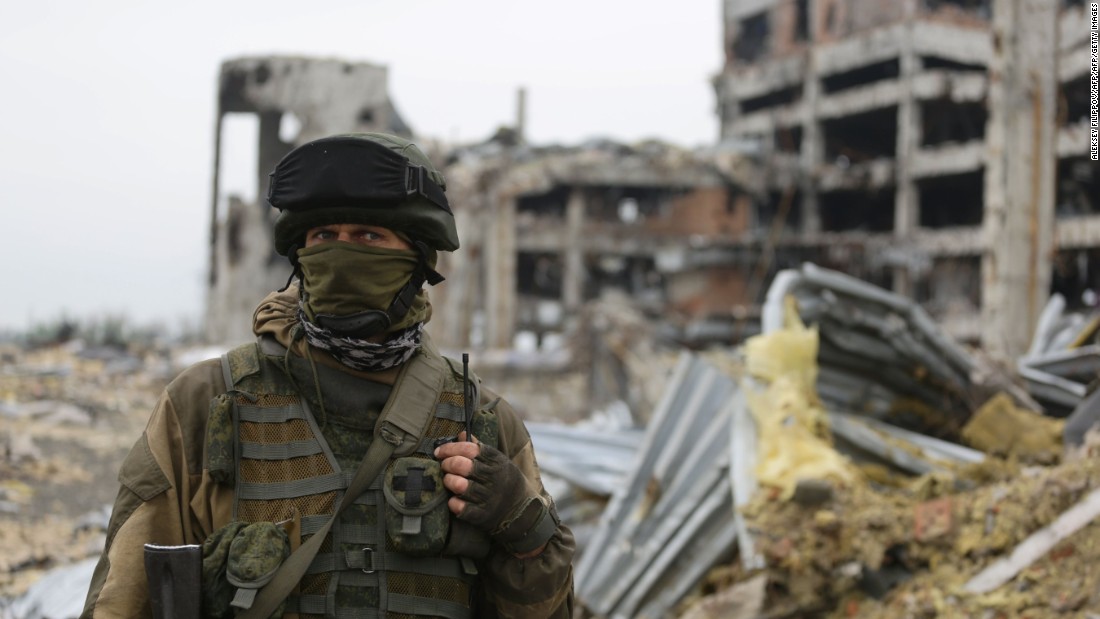
The Ukrainian war has had a profound impact on various sectors of the US economy, with some experiencing more significant disruptions than others. These industries, including energy, agriculture, and manufacturing, are crucial to the US economy, and the war’s effects have ripple effects across the entire economic system.
Energy
The war has exacerbated existing energy supply concerns, particularly in Europe, which heavily relies on Russian natural gas. The US has been a major supplier of liquefied natural gas (LNG) to Europe, but the demand for LNG has surged, leading to higher prices and potential shortages.
The war has also disrupted global oil markets, leading to increased volatility and price fluctuations. The US energy sector has responded to these challenges in various ways. For example, companies like ExxonMobil and Chevron have increased their production of oil and gas, while others are exploring new sources of energy, such as renewable energy.
The war has also accelerated the transition to cleaner energy sources, as the US and its allies seek to reduce their dependence on Russian fossil fuels. The long-term impact of the war on the energy sector remains uncertain. However, it is likely that the war will accelerate the shift towards renewable energy sources and increase the importance of energy security in the US and globally.
Agriculture
The war has disrupted global food supply chains, as Ukraine and Russia are major exporters of wheat, corn, and other agricultural commodities. The war has led to export restrictions, port closures, and disruptions in fertilizer production, all of which have contributed to rising food prices and concerns about food security.The US agricultural sector has been affected by the war, particularly in terms of rising input costs, such as fertilizer and fuel.
Some farmers are also facing challenges in finding alternative markets for their crops. However, the US is a major agricultural producer and exporter, and the country is expected to play a significant role in mitigating the global food crisis. The war’s long-term impact on the agricultural sector is uncertain, but it is likely to increase the importance of food security and global cooperation in addressing food shortages.
The Ukrainian war is a complex situation with far-reaching consequences, and its impact on the U.S. economy is likely to be significant. The conflict has already disrupted global supply chains, driven up energy prices, and fueled inflation. It’s a stark reminder that the world is interconnected, and events on the other side of the globe can have a ripple effect on our lives.
The Biden administration has been working to address these challenges, including by convening a series of meetings with international partners to coordinate responses. In fact, as stated in this recent article, the goal was to convene these institutions that many folks didn’t even know existed , to tackle the challenges posed by the war in Ukraine.
The U.S. economy is resilient, but the long-term effects of this conflict remain uncertain, and it’s important to stay informed and prepared.
Manufacturing
The war has disrupted global supply chains for manufacturing, particularly in the automotive, aerospace, and electronics industries. Russia and Ukraine are important suppliers of raw materials, such as nickel, palladium, and neon gas, which are used in manufacturing. The war has led to shortages of these materials, which have contributed to production delays and higher prices.US manufacturing companies are responding to these challenges by diversifying their supply chains, seeking alternative sources of raw materials, and investing in domestic production.
However, the war’s impact on manufacturing is likely to be significant in the short term, as companies adjust to the new realities of global trade. The long-term impact of the war on manufacturing is uncertain, but it is likely to lead to greater focus on reshoring and regionalization of supply chains, as companies seek to reduce their reliance on global networks.
Global Implications and Responses: Ukrainian War To Have Disproportionate Impact On U S Economy
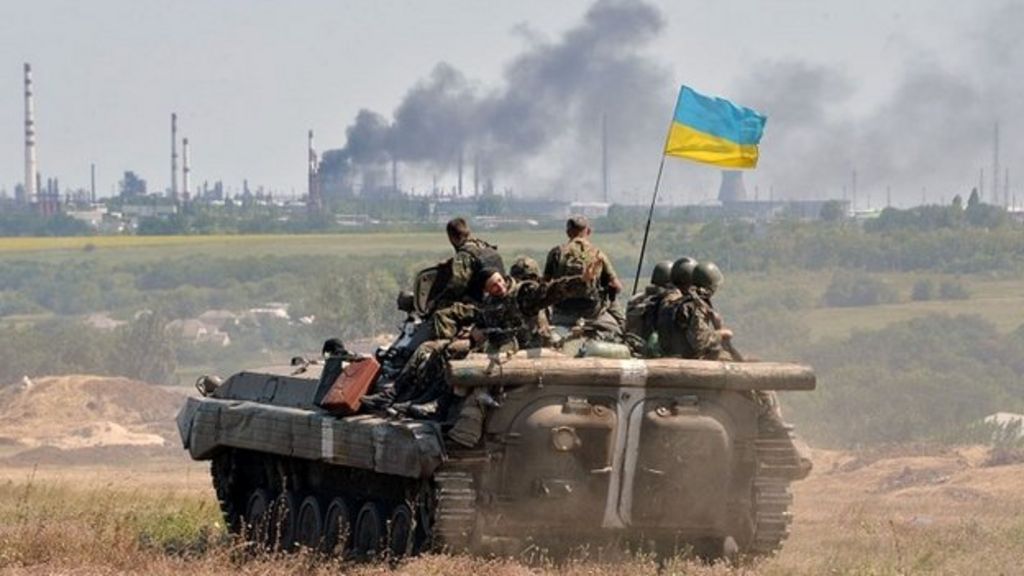
The war in Ukraine has far-reaching consequences beyond the immediate conflict zone, impacting the global economy in profound ways. The ripple effects of this war are felt across various sectors, from energy and food to finance and trade.
Global Economic Implications
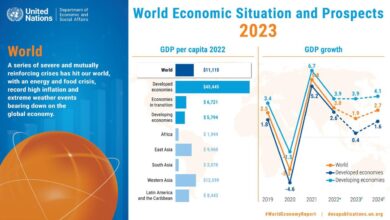
The war’s impact on the global economy is multifaceted, with implications for both developed and developing nations. The conflict has disrupted supply chains, driven up energy and commodity prices, and increased inflation worldwide. The war’s impact on the global food supply is particularly concerning, as Ukraine and Russia are major exporters of wheat, barley, and sunflower oil.
The disruption of these exports has already led to rising food prices and fears of shortages, especially in developing countries heavily reliant on imports.
Responses of Different Countries
Nations worldwide have responded to the war in Ukraine with a mix of sanctions, humanitarian aid, and economic support packages.
- Sanctions:Many countries, including the United States, the European Union, and the United Kingdom, have imposed severe economic sanctions on Russia. These sanctions target key sectors of the Russian economy, such as finance, energy, and technology, aiming to cripple the Russian economy and deter further aggression.
- Humanitarian Aid:Several countries have pledged significant humanitarian aid to Ukraine and neighboring countries, providing support for refugees, displaced persons, and those affected by the conflict. This aid includes food, medicine, shelter, and financial assistance.
- Economic Support Packages:Some countries have implemented economic support packages to mitigate the impact of the war on their own economies. These packages include measures to address rising energy prices, support businesses affected by supply chain disruptions, and provide financial assistance to vulnerable households.
International Cooperation and Collaboration
The war in Ukraine has highlighted the need for international cooperation and collaboration in addressing global economic challenges.
- International Organizations:Organizations like the International Monetary Fund (IMF), the World Bank, and the United Nations are playing a crucial role in coordinating international responses to the crisis. They are providing financial assistance, technical support, and policy advice to affected countries.
- Multilateral Efforts:Countries are working together to address specific challenges arising from the war, such as the global food crisis. For example, the G7 nations have pledged to provide billions of dollars in aid to support global food security.
Final Wrap-Up
The Ukrainian war is a stark reminder of the interconnectedness of the global economy. Its effects are far-reaching and will likely be felt for years to come. The US, as a major player in the global marketplace, is facing a complex set of challenges and opportunities in the wake of this conflict.
Navigating these complexities will require a strategic approach that considers both the immediate and long-term implications of the war. The US economy, while resilient, is not immune to the ripple effects of global events, and the Ukrainian war serves as a potent reminder of the need for preparedness and adaptability in an increasingly volatile world.