Europe Can Lead the Way Through an Energy Crisis Without More Fossil Fuels
Europe can lead the way through an energy crisis without more fossil fuels. It’s a bold statement, but one that’s gaining traction as the continent grapples with the consequences of its dependence on fossil fuels. The current energy crisis, exacerbated by the war in Ukraine, has brought Europe’s vulnerability to the forefront.
But amidst the challenges, there’s a glimmer of hope – the potential to transition to a renewable energy future.
This transition isn’t without its hurdles. Scaling up renewable energy production, managing energy demand, and navigating the social and economic implications are just some of the challenges Europe faces. However, the potential rewards are immense – a more secure energy future, a cleaner environment, and a chance to lead the world in the fight against climate change.
Europe’s Energy Dependence and the Crisis
Europe’s energy landscape is undergoing a dramatic shift, driven by a complex interplay of geopolitical factors, economic pressures, and environmental concerns. The continent’s heavy reliance on fossil fuels, particularly natural gas imported from Russia, has left it vulnerable to supply disruptions and price volatility.
This dependence has been a long-standing issue, but the current energy crisis has brought it to the forefront, forcing European nations to confront the urgent need for a more sustainable and resilient energy system.
The Evolution of Europe’s Energy Dependence
The roots of Europe’s energy dependence can be traced back to several key factors. One significant factor is the continent’s industrialization and economic growth, which have fueled a substantial demand for energy. As Europe’s industries expanded and its population grew, the need for energy sources to power homes, businesses, and transportation systems increased dramatically.
- Abundant and Affordable Fossil Fuels:The availability of abundant and relatively inexpensive fossil fuels, such as coal, oil, and natural gas, played a major role in shaping Europe’s energy mix. These fuels were readily accessible and provided a cost-effective means of meeting the growing energy demands.
- Historical and Political Factors:Europe’s energy dependence has also been influenced by historical and political factors. During the Cold War, Western European nations sought to secure their energy supplies from sources outside the Soviet bloc, leading to a reliance on energy imports from countries like Russia.
- Lack of Investment in Renewables:Despite the growing awareness of the environmental impacts of fossil fuels, Europe has historically underinvested in renewable energy sources. This has contributed to the continued reliance on fossil fuels and hindered the transition to a cleaner energy future.
The Impact of the Energy Crisis
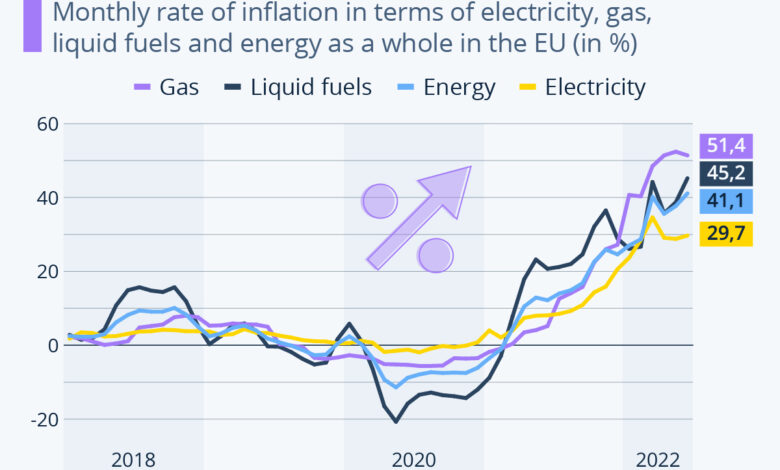
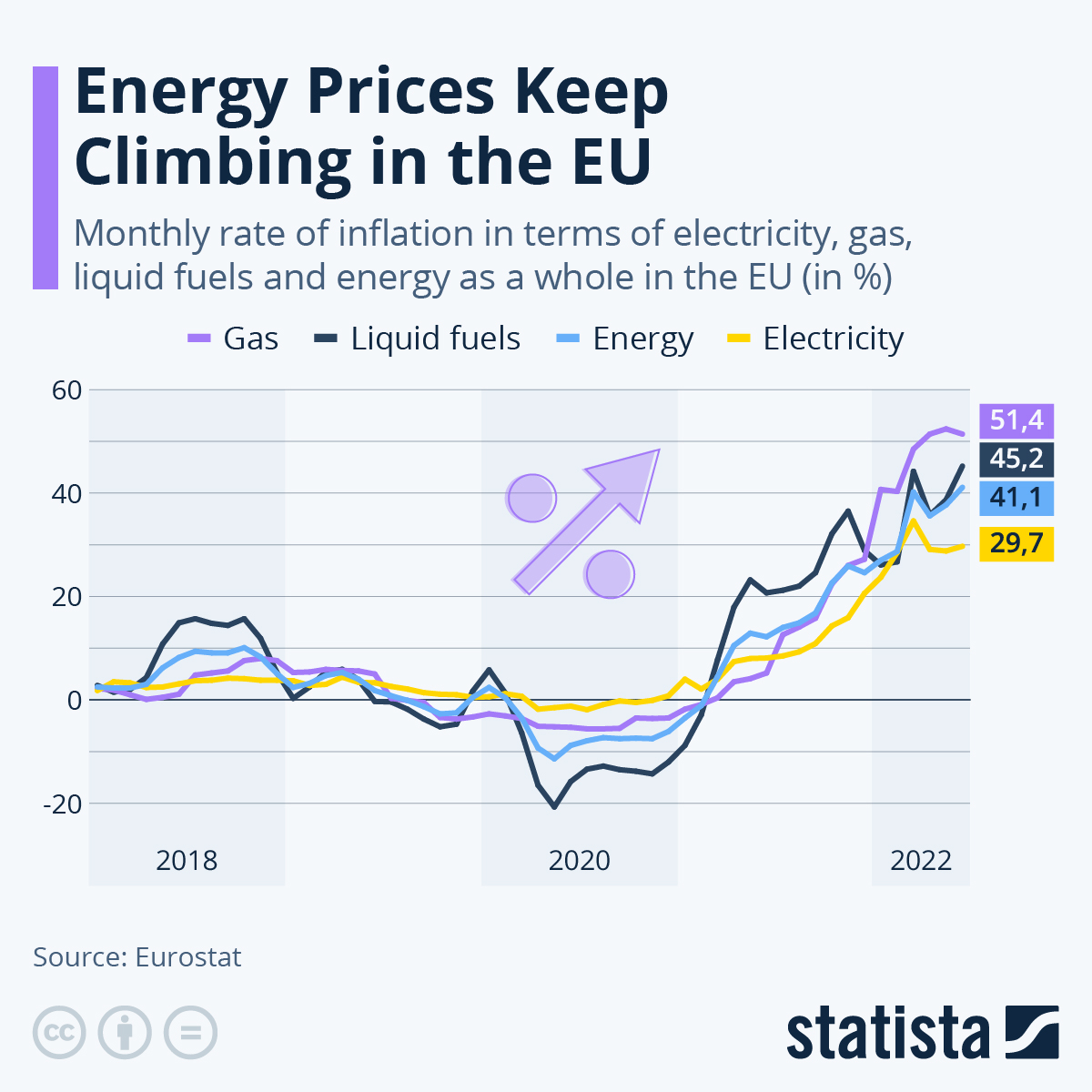
The energy crisis has had a profound impact on European economies and societies. Soaring energy prices have driven up inflation, squeezing household budgets and eroding consumer confidence. Businesses have faced increased operating costs, leading to job losses and reduced economic activity.
- Economic Consequences:The energy crisis has exacerbated inflation across Europe, pushing up prices for essential goods and services. The rise in energy costs has also burdened businesses, leading to reduced investment and job creation.
- Social Implications:High energy prices have disproportionately affected low-income households, putting a strain on their budgets and increasing energy poverty. The crisis has also raised concerns about energy security and the potential for social unrest.
Renewable Energy Potential and Challenges
Europe has a vast potential for renewable energy, with a diverse range of sources available to help it transition away from fossil fuels. Harnessing this potential is crucial for achieving energy independence and reducing greenhouse gas emissions.
Key Renewable Energy Sources in Europe
Europe possesses a wide array of renewable energy sources, each with its unique characteristics and potential for contributing to the energy mix.
- Solar Energy:Southern European countries like Spain, Italy, and Greece enjoy abundant sunshine, making solar energy a highly viable option. Photovoltaic (PV) panels convert sunlight directly into electricity, while concentrated solar power (CSP) uses mirrors to concentrate sunlight and generate heat for electricity production.
- Wind Energy:Northern and Western Europe are known for their strong winds, making wind energy a significant contributor to the region’s energy mix. Onshore wind farms are widely deployed, while offshore wind farms are increasingly gaining traction, offering greater potential due to stronger and more consistent winds.
- Hydropower:Europe has a rich network of rivers and lakes, making hydropower a traditional and established source of renewable energy. Large-scale hydroelectric dams generate electricity from the flow of water, while smaller-scale run-of-river hydropower plants utilize the natural flow of rivers without impounding water.
- Geothermal Energy:Certain regions in Europe, particularly in Iceland and Italy, possess significant geothermal resources. Geothermal power plants extract heat from the Earth’s interior to generate electricity or provide direct heat for buildings and industries.
- Biomass Energy:Biomass, derived from organic matter such as wood, agricultural residues, and energy crops, can be burned directly or converted into biofuels. While biomass energy is considered renewable, its sustainability and environmental impact require careful consideration.
Potential of Renewable Energy Sources
Renewable energy sources offer a significant opportunity to meet Europe’s energy needs while reducing reliance on fossil fuels.
- Solar Energy:Solar PV installations have witnessed rapid growth in recent years, and with technological advancements, solar energy is becoming increasingly cost-competitive. Europe’s vast solar potential, particularly in southern regions, could significantly contribute to meeting electricity demand.
- Wind Energy:Wind energy has become a mature technology with substantial installed capacity across Europe. Offshore wind farms, with their higher wind speeds and greater capacity, offer enormous potential for further expansion.
- Hydropower:Hydropower remains a reliable and established source of renewable energy, contributing significantly to Europe’s energy mix. However, the potential for new large-scale hydroelectric projects is limited due to environmental concerns and the need to preserve existing ecosystems.
- Geothermal Energy:Geothermal energy is a promising source of baseload power, providing consistent energy generation regardless of weather conditions. However, its development is geographically constrained, and the upfront costs associated with geothermal power plants can be significant.
- Biomass Energy:Biomass energy can play a role in decarbonizing the energy sector, particularly in regions with abundant forest resources. However, its sustainability and environmental impact require careful management to ensure responsible sourcing and minimize carbon emissions.
Challenges in Scaling Up Renewable Energy Production
While Europe possesses significant renewable energy potential, scaling up production to meet energy demands faces various challenges.
- Intermittency:Solar and wind energy are intermittent sources, meaning their availability fluctuates depending on weather conditions. This intermittency requires robust energy storage solutions and grid management systems to ensure reliable energy supply.
- Grid Integration:Integrating large-scale renewable energy sources into existing power grids requires significant infrastructure upgrades and advancements in grid management technologies.
- Land Use:Large-scale renewable energy projects, particularly solar and wind farms, require significant land areas. Balancing energy production with land use for agriculture, forestry, and other purposes is crucial.
- Public Acceptance:Public perception and acceptance of renewable energy projects can vary depending on factors such as visual impact, noise pollution, and potential environmental impacts.
- Investment Costs:Initial investment costs for renewable energy projects can be substantial, requiring strong financial incentives and supportive policies to encourage private sector investment.
Policy and Investment Strategies
Europe’s energy transition requires a comprehensive and coordinated approach that combines ambitious policy goals with substantial financial investments. This section explores the existing and proposed policies aimed at accelerating the deployment of renewable energy sources and examines the role of public and private investments in facilitating this shift.
Europe’s commitment to renewable energy is a powerful example for the world, proving that we can overcome energy challenges without relying on fossil fuels. The key is strategic investment in clean technologies, like solar and wind power, and a focus on energy efficiency.
This is where a well-crafted sales folder can play a crucial role – check out these 3 steps to creating a winning custom sales folder to showcase your innovative solutions. By effectively communicating the benefits of sustainable energy, we can inspire more countries to follow Europe’s lead and build a cleaner, more resilient future.
Existing Policies and Initiatives
Several policies and initiatives have been implemented across Europe to promote renewable energy development. These policies aim to create a favorable environment for renewable energy investments, encourage the adoption of renewable technologies, and foster innovation.
- The Renewable Energy Directive (RED), which sets binding targets for renewable energy share in each member state’s energy mix. For example, the RED III (2018) aims for a 32% share of renewable energy in the EU’s final energy consumption by 2030.
- The EU Emissions Trading System (EU ETS), which puts a price on carbon emissions from power plants and industrial facilities, incentivizing a shift towards cleaner energy sources. The EU ETS is the world’s largest carbon market and plays a crucial role in promoting the transition to a low-carbon economy.
- The European Green Deal, a comprehensive strategy for achieving climate neutrality by 2050, emphasizes the importance of renewable energy and includes various initiatives aimed at supporting the transition. The Green Deal proposes a significant increase in renewable energy deployment, including targets for solar, wind, and other renewable sources.
Successful Renewable Energy Projects in Europe
Europe boasts several successful renewable energy projects that demonstrate the potential of these technologies to meet energy demands sustainably.
- The Hornsea Project Onein the UK is the world’s largest offshore wind farm, generating enough electricity to power over 1.4 million homes. This project exemplifies the potential of offshore wind for large-scale renewable energy production.
- The Danish Energy Agency’sambitious plan to achieve 100% renewable energy by 2050 has seen significant success in deploying solar and wind power, illustrating the feasibility of a fully renewable energy system.
- The German Energiewende, a comprehensive energy transition plan, has witnessed substantial growth in renewable energy deployment, particularly in solar and wind power. While facing challenges, the Energiewende serves as a model for other countries seeking to transition to a low-carbon economy.
Role of Public and Private Investment
Public and private investment plays a crucial role in accelerating the renewable energy transition. Public investments are essential for creating the necessary infrastructure, providing financial incentives, and supporting research and development. Private investments are vital for deploying renewable energy technologies at scale and driving innovation in the sector.
- Public investments can be directed towards supporting the development of renewable energy infrastructure, such as grid modernization and storage solutions, which are crucial for integrating renewable energy into the grid.
- Governments can provide financial incentives, such as subsidies and tax credits, to encourage private investment in renewable energy projects. These incentives can help lower the cost of renewable energy technologies and make them more competitive with fossil fuels.
- Public-private partnerships can play a significant role in accelerating the deployment of renewable energy projects. These partnerships can combine the expertise and resources of both public and private sectors to achieve shared goals.
Energy Efficiency and Demand Management: Europe Can Lead The Way Through An Energy Crisis Without More Fossil Fuels
Energy efficiency and demand management are crucial strategies for Europe to navigate the energy crisis without relying on additional fossil fuels. These approaches focus on reducing energy consumption, thereby decreasing reliance on external energy sources and minimizing environmental impact.
The Importance of Energy Efficiency Measures
Energy efficiency measures play a pivotal role in reducing energy consumption and mitigating the need for fossil fuels. By improving the efficiency of energy use, we can achieve significant reductions in energy demand, ultimately leading to lower energy bills and a more sustainable energy system.
Innovative Energy Efficiency Technologies and Strategies, Europe can lead the way through an energy crisis without more fossil fuels
Numerous innovative technologies and strategies have emerged to enhance energy efficiency in various sectors. These include:
- Smart grids:These systems optimize energy distribution and consumption by integrating renewable energy sources, demand response mechanisms, and advanced metering infrastructure. They enable real-time monitoring and control of energy flow, reducing energy waste and enhancing grid stability.
- Building energy efficiency:Retrofitting buildings with insulation, energy-efficient windows, and high-performance heating and cooling systems can significantly reduce energy consumption. Smart thermostats and building management systems can further optimize energy use based on occupancy and weather conditions.
- Energy-efficient appliances:Appliances with higher energy efficiency ratings consume less energy, reducing electricity bills and environmental impact. These appliances utilize advanced technologies to optimize performance while minimizing energy consumption.
- Industrial energy efficiency:Industries can implement process optimization, heat recovery systems, and advanced automation to improve energy efficiency. These measures can significantly reduce energy consumption in manufacturing, production, and other industrial processes.
Potential for Demand Management Programs
Demand management programs aim to reduce peak energy demand by shifting consumption patterns and incentivizing consumers to use energy during off-peak hours. These programs can effectively reduce strain on the electricity grid, minimizing the need for additional fossil fuel-based power plants.
- Time-of-use tariffs:These tariffs incentivize consumers to use electricity during off-peak hours by offering lower prices. This encourages shifting energy consumption to periods when demand is lower, reducing peak demand and minimizing the need for additional power generation.
- Demand response programs:These programs provide incentives for consumers to reduce their energy consumption during peak demand periods. Examples include offering financial rewards or reducing electricity bills for participating households and businesses.
- Smart appliances and devices:Connected appliances and devices can be programmed to operate during off-peak hours, reducing peak demand and maximizing energy efficiency. These devices can automatically adjust their energy consumption based on real-time pricing signals and grid conditions.
Technological Innovation and Collaboration
Europe’s ambition to lead the way in a fossil-fuel-free energy future hinges on the development and deployment of cutting-edge technologies. This requires not only innovation within individual countries but also robust international collaboration.
Europe’s commitment to renewable energy is a beacon of hope in a world grappling with climate change. It’s inspiring to see countries like Germany and Denmark leading the way with ambitious wind and solar projects. But it’s not just about policy, it’s about the human spirit, the kind of spirit that moved a stranger to act with such compassion, as seen in this heartwarming story: you just saved a life kind stranger brings starbucks barista to tears in life changing interaction.
This act of kindness reminds us that even in the face of challenges, like the energy crisis, we can find strength and hope in each other. And perhaps, that same spirit of innovation and compassion can guide Europe towards a brighter, more sustainable future.
Emerging Technologies for a Fossil-Fuel-Free Energy System
A range of emerging technologies holds the potential to significantly contribute to a fossil-fuel-free energy system. These technologies are crucial for achieving energy independence, reducing emissions, and ensuring energy security.
- Advanced Renewable Energy Technologies:
– Next-generation solar panels with higher efficiency and reduced manufacturing costs.
– Offshore wind turbines with increased capacity and improved energy capture capabilities.
– Innovative energy storage solutions, including advanced batteries, pumped hydro, and compressed air energy storage, to address the intermittency of renewable energy sources.
- Smart Grid Technologies:
– Intelligent grid management systems that optimize energy distribution and consumption.
– Real-time monitoring and control of energy flows to enhance grid reliability and efficiency.
– Integration of distributed energy resources, such as rooftop solar panels and electric vehicle charging stations, into the grid.
- Hydrogen Technologies:
– Production of green hydrogen through electrolysis powered by renewable energy sources.
– Utilization of hydrogen as a clean fuel for transportation, industry, and power generation.
– Development of hydrogen infrastructure, including storage, transportation, and distribution networks.
- Carbon Capture and Storage (CCS):
– Technologies that capture carbon dioxide emissions from industrial processes and power plants.
– Secure storage of captured CO2 in geological formations, preventing its release into the atmosphere.
– CCS can play a role in decarbonizing hard-to-abate sectors like steel and cement production.
- Nuclear Fusion:
– Fusion energy, which harnesses the power of nuclear fusion reactions, has the potential to provide a clean, safe, and virtually inexhaustible source of energy.
Europe’s commitment to renewable energy sources, despite the current energy crisis, is a beacon of hope for a sustainable future. Just as Illinois has stepped up as a haven for reproductive rights in a post-Roe world, in a post Roe world illinois vows to be the midwests abortion safe haven , Europe is demonstrating that progress is possible even in the face of challenges.
By prioritizing clean energy, Europe can inspire other nations to follow suit and build a world free from the dependence on fossil fuels.
– While still in its early stages of development, ongoing research and development efforts hold promise for future deployment.
International Collaboration in Energy Technology Development
International collaboration is essential for accelerating the development and deployment of these technologies.
- Sharing Expertise and Resources:
– Collaboration allows countries to pool their knowledge, expertise, and resources, leading to faster progress in technology development.
– Sharing best practices and lessons learned from pilot projects can accelerate the adoption of new technologies.
- Joint Research and Development Projects:
– Collaborative research projects can leverage the strengths of different countries and institutions, fostering innovation and accelerating the pace of technological advancements.
– The European Union’s Horizon Europe program, for instance, supports international research and innovation projects in various fields, including energy.
- Harmonized Standards and Regulations:
– International cooperation on standards and regulations ensures interoperability of technologies and facilitates cross-border energy trade.
– Harmonized regulations can reduce barriers to market entry for new technologies and promote their widespread adoption.
- Financial Cooperation:
– Joint investment initiatives and funding programs can provide the necessary financial resources for developing and deploying new energy technologies.
– International financial institutions can play a role in facilitating these investments, particularly in developing countries.
Successful Partnerships in Energy Technology
Several successful partnerships between European countries and other regions demonstrate the benefits of international collaboration in energy technology.
- The North Sea Wind Power Hub:
– A collaborative initiative involving Denmark, Germany, the Netherlands, and Belgium to develop a large-scale offshore wind farm in the North Sea.
– This project aims to harness the vast wind resources in the North Sea to provide clean energy to millions of homes.
- The International Energy Agency (IEA):
– The IEA serves as a platform for international cooperation on energy policy and technology.
– It promotes energy security, sustainable development, and the transition to clean energy through collaboration among member countries.
- The Global Green Growth Institute (GGGI):
– The GGGI supports developing countries in achieving green growth and sustainable development.
– It provides technical assistance and financial support for projects related to renewable energy, energy efficiency, and other green technologies.
Social and Economic Implications
A rapid transition to renewable energy will have significant social and economic implications, both positive and negative. While renewable energy offers substantial environmental benefits, the transition process requires careful consideration and strategic planning to mitigate potential challenges and maximize its positive impacts.
Government Policies for Mitigating Negative Impacts and Maximizing Benefits
Government policies play a crucial role in shaping the transition to renewable energy and managing its social and economic implications. By providing incentives, regulations, and support mechanisms, governments can facilitate a smooth and equitable transition.
- Financial Incentives:Governments can offer tax credits, subsidies, and other financial incentives to encourage investment in renewable energy projects and make them more attractive to businesses and individuals. These incentives can help reduce upfront costs and accelerate adoption.
- Regulations and Standards:Setting ambitious renewable energy targets and establishing clear regulations for renewable energy development can create a predictable and stable environment for investors and businesses. This can also help ensure that renewable energy projects meet environmental and safety standards.
- Investment in Infrastructure:Governments can invest in the development of smart grids, transmission lines, and other essential infrastructure to support the integration of renewable energy into the electricity grid. This investment can improve grid reliability and efficiency, allowing for greater penetration of renewable energy.
- Skills Development and Training:The transition to renewable energy will create new jobs in areas such as manufacturing, installation, and maintenance. Governments can invest in education and training programs to equip workers with the necessary skills to fill these roles.
- Social Equity and Just Transition:Governments should prioritize policies that ensure a just transition to renewable energy, addressing potential job losses in fossil fuel industries and supporting workers and communities that may be negatively impacted. This can include retraining programs, job creation initiatives, and investment in affected regions.
Creating New Jobs and Industries in the Renewable Energy Sector
The transition to renewable energy presents a significant opportunity for job creation and the emergence of new industries.
- Manufacturing:The production of solar panels, wind turbines, batteries, and other renewable energy technologies will create jobs in manufacturing and related industries. For example, the European Union’s renewable energy target of 40% by 2030 is projected to create over 1.5 million new jobs in the renewable energy sector.
- Installation and Maintenance:The installation and maintenance of renewable energy systems will require a skilled workforce, creating jobs in construction, engineering, and technical services. As the demand for renewable energy grows, so will the need for skilled professionals to install and maintain these systems.
- Research and Development:Continuous innovation in renewable energy technologies is essential for driving down costs and improving efficiency. Governments and private companies can invest in research and development, creating jobs in science, engineering, and technology.
- Green Finance and Investment:The growth of the renewable energy sector will require significant investments from financial institutions. This will create new opportunities for jobs in finance, investment, and asset management, focusing on sustainable and renewable energy projects.
Case Studies of Successful Transitions
Europe’s journey towards energy independence and a sustainable future is paved with numerous challenges, but also with inspiring success stories. Examining case studies of countries and regions that have successfully transitioned to renewable energy can provide valuable insights and guidance for the continent’s overall energy transformation.
These case studies highlight the diverse approaches, key factors, and lessons learned that can be applied elsewhere.
Denmark’s Wind Power Leadership
Denmark stands as a global leader in wind energy, demonstrating a successful transition to a renewable energy future. The country’s commitment to wind power is evident in its high penetration of wind energy in its energy mix. Denmark’s success can be attributed to a combination of factors, including:
- Long-term policy commitment:Denmark has maintained a consistent policy framework supporting renewable energy development for decades, providing stability and certainty for investors.
- Public support:High public acceptance of wind energy, fostered through education and awareness campaigns, has been crucial for its widespread deployment.
- Technological innovation:Denmark has been at the forefront of wind turbine technology development, leading to highly efficient and cost-effective wind energy solutions.
- Integration with the grid:Denmark has successfully integrated large amounts of wind power into its electricity grid, demonstrating the technical feasibility of high renewable energy penetration.
Denmark’s experience offers valuable lessons for other countries seeking to transition to renewable energy.
The importance of long-term policy stability, public engagement, and technological innovation are key takeaways from Denmark’s successful wind energy journey.
Last Recap
Europe’s journey to a fossil-fuel-free energy future is a complex one, but it’s a journey worth taking. By embracing renewable energy, energy efficiency, and technological innovation, Europe can not only overcome its current energy crisis but also pave the way for a sustainable future.
The potential for a greener, more resilient Europe is within reach, and the world is watching to see if the continent can seize this opportunity.