The Pandemic Set Off a Boom in Diagnostics
The pandemic set off a boom in diagnostics, catapulting the field into a new era of innovation and accessibility. As the world grappled with the unprecedented threat of COVID-19, the demand for accurate and rapid testing skyrocketed. This surge in demand, coupled with advancements in technology, spurred a dramatic transformation in the diagnostics landscape.
From the development of cutting-edge molecular tests to the rise of telemedicine and remote monitoring, the pandemic accelerated the adoption of new diagnostic methods and tools, profoundly impacting healthcare systems and patient care.
This shift not only provided essential tools for managing the pandemic but also paved the way for a future where diagnostics are more personalized, accessible, and integrated into everyday healthcare. The pandemic acted as a catalyst, pushing the boundaries of what’s possible in diagnostics and ushering in a new era of healthcare innovation.
The Rise of Diagnostic Demand: The Pandemic Set Off A Boom In Diagnostics
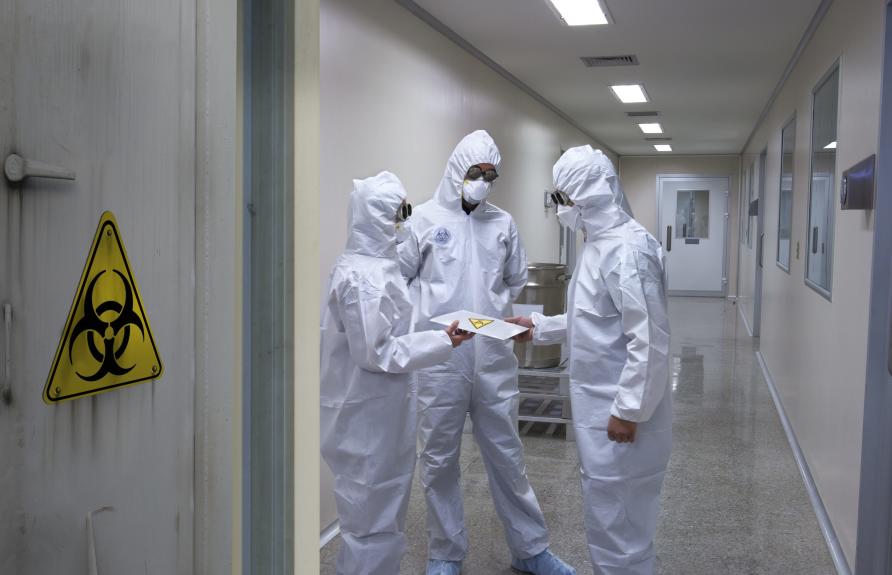
The COVID-19 pandemic significantly impacted the diagnostics market, leading to a surge in demand for testing and other diagnostic services. This surge was driven by a combination of factors, including heightened awareness of disease, the need for rapid diagnosis and treatment, and the implementation of widespread testing strategies.
The pandemic set off a boom in diagnostics, with everyone suddenly interested in testing for a variety of things. It’s ironic, then, that some of the most vocal critics of these tests are also the ones pushing misinformation about the pandemic itself, like Nebraska’s governor, who has become a leading figure in the right-wing disinformation war against public health measures.
Read more about how Nebraska’s governor became a general in a right-wing disinformation war. It seems some folks are more interested in spreading doubt than in finding the truth, even when it comes to something as important as protecting public health.
The Impact of COVID-19 Testing, The pandemic set off a boom in diagnostics
COVID-19 testing played a pivotal role in the diagnostics market boom. The need for rapid and accurate testing to identify infected individuals, track the spread of the virus, and implement appropriate public health measures fueled a massive increase in demand.
The development and widespread adoption of various testing methods, including polymerase chain reaction (PCR) tests, antigen tests, and antibody tests, further fueled the market growth. These testing methods offered varying levels of sensitivity, specificity, and turnaround times, catering to different needs and scenarios.
Technological Advancements in Diagnostics
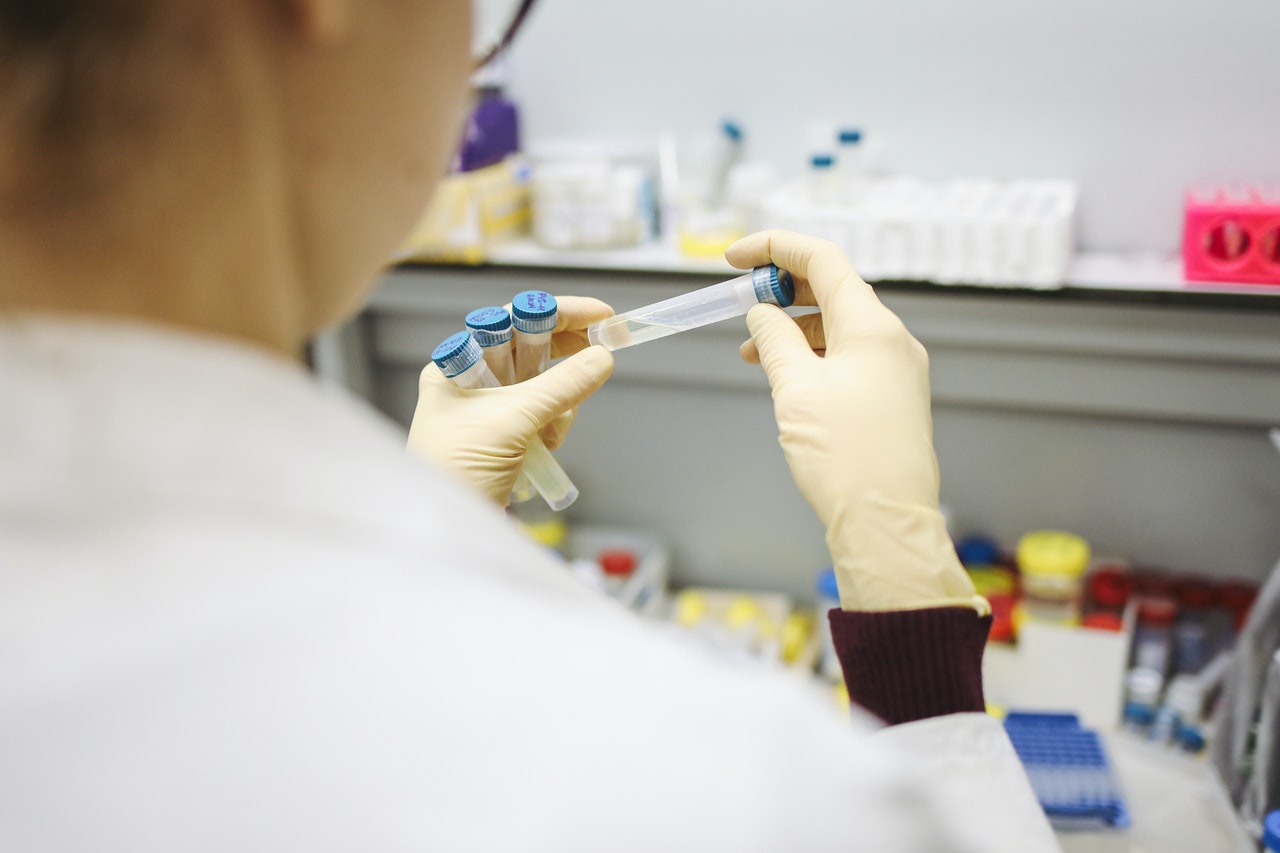
The pandemic served as a catalyst for rapid advancements in diagnostic technologies. The urgent need for accurate and timely testing to contain the spread of the virus spurred innovation and accelerated the adoption of new approaches. These advancements not only improved our ability to diagnose COVID-19 but also laid the foundation for a more sophisticated and efficient diagnostic landscape for future health challenges.
Key Technological Advancements in Diagnostics
The pandemic led to significant progress in several key areas of diagnostic technology, including:
- Molecular Diagnostics:Molecular diagnostic techniques, such as polymerase chain reaction (PCR), have been instrumental in detecting the presence of viral genetic material. Advancements in PCR technology, including real-time PCR and multiplex PCR, enabled faster and more accurate testing, allowing for the detection of multiple pathogens simultaneously.
The pandemic set off a boom in diagnostics, as everyone scrambled to understand the virus and its spread. This need for accurate and rapid testing created a massive market for diagnostic companies, but it also highlighted the vulnerabilities of relying on a small number of players.
It’s interesting to see how this plays out in other sectors, like the one involving a retired general investigated over undisclosed lobbying for Qatar retired general investigated over undisclosed lobbying for qatar. The pandemic highlighted the importance of transparency and accountability, and this case raises questions about the potential for conflicts of interest in other areas of our society, including the diagnostics industry.
The pandemic set off a boom in diagnostics, but it also exposed some fundamental flaws in our systems.
- Point-of-Care Testing:The need for rapid and accessible testing led to the development and deployment of point-of-care (POC) diagnostics. POC tests, often performed in non-laboratory settings, provide results within minutes, enabling immediate patient management and infection control measures.
- Serological Testing:Serological tests, which detect the presence of antibodies against a specific pathogen, played a crucial role in understanding the prevalence and spread of COVID-19. Advancements in antibody detection technologies, such as lateral flow assays and enzyme-linked immunosorbent assays (ELISA), enabled rapid and reliable serological testing.
- Next-Generation Sequencing (NGS):NGS technology has revolutionized the field of diagnostics by allowing for the simultaneous sequencing of millions of DNA or RNA fragments. This capability enabled the rapid identification and characterization of new pathogens, including variants of concern for COVID-19, and facilitated the development of targeted therapies.
The pandemic set off a boom in diagnostics, with rapid testing becoming a cornerstone of public health measures. It’s fascinating how public response to crises can vary. For example, a study found that mass shootings typically lead to looser gun laws not stronger ones , a counterintuitive response that highlights the complexities of policymaking in the face of tragedy.
This contrast underscores the need for data-driven decision-making in the wake of any crisis, whether it’s a pandemic or a mass shooting.
- Artificial Intelligence (AI):AI algorithms have been integrated into diagnostic platforms to improve accuracy, speed, and efficiency. AI-powered image analysis, for example, can assist in the interpretation of medical images, while AI-based decision support systems can help clinicians make more informed diagnoses.
New Diagnostic Methods and Technologies
The pandemic spurred the development of several novel diagnostic methods and technologies:
| Technology | Description | Benefits | Applications |
|---|---|---|---|
| Loop-mediated isothermal amplification (LAMP) | A rapid and sensitive molecular diagnostic technique that amplifies DNA or RNA at a constant temperature. | Simple to perform, requires minimal equipment, and provides results within an hour. | Detection of various pathogens, including COVID-19, influenza, and sexually transmitted infections. |
| Digital PCR (dPCR) | A highly sensitive and precise molecular diagnostic technique that quantifies DNA or RNA molecules. | Enables the detection of rare mutations and the quantification of viral load, providing valuable insights into disease progression. | Early cancer detection, prenatal diagnosis, and monitoring of infectious diseases. |
| Lateral Flow Assays (LFAs) | Rapid and inexpensive diagnostic tests that rely on the interaction of antibodies and antigens to produce a visible result. | Easy to use, require minimal training, and provide results within minutes. | Point-of-care testing for various pathogens, including COVID-19, influenza, and malaria. |
| Microfluidic Devices | Miniaturized devices that integrate multiple diagnostic functions on a single chip. | Allow for rapid and automated analysis, reducing the need for specialized equipment and trained personnel. | Diagnostic testing for various diseases, including infectious diseases, cancer, and cardiovascular diseases. |
| Biomarker-Based Diagnostics | Diagnostic tests that rely on the detection of specific biomarkers, such as proteins, nucleic acids, or metabolites, that are associated with a particular disease. | Provide early disease detection and personalized treatment options. | Cancer screening, cardiovascular disease diagnosis, and monitoring of chronic diseases. |
The Role of Telemedicine and Remote Monitoring
The pandemic dramatically accelerated the adoption of telemedicine and remote monitoring technologies, transforming how diagnostics are accessed and utilized. This shift has significantly impacted diagnostic accessibility, allowing patients to receive care from the comfort of their homes.
Impact on Diagnostic Accessibility and Utilization
Telemedicine has significantly improved diagnostic accessibility, particularly for individuals in remote areas or with limited mobility. Patients can now consult with healthcare professionals virtually, eliminating the need for travel and reducing wait times. This accessibility has led to increased utilization of diagnostic services, as patients are more likely to seek medical attention when it is convenient and readily available.
- Increased patient engagement:Telemedicine platforms enable patients to actively participate in their healthcare journey, leading to better communication and understanding of their conditions.
- Reduced healthcare costs:By minimizing travel expenses and hospital visits, telemedicine contributes to cost savings for both patients and healthcare systems.
- Improved access to specialists:Telemedicine connects patients with specialists who may not be readily available in their local areas, enhancing access to specialized care.
Examples of Remote Monitoring Technologies
Remote monitoring technologies have played a crucial role in the diagnostic boom, enabling continuous tracking of patient health data and facilitating early detection of potential health issues.
- Wearable devices:Smartwatches and fitness trackers equipped with sensors can monitor heart rate, sleep patterns, activity levels, and other vital signs, providing valuable insights into patient health.
- Home-based medical devices:Devices like blood glucose monitors, blood pressure cuffs, and pulse oximeters allow patients to track their health parameters at home, providing real-time data to healthcare providers.
- Remote patient monitoring platforms:These platforms collect data from wearable devices and home-based medical devices, allowing healthcare providers to monitor patients remotely and intervene when necessary.
Advantages and Disadvantages of Telemedicine and Remote Monitoring
While telemedicine and remote monitoring offer numerous advantages, it is essential to acknowledge their limitations.
- Advantages:
- Increased accessibility:Telemedicine expands access to healthcare services, especially for individuals in remote areas or with limited mobility.
- Improved convenience:Patients can receive care from the comfort of their homes, eliminating travel time and reducing wait times.
- Enhanced patient engagement:Telemedicine encourages patients to actively participate in their healthcare journey, leading to better communication and understanding of their conditions.
- Early detection of health issues:Remote monitoring technologies enable continuous tracking of patient health data, facilitating early detection and intervention.
- Reduced healthcare costs:By minimizing travel expenses and hospital visits, telemedicine contributes to cost savings for both patients and healthcare systems.
- Disadvantages:
- Limited physical examination:Telemedicine consultations cannot fully replace in-person examinations, which are crucial for diagnosing certain conditions.
- Technological barriers:Access to reliable internet connectivity and appropriate devices is essential for effective telemedicine utilization.
- Privacy and security concerns:Sharing sensitive health information electronically requires robust security measures to protect patient privacy.
- Potential for diagnostic errors:Without a physical examination, diagnoses may be less accurate, potentially leading to misdiagnosis or delayed treatment.
Concluding Remarks
The pandemic’s impact on diagnostics has been profound and far-reaching. The surge in demand for testing, the development of new technologies, and the adoption of telemedicine have revolutionized the way we approach disease detection and management. As we move forward, the lessons learned from this experience will shape the future of diagnostics, driving further innovation and ultimately leading to improved healthcare outcomes for all.