Best VPN Services for Conflict Zones: Staying Safe and Connected
What are the best VPN services for conflict zones? This question is increasingly relevant as technology plays a crucial role in shaping the landscape of conflict. In regions where internet access is restricted, censored, or even actively targeted, VPNs become essential tools for individuals and organizations seeking to protect their online privacy and security.
VPNs act as a digital shield, encrypting your internet traffic and routing it through secure servers located in different countries. This allows users to bypass censorship, access blocked websites, and protect their data from prying eyes. In conflict zones, VPNs are particularly valuable for journalists, human rights defenders, and activists who need to communicate securely and anonymously.
They can also be used by ordinary citizens to access vital information, stay connected with loved ones, and protect their online privacy.
Understanding VPNs in Conflict Zones
VPNs, or Virtual Private Networks, are essential tools for safeguarding online privacy and security, particularly in conflict zones where internet access is often restricted and monitored. They create an encrypted tunnel between your device and a server in another location, making it difficult for third parties to intercept your online activity.
The Role of VPNs in Conflict Zones
VPNs play a crucial role in protecting online privacy and security in conflict zones by:
- Circumventing Censorship:In many conflict zones, governments and other entities impose internet censorship, blocking access to specific websites, social media platforms, and news sources. VPNs allow users to bypass these restrictions by connecting to servers in countries where the content is not blocked.
This enables access to vital information and communication channels, promoting freedom of expression and access to knowledge.
- Protecting Whistleblowers:Whistleblowers often face threats and persecution for exposing wrongdoing. VPNs provide a secure and anonymous way for them to communicate with journalists, human rights organizations, and other stakeholders, protecting their identity and preventing retaliation.
- Securing Sensitive Data:In conflict zones, individuals and organizations often handle sensitive information, such as personal data, financial records, and confidential communications. VPNs encrypt this data, making it virtually impossible for hackers and surveillance agencies to access it.
- Supporting Humanitarian Efforts:Humanitarian organizations rely on the internet to coordinate relief efforts, gather information, and communicate with beneficiaries. VPNs help them bypass censorship, access blocked websites, and secure their online communications, enabling them to operate effectively and safely.
Challenges in Conflict Zones
Individuals and organizations in conflict zones face unique challenges regarding internet access and security, including:
- Limited Internet Infrastructure:Conflict zones often have limited or unreliable internet infrastructure, making it difficult to access the internet consistently and reliably. This can hinder the effectiveness of VPNs, especially in areas with poor network connectivity.
- Government Surveillance:Governments in conflict zones often monitor internet traffic, tracking online activity and censoring content. VPNs can help to mitigate this risk by masking users’ IP addresses and encrypting their communications.
- Cyberattacks:Conflict zones are often targeted by cyberattacks, which can disrupt internet access, steal data, and spread disinformation. VPNs can help to protect against these attacks by providing an extra layer of security and encryption.
- Cost and Accessibility:VPNs can be expensive, especially for individuals in conflict zones who may have limited financial resources. Access to reliable internet connections is also a significant barrier, making it challenging to use VPNs effectively.
Examples of VPN Use in Conflict Zones, What are the best vpn services for conflict zones
“During the Syrian Civil War, VPNs were widely used by activists, journalists, and human rights organizations to bypass government censorship and share information about the conflict. VPNs enabled them to access blocked websites, communicate securely, and document human rights abuses.”
“In Ukraine, VPNs have played a crucial role in protecting online privacy and security amid the ongoing conflict with Russia. They have helped to circumvent censorship, secure communications, and protect against cyberattacks.”
Essential Features for VPNs in Conflict Zones
When choosing a VPN for use in a conflict zone, it’s crucial to prioritize features that ensure your safety, privacy, and access to information. These features are essential for protecting your digital footprint and navigating the complex security landscape of conflict areas.
Strong Encryption Protocols
Strong encryption is fundamental for safeguarding your online activity in conflict zones. A VPN encrypts your internet traffic, making it unreadable to unauthorized parties. This protection is vital when dealing with potential surveillance or censorship.
- AES-256 Encryption:This is the gold standard for encryption, widely considered to be virtually unbreakable. It’s used by governments and military organizations for sensitive data protection.
- OpenVPN and WireGuard:These are highly regarded VPN protocols known for their speed, security, and open-source nature, which allows for independent scrutiny and verification of their code.
Reliable Server Infrastructure
A VPN’s server infrastructure is crucial for maintaining consistent and secure connections. Servers located in geographically diverse locations are vital for bypassing censorship and accessing blocked websites.
- Distributed Server Network:A large network of servers spread across multiple countries provides redundancy and resilience, ensuring access even if some servers are taken offline.
- Server Stability and Performance:Look for VPNs with a proven track record of reliable server performance, especially during peak usage times.
Robust Security Measures
Beyond encryption, robust security measures are essential for protecting your privacy and data. These measures safeguard against various threats, including malware and phishing attacks.
- Kill Switch:This feature automatically cuts off your internet connection if the VPN connection drops, preventing your real IP address from being exposed.
- DNS Leak Protection:This prevents your DNS requests from being intercepted and revealing your location or browsing activity.
- No-Logs Policy:This ensures that the VPN provider doesn’t store any information about your browsing activity or connection logs.
Anonymity, Data Privacy, and Censorship Resistance
VPNs play a critical role in protecting your anonymity and data privacy, especially in conflict zones where surveillance and censorship are prevalent.
- Multiple Payment Options:Look for VPNs that offer anonymous payment options like Bitcoin or other cryptocurrencies to further protect your identity.
- Tor Integration:Some VPNs offer integration with the Tor network, which provides an additional layer of anonymity and can help bypass censorship.
- Dedicated IP Addresses:Some VPNs offer dedicated IP addresses, which can be helpful for accessing services that block shared IP addresses.
Top VPN Services for Conflict Zones
Choosing the right VPN for a conflict zone is crucial for protecting your online privacy and security. It’s important to select a service that offers robust encryption, a no-logs policy, and a strong commitment to user privacy.
Recommended VPN Services for Conflict Zones
Several VPN services are known for their effectiveness and reliability in conflict zones. These services prioritize user privacy, security, and anonymity, making them ideal for individuals seeking to protect their online activities in challenging environments.
| VPN Service | Key Features | Pricing | User Reviews |
|---|---|---|---|
| NordVPN |
|
Starting at $3.99/month | Generally positive, with praise for its speed, security, and reliability. |
| ExpressVPN |
|
Starting at $6.67/month | Highly rated for its speed, security, and user-friendly interface. |
| Surfshark |
|
Starting at $2.49/month | Popular for its value, features, and performance. |
| ProtonVPN |
|
Starting at $4.99/month | Known for its commitment to privacy and transparency. |
| CyberGhost |
|
Starting at $2.11/month | Well-regarded for its ease of use and reliable performance. |
Security Considerations and Best Practices
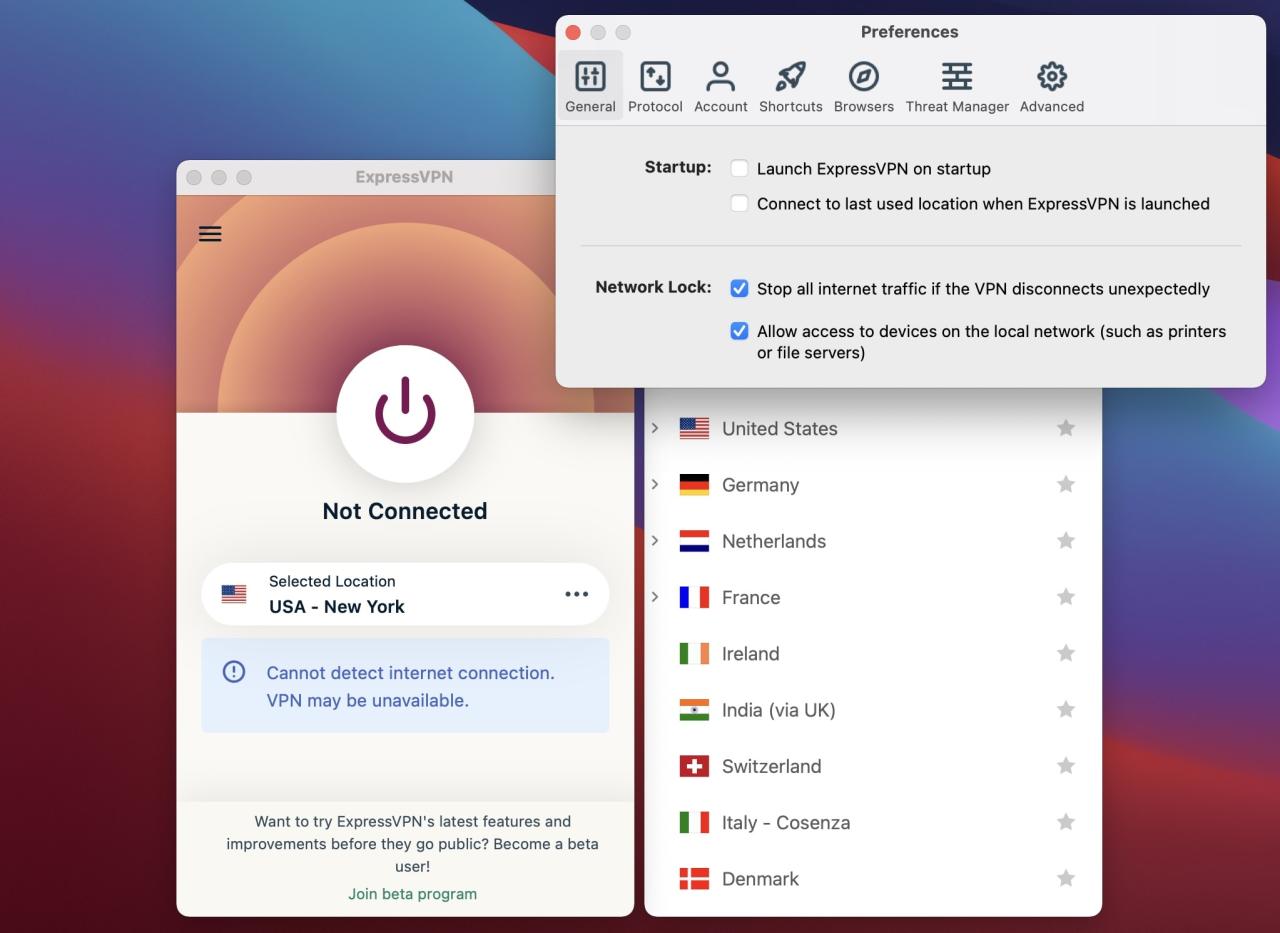
While VPNs offer a crucial layer of protection in conflict zones, it’s essential to employ best practices to maximize security and minimize risks. This section explores key considerations and practical steps for safe and effective VPN usage in challenging environments.
Choosing a Reputable VPN Provider
Selecting a VPN provider with a strong privacy policy and a proven track record of protecting user data is paramount.
- No-Logs Policy:Opt for providers with a strict no-logs policy, meaning they don’t store any user activity data, including browsing history, IP addresses, or timestamps. This prevents third-party access to your online activities, even if the provider is compelled to disclose data.
- Strong Encryption:Ensure the VPN uses robust encryption protocols like OpenVPN or WireGuard, which encrypt your data, making it unreadable to unauthorized individuals.
- Independent Audits:Look for providers that have undergone independent audits to verify their privacy claims. This provides an extra layer of assurance that their policies are truly implemented.
- Jurisdiction:Consider the provider’s jurisdiction. VPNs based in countries with strong privacy laws and data protection regulations offer greater security.
Mitigating Security Risks
Even with a reputable VPN, several potential security risks can arise in conflict zones.
- Public Wi-Fi:Using public Wi-Fi networks can expose your data to hackers. Connect to a VPN before accessing the internet on public networks to encrypt your traffic and protect your data.
- Malware and Phishing:Malicious actors might target VPN users with malware or phishing attacks. Install reputable antivirus software and be cautious about clicking on suspicious links or downloading files from untrusted sources.
- VPN Provider Compromise:While unlikely, the possibility of a VPN provider being compromised by authorities or hackers exists. To mitigate this risk, consider using a multi-hop VPN, which routes your traffic through multiple servers, adding an extra layer of anonymity.
- Metadata Collection:Even with strong encryption, metadata, such as the time and duration of your VPN connections, can still be collected. Consider using a VPN provider that offers additional privacy features like DNS leak protection and a kill switch, which automatically disconnects your internet connection if the VPN connection drops.
Impact of VPNs on Human Rights and Freedom of Expression
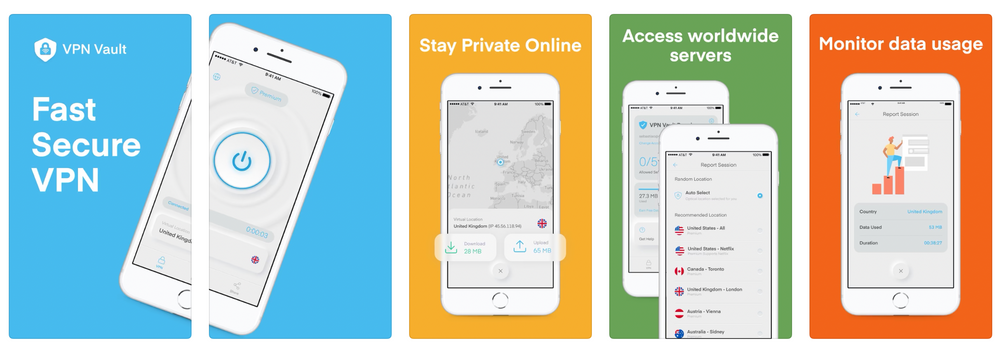
In conflict zones, where access to information and freedom of expression are often severely restricted, VPNs play a crucial role in safeguarding human rights and empowering individuals to exercise their fundamental freedoms. By circumventing censorship and surveillance, VPNs provide a vital lifeline for those seeking to access unfiltered information, communicate freely, and participate in online activism.
Empowering Individuals and Organizations
VPNs empower individuals and organizations in conflict zones by providing a secure and private channel for online communication and access to information. By encrypting internet traffic and masking users’ IP addresses, VPNs make it difficult for governments and other entities to monitor online activity, track users’ locations, or block access to specific websites.
Choosing the right VPN service in a conflict zone is crucial for staying safe and secure online. While many factors contribute to this decision, the recent article debunking the claim that Senator Ted Cruz posts identical tweets after mass shootings highlights the importance of reliable information sources.
A VPN can help you access trustworthy news and information, bypassing censorship and ensuring your privacy. Ultimately, the best VPN for a conflict zone depends on your individual needs and the specific risks you face.
This is particularly important in conflict zones where internet censorship and surveillance are often used to suppress dissent and control information flow.
“VPNs are essential tools for protecting human rights and promoting freedom of expression in conflict zones. They provide a crucial shield against censorship and surveillance, allowing individuals to access information, communicate freely, and participate in online activism without fear of reprisal.”
Finding the best VPN service for conflict zones is crucial for staying safe and secure. It’s not just about privacy, but also about protecting your identity and accessing vital information. While researching this, I stumbled upon an interesting article about farmers in England who are burying burnt wood in their fields to capture CO2 , which reminded me of the importance of innovation in tackling global challenges.
Similarly, finding the right VPN service for conflict zones requires a deep understanding of the evolving threats and the best tools to counter them.
[Source
Choosing the right VPN service is crucial for those in conflict zones, as it provides essential privacy and security. But beyond protecting individual users, it’s important to recognize how technology can be misused, like the way how junk science is being used against trans kids in some regions.
Just as VPNs can shield individuals in dangerous situations, they can also be a tool for fighting misinformation and promoting accurate information, especially when it comes to sensitive topics like gender identity. So, finding the best VPN service for a conflict zone requires careful consideration of both security and ethical implications.
Human Rights Watch]
Supporting Journalists and Human Rights Defenders
Journalists and human rights defenders working in conflict zones often face significant risks, including threats, intimidation, and censorship. VPNs provide a vital tool for protecting their safety and allowing them to continue their work without fear of reprisal. By encrypting their internet traffic and masking their IP addresses, VPNs make it difficult for authorities to track their online activity or identify their physical location.
“Journalists in conflict zones rely on VPNs to access blocked websites, protect their identities, and communicate securely with sources. VPNs are essential for ensuring the safety and freedom of the press in dangerous environments.”
[Source
Committee to Protect Journalists]
Facilitating Online Activism and Dissent
VPNs play a crucial role in facilitating online activism and dissent in conflict zones. By providing a secure and private platform for communication and information sharing, VPNs enable individuals to organize, mobilize, and raise awareness about human rights abuses and other issues.
This is particularly important in conflict zones where traditional forms of activism are often restricted or dangerous.
“VPNs have been instrumental in empowering citizens in conflict zones to organize online protests, share information about human rights abuses, and hold their governments accountable. They provide a vital platform for dissent and resistance in environments where freedom of expression is under threat.”
[Source
Amnesty International]
Legal and Ethical Considerations: What Are The Best Vpn Services For Conflict Zones
The use of VPNs in conflict zones presents a complex landscape of legal and ethical considerations. While VPNs can be vital tools for protecting privacy and accessing information, they also raise concerns about potential misuse and the impact on human rights.
Legal Status of VPNs in Conflict Zones
The legal status of VPNs can vary significantly across conflict zones. Some countries may have laws restricting or prohibiting the use of VPNs, while others may have more lenient regulations. It is crucial to research and understand the specific legal framework in the region where you are considering using a VPN.
- In some countries, VPNs may be classified as tools for circumventing censorship or evading surveillance, which could lead to legal consequences.
- Governments may also use VPNs to monitor and track online activities, potentially compromising the privacy and security of users.
- It is important to note that even if VPNs are not explicitly prohibited, they may still be subject to legal scrutiny, particularly if they are used for activities that are considered illegal or harmful.
Ethical Considerations of VPN Use in Conflict Zones
The ethical implications of VPN use in conflict zones are equally significant. While VPNs can provide essential protection for journalists, human rights defenders, and other vulnerable individuals, they can also be used for malicious purposes.
- For example, VPNs could be used to spread misinformation, incite violence, or facilitate criminal activities.
- It is essential to consider the potential impact of VPN use on the local population and to ensure that it is not used in a way that could harm or exploit vulnerable individuals.
- Ethical VPN use requires a commitment to transparency, accountability, and responsible conduct.
Recommendations for Responsible VPN Use in Conflict Zones
To mitigate the risks and promote ethical VPN use in conflict zones, it is recommended to follow these guidelines:
- Research local laws and regulations:Before using a VPN in a conflict zone, it is crucial to thoroughly research the legal framework and understand the potential consequences of VPN use.
- Choose a reputable VPN provider:Select a VPN provider with a strong track record of privacy and security, and avoid providers that have been linked to surveillance or censorship activities.
- Use a VPN only for legitimate purposes:Avoid using a VPN to engage in activities that are illegal or harmful, such as spreading misinformation or inciting violence.
- Be mindful of the impact on local communities:Consider the potential consequences of your actions and ensure that your VPN use does not contribute to harm or exploitation.
- Respect local cultural norms:Be sensitive to local cultural norms and avoid using VPNs in ways that could be considered disrespectful or offensive.
Potential Risks Associated with VPN Use in Conflict Zones
Despite the benefits of VPNs, it is important to acknowledge the potential risks associated with their use in conflict zones.
- Surveillance:Governments and other entities may use sophisticated surveillance techniques to track and monitor VPN traffic, potentially compromising the privacy and security of users.
- Censorship:VPNs can be blocked or restricted by governments, limiting access to information and communication channels.
- Data breaches:VPN providers themselves can be vulnerable to data breaches, exposing user information to malicious actors.
- Malware:VPNs can be used to spread malware, which can steal personal information or compromise devices.
- Misuse:VPNs can be misused for criminal activities, such as spreading misinformation or facilitating cyberattacks.
Impact of VPNs on Human Rights and Freedom of Expression
VPNs can have a significant impact on human rights and freedom of expression, both positive and negative.
- Positive impact:VPNs can provide essential protection for journalists, human rights defenders, and other vulnerable individuals, enabling them to access information and communicate freely without fear of censorship or surveillance.
- Negative impact:VPNs can also be used to spread misinformation, incite violence, or facilitate criminal activities, potentially undermining human rights and freedom of expression.
- Ethical considerations:It is essential to consider the potential impact of VPN use on human rights and freedom of expression and to ensure that it is not used in a way that could harm or exploit vulnerable individuals.
Last Word
Choosing the right VPN service for a conflict zone is crucial. Consider factors like encryption strength, server locations, privacy policies, and user reviews. By understanding the unique challenges faced in these regions, you can select a VPN that provides the necessary protection and enables you to stay connected and informed.
Remember, responsible VPN use is paramount, so be sure to familiarize yourself with local laws and ethical considerations. While VPNs offer a vital layer of protection, they are not a silver bullet. Always practice online safety measures and be aware of potential risks associated with using the internet in conflict zones.